















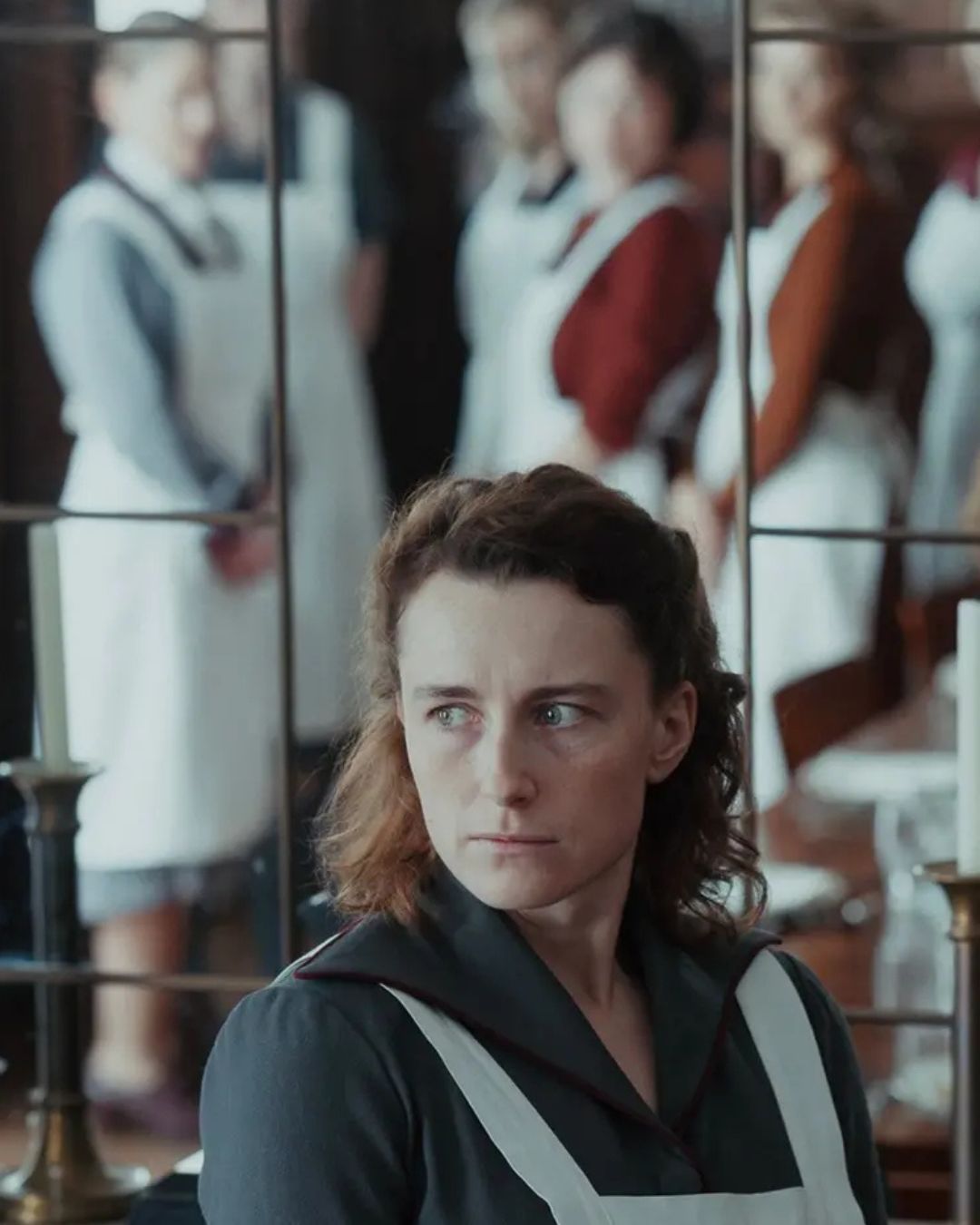

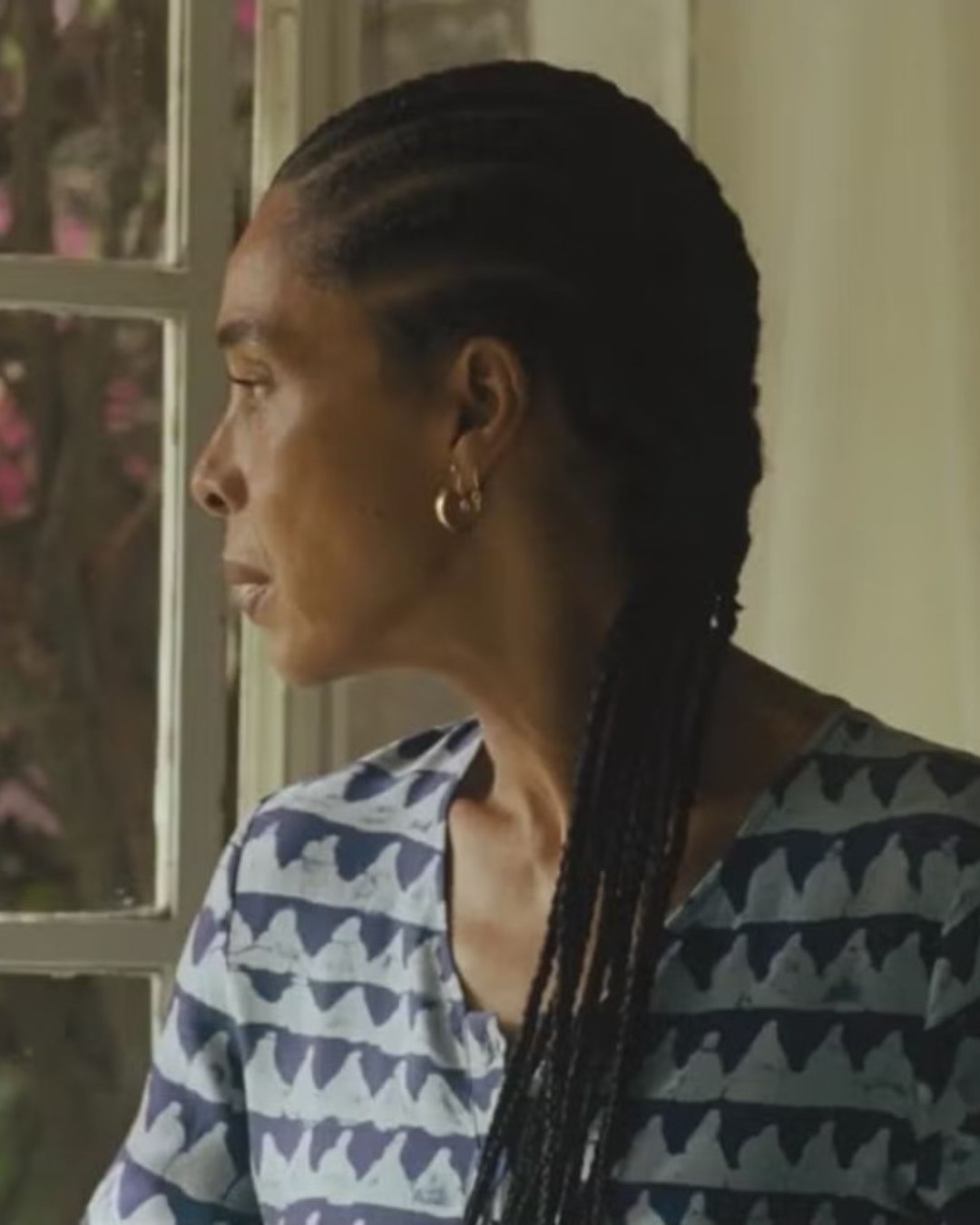
Clarissa by Arie and Chuko Esiri is among the most talked-about titles at the 2026 Quinzaine des Cinéastes Virginia Woolf's book is adapted and her party moves to Lagos, Nigeria
Among the standout titles of the 2026 Quinzaine des réalisateurs, the parallel section of the Cannes Film Festival, one that has particularly caught attention is Clarissa by brothers Arie and Chuko Esiri. The film is a reimagined adaptation of Virginia Woolf’s Mrs Dalloway, one of the directors’ favorite novels, whose spirit and characters remain intact while being relocated to Lagos, Nigeria. It is one of several changes made to the original novel, even though its emotional core stays untouched, despite the differences. However, the Esiri brothers were not interested in emphasizing what separates the two works, but rather the shared emotional experience that can still be found within its pages.
The Esiri brothers’ adaptation of Mrs Dalloway
"I think I’ve read Mrs Dalloway at least five or six times in my life," says Chuko Esiri, whose adaptation process for the novel began in 2019. "The first time I read it, I was a teenager. I felt it, but I didn’t understand it. I hadn’t lived enough yet, and all the book asks you to do is empathize with a middle-aged woman organizing a party. Then, when I reached my thirties, I thought: well, now it makes much more sense. Everything became clearer when I reread it nine years ago. I recognized parts of myself, my friends, my parents in it. Everything suddenly felt obvious, and that’s important when adapting something, because the setting and some character traits can change, but the emotion remains the same. That became our guide while writing the screenplay. And besides, Nigeria has a colonial history connected to Britain, as well as a Christian and Catholic heritage, so it didn’t feel strange to have characters named Clarissa or Peter. Even Septimus, which may sound unusual, has Catholic origins."
The cast of Clarissa between past and present
If adaptation is an essential step when working from a book, especially a classic, the second crucial stage is casting. Clarissa, in fact, does not only revolve around its protagonist and the guests at her party, but constantly moves back and forth in time to show both the younger and present-day versions of all the central characters involved in the story. Which meant finding the right actor for each role not once, but twice. Playing Clarissa in the film is Sophie Okonedo, who this year also appeared in Mouse by Kelly O'Sullivan and Alex Thompson and will soon star in J.J. Abrams’ blockbuster The Great Beyond. Opposite her is India Amarteifio, now practically specialized in portraying younger versions of iconic characters thanks to her role in Queen Charlotte: A Bridgerton Story, the prequel centered on the queen from the hit Netflix series.
Sophie Okonedo and reconnecting with Nigerian roots
The cast - which also includes Nikki Amuka-Bird, Ayo Edebiri, and David Oyelowo - was tasked with conveying the trauma each character carries within themselves and how it echoes through time. "Sophie was the first person we approached," recalls Arie Esiri. "She was the only person we could think of for the role from the very beginning. Both Sophie and other cast members, like David, are actors born in England who built their careers there, but through a project like Clarissa they were able to reconnect with their Nigerian roots. Some of them accepted because they wanted to experience this kind of return-home journey. The real challenge, of course, was casting every character twice, first as young adults and then later in life. We had absolutely no interest in digitally de-aging anyone CGI-style, and thanks to our casting director Nina Gold, doors opened that allowed us to make this happen."
Nigerian cinema continues to grow internationally
Clarissa stands out as one of the most interesting film projects of 2026 and continues an ongoing conversation around Nigerian cinema, whose industry has recently been producing more and more titles capable of breaking into the international landscape. "The difficulties of making a film like Clarissa in Nigeria are the same as for every other film in the country," explains Chuko Esiri. "What would be considered a small budget anywhere else in the world is actually huge for us. The issue, as in many places, is access to funding, and only one or two films a year manage to secure it. In 2026 there was Lady at the Berlinale, and last year My Father’s Shadow. These are still rare cases, but hopefully they are signs that this will happen more and more often. I believe that over the next five or ten years, younger generations will be able to do a lot for Nigerian cinema."