





































Why is female desire still taboo? The numbers and what is changing
In recent years, the concept of women's well-being has changed profoundly. We no longer talk only about nutrition, physical activity or skincare, but also about energy, quality of sleep, emotional balance and hormonal health. However, there is one topic that continues to remain in the background: female desire. Although it concerns many women, it is still one of the most difficult issues to deal with, often accompanied by embarrassment, guilt or the belief that a decline in libido is simply 'normal'. Yet, experts explain that desire is influenced by many factors and represents an important component of overall well-being.
Why does female desire change over the course of life?
Unlike what we tend to think, desire is not a fixed characteristic. Stress, tiredness, mental load, hormonal changes, pregnancy, breastfeeding, perimenopause and menopause can also change it significantly. Added to these are emotional and relational factors, which affect the way in which every woman experiences her intimacy. For this reason, specialists increasingly invite us to look at the topic with a broader view, avoiding reducing everything to an exclusively hormonal issue.
The numbers tell of a more widespread problem than we think
According to the International Society for the Study of Women's Sexual Health, Hypoactive Sexual Desire Disorder affects about 10% of adult women. The scientific literature also highlights how difficulties related to sexuality are far from rare. A study published in PubMed Central, based on the criteria of the ICD-11 classification, found sexual dysfunction associated with clinically significant distress in 17.5% of women. Among these, 6.9% report a reduction in desire and arousal, while 5.8% report difficulties related to orgasm.
Despite these data, talking about it remains complicated. A systematic review published in PLOS ONE shows that more than one in two women who live with sexual problems that affect their quality of life does not see a healthcare professional. Among the most common motivations are embarrassment, lack of information and the belief that it is an inevitable consequence of certain phases of life.
Intimate well-being today is part of wellbeing
More and more professionals are talking about an approach to women's intimate well-being that takes into account the whole person. Energy, quality of sleep, stress management, mood and vitality are profoundly linked aspects and can also influence desire. It is therefore not a question of dealing with a single symptom, but of considering well-being as an overall balance, built through lifestyle, nutrition, physical activity and, when necessary, the comparison with a professional.
Supplements also enter the conversation about women's well-being
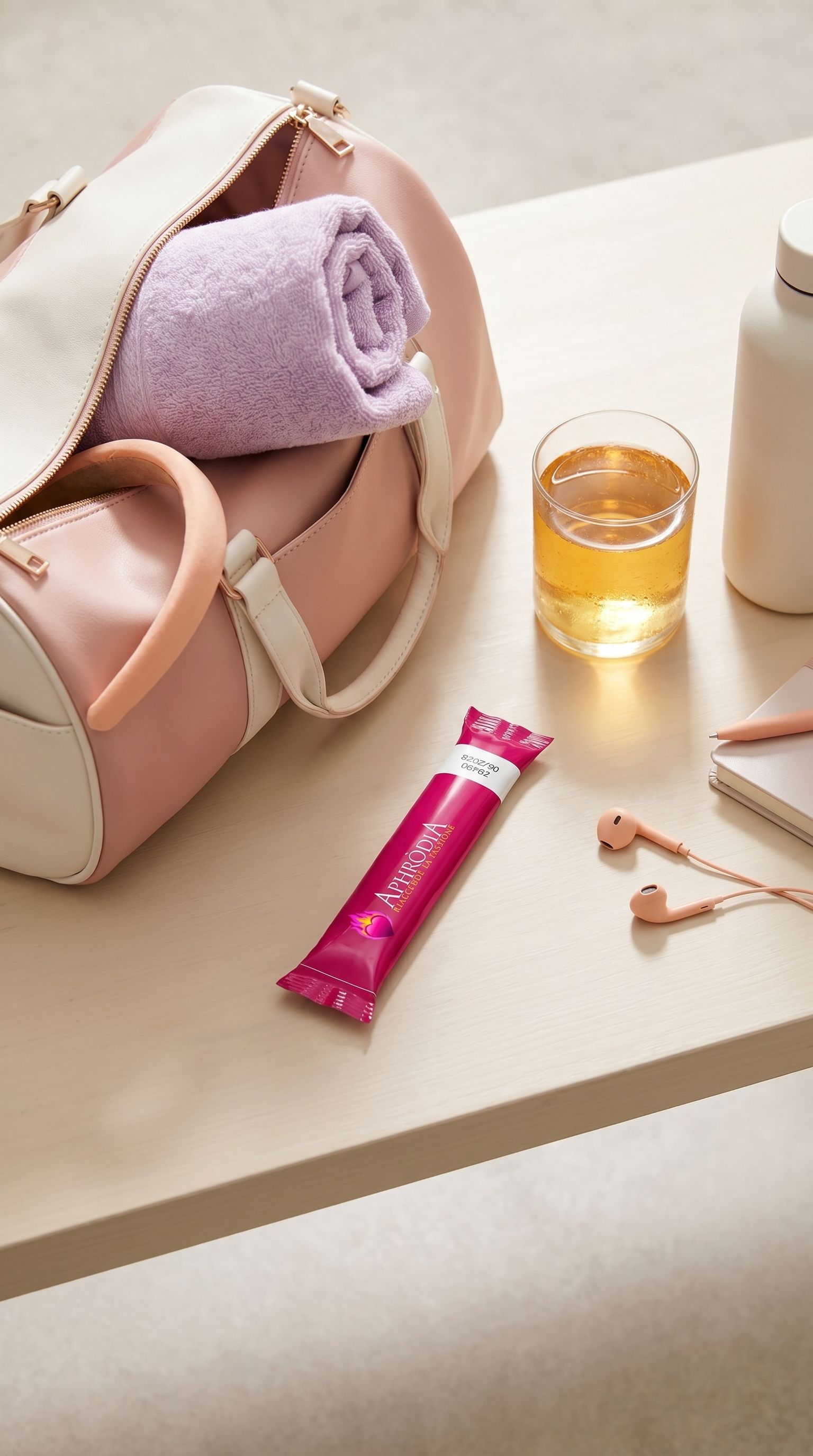
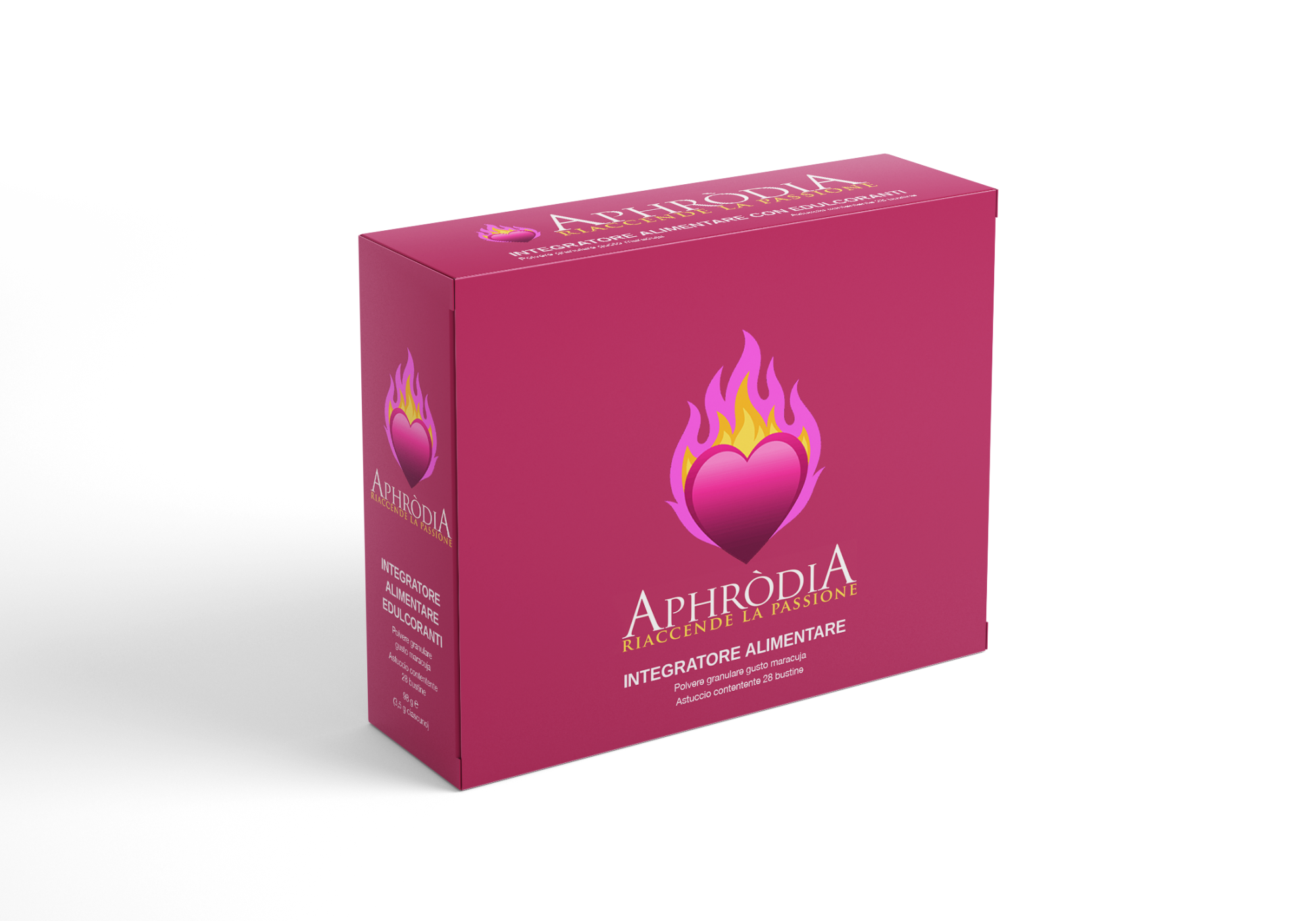
In this context, proposals dedicated to female wellbeing are also growing. Among these is Aphròdia, the new hormone-free supplement developed by GR Farma, formulated with ingredients of natural origin such as maca, saffron, schisandra, fenugreek, L-arginine and folate. Some of these components have been studied for their possible role in supporting energy, mood and some aspects of female sexual function, as part of an approach that considers intimate well-being as part of a larger balance. Of course, it is important to remember that dietary supplements are not a substitute for a balanced diet or a healthy lifestyle and that, in the presence of persistent symptoms or significant discomfort, it is always advisable to consult your doctor or a healthcare professional.
Talking about desire without taboos is the first step
Perhaps the most important change concerns precisely the way in which we deal with these issues. Feminine desire is not a luxury or a secondary detail, but a component of health and quality of life. Overcoming silence, providing information and recognizing that each phase of life brings with it different needs means contributing to a more open and conscious conversation about women's well-being, without judgments and without simplifications.