


Dehydrated or dry skin? How to tell the difference and what to do Are you sure you're giving your skin what it really needs?
Temperatures have dropped and winter is just around the corner. Your skin feels tight, flaky patches start to appear, and foundation clings to dry spots and settles into every little crease. It's as if your moisturizer just isn't enough anymore. But maybe that's exactly the point: are you giving your skin what it actually needs? Before switching up your entire skincare routine, you need to figure out whether your skin is dry or dehydrated, because no, they're not the same thing. Here's how to tell the difference.
Dehydrated or dry skin? How to tell the difference and what to do
Dry or dehydrated skin: what's the difference?
As Healthline explains, the difference comes down to this: dry skin lacks lipids, while dehydrated skin lacks water. They might seem like the same thing because both can cause tightness, flaking and a dull complexion, but the underlying causes are different. Dry skin is a skin type, just like oily or combination skin. It produces less sebum and, as a result, has fewer lipids available to protect the skin barrier and lock in moisture. That's why it can feel rough, become flaky and be particularly sensitive, especially when temperatures drop. Dehydrated skin, on the other hand, is a temporary condition that can affect anyone, including people with oily, shiny skin. In this case, the outermost layer of the skin lacks water. Cold weather, wind, dry air from air conditioning or an overly harsh skincare routine can all contribute.
How can you tell which one you have?
To figure out which one you're dealing with, pay attention to how your skin behaves throughout the day. If it's dry, it will probably feel tight quite often, even after applying moisturizer, and you may notice flaky patches, rough areas or cracks. It generally produces less sebum, so you won't end up with shiny skin by the end of the day. Dehydrated skin, on the other hand, can look dull and feel less elastic. You'll notice it especially when you put on makeup: foundation tends to settle into fine lines, highlight flaky patches and refuse to blend the way you'd like. Here's the real giveaway: your skin can be dehydrated even if it gets shiny throughout the day, particularly in the T-zone.
What to do
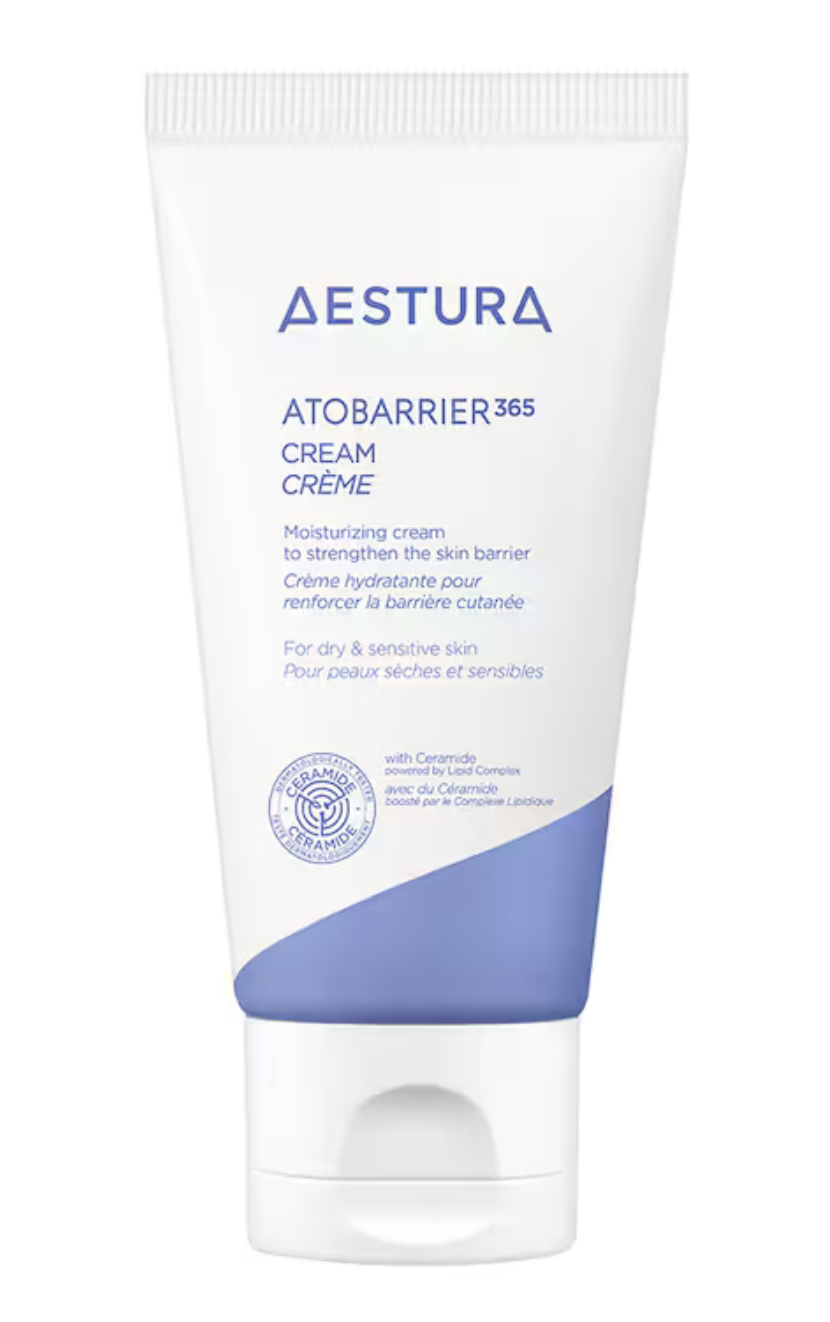
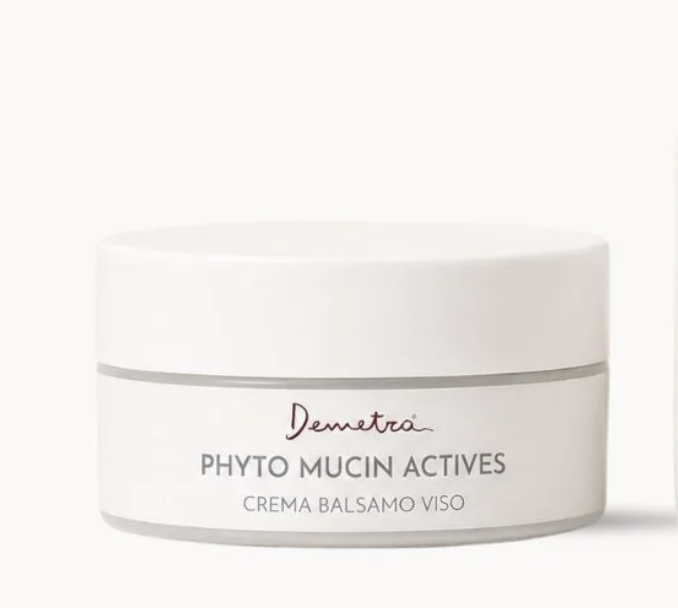
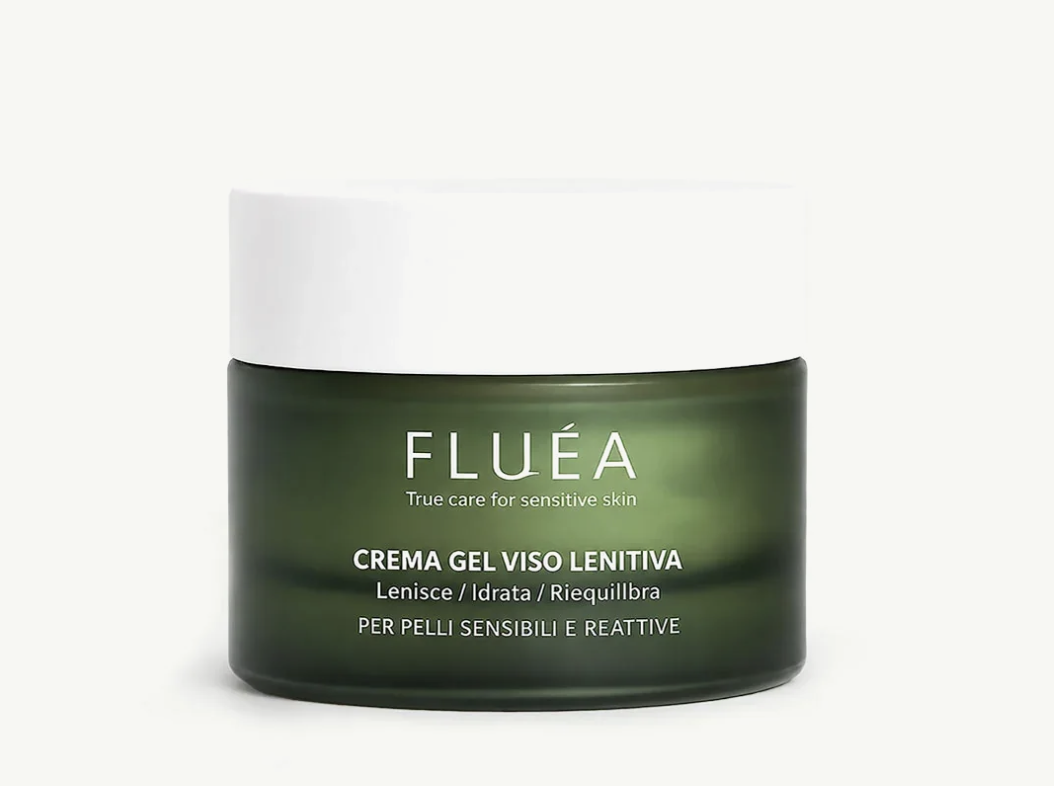
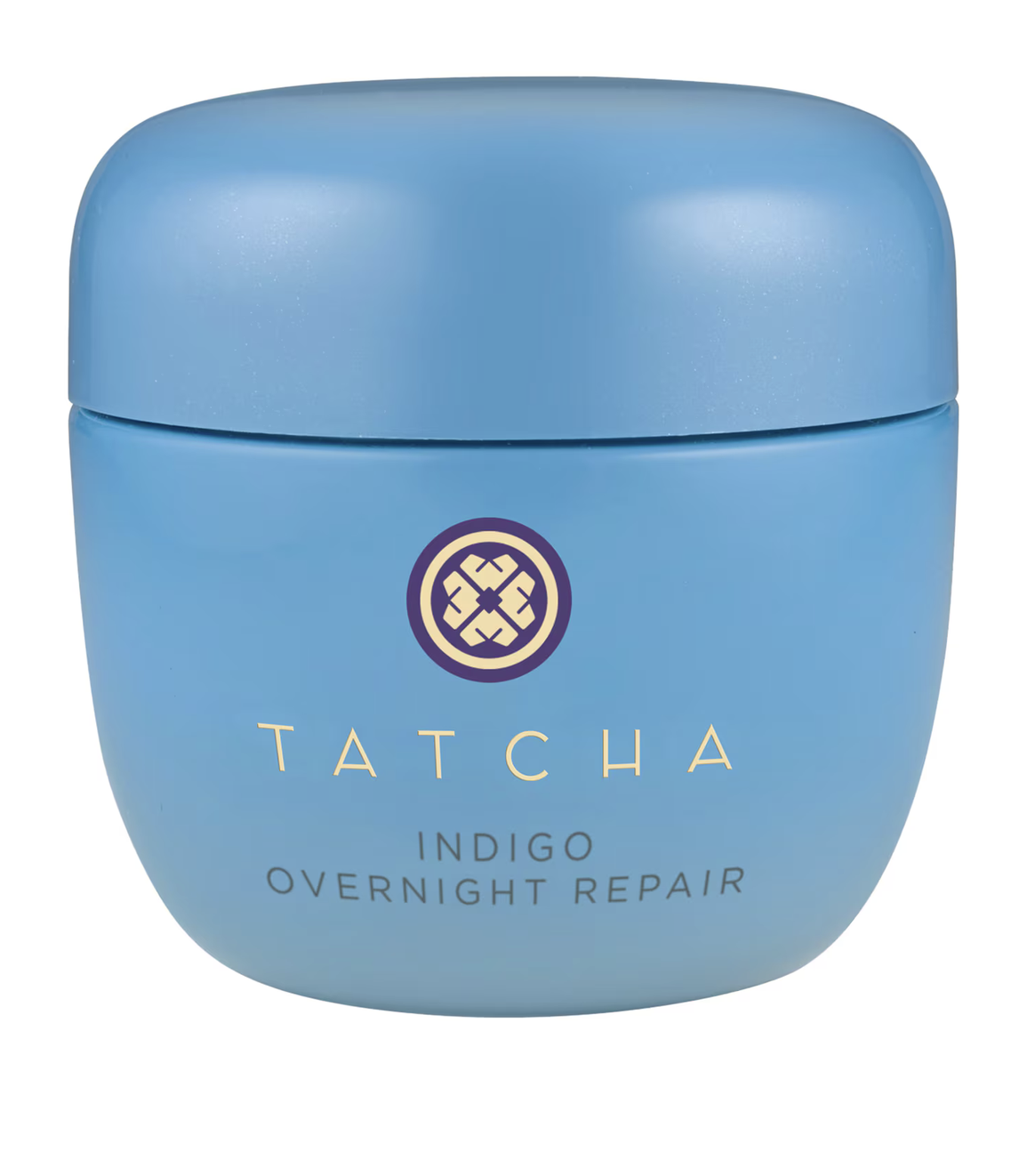
Once you understand what your skin is missing, you can adjust your routine accordingly. If it's dehydrated, look for products with humectants, such as glycerin and hyaluronic acid, which help attract and retain water. If it's dry, opt for richer creams containing ceramides, squalane or shea butter to support the skin barrier and reduce moisture loss. You don't necessarily have to choose one approach over the other: you can apply a hydrating serum first, then follow with a cream that helps keep moisture in the skin. In both cases, avoid overly harsh cleansers, scrubs and exfoliating acids.
What to read next

Raye is the protagonist of Zalando's most ambitious cultural project ever
It's called Access All Areas (AAA) and it will take place on April 25 in Berlin