






































Going to the movies has become an act of trust And streaming definitely doesn't help
“I get it back so much on streaming.” How many times have you said that? Certainly in front of a film that did not intrigue you too much, but probably also on the occasion of the release of one that you had been waiting for a long time. The one directed by the director you love, with the actor you like, the excellent reviews. Except that, perhaps, it doesn't move you so much that you can find a night off, buy a ticket, get ready to buy drinks and popcorn and go out of the house. Anyway, sooner or later it will come somewhere. Netflix, Prime Video, Sky for rent. In the meantime, there are thousands more to see.
Don't we want to go to the movies anymore? The comparison between Digger and Verity
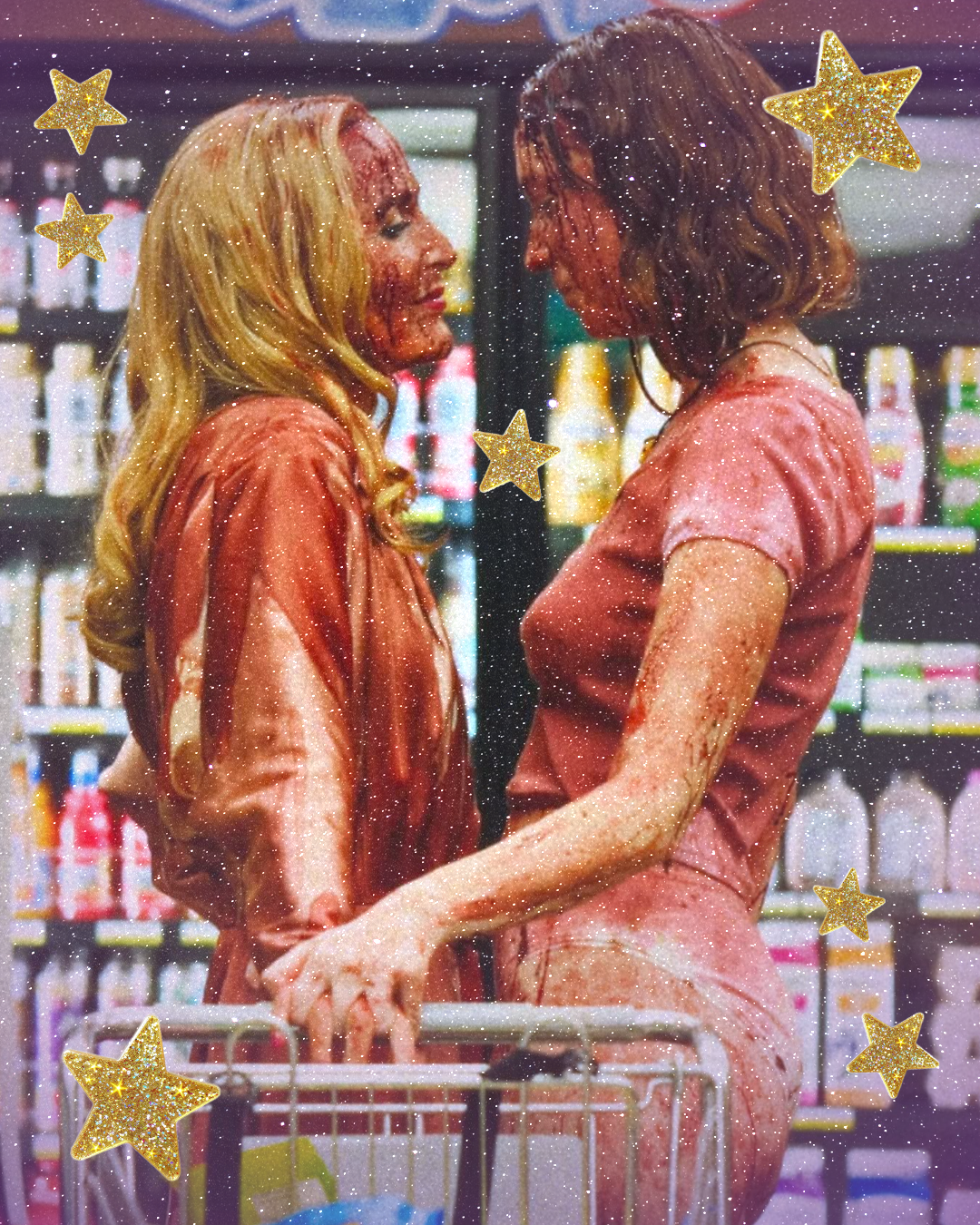
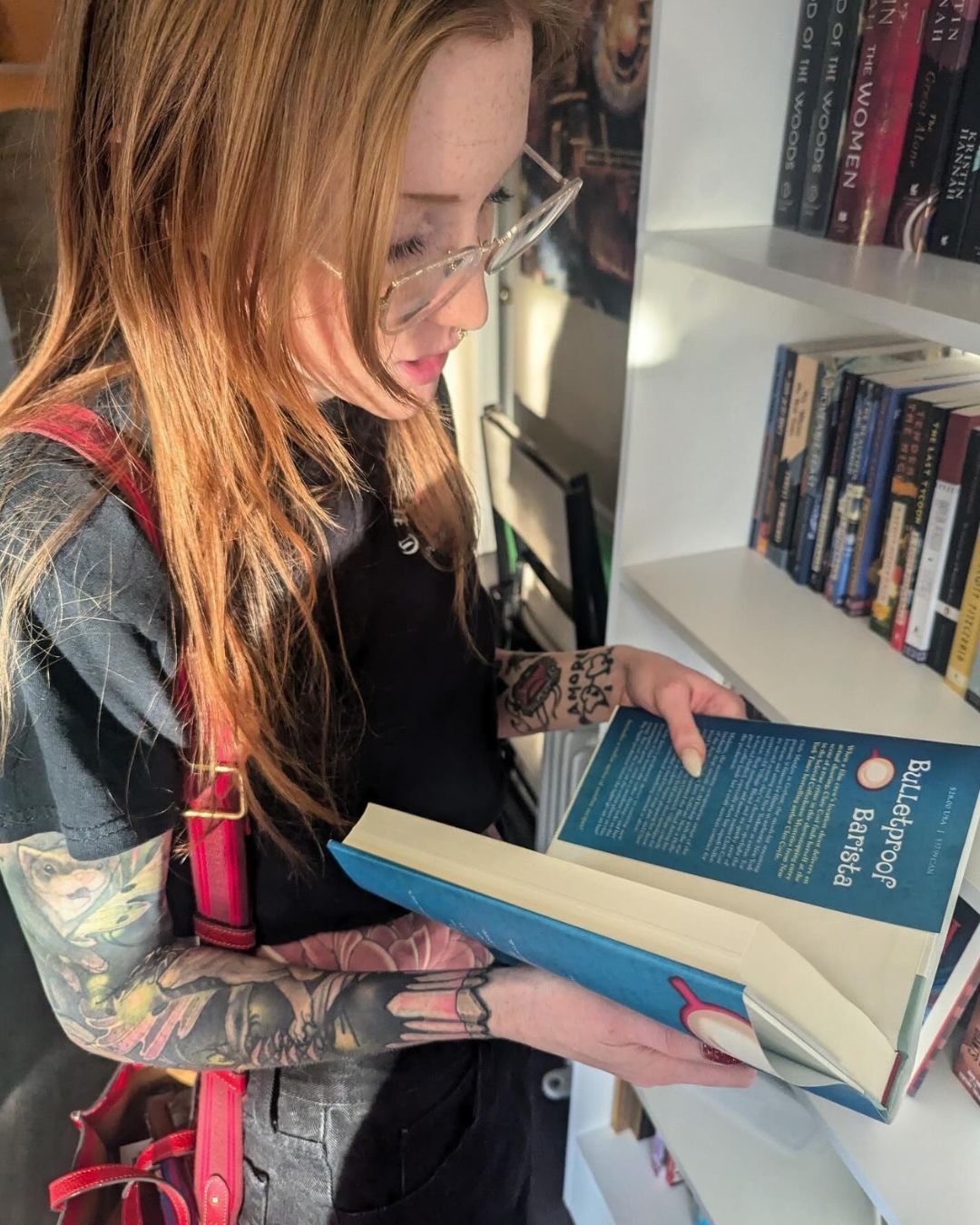
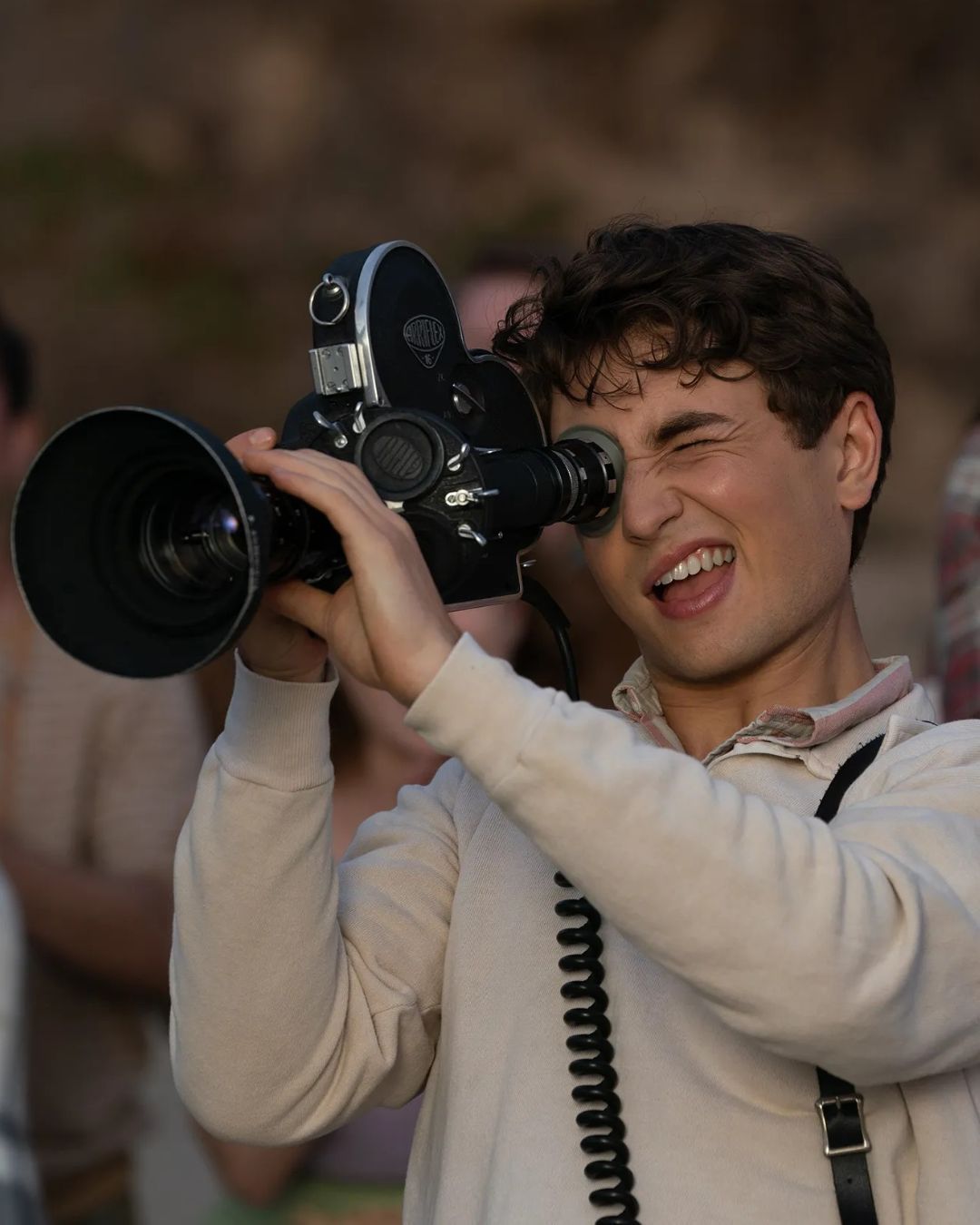
This is probably also why the result of the first weekend of October at the American box office was so interesting. Digger, Alejandro G. Iñárritu's new film with Tom Cruise, debuted with around 8 million dollars in the United States. Verity, on the other hand, a thriller with Anne Hathaway and Dakota Johnson, based on Colleen Hoover's bestseller, grossed more than 32. The first cost between more than 160 million dollars, not counting the approximately 100 million spent on the promotion; the second, on the other hand, about 40. It would be too simple to read the comparison as definitive proof that the public no longer wants auteur cinema and prefers discrete entertainment. Also because Digger was initially lukewarm received by both critics and spectators, so much so that Warner Bros. ended up using negative reviews in the promotional campaign. Not even Verity, with its 34% on Rotten Tomatoes, has exactly won the critics. But, the difference, at least at the beginning, is that one of the two films had given the audience a specific reason to watch it right away.
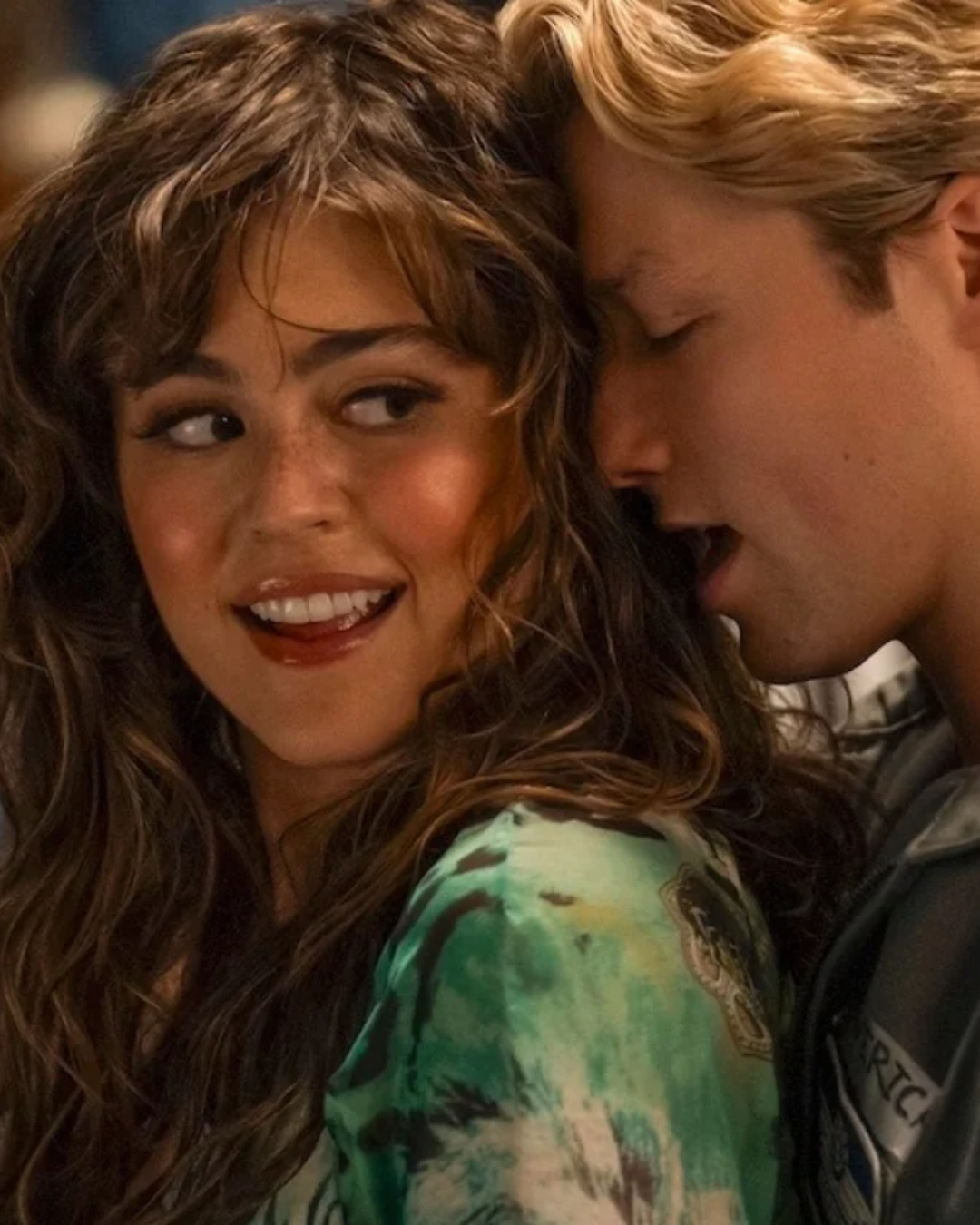
The story of Verity comes to the cinema after years of life off screen. In 2022, Colleen Hoover sold more than 14 million hard copies in the United States; Verity alone surpassed two million. It has been read, hated and discussed. To quote an Italian politician, in short, “good or bad, the important thing is that we talk about it.” Those who went to see it in the first weekend might want to find out how the ending had been adapted, compare the characters or simply understand why everyone was talking about it. We didn't even need to be convinced that it would be a great movie. On the contrary, expectations were rather low, and people often move around the theater even to do hate-watching. Digger, on the other hand, asks for a different form of trust and greater commitment. Iñárritu, Cruise, a huge budget, an original and ambitious project. Things that continue to weigh when we decide if a film interests us. Less, perhaps, when we have to decide how much effort we want to put in to see it.
Streaming has changed our relationship with cinema
This is where streaming has changed our relationship with cinema more profoundly than the usual discussion about the 'death of theaters'. The films are no less interesting, on the contrary, the cinephile passion is growing. The focus must be shifted to waiting times. We are now used to the idea that almost everything, sooner or later, will arrive at our house, even quickly. The distribution windows change depending on the film and studio, but the perception is that missing a theatrical release does not mean losing the chance to see the work. It's about delaying it a bit. And when the entertainment available is practically endless, you don't notice any disadvantages.
The economic side and the meaning of the box office today
Even going to the movies, then, has become a more demanding activity to organize. In a Fandango survey conducted in 2026, 92% of the interviewees said they preferred to go out in company. It is a sample made up of people who already attend the cinema, so it does not tell the entire population, but it gives a good idea that choosing a film increasingly involves organization and, above all, a commitment and economic investment. The cinemas are more frequented by the youngest, the same people who have the least purchasing power. For this reason, it is not enough to even have a famous intellectual property. Familiarity helps, but it doesn't automatically generate interest and it doesn't necessarily make us want to take out our wallet. The box office, therefore, is less and less useful in determining the value of a film. Digger's 8 million do not clearly prove that Iñárritu has lost artistic value, just as Verity's 32 million do not certify his cinematographic superiority. They say something concrete about our shopping habits and the mental space we feel we have available for free time. An evening of thriller, popcorn and fun is more tempting to us than another spent together with a slower and more thoughtful film.
The movie experience as a blind date
Prestige, quality, success and cultural relevance have never been perfectly matched, but for a long time Hollywood could count on at least some of these elements dragging on each other. A great star and a great director could transform a film into a rewarding date. Now, it's more of a blind date.
What to read next

The middle school years are difficult and 'Dear Cruel World' knows it well
The film premiered at the Rome Film Fest and will arrive in theatres from October 22

Love of your life, a guide on how to learn to (re) love yourself
The protagonist is Margaret Qualley and the film is available on Prime Video