











Italian cinema has not yet learned not to be melodramatic, especially when it comes to women And 'The Spiral' is the proof, unfortunately
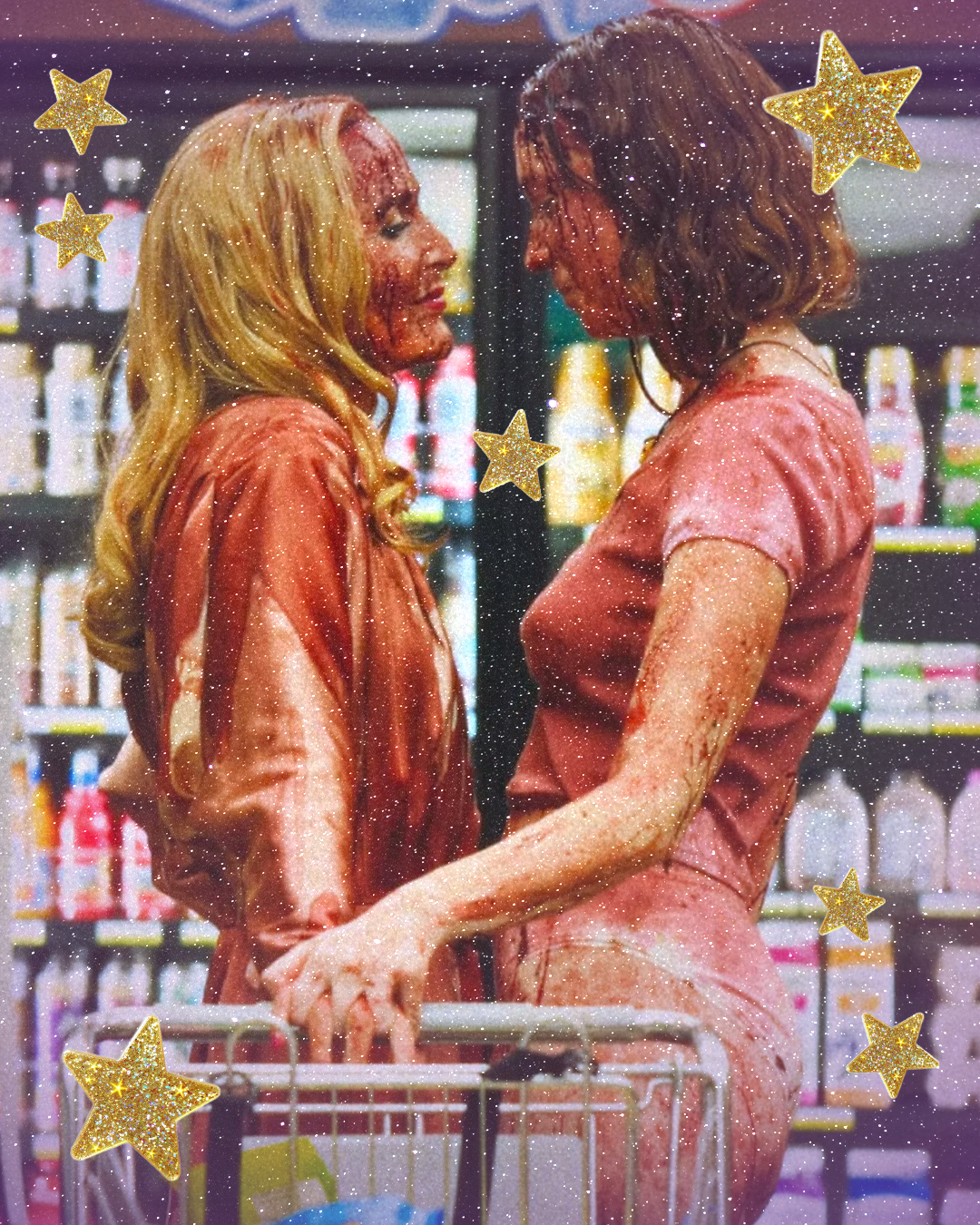
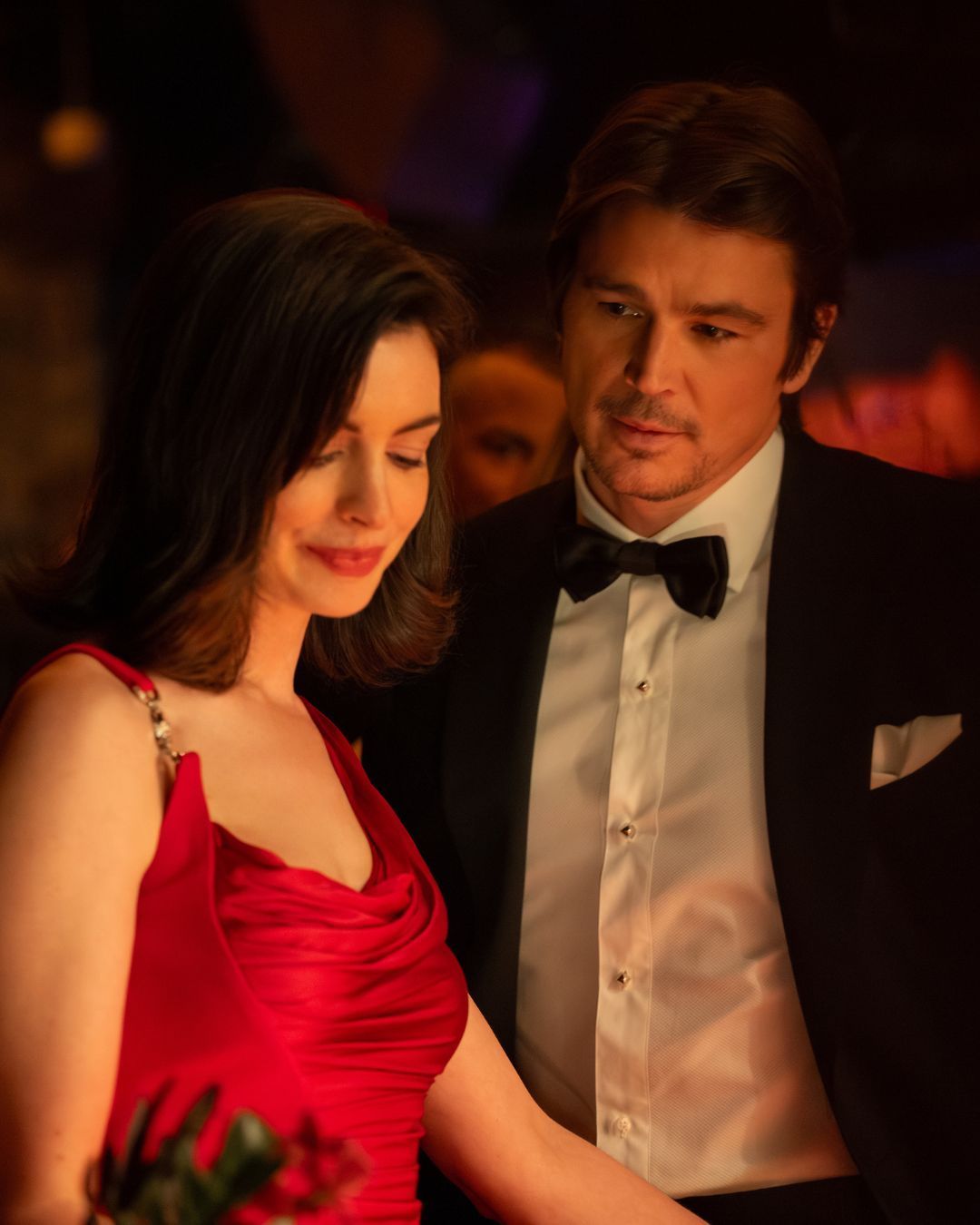
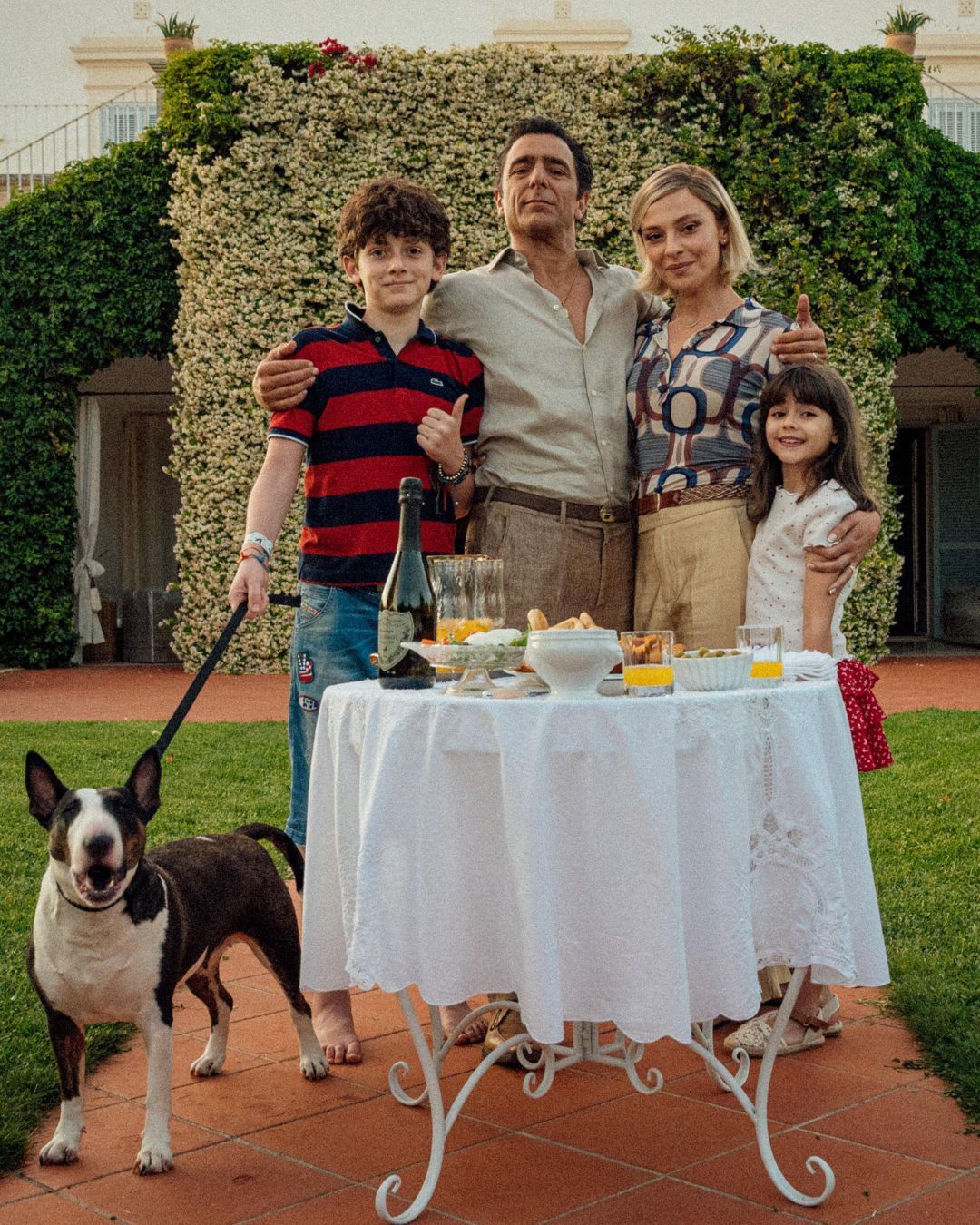
A familiar horror. This is how I would define The Spiral, a film by Paolo Strippoli (who also wrote the screenplay together with Salvatore De Chirico) with Jasmine Trinca, Romana Maggiora Vergano, Adriano Giannini and Valeria Bruni Tedeschi. A dramatic family horror, which would also like to be tense and scary, and which unfolds and rolls up all around a fundamental relationship: that between the mother (Trinca) and her daughter (Vergano), who are the central nucleus of a film that, despite good intuitions, remains weak. And it's a real shame.
The relationship between mother and daughter is at the center of The Spiral, a film by Paolo Strippoli now in theaters
Mother and daughter, we were saying. The two of them have a great time. For years, they shared an apparently common dream: that of the cinematographic fame that their mother could not achieve and that she is now trying to build for her daughter. Dream interrupted by a series of bad events, which will lead first the individual members and consequently the whole family to ruin.
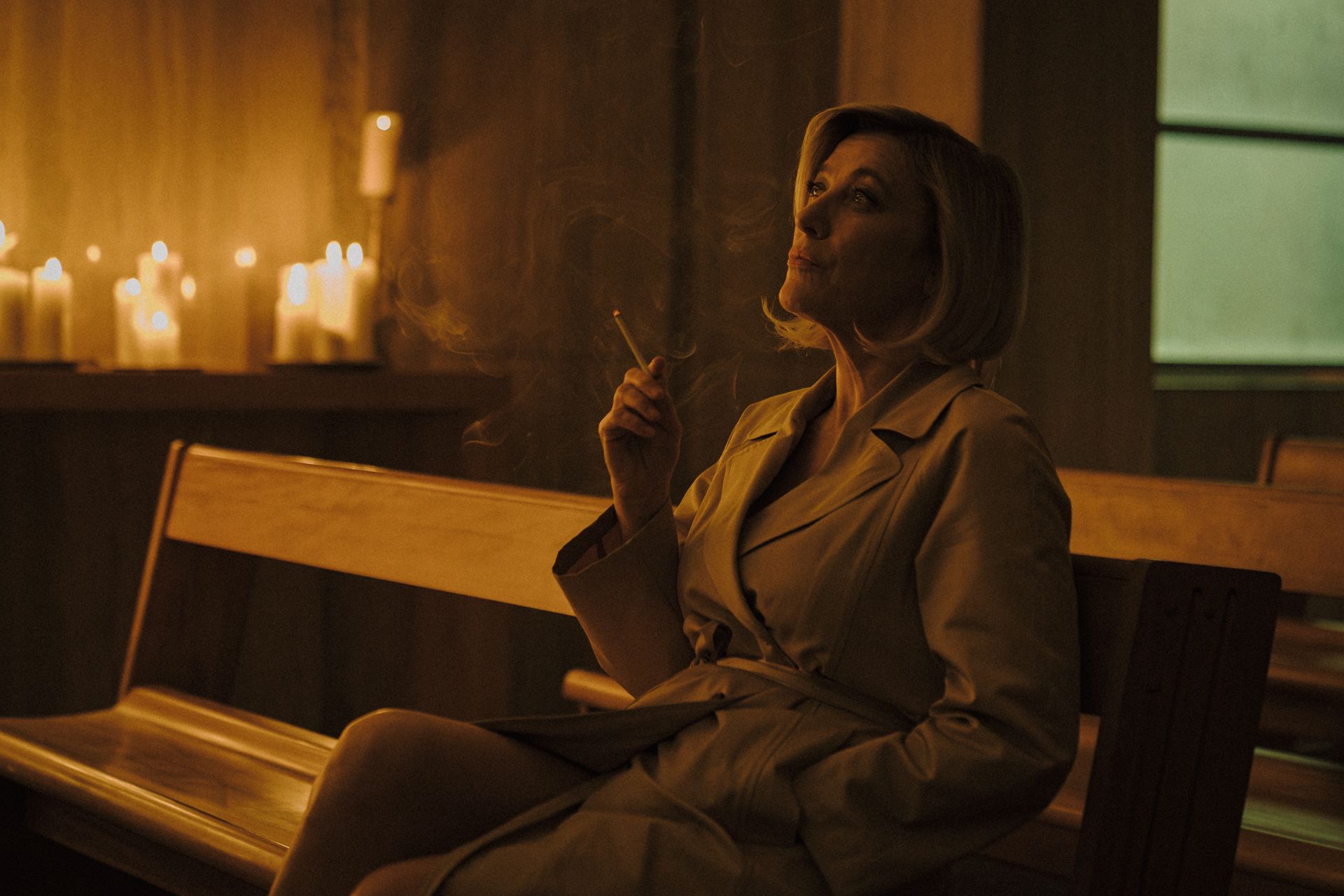
The stranger in the title is a Valeria Bruni Tedeschi who is always in shape
These bad events are marked by the appearance of the title's stranger, an exceptional Valeria Bruni Tedeschi, the only fully enjoyable part of the film. A sinister presence, always in the front row during the darkest moments, which will activate a chain of increasingly serious misfortunes, up to the inevitable (and predictable) precipitate of events. According to the daughter, the stranger does not exist. She is the mother who, accustomed to a life of comfort, whims and vices, does not accept the events of life and, in order to manage them, places herself at the center always and in any case, as a victim and executioner at the same time. From this point of view, and treating the film as a traditional contemporary horror, the stranger could also be interpreted as the dark and dark door of the maternal brain, but also as the way in which she sees her own daughter, sinister and machinative, the worst side of herself, someone - something - to fear.
Too many themes and an international air
In between, so many themes, perhaps too many. The daughter, for example, is queer. She has always liked girls (since before the misfortunes loop, the film is keen to emphasize) and her mother pretends not to see it. Again, there is the issue of the economic crisis that affected small Italian entrepreneurs around the first two thousand, which leads his father to consider suicide. There is male obesity - which is little more than a narrative pretext - there is bullying, fatsophobia and harassment. Everything is there, and yet it remains little more than an enjoyable image, a photograph with an international air and a direction that works. Italian cinema, in fact, is not exactly famous for genre films, and The Stranger could be considered a good attempt at an auteur thriller/horror, in the American style. But there is a but.
Why does Italian cinema still write dialogues like this?
So, what are the problems? First of all, writing, which goes round and round on itself until it stumbles, which is both redundant and lacking at the same time. Secondly, and it is connected, the dialogues. It seems that, especially when dealing with women's issues, the dialogue of Italian cinema must remain relegated to the stylistic features of theater and melodrama. Mother and daughter dance around in a Roman apartment flogged by an increasingly powerful downpour and talk to each other as if they were strangers, yes, but from the last century. There is no naturalness, and the growing volutes of horror arrive weak, carried away by equally weak jokes. The desire to take the Italian genre film to the top out of pride and because it was chosen to represent Italy at the next Oscars, unfortunately, is not enough. Something is wrong, and denying it does everyone a disservice.