Are EGF peptides the new frontier of anti-aging skincare? Will yet another peptide actually work?
In recent years, skincare has been looking more closely at the biological mechanisms that regulate how our skin works. We've already explored epigenetic skincare, PDRN and NAD+, but another ingredient attracting growing attention is EGF peptides. They're showing up in serums and treatments designed to support skin renewal, but what exactly are they and, more importantly, what can they actually do for our skin?
Are EGF peptides the next frontier in anti-ageing skincare?
What are EFG peptides?
EGF stands for epidermal growth factor. It's a protein naturally produced by our bodies that helps support the skin's renewal and repair processes. Put simply, it helps cells multiply and tissues repair themselves, for example after a minor wound. In skincare, a lab-produced version is used, often listed in the INCI as sh-Oligopeptide-1. It's mainly found in treatments for skin showing fine lines, loss of elasticity, uneven texture and signs of photoageing. It's also being studied for its potential role in helping the skin recover after aesthetic procedures such as laser treatments.
Do they actually work?
Good question, and not one with a straightforward answer. To understand whether these peptides really have a place in skincare, we need to look at the available research, which is still too limited to confirm their effectiveness in cosmetic products. Some studies, including one published on our trusted PubMed, have nevertheless reported improvements in skin texture, fine lines and overall facial appearance, although the results were fairly modest. There's one important detail to keep in mind, though: the products analysed contained several growth factors, not just EGF. So it's impossible to tell whether the improvements were actually due to EGF or to the combination of all these ingredients. On social media, meanwhile, there's seemingly no doubt: plenty of users have tried it and recommend it as a gentler alternative to retinol, with less risk of irritation. Ultimately, as always, the verdict depends on how our own skin responds.
How to add them to your skincare routine
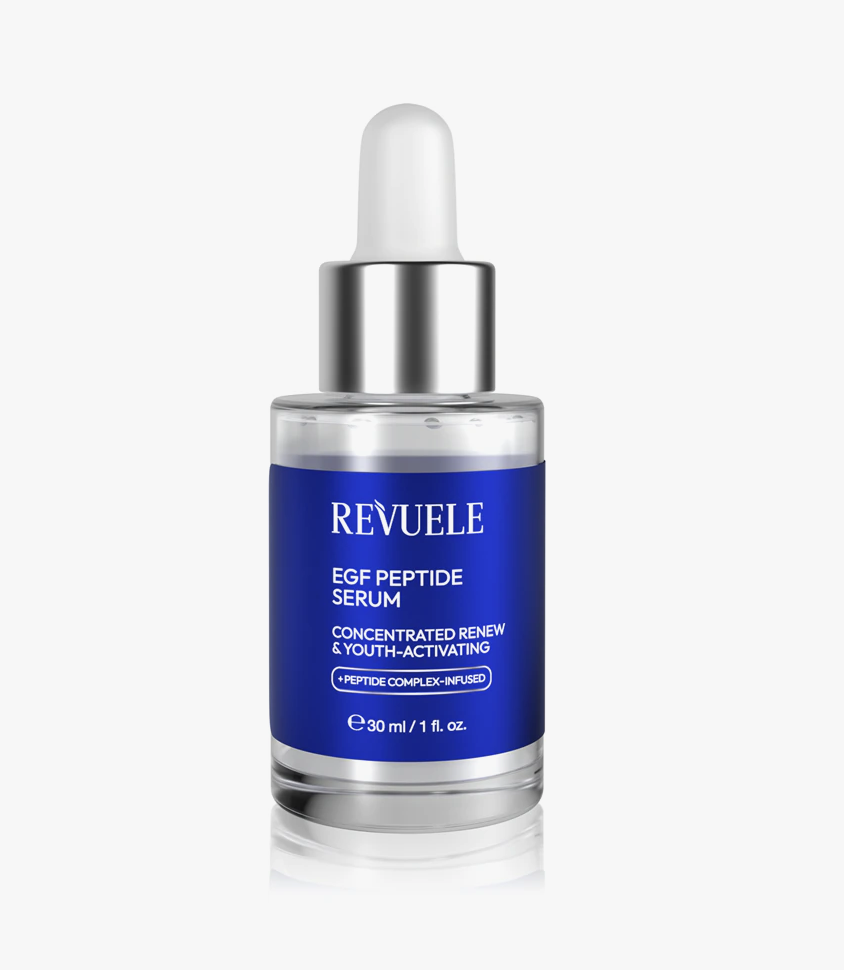
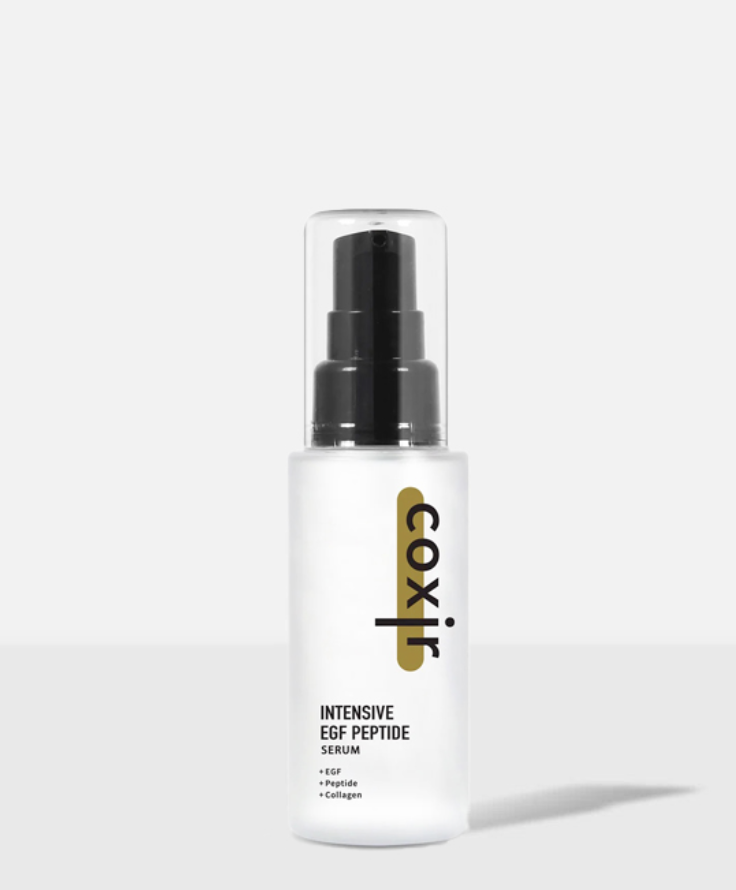
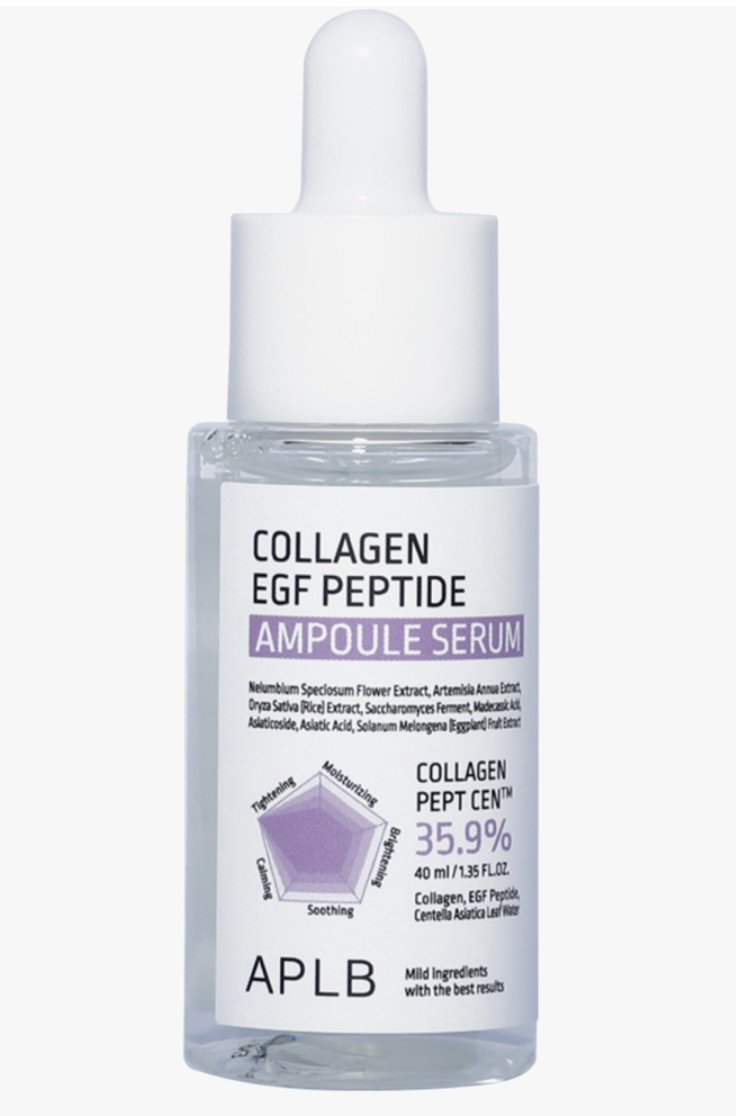
EGF products are mainly available as serums or toners. They should be applied to clean skin, before moisturiser. They're easy to incorporate into an existing routine without having to change or replace other products. In fact, they can also be used alongside ingredients such as retinol, vitamin C and exfoliating acids.
What to read next

The triumphant return of lipstick
Maximalism takes centre stage in make-up, one lip at a time
5 active ingredients to discover
What they do and why they might (perhaps) deserve a spot in our skincare routine