

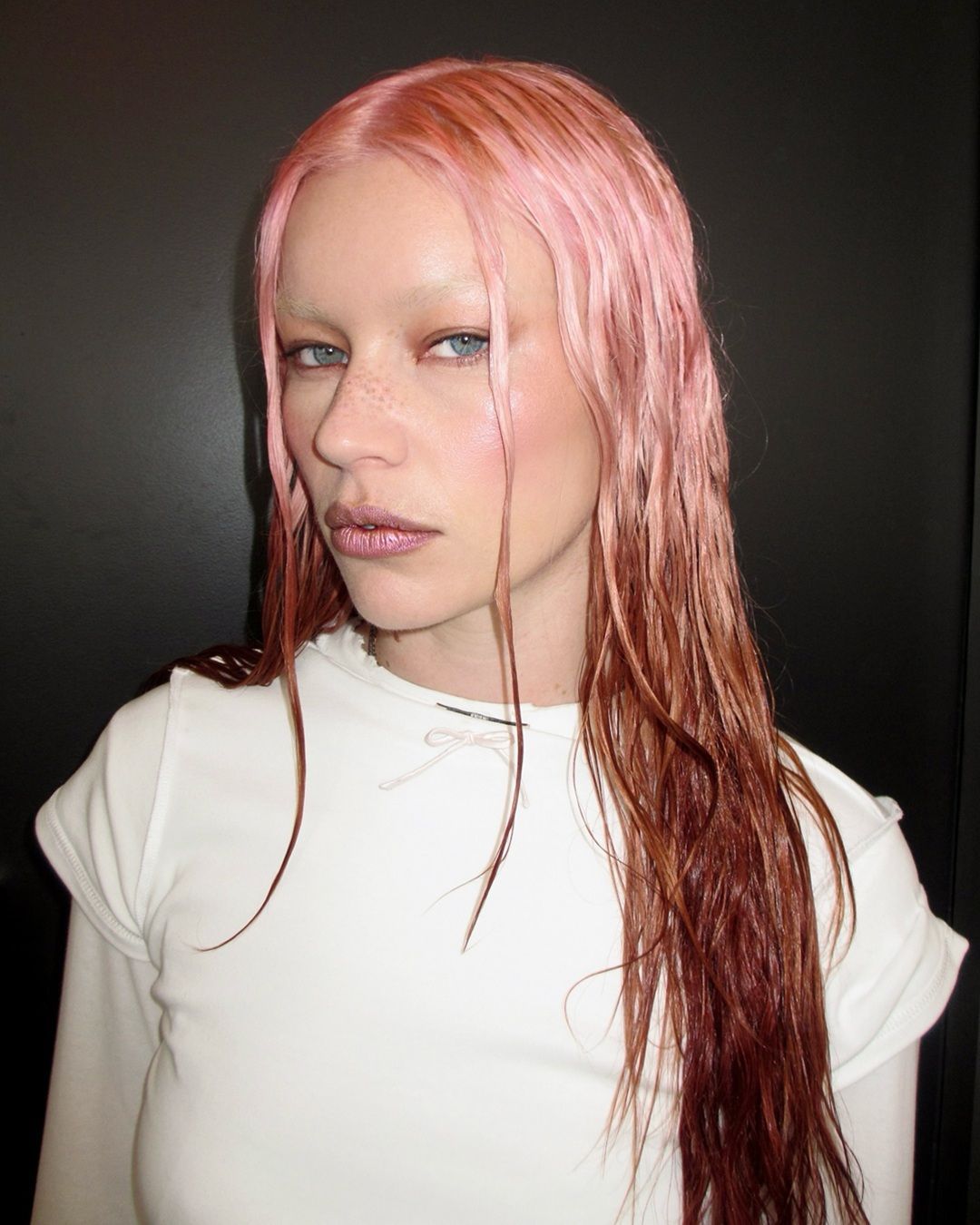
We all want pink hair (again) From punk to Tumblr, pink is reinventing itself amid Y2K nostalgia, experimentation, and the desire to stand out
Between expensive brunettes, ghost blonde and hair so shiny it looks sponsored by a filter, pink is shaking up a beauty ideal that has turned discretion into a kind of dress code. Pastel pink, fuchsia, bubblegum pink, magenta, candy pink or anything that resembles a pack of chewing gum, this new craving for color has no intention of going unnoticed. Yet pink, with its sugary reputation, is a little deceptive. It brings to mind dolls, candy and romance, but it also has a punk, pop and decidedly uncompromising track record, populated by girls who have no intention of behaving themselves and anyone who would rather try an unlikely shade than spend another season wearing pretentious hazelnut beige. But don’t panic. You don’t have to shave your head or move to Berlin to shake up your look. Sometimes all it takes is a pink streak above your ears to challenge the whole “natural at all costs” philosophy. A fairly simple form of sabotage, especially compared with the emotional cost of getting the wrong fringe.
From Kate Moss to Adéla, pink hair is never just pink hair
The history of pink hair runs through subcultures, fashion and pop culture, changing meaning without ever losing its taste for excess. In the Eighties and Nineties, the color moved between punk and alternative aesthetics; in 1999, Juergen Teller photographed Kate Moss with pink hair for Versace, turning an artificial shade into an image of effortless cool. In 2006, Sofia Coppola brought the sugary pink of Marie Antoinette into a world of wigs, pastries and aristocratic whims. Then came Rihanna with her bubblegum pixie cut, Lady Gaga, Katy Perry and Kylie Jenner, who made pastel pink hair a Tumblr uniform during her King Kylie era, somewhere between soft grunge and digital nostalgia. The color keeps changing, but remains instantly recognizable. Today, we see it on Adéla, FKA twigs, Zara Larsson, Naomi Scott, Ice Spice and Megan Thee Stallion, as well as Rhian Teasdale of Wet Leg, and on the runway, including Isabel Marant’s SS27 collection. There is no single version to copy: pink can mean a pixie cut, long hair, a fringe, a hidden streak or a shade that shifts in the light.
Pink isn’t a color, it’s a mood
This versatility also explains why pink is making a comeback just as beauty seems ready to move away from the “you shouldn’t be able to tell I made an effort” approach. After the clean girl aesthetic, minimalist skincare and hair that looks naturally perfect, a pink dye feels like a small detour. It doesn’t try to look authentic. Quite the opposite. It is unapologetically artificial and, for that very reason, can feel liberating. Nobody is born with candy pink hair, at least not in most cases. Then there’s the nostalgia factor, taking us back to the Noughties, Tumblr, colorful wigs and pop stars who changed their hair as often as they released a single. But this is more than just a vintage reference. According to Pinterest Predicts 2026, searches for pink hair streaks have increased by 463%, those for dark pink peekaboo hair by 481%, and those for dusty rose hair by 198%. These numbers suggest a desire to experiment without necessarily changing everything. A subtle shade or temporary hair color may be enough to try out a different version of yourself without having to commit to it forever.
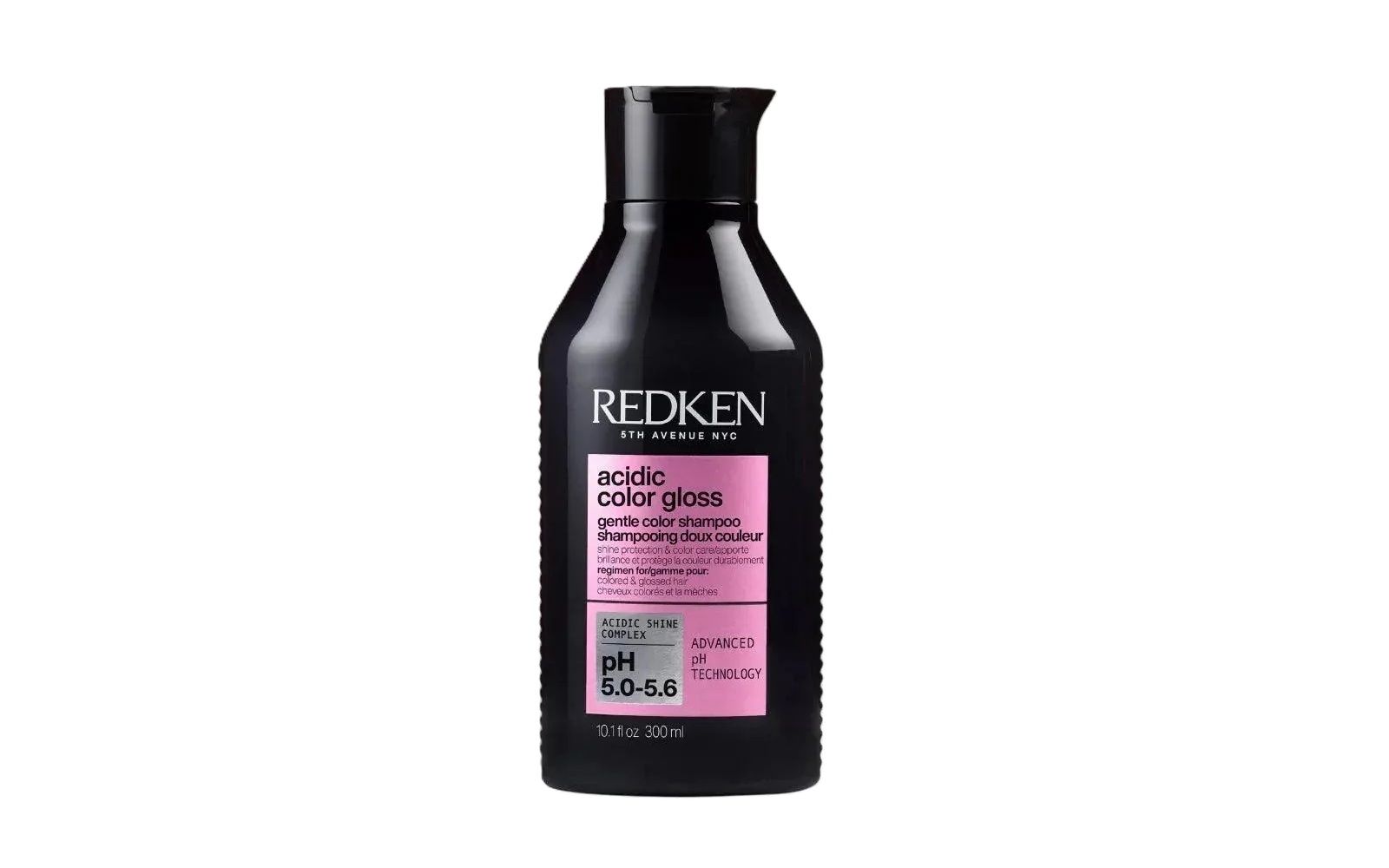
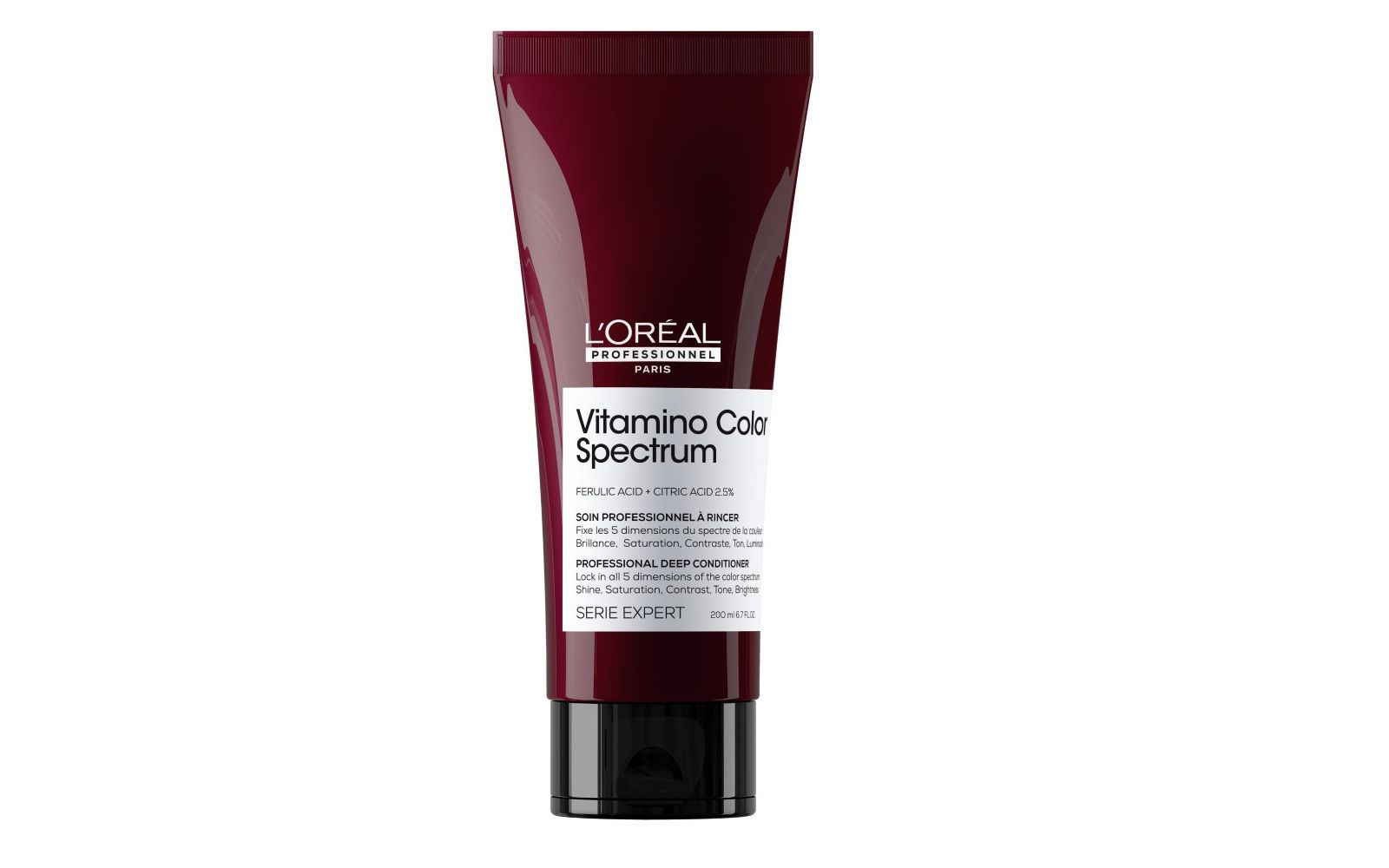
How to go pink-haired without regretting it after three washes: hair masks and hair products
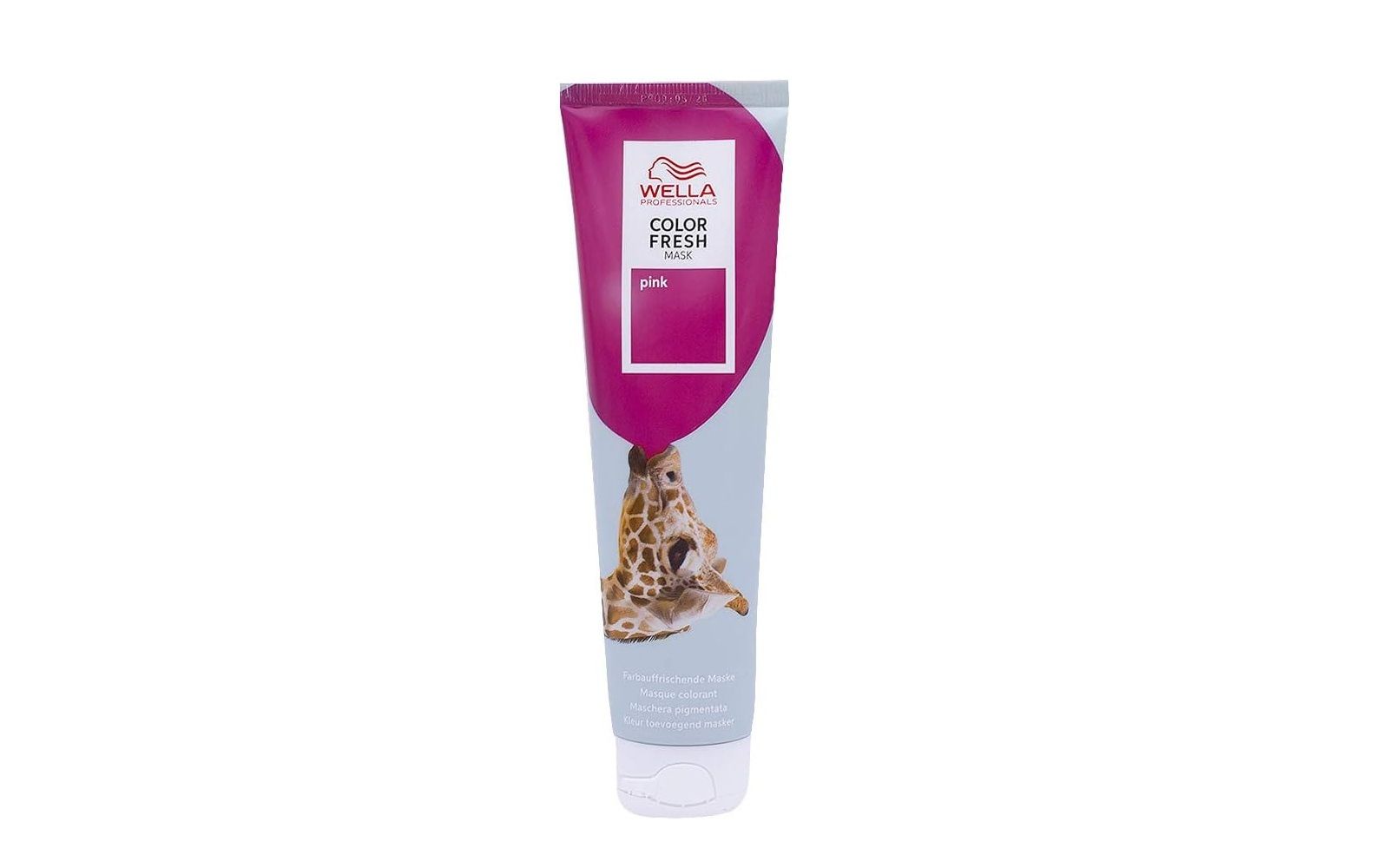
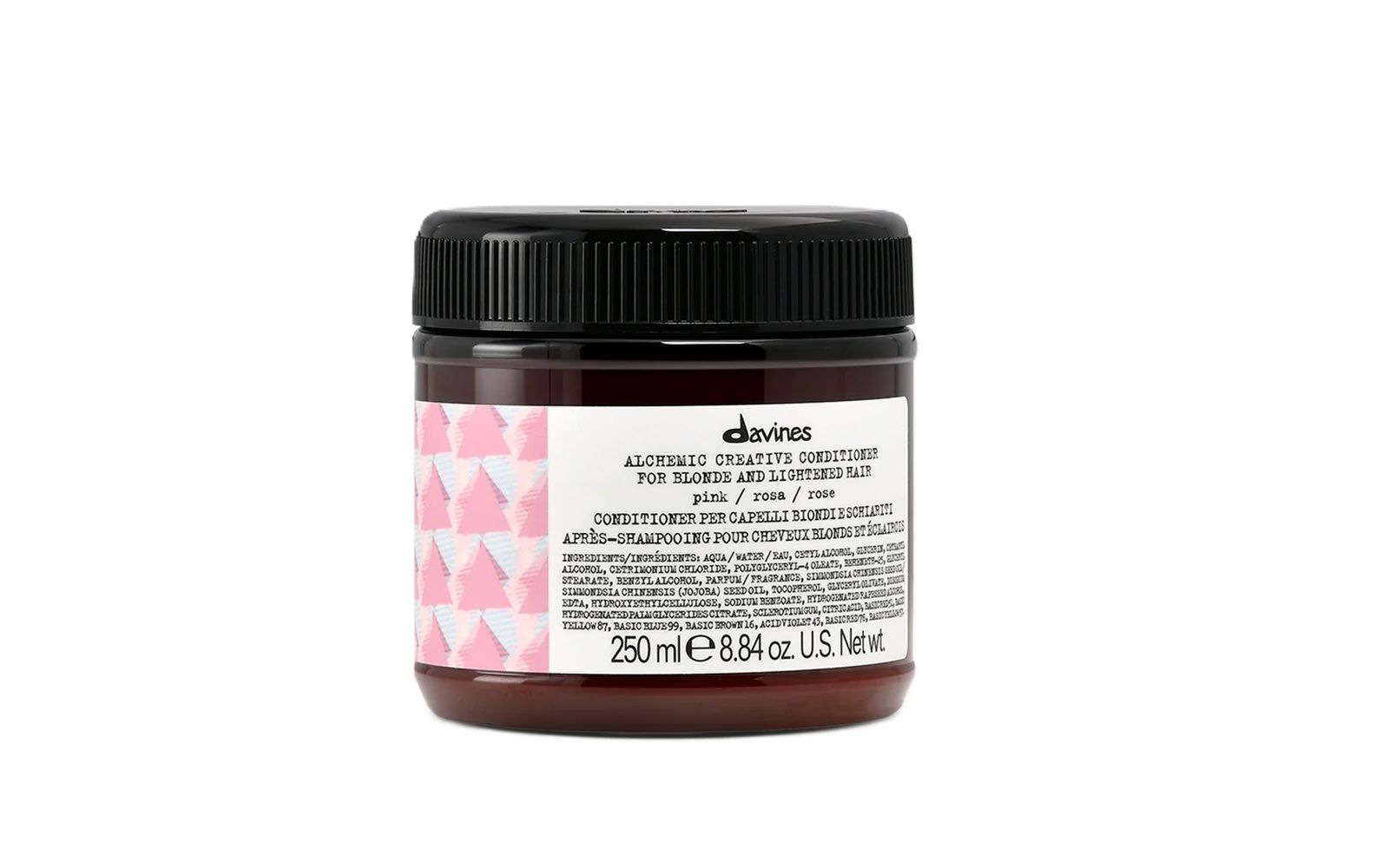
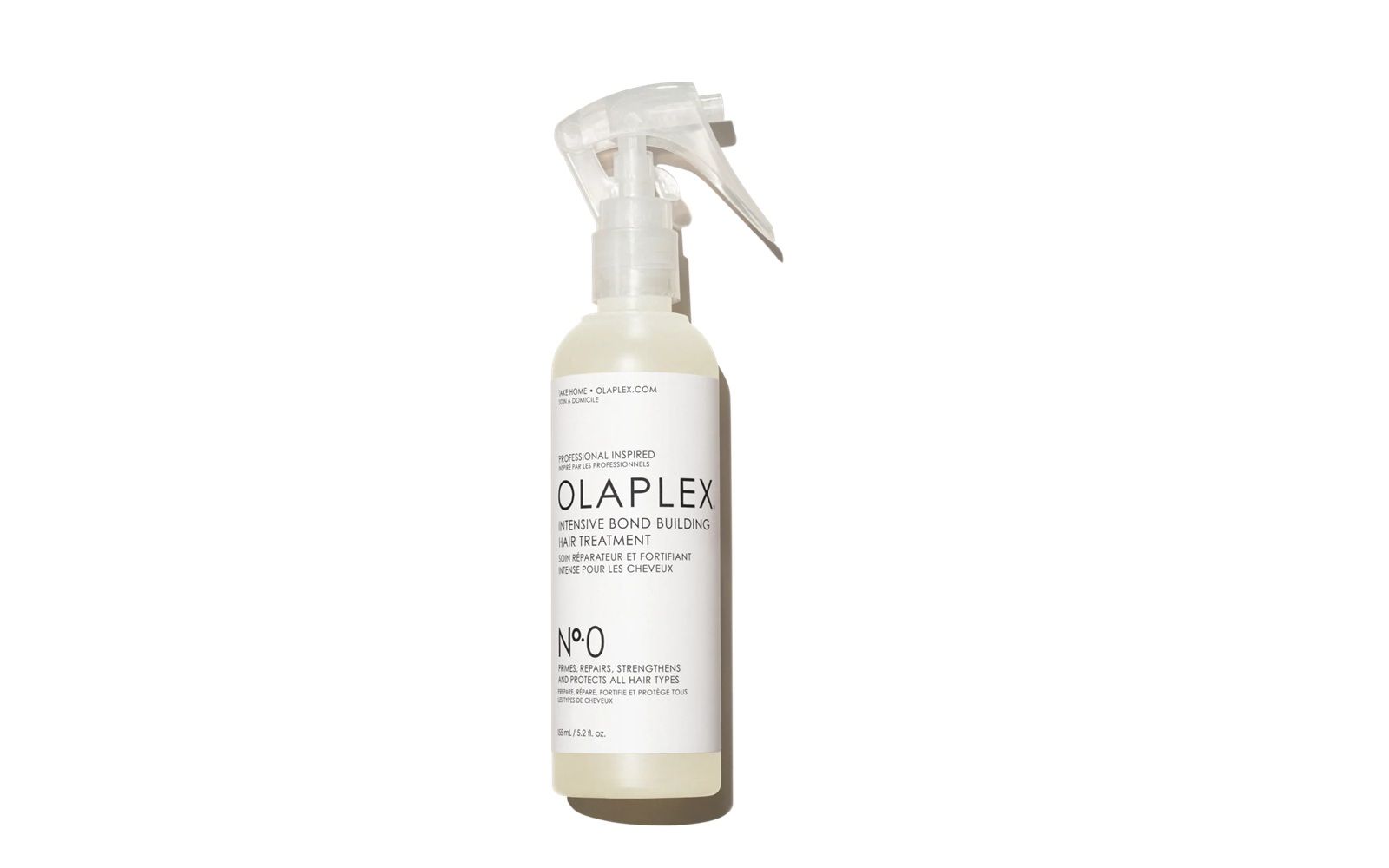
Once you’ve decided to go pink, the first question is where you’re starting from. Pastel pink hair generally requires a very light base, often achieved through bleaching; on brown or dark hair, the result will tend to be more intense, warmer or less even. Fuchsia and magenta are more forgiving, while dusty pink and rose gold hair have a delicate quality and often fade more quickly. If you’re not ready to commit, there are pink money pieces, peekaboo highlights hidden beneath the top layer, dip-dye ends or a pink balayage. Think of it as a color flirtation without having to sign a long-term contract. Semi-permanent hair color, pigmented masks and glosses allow you to experiment and refresh the shade as it starts to fade. Options include Wella Color Fresh Mask, Manic Panic, Bleach London, Arctic Fox, Davines and Maria Nila, depending on your base color, the result you want and the product’s instructions. Pink, however, tends to fade quickly. Colorist Matt Rez, who works with Adéla, refreshes the singer’s pink every five to six weeks or so, avoiding repeated bleaching over the same sections. Pink hair maintenance, therefore, is just as much a part of the project as choosing the shade. It’s best to use a sulfate-free shampoo formulated for color-treated hair, wash less frequently, opt for lukewarm water and limit heat styling. Conditioners, masks and bond-repair treatments, such as those from Olaplex or epres, can help keep the hair fiber in better condition, especially after bleaching. Pink can be fun, but damaged hair is not a fashion accessory. And if you’re after a specific shade, going to a professional hair colorist is definitely less adventurous than attempting a DIY dye job at eleven o’clock at night.
What to read next

Beauty trends for the fall winter 2026 are soooo cool
nss g-club and Sephora help you navigate this season’s beauty landscape