


The artificial side of perfumery From ambroxan to aldehydes
When we think about perfume, our minds usually go straight to flowers, fruits, woods and exotic ingredients gathered from some far-flung corner of the world. But not everything that ends up in a bottle comes directly from nature. In fact, some of the most interesting and widely used notes in perfumery are created in a laboratory. This is where synthetic molecules come in. Here are the ones worth knowing.
Artificial notes in perfumery: what ambroxan and aldehydes are
Ambroxan
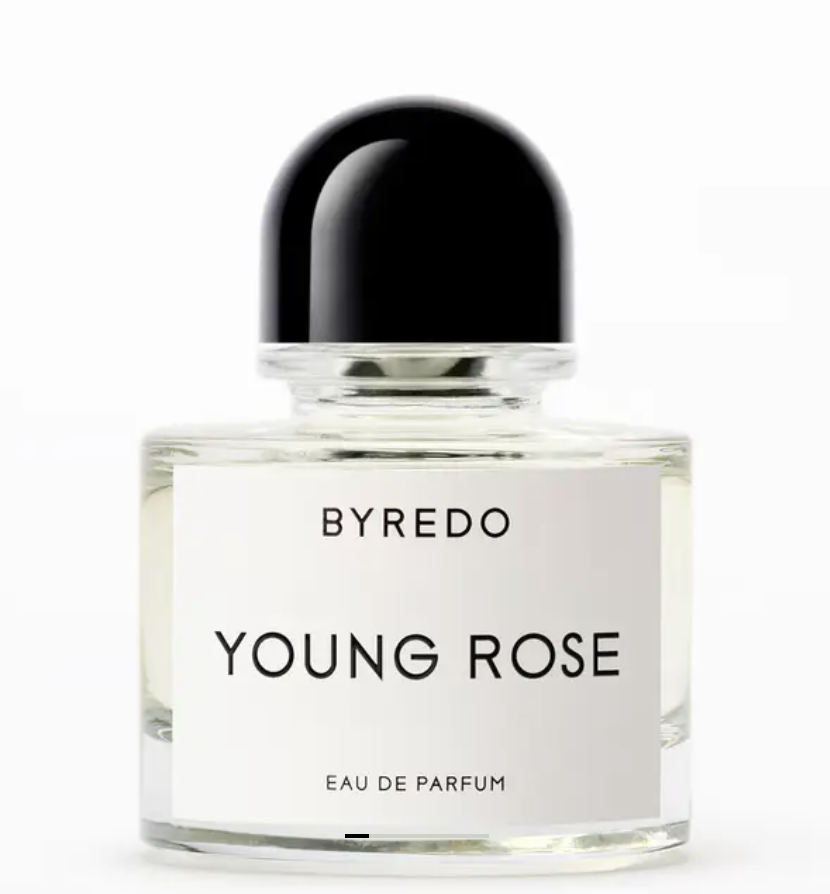
You know skin scents? Well, one of the molecules most commonly used in these fragrances is Ambroxan. It's a synthetic substance inspired by ambergris, an ingredient of animal origin that was highly prized in perfumery for centuries, but also rare and difficult to source. Ambergris forms in the digestive system of sperm whales, where the indigestible beaks of squid can become coated in a waxy substance produced by the animal. Over time, this material accumulates and is eventually expelled by the whale. Once in the sea, it can spend years exposed to water, air and sunlight, developing a warm, salty, slightly marine scent. In the past, it was collected from beaches and used by perfumers. Today, to avoid all that trouble, synthetic alternatives such as Ambroxan are used instead. It can also be produced from sclareol, a substance found in clary sage. Its scent has ambery, woody and slightly mineral nuances, with a salty quality that recalls skin warmed by the sun.
Aldehydes
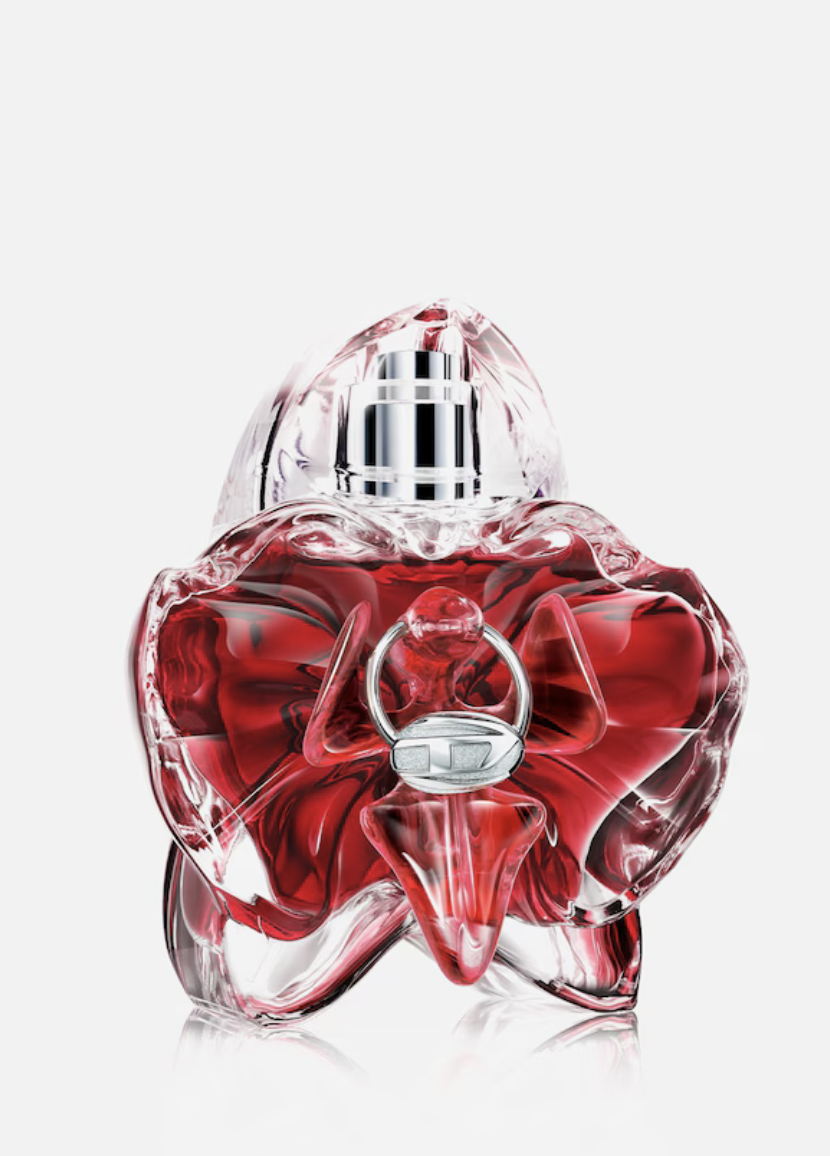
Aldehydes are one of the most interesting families of molecules in perfumery. They can create a remarkably wide range of olfactory effects: depending on the molecule, they can evoke citrus fruits, soap, wax or metal, moving from familiar smells to much more unusual ones. In perfumery, they're mainly used to give fragrances brightness and an almost sparkling quality. They don't simply add another note; they can also change the way we perceive the notes they're paired with, making a floral bouquet feel brighter and fresher, for example, or giving a composition a metallic edge that feels almost cold and artificial. Their defining moment in perfume history came with Chanel N°5, created by perfumer Ernest Beaux in 1921. Here, aldehydes help create that soapy, almost abstract opening, impossible to pin down to a single natural ingredient.
Iso E Super
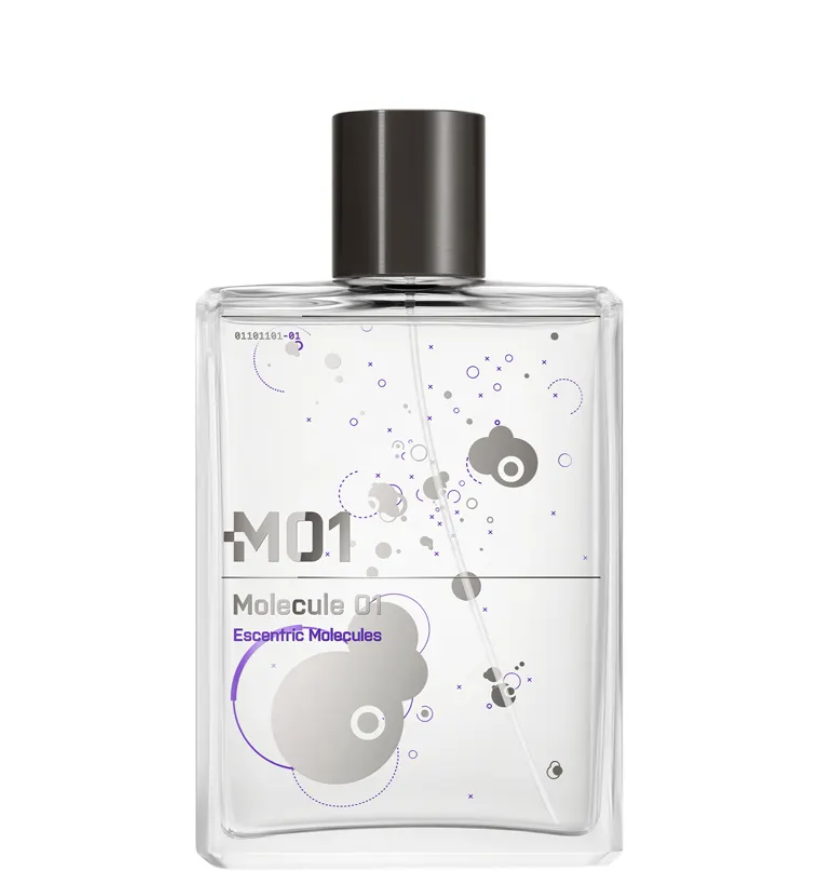
Iso E Super is a synthetic molecule developed by IFF in the 1970s. Its scent is woody, reminiscent of cedarwood with a warm, ambery undertone, but its real peculiarity lies elsewhere: not everyone perceives it in the same way. Some people barely notice it, while others pick it up immediately. You might also smell it at first, then stop noticing it, only to detect it again a little later. That's because our sense of smell quickly becomes accustomed to its scent, making it seem to come and go throughout the day. It's used to give fragrances a soft, enveloping quality without making them too heavy. The best-known example is Molecule 01 by Escentric Molecules, which puts this single molecule at the very centre of the fragrance.
Cashmeran
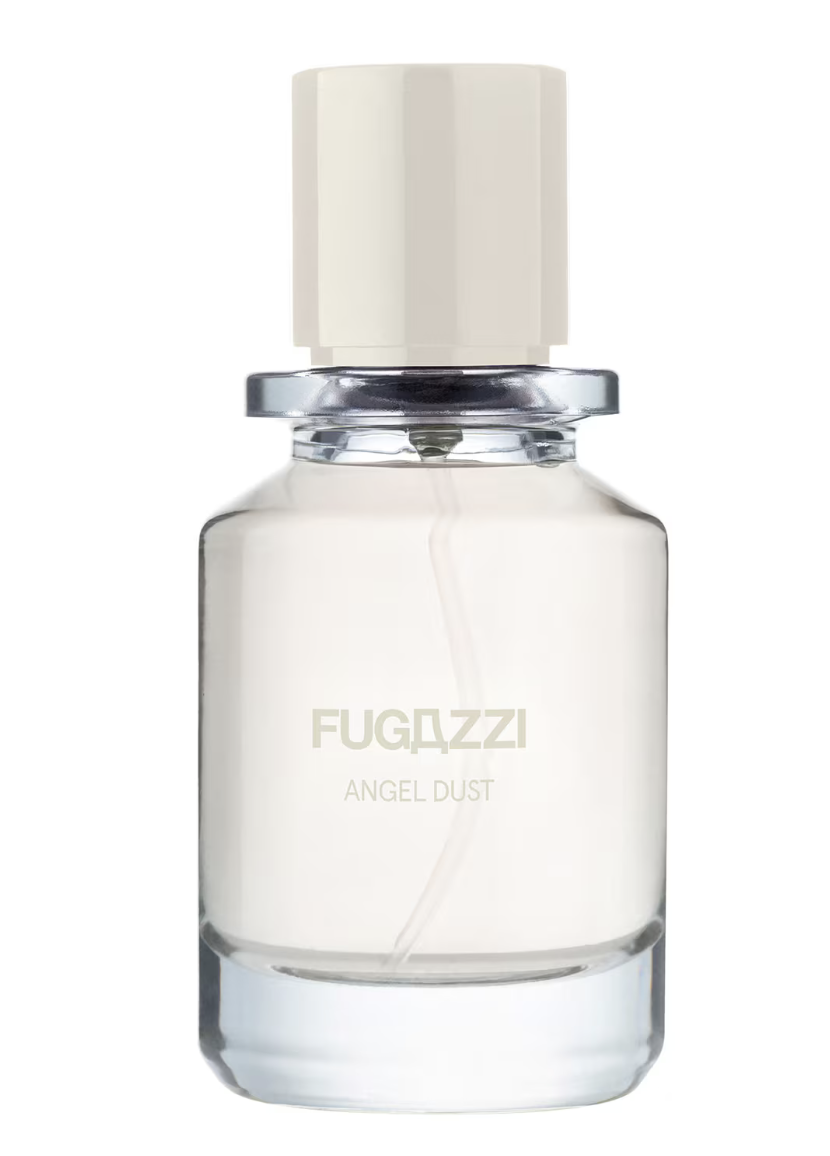
Cashmeran is another synthetic molecule developed by IFF in the 1970s. It isn't, of course, an ingredient derived from cashmere. The name refers to the sensation it is designed to evoke: it's used to give fragrances an almost tactile quality, like a warm fabric that feels soft against the skin. In a fragrance, it can make a floral accord warmer and more enveloping, or bring out the softness of a woody or spicy composition.
Synthetic musks
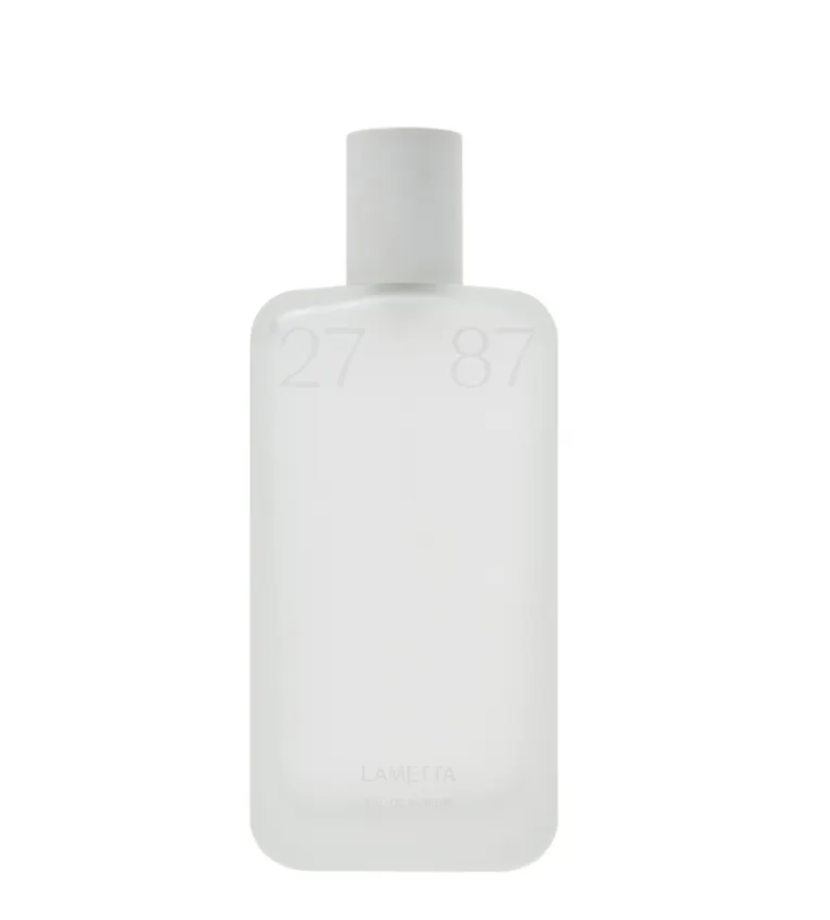
Synthetic musks are something of an all-rounder in perfumery. In the past, musk was obtained from a gland of the musk deer, an animal native to the mountainous regions of Asia. Its scent was intense, animalic and highly persistent. Today, however, the musk used in perfumery is (fortunately) almost always produced in a laboratory. There's no single scent profile for synthetic musk: some versions recall freshly washed laundry, cotton and clean skin, while others are more creamy, powdery or warm. They're used to make a fragrance softer and more enveloping, but above all to increase its longevity.
What to read next

The unconventional fragrances to wear this winter
Why limit ourselves to gourmands and spices?