Frizzy hair in winter: why it happens and how to combat it Everything you need to know to survive the bad hair season without losing your mind
I work sitting on the sofa, with my laptop on my legs and a 40-kilo Labrador curled up on one thigh. As I write, I stroke her with one hand. My fingers sink into her thick, soft, blonde fur. Basically, a cloud. Then I look at my hair, and the comparison is merciless. It’s long, dry, frizzy and, thanks to the “healthy” humidity of the Po Valley, puffy and full of static. In summer, we blame humidity, sweat and dips in the sea; in winter, however, the sabotage is more sophisticated. Outside, it’s raining, inside the radiators are working overtime, hats and scarves rub against our lengths, and our hair seems to develop a personality of its own. It’s not just an aesthetic issue, but a response of the hair fiber to environmental, mechanical and structural factors. Cold weather isn’t necessarily the main culprit. It’s mainly dry air, temperature fluctuations, humidity, friction and frequent styling that turn our hair into a minor existential crisis.
What frizz really is and why it gets worse in winter for curly hair
Frizz isn’t divine punishment for anyone who skipped their hair appointment, but a reaction of the hair’s structure to its surroundings. The surface of each strand is covered by the cuticle, a layer of tiny overlapping scales that, when compact and regular, help keep hair smooth, shiny and easier to comb. When these scales lift or become damaged, the surface turns rough and the hair loses its uniformity. Hair is also hygroscopic, meaning it absorbs moisture from the air. When moisture penetrates the fiber, it can temporarily alter its shape and compromise the definition of a hairstyle. This is humidity-induced frizz, particularly noticeable in curly, wavy, porous or chemically treated hair. Basically, all it takes is stepping outside for the weather to undo everything we’ve achieved in front of the mirror. Then there’s static electricity, responsible for hair that stands on end and clings to our clothes. Dry air in heated indoor spaces and friction from hats, scarves and sweaters encourage the buildup of electrical charges. Frizz and static aren’t the same thing, but in winter they seem to have a collaboration agreement. Bleaching, chemical treatments, frequent use of hair dryers and straighteners can make the fiber even more fragile. The result is hair that doesn’t necessarily need to be tamed, but at least deserves not to be sabotaged any further.
The winter anti-frizz haircare routine: shampoo and other products to consider
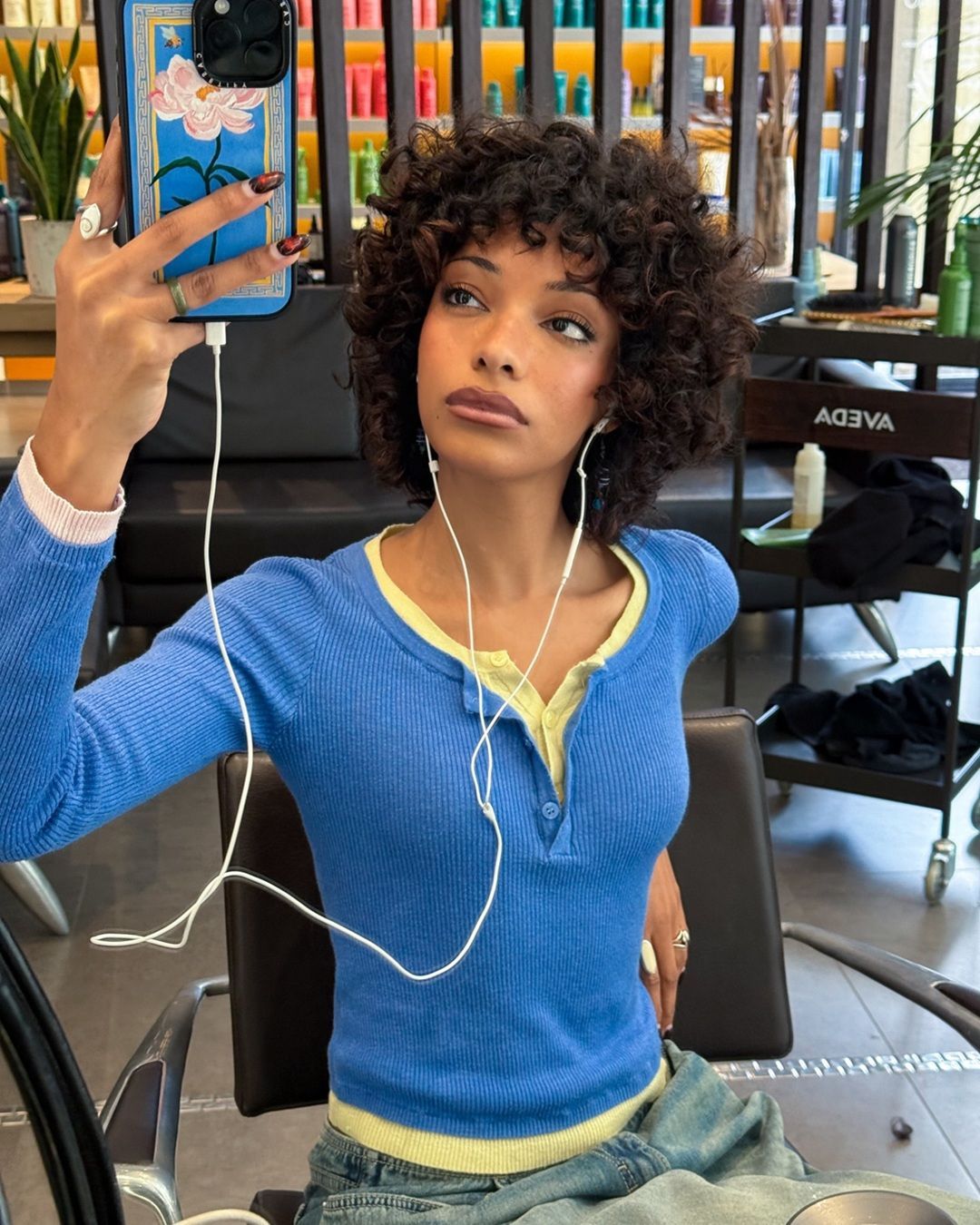
The first rule of a winter haircare routine is to stop treating your hair like laundry that needs wringing out. Start with a gentle shampoo, a conditioner that detangles without drama and a hydrating and nourishing hair mask at least once a week, especially if your lengths are dry or chemically treated. After washing, no aggressive towel rubbing. It’s better to gently blot your hair with a microfiber towel and apply a leave-in conditioner or anti-frizz serum, valuable allies for making your hair softer and more manageable. Heat protectant should be applied before using a hair dryer or straightener, ideally at moderate temperatures. For curly hair, a diffuser is a smart compromise, helping define curls without forcing every spiral to pursue a career as straight hair. Hats and scarves, however, can also become accomplices, especially when they increase friction. And what about the nighttime routine? Soft fabrics, a silk or satin pillowcase and a few drops of serum on the ends can help reduce friction and static. Finally, let’s try not to brush our hair every five minutes in an attempt to bring it back under control. Sometimes, the most effective beauty move is simply leaving it alone.
The anti-frizz products to add to your wishlist
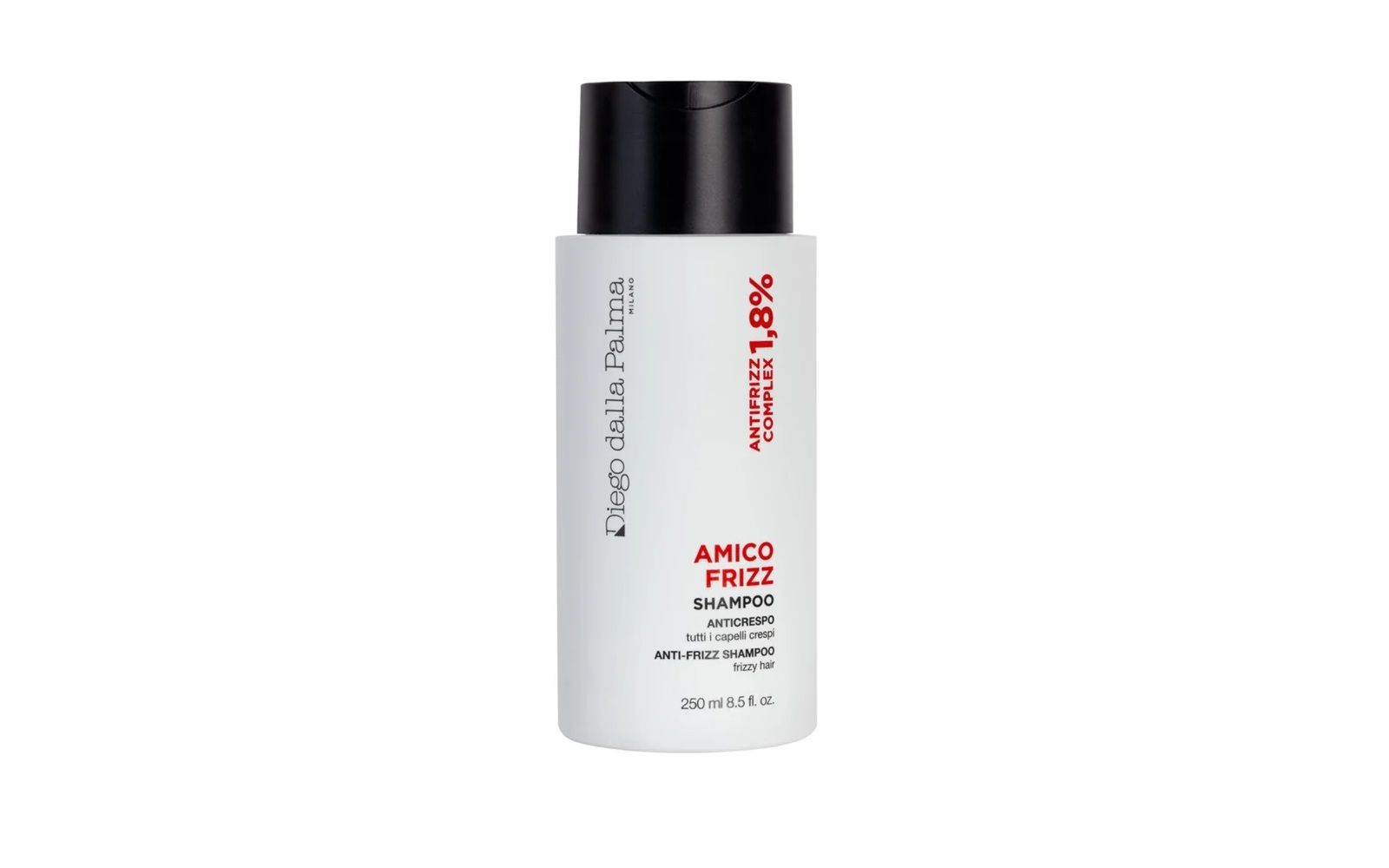
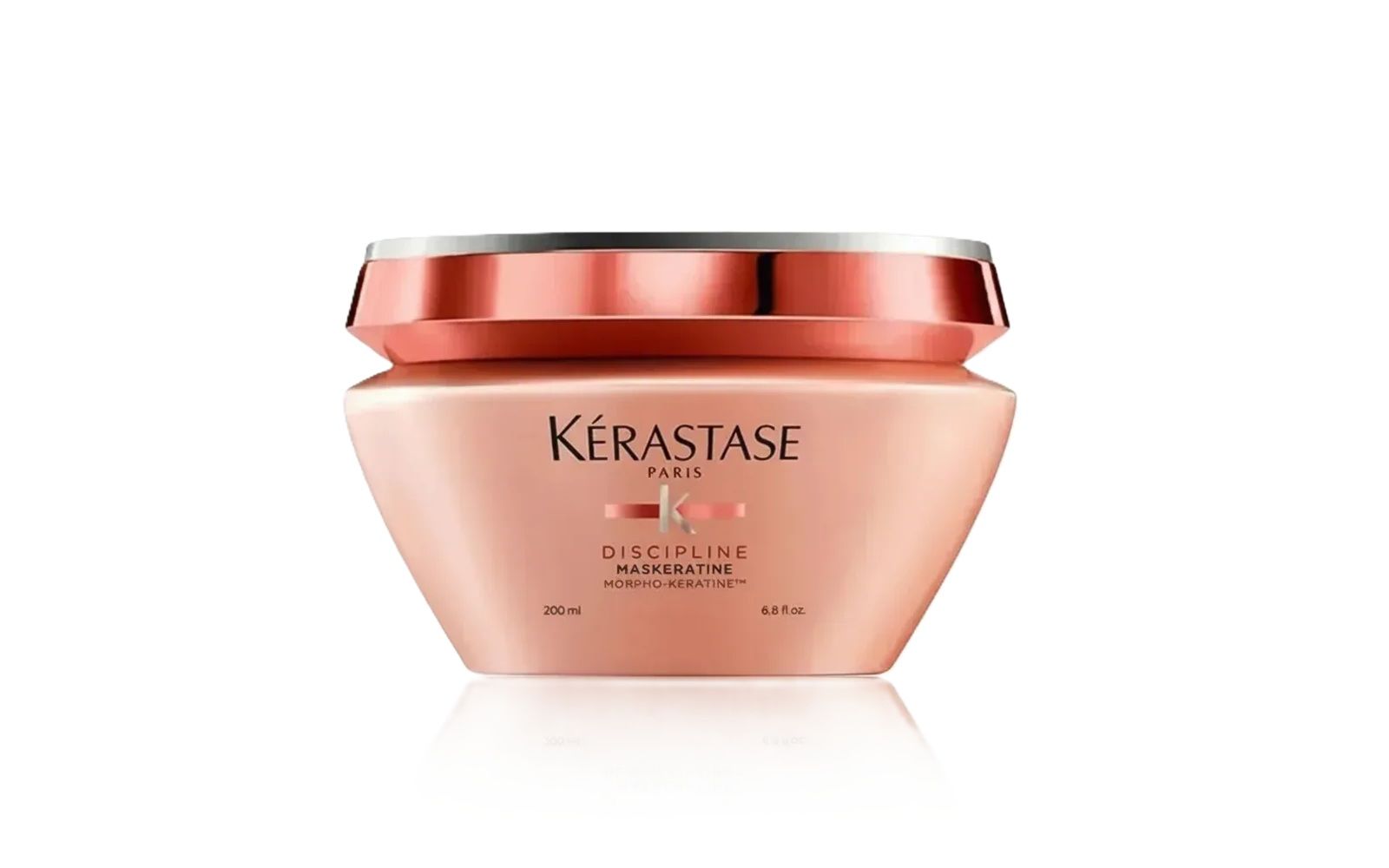
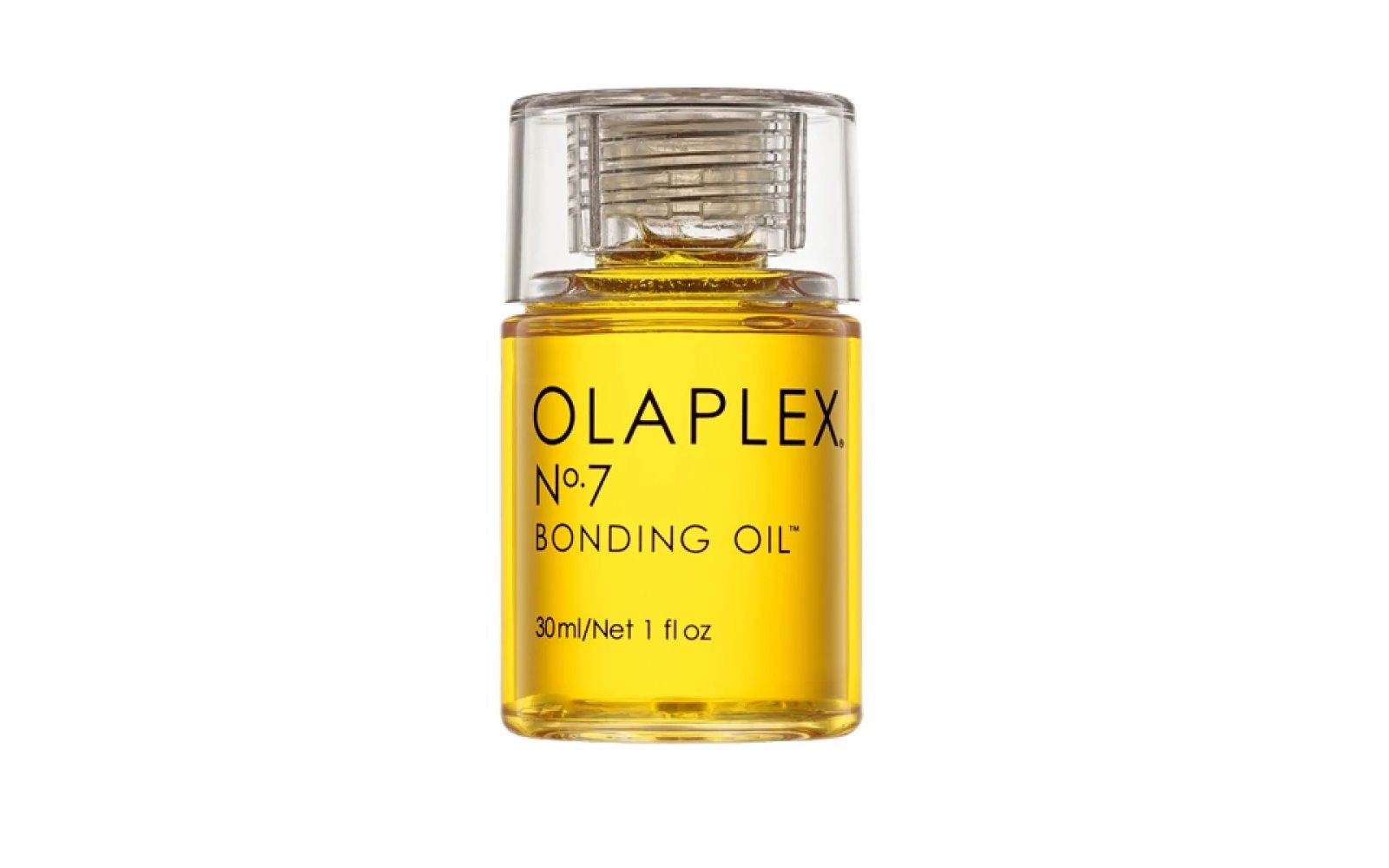
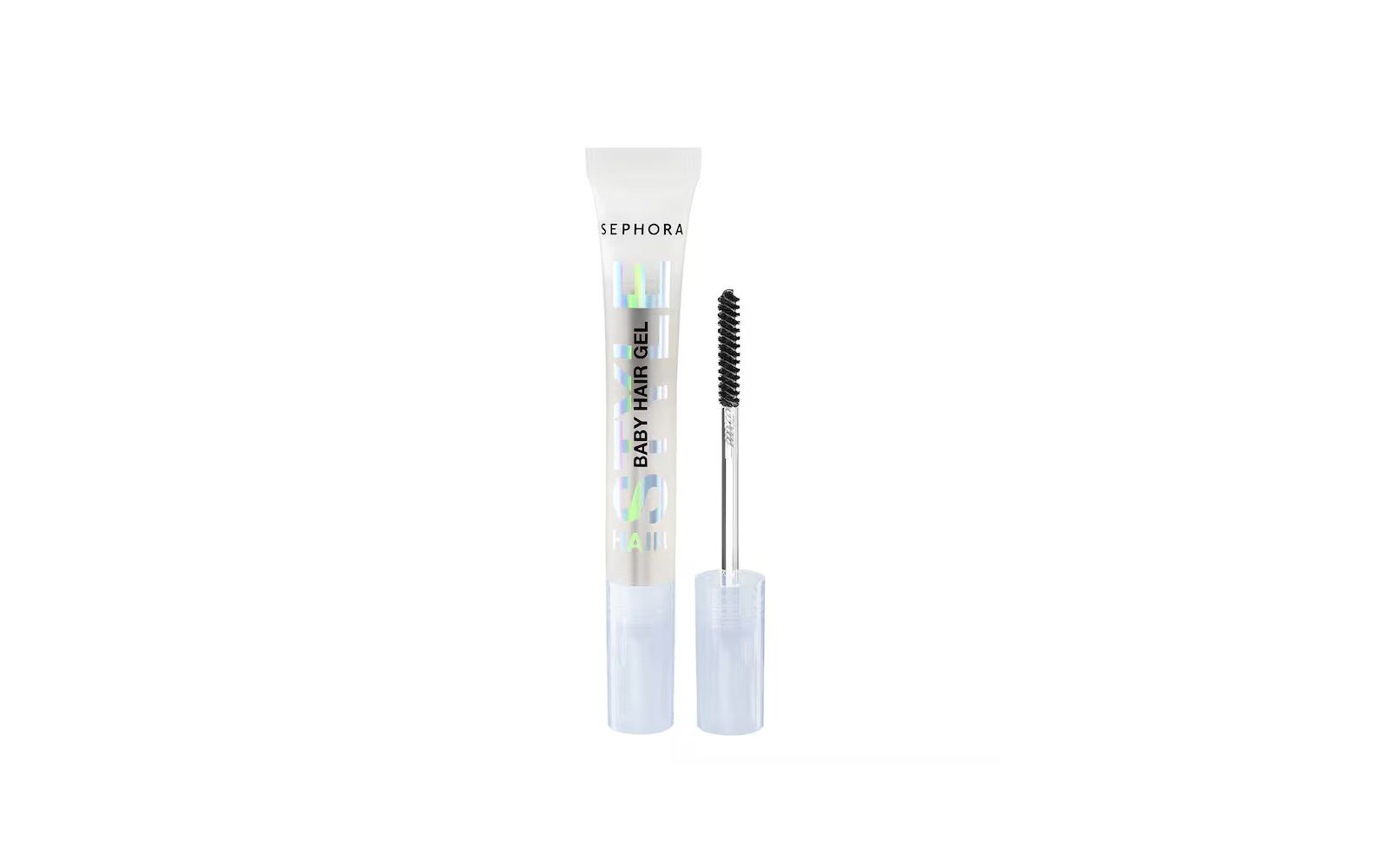
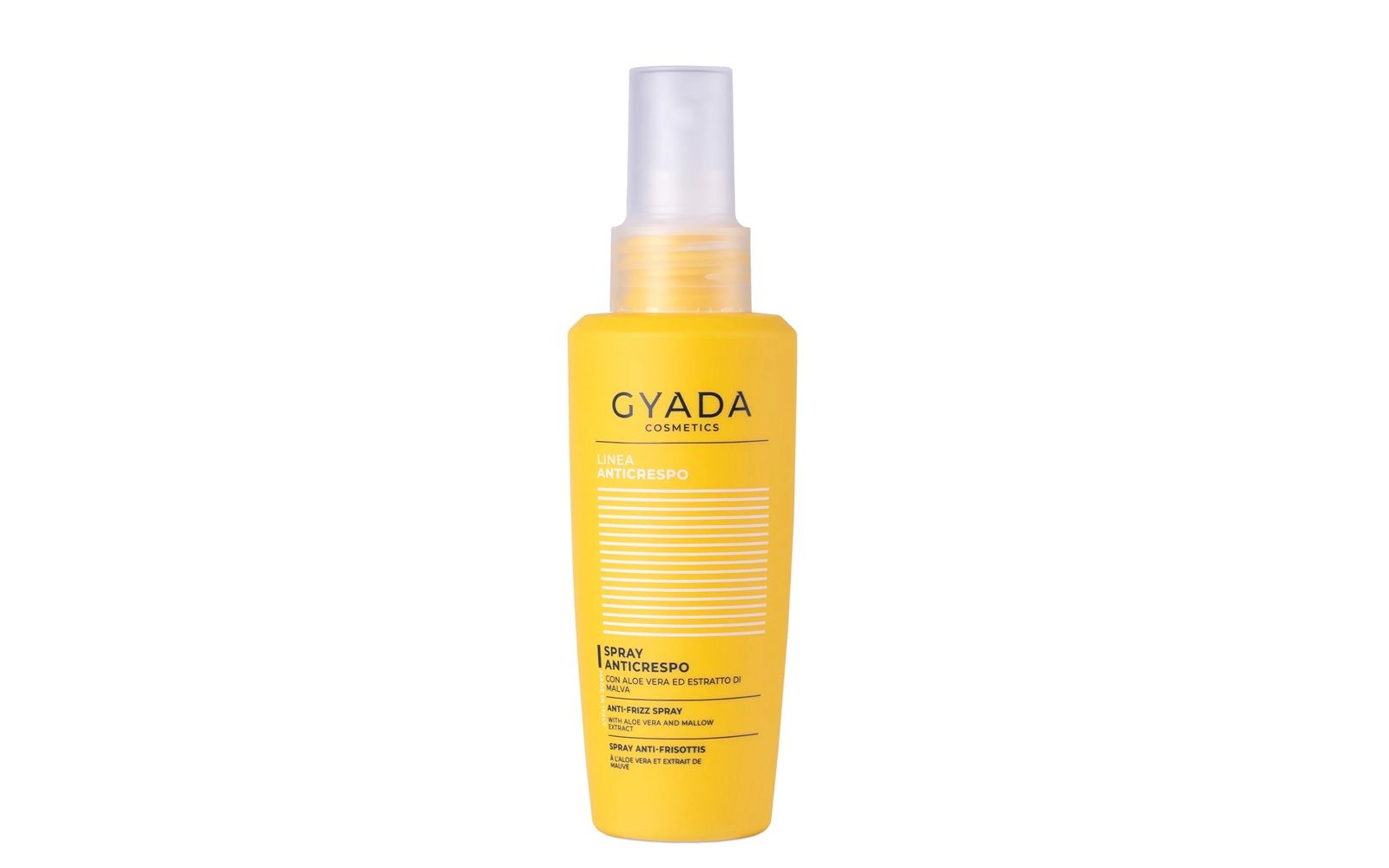
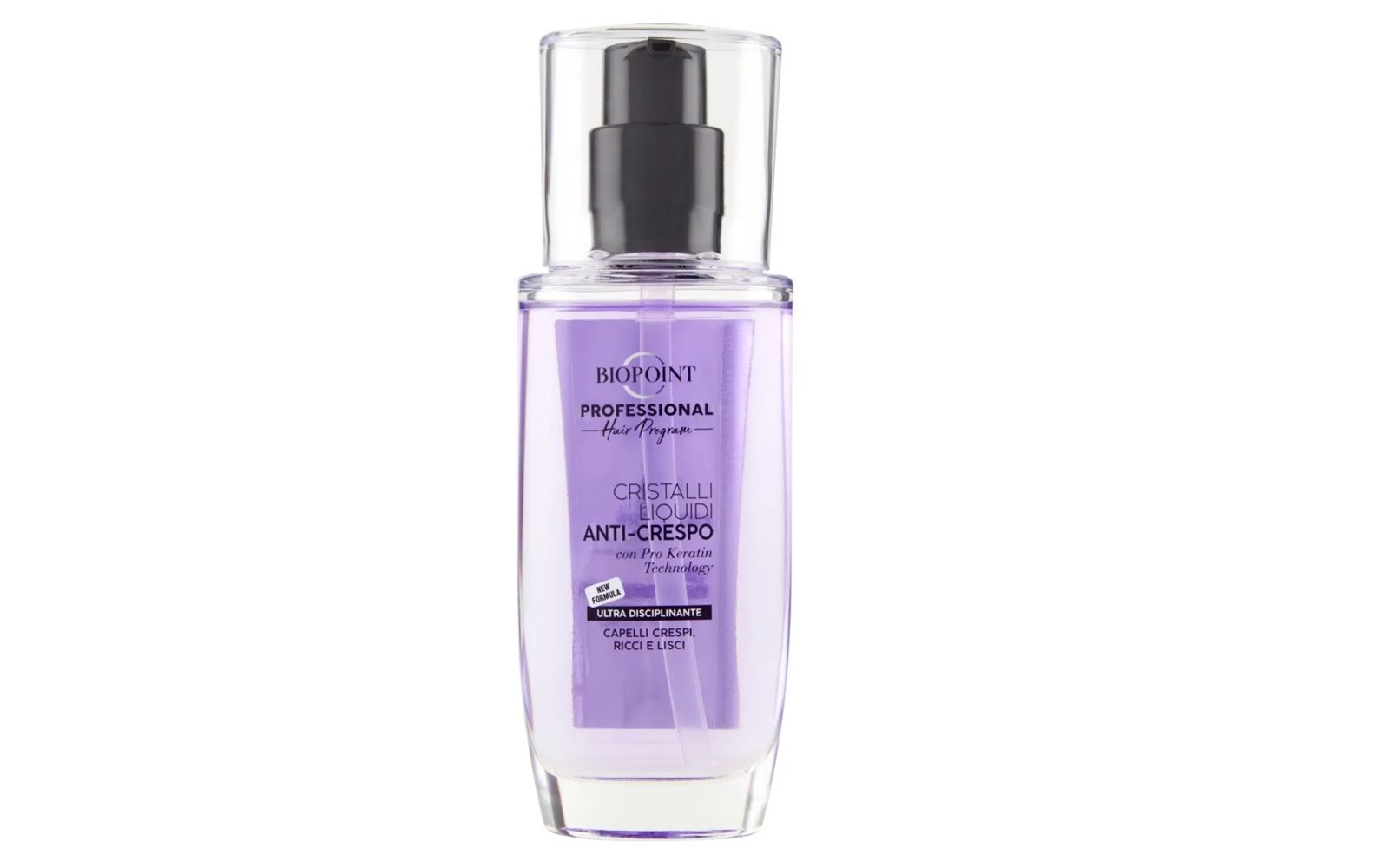
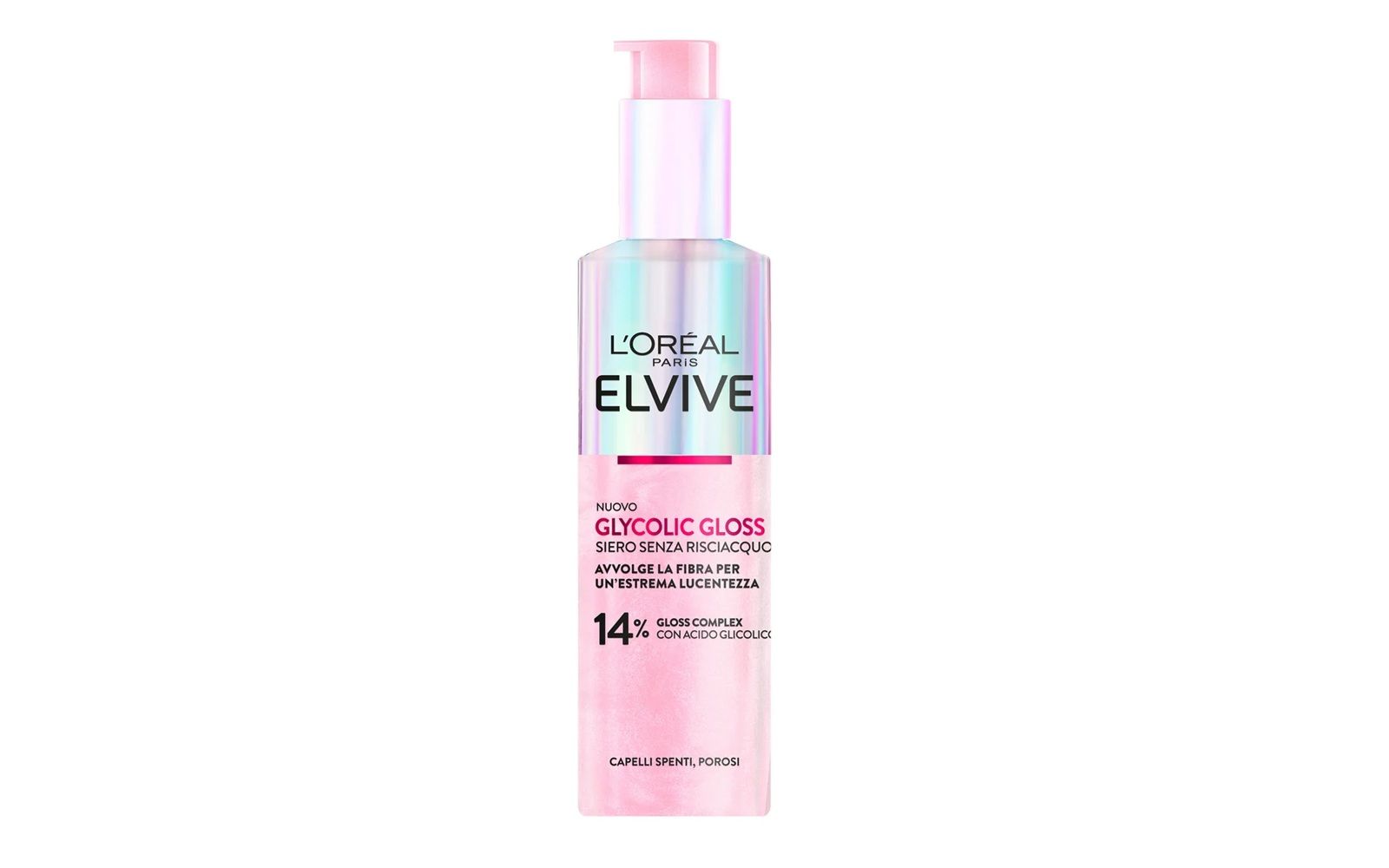
The anti-frizz haircare section promises miracles with the same confidence as a weather forecast predicting sunshine before delivering a week of rain. Before adding yet another bottle to our collection, it’s better to figure out what we actually need. When cold weather, radiators and styling put our lengths to the test, a mask such as Kérastase Discipline Maskératine or a shampoo from the Diego dalla Palma Amico Frizz line can help restore softness and manageability. To protect and control hair while styling, there’s Fenty Hair The Protective Type, Gyada Cosmetics Anti-Frizz Spray and SEPHORA COLLECTION Anti-Frizz Smoothing Gel. On the ends, a few drops of Biopoint Cristalli Liquidi Anti-Crespo, Aroma-Zone Smoothing Serum or Olaplex No.7 Bonding Oil can make a difference, while L’Oréal Paris Elvive Glycolic Gloss Serum adds an extra touch of shine. To complete the ritual, we can also explore the offerings from Mulac, Rituals and Nuxe. The rule is to choose according to your hair texture, opting for lightweight formulas for fine hair and richer ones for thick, curly or porous hair. Because the goal isn’t to force every strand into submission, but to make it to spring without declaring war on our own hair.
What to read next
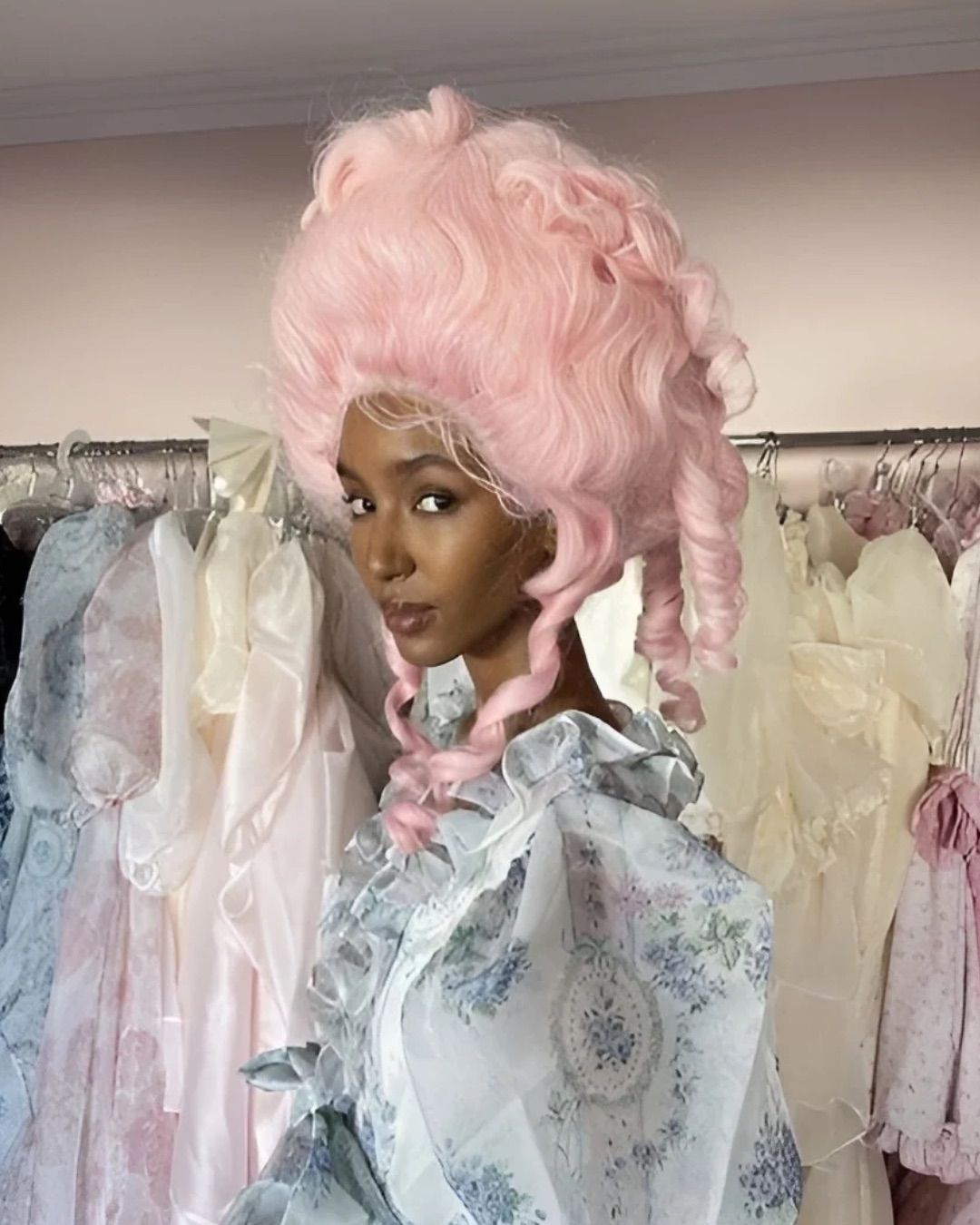
5 perfumes that tell the story of Marie Antoinette
From her passion for sweets and flowers to the guillotine