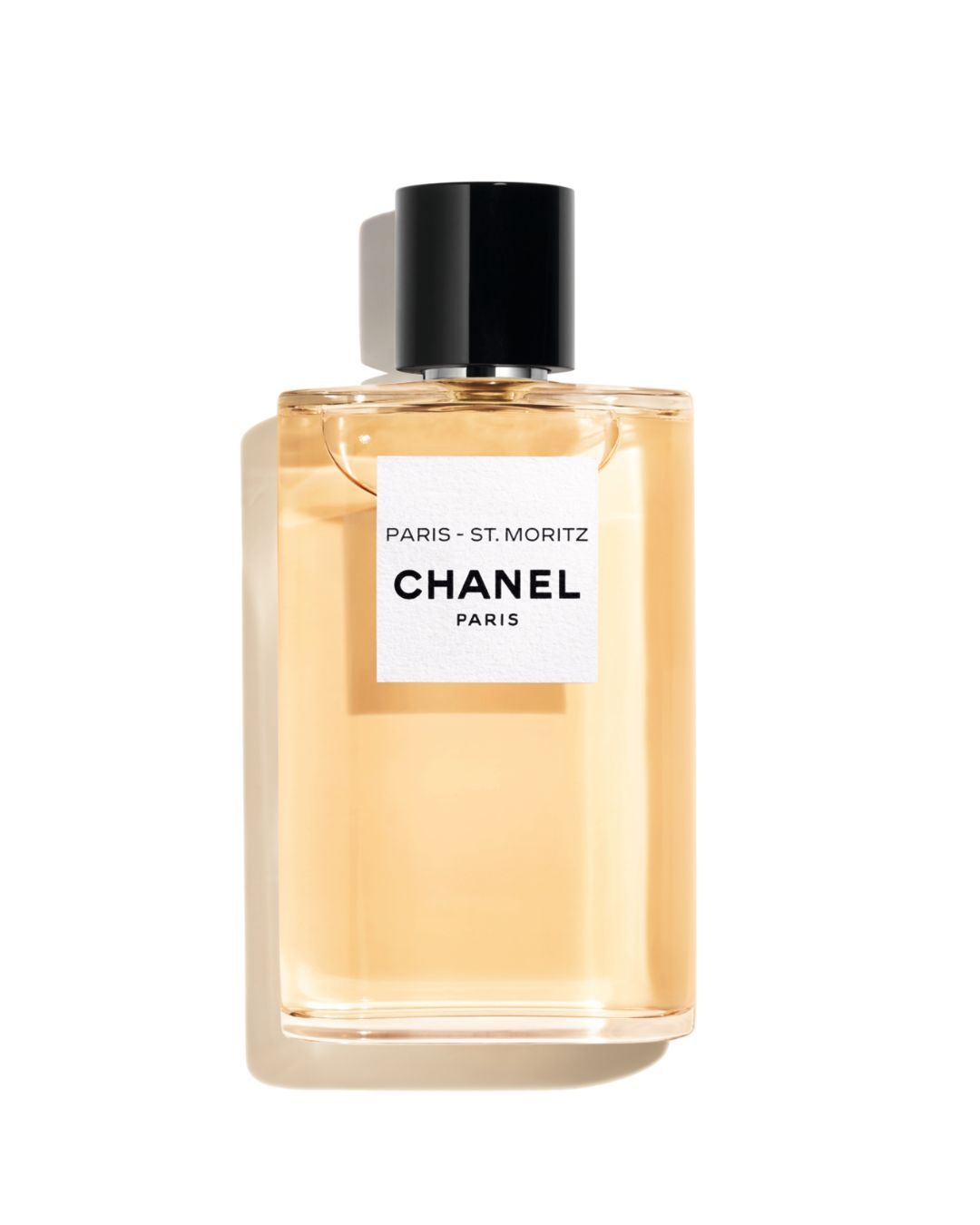
Everything about glycerin The skincare ingredient to rediscover during winter
Glycerin is a bit like parsley: take a look at the INCI list of pretty much any skincare product and you'll find it right there, near the top. And yet, with all the elaborate formulas and far more exciting active ingredients around, we barely give it a second thought. We know it's inexpensive and that it helps the skin retain water, but have we ever stopped to wonder why it's used in practically everything and what it actually does for our skin?
Everything you need to know about glycerin for the skin
What are glycerin's skincare benefits?
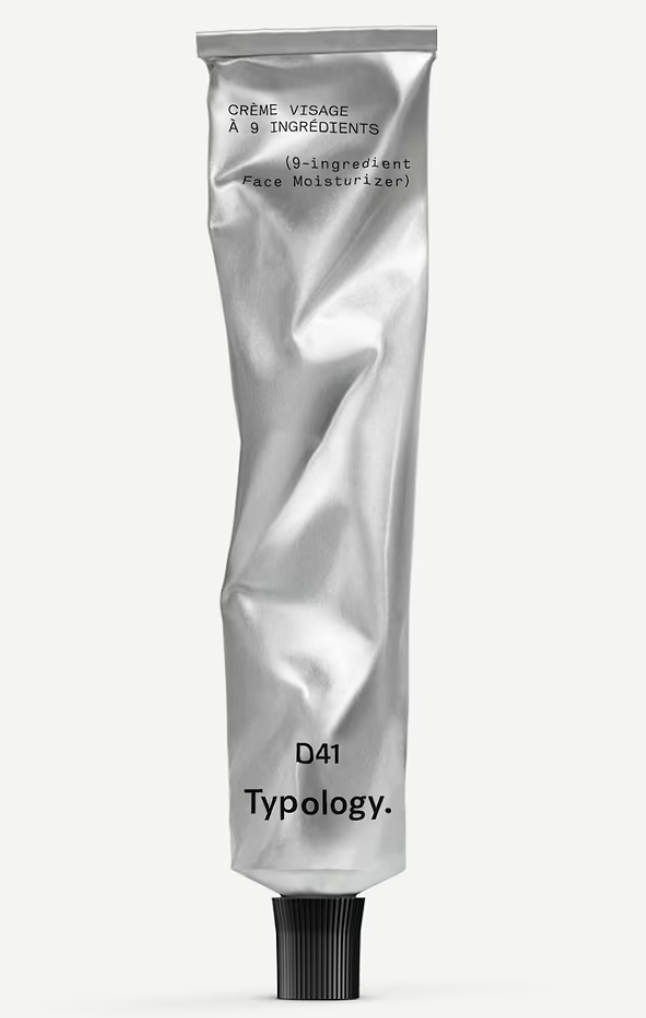
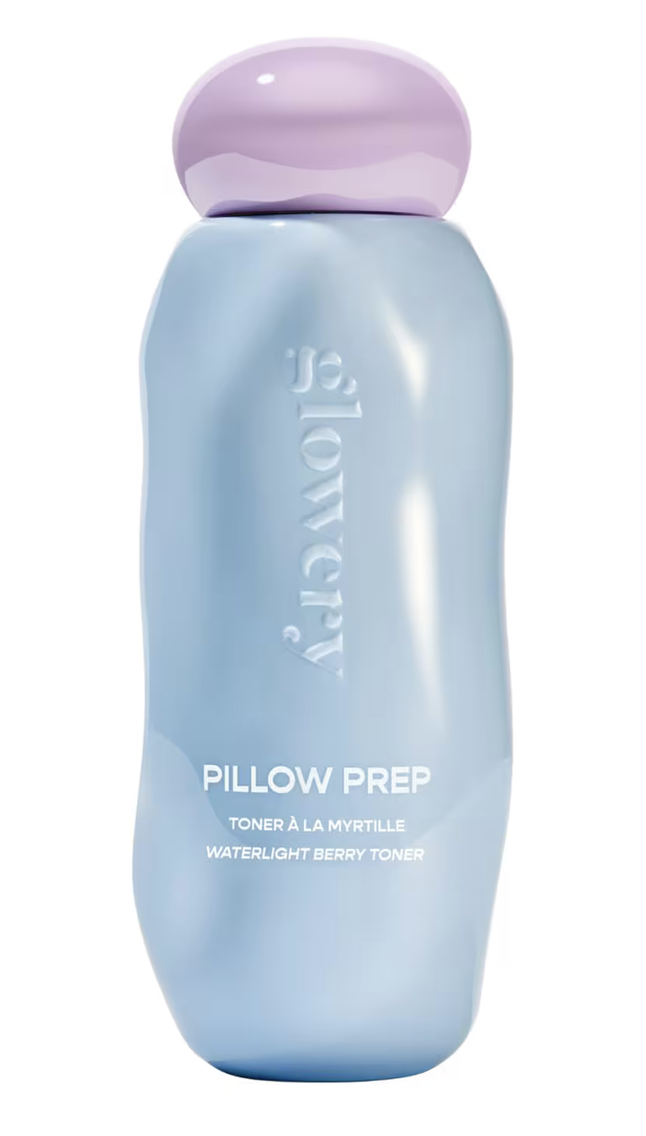
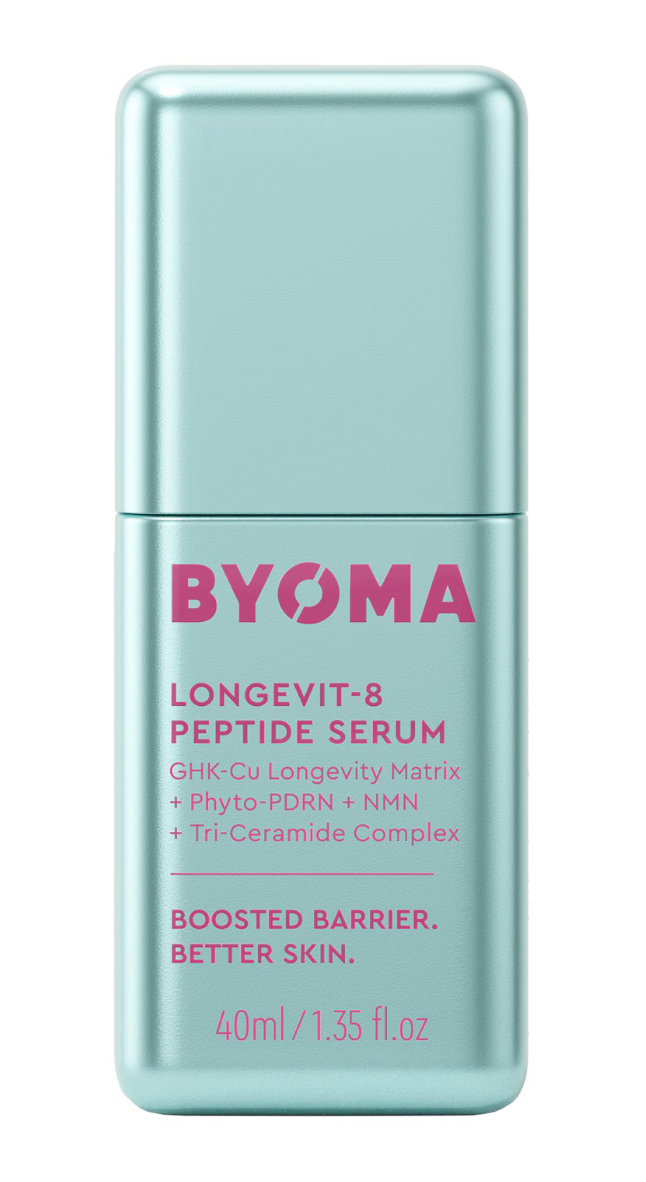
Let's start with the basics. Glycerin, also known as glycerol, is a humectant, meaning it attracts and holds onto water. It helps the skin maintain its hydration, preventing it from looking dry and dull, while also helping keep the skin barrier in good condition. This becomes particularly useful as the colder months slowly approach. Chances are you're already using a product that contains this ingredient, whether it's a moisturiser, serum or face mist. With regular use, you may notice that your skin feels more hydrated, elastic, smooth and soft, with fewer of those fine lines caused by dehydration. And it's not just useful for people with dry skin: even oily skin can become dehydrated and benefit from glycerin's humectant properties.
Can you use pure glycerin?
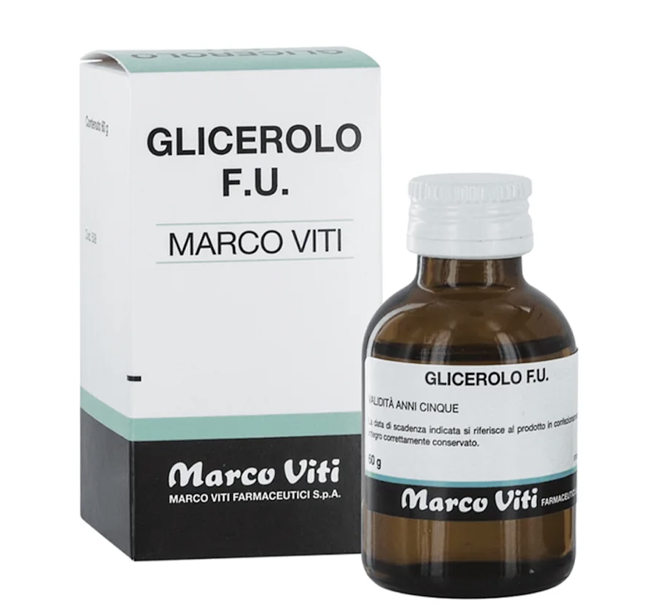
Yes, glycerin can also be used on its own. It's become quite viral on social media, with plenty of skincare enthusiasts recommending it. Pure glycerin is a little different from the kind found in our moisturisers, though: it has a thick, sticky texture that isn't exactly easy to work into an everyday routine. That's why it may be more convenient to use it at night. The first thing to know is that, because it's highly concentrated, you don't need to apply large amounts to benefit from its properties. Just a few drops are enough. As a humectant, glycerin attracts and retains water, so it should always be applied to slightly damp skin, after using a toner or serum, without waiting for them to dry completely. After this step, it's important to finish your routine with a moisturiser, which helps lock in hydration and limit water loss.
Are there any side effects?
Glycerin is generally well tolerated, and unwanted reactions are relatively rare, especially when it's included in cosmetic products. Things are different when it's applied pure to dry skin, without first dampening the area with water or hydrating products. In low-humidity conditions, it can actually have the opposite effect: rather than helping the skin retain water, it may draw moisture away from it, contributing to dryness and irritation. So yes to glycerin, but always pair it with a good dose of hydration! And if anything goes wrong or you have any doubts, consult a dermatologist.
What to read next


November's Beauty Playlist is dedicated to our comfort zone
This month's moods, soundtracked by Joe Cocker, Cesare Cremonini and Malika Ayane, Dream Tunes, Alex Warren, Noah Kahan and Norah Jones.
Everything about seborrheic dermatitis
What it is, why it appears and how to keep it under control