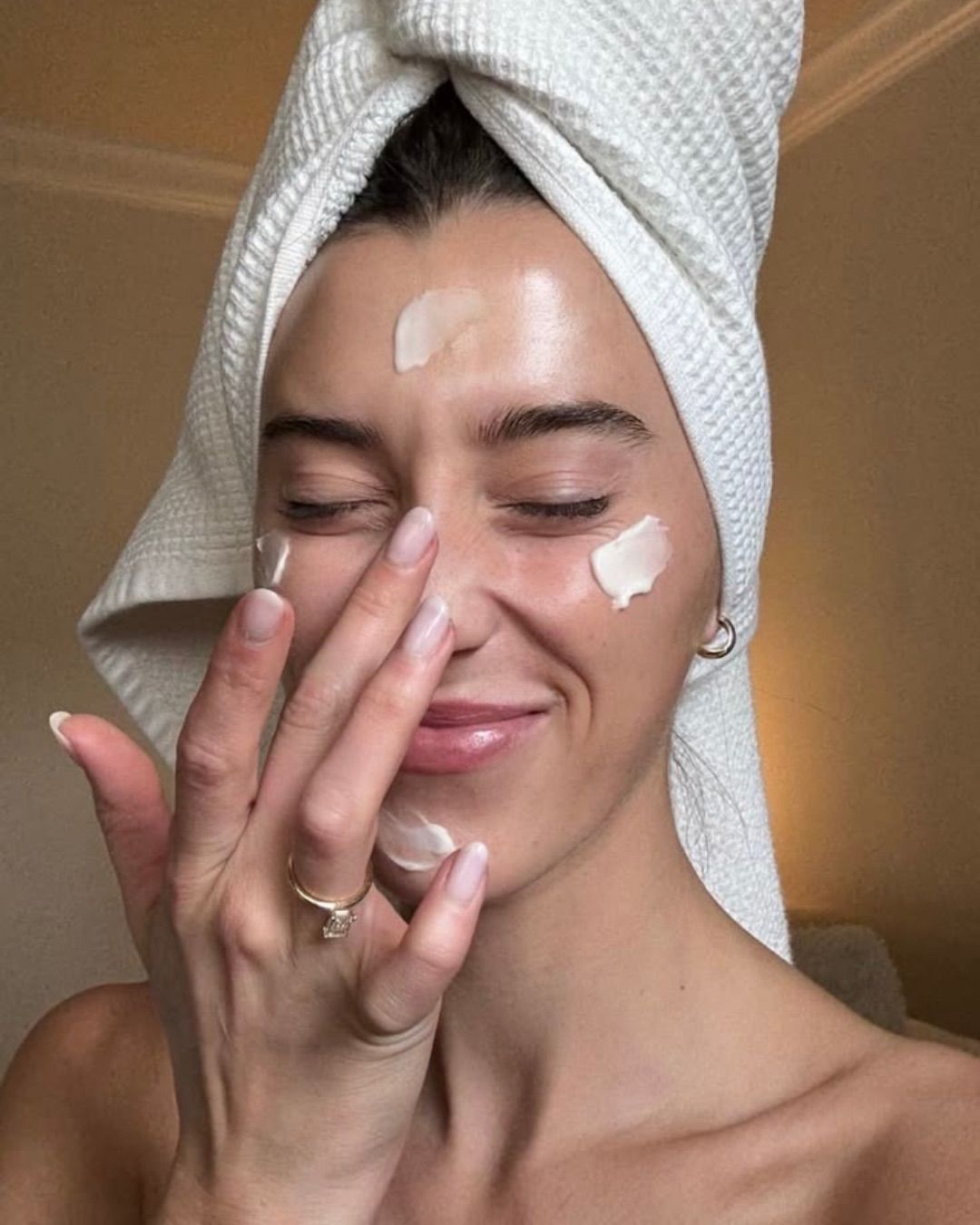
Everything about seborrheic dermatitis What it is, why it appears and how to keep it under control
We've already talked about perioral dermatitis, and today we're looking at another skin condition: seborrheic dermatitis. It mainly affects areas with a higher concentration of sebaceous glands, such as the scalp, but it can also appear on the face, particularly between the eyebrows, around the sides of the nose and on other parts of the body. But what causes it, and how can you tell if you have it? Here's what you need to know.
Everything you need to know about seborrheic dermatitis
What causes it and how can you recognise it?
As mentioned, seborrheic dermatitis mainly affects areas with a higher concentration of sebaceous glands: the scalp, hairline, eyebrows, sides of the nose and the area behind the ears. According to Healthline, one of the factors involved is Malassezia, a yeast that naturally lives on the skin and feeds on the sebum it produces. In some people, this can contribute to inflammation, causing redness, itching and flaking. As with other types of dermatitis, stress and cold temperatures can also play a part. One thing worth clearing up is that seborrheic dermatitis has nothing to do with skin cleanliness: it is not caused by poor hygiene and, most importantly, it is not contagious. On the face, it is often mistaken for simple flaking caused by dry skin, but the main difference lies in where the flakes appear. With ordinary dryness, flaking tends to affect the face more generally, whereas seborrheic dermatitis is mainly concentrated in the areas mentioned above: the eyebrows, around the nose and behind the ears. On the scalp, meanwhile, it most commonly shows up as dandruff and itching.
How to treat seborrheic dermatitis
The first thing to do is, of course, see a dermatologist. They're best placed to assess the condition and recommend the most suitable treatment. When seborrheic dermatitis affects the scalp, specialised shampoos are often used to target Malassezia and reduce flaking. On the face, a dermatologist may recommend antifungal creams instead. It goes without saying that it's best to avoid scrubs, exfoliating acids and harsh cleansers, as these can irritate the skin even further. Your skincare routine may also need a rethink, at least until things improve. For a while, it's best to stick to a few gentle products, both for cleansing and moisturising. Ingredients worth looking out for include ceramides and panthenol, which help support the skin barrier and keep the skin hydrated, easing feelings of dryness.
What to read next
Skincare and the menstrual cycle: do we really need to change routines every week?
Is there anything scientific behind this new obsession with the menstrual calendar?

The Manual Lift RT Method is the new pre-makeup routine you need to know about
Rosalia Tuttobene's customized treatment focuses on contours, tension, and texture to create a more relaxed face that's ready for makeup
Rose PDRN is the beauty ingredient of the moment
For repairing the skin, reducing redness and boosting radiance