


Rose PDRN is the beauty ingredient of the moment For repairing the skin, reducing redness and boosting radiance
If you’re a beauty enthusiast, you may have already heard of it: with a name that sounds complicated at first, rose PDRN has recently become one of the most talked-about ingredients among skin experts. But what exactly is this much-discussed active? Extracted from Rosa Damascena, and therefore plant-based, it is a cosmetic ingredient that mimics the regenerative properties of salmon-derived PDRN, another star of the latest beauty trends. Made famous by Korean skincare, rose PDRN helps skin cells regenerate more quickly, repairing damage to the skin barrier and boosting the complexion’s radiance. Packed with beneficial properties and suitable for different skin types, it is definitely worth getting to know better.
Rose PDRN: what is it?
An acronym for polydeoxyribonucleotide (yes, the term is slightly more complicated), PDRN is a mixture of DNA fragments usually derived from Atlantic salmon. Until a few years ago, it could only be found in highly specialised clinics in Seoul, but today, thanks in part to the boom in K-Beauty, it has made its way to the West. And it has become vegan-friendly: the result of advances in cosmetic technology that have made it possible to extract PDRN from Damask rose as well, a 100% plant-based ingredient, cruelty-free and with a low environmental impact. Why rose? Because its extract and pollen contain active cellular components that mimic the stimulating action of marine DNA, helping the skin speed up cell turnover.
@isoi_official Replying to @fred Here’s your answer!! #ISOI #RosePDRN #kbeauty #skincare #darkspots original sound - ISOI
To repair and regenerate the skin
By stimulating collagen and elastin production, rose PDRN supports the skin’s natural regeneration process, repairing damage to the skin barrier and promoting healing. Thanks to its action, the face immediately looks firmer and smoother: fine lines and expression lines are reduced, elasticity improves and the overall appearance of the skin visibly benefits. By retaining water and stimulating the production of natural hyaluronic acid, it also boosts the skin’s hydration levels, leaving skin softer and firmer. Good news for anyone dealing with redness and uneven pigmentation, too: by acting on the right receptors, vegan PDRN helps reduce inflammation and soothe irritated skin, while also evening out the complexion and minimising unevenness.
Who can use it?
Easy: everyone. Considered a highly well-tolerated ingredient, rose PDRN is suitable for every skin type. It is a valuable ally for sensitive and stressed skin, which it helps soothe, repair and strengthen, while its emollient action also makes it useful for dry and dehydrated skin. Acne-prone skin can benefit from it too: in addition to repairing damage to the skin barrier, it can also improve the appearance of post-inflammatory marks and scars. If your complexion looks dull or lacklustre, meanwhile, it can help restore freshness and radiance, while for mature skin it supports cell regeneration and helps soften visible signs of ageing.
Which products contain it?
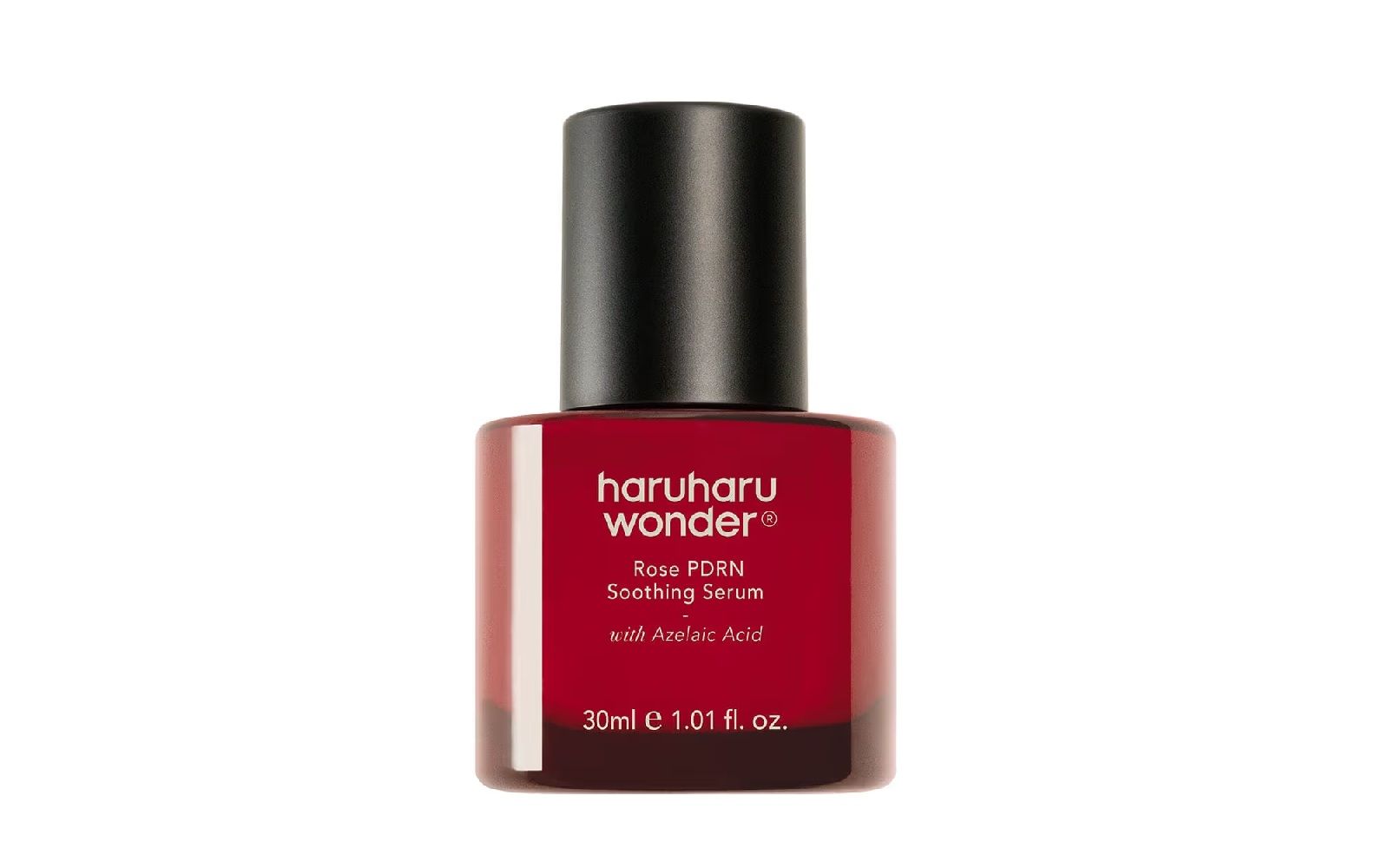
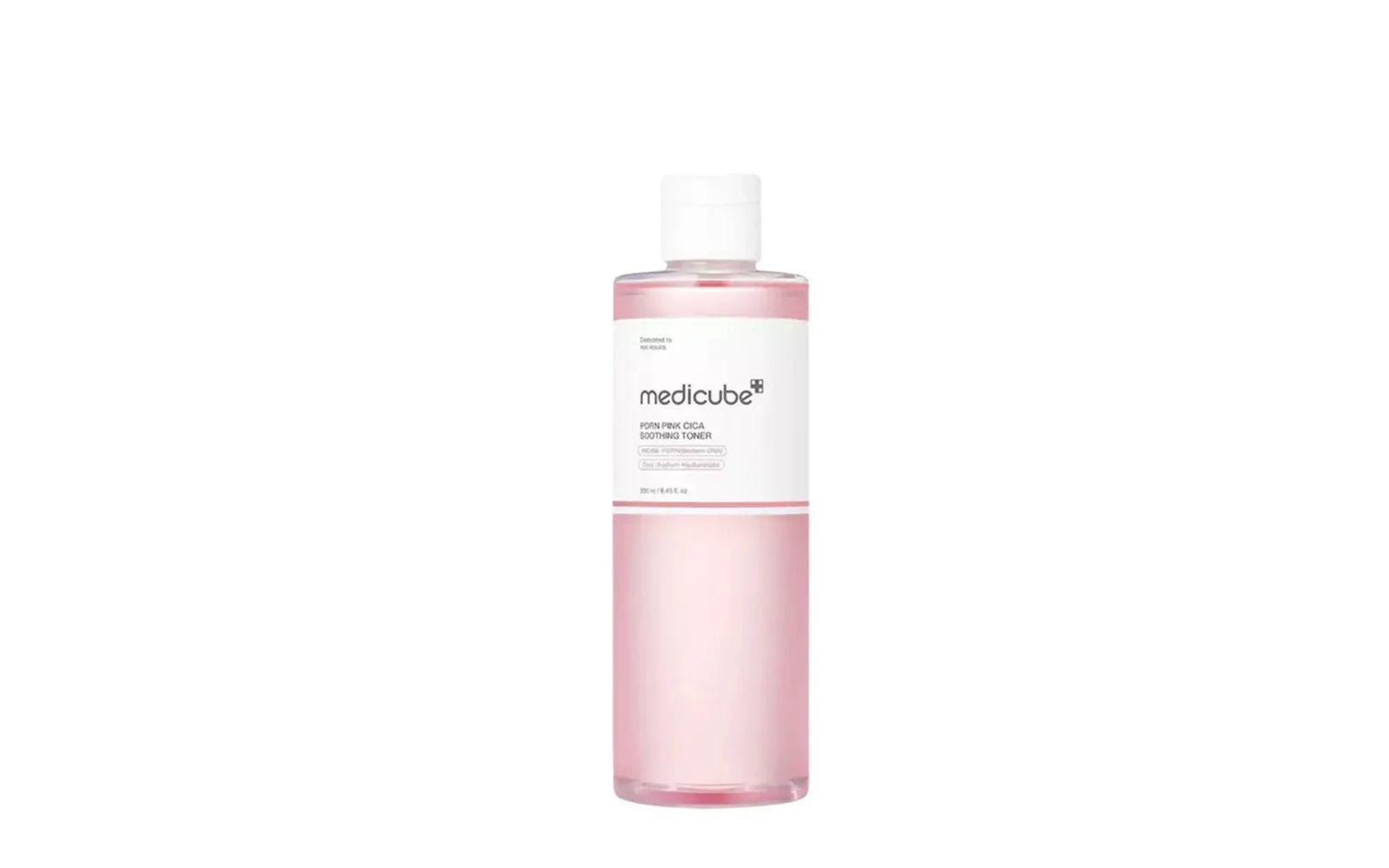
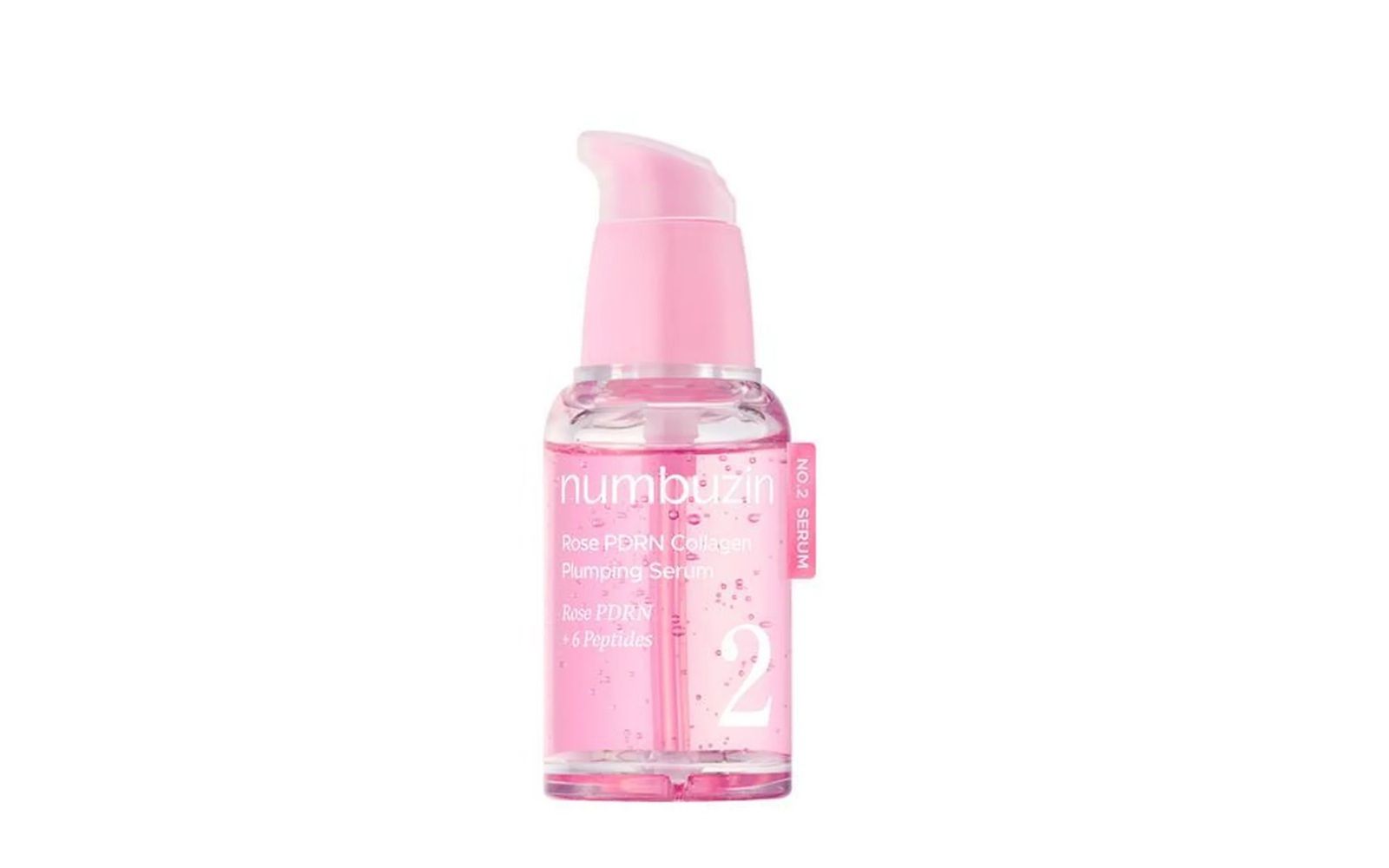
Particularly popular in Korean skincare, rose PDRN is mainly found in toners, serums and masks. Haruharu Wonder, the Seoul-based brand that is becoming increasingly popular in Italy, recently launched its Rose PDRN line, featuring two serums formulated with Damask rose: the first is soothing, while the second has a firming action, and both are designed to support skin rejuvenation and stimulate collagen production. Medicube, another K-Beauty staple that recently became ultra-popular thanks to Hailey Bieber’s endorsement, has also introduced its own rose PDRN products, including a serum and toner, joining its existing range featuring salmon-derived PDRN.