


Winter survival kit: how to protect the skin barrier in the winter And get through the long season in the best possible way
Winter already comes with enough annoyances: leaving a warm bed to face temperatures of 5°C, getting completely soaked by the rain, and having the wind ruin any hope of keeping our hair in place. As if that weren't enough, there's also our skin, which starts getting fussy as soon as temperatures drop and the weather stops being to its liking. The skincare routine that worked perfectly well before suddenly isn't good enough, and our skin makes sure we know about it: tightness, redness, irritation here and there, and sensitivity that's suddenly out of control. These could all be signs of a compromised skin barrier, which deserves a little extra attention, especially during the colder months.
Your winter survival kit: how to protect your skin barrier in the winter
Why does the skin barrier struggle in winter?
First, a quick refresher. The skin barrier is the outermost layer of the epidermis, responsible for protecting the skin from external aggressors and limiting water loss. Think of it as a wall: skin cells are the bricks, while lipids, including ceramides, cholesterol and fatty acids, are the mortar holding everything together. When it works properly, the skin can retain moisture and defend itself against external stressors. Problems start when temperatures drop, icy gusts of wind become part of everyday life, and outdoor humidity is compounded by the dry air inside heated spaces. That's when our wall starts to crumble: the skin barrier becomes less effective, loses some of its ability to retain water and leaves the skin more prone to dryness, irritation and sensitivity.
The ingredients to look for
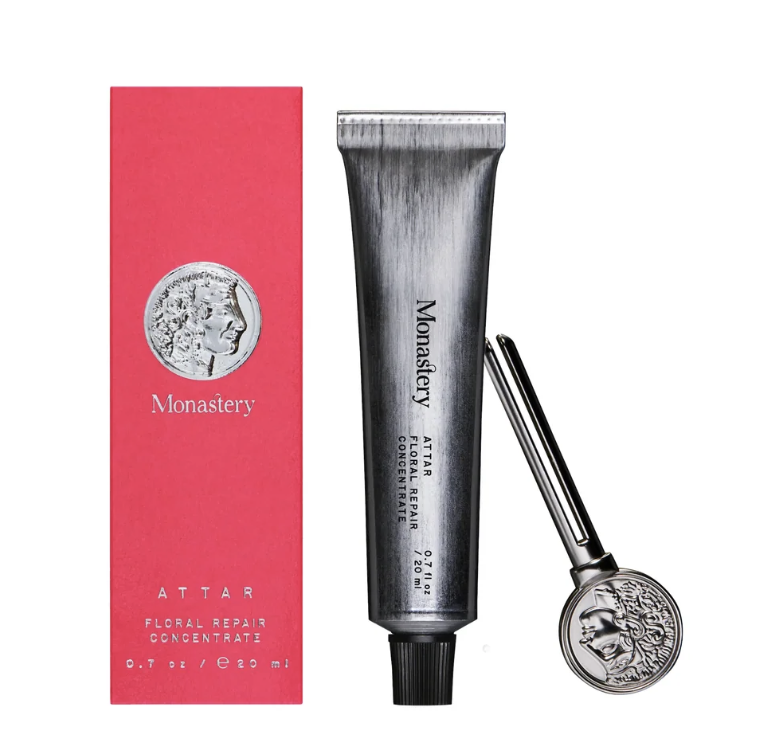
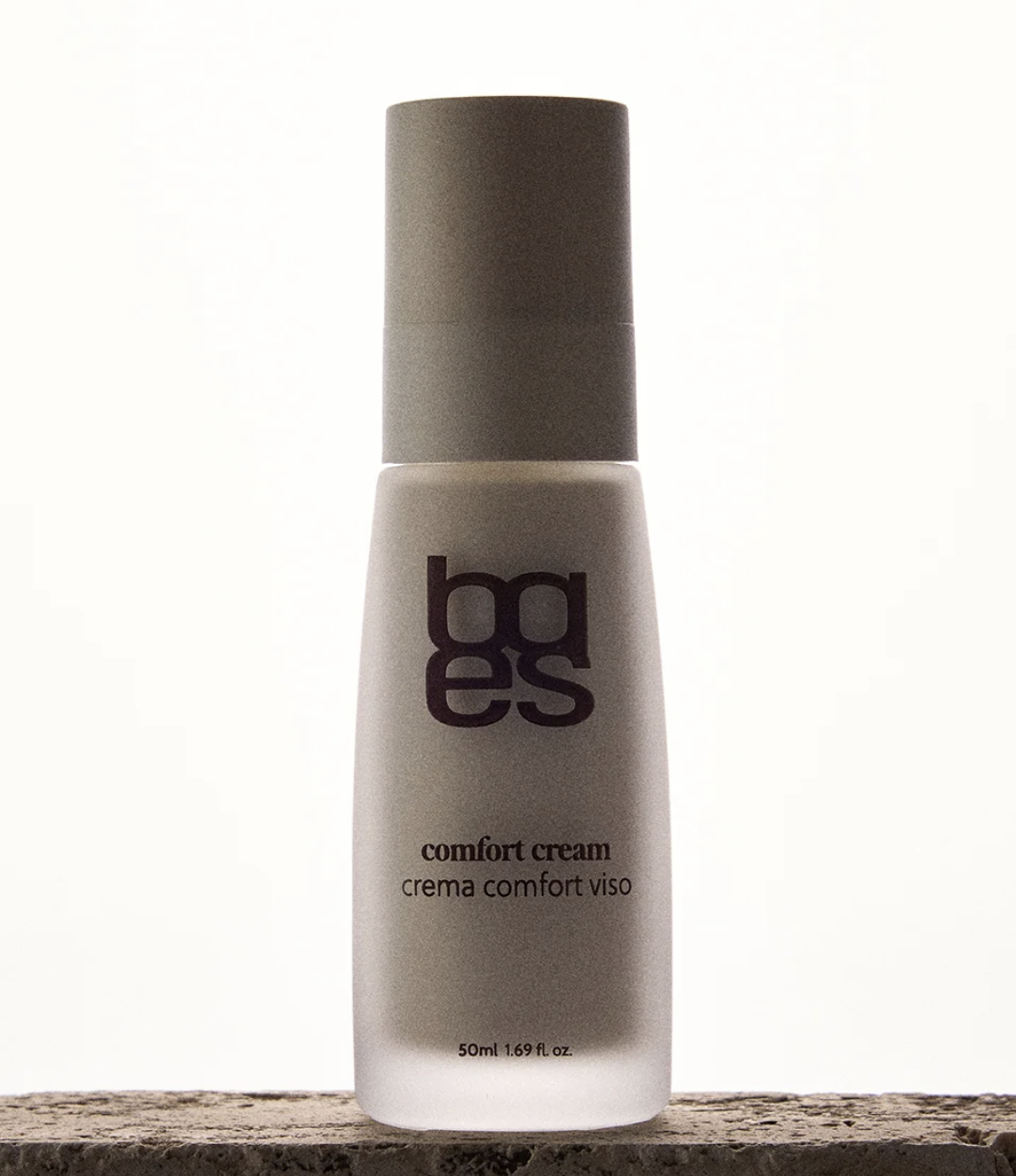
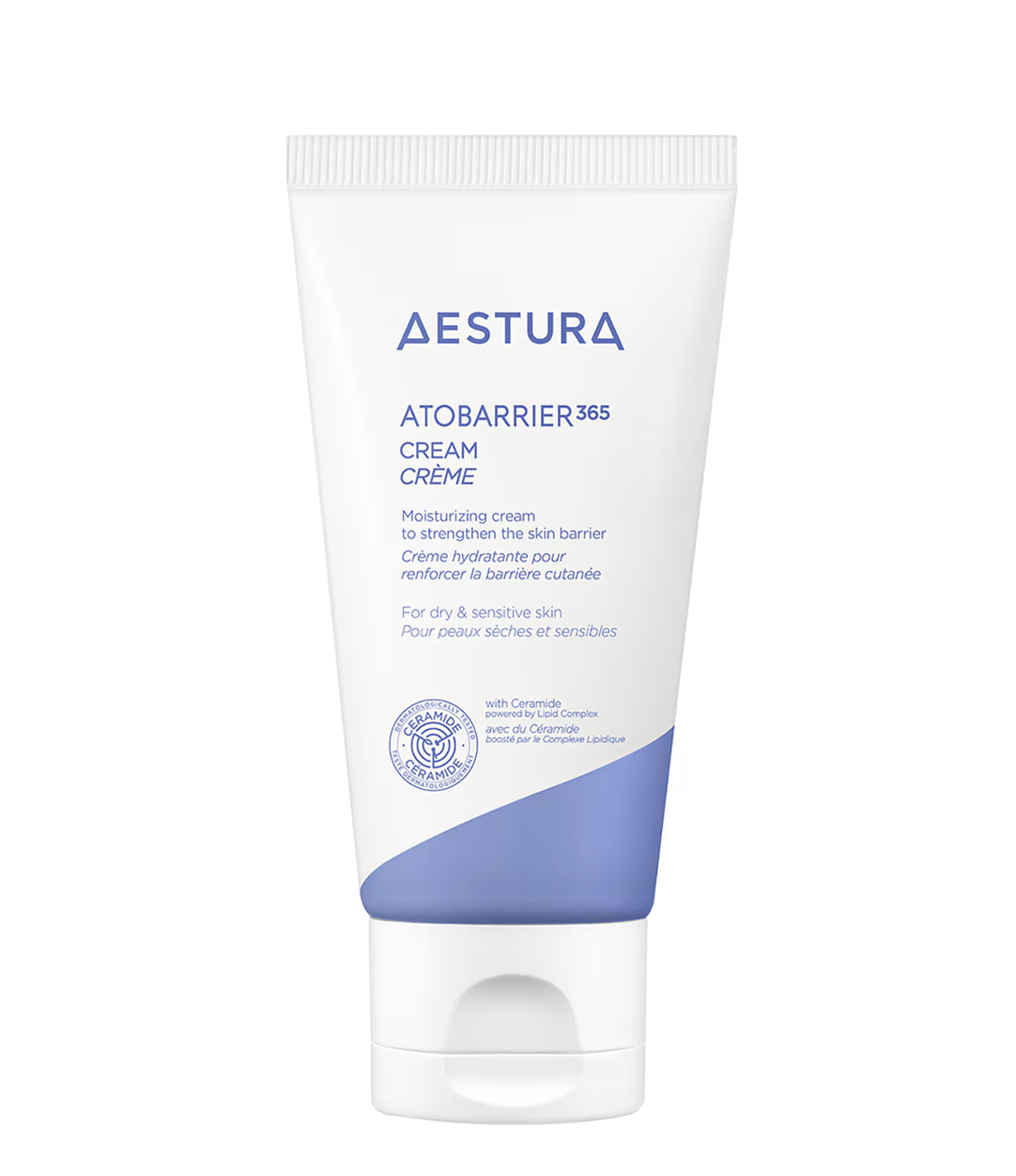
So, how do we avoid all this? The first step is to choose products that help restore the skin barrier's balance, focusing on hydrating and emollient ingredients, as well as lipids. One of the first things to look for is ceramides, which are essential for maintaining the integrity of the stratum corneum and limiting water loss. Ingredients such as glycerin and hyaluronic acid also help keep skin hydrated. As we know, both are humectants that attract and retain water in the skin's outer layers. To soften the skin and tackle that dry feeling, we can also turn to squalane and panthenol, particularly useful when the skin is irritated or sensitive. Finally, when skin needs extra protection, ingredients such as shea butter and oils can help. Their emollient action softens the skin, helps seal in moisture and locks in the products applied underneath.
What to avoid
Choosing the right products isn't enough: there are also a few habits worth giving up as soon as possible. First on the list are showers and face washes with water that's too hot. We know it's hard to resist when it's cold outside, but high temperatures can strip away some of the lipids that protect the skin, making dryness and irritation worse. It's also worth avoiding overdoing it with scrubs, exfoliating brushes and peels, which can increase skin sensitivity, especially when used alongside other exfoliating and potentially irritating actives, such as retinoids and acids. Finally, try to avoid harsh cleansers and heavily fragranced products if your skin is already particularly sensitive.
What to read next

Home fragrances and candles to warm up the house in winter
Diffusers, candles and sprays: the choice is yours