5 active ingredients to discover What they do and why they might (perhaps) deserve a spot in our skincare routine
As a beauty editor, I spend a good part of my free time wandering around the shelves of pretty much every beauty store I come across. During one of my afternoon flâneries, I stumbled upon some ingredients I had never heard of before. Naturally, I took a few notes and started looking into what they were and what they actually do. Here are five active ingredients worth knowing about.
5 active ingredients to discover in skincare
NMN
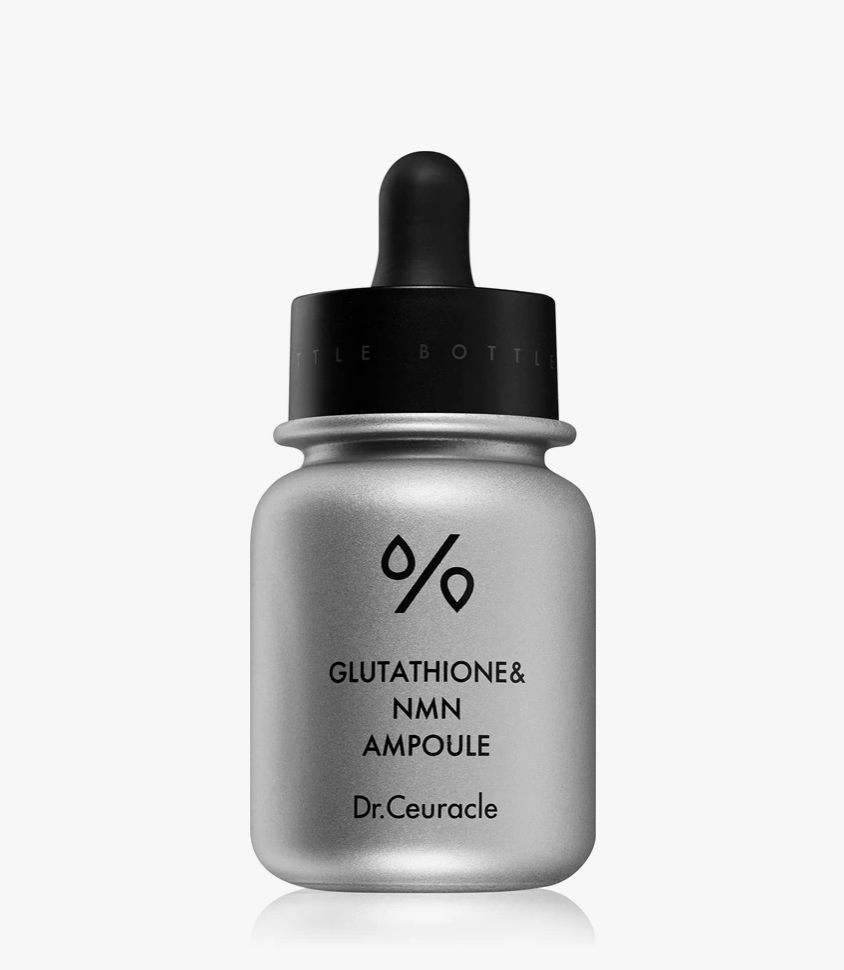
NMN, short for nicotinamide mononucleotide, is a molecule that helps the body produce NAD+, a coenzyme we've already talked about. Found in every cell, NAD+ is essential for them to function properly. Its levels tend to decline as we age, and this is where NMN comes in: researchers are investigating whether it can help maintain some of the processes that allow cells to function as they should. It's still an evolving area of research, but in skincare this ingredient is already being used in products designed to reduce visible signs of ageing and help prevent premature skin ageing.
Matrixyl 3000
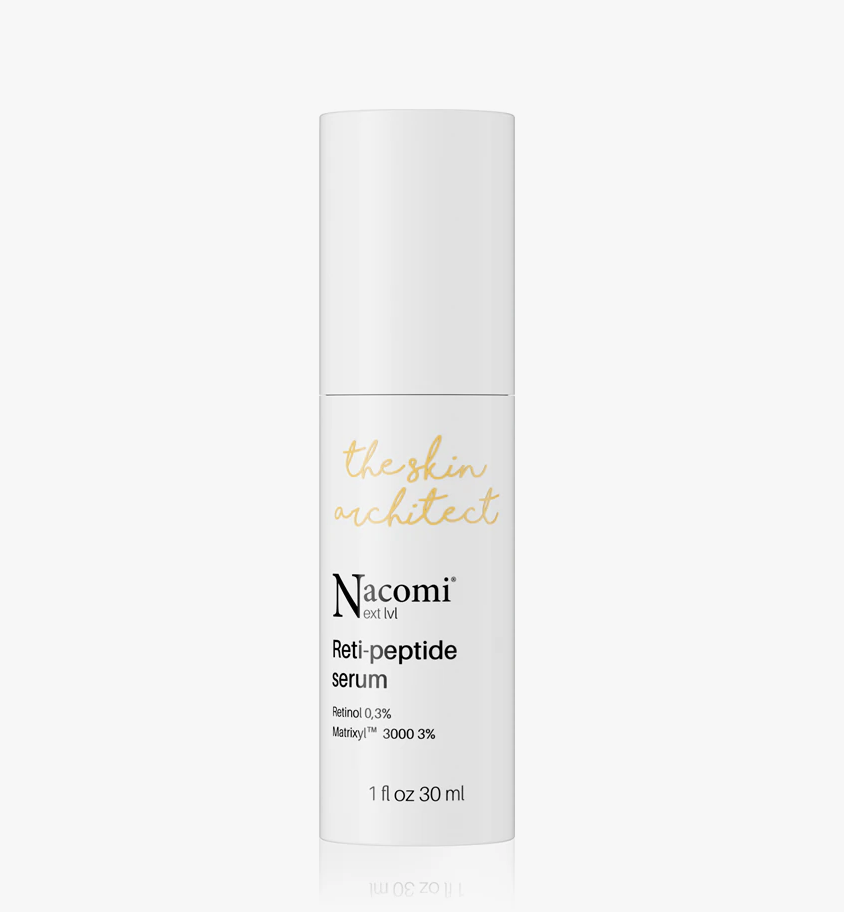
Matrixyl 3000 is another anti-ageing active. It's a complex made up of two peptides, Palmitoyl Tripeptide-1 and Palmitoyl Tetrapeptide-7, used in skincare to improve the appearance of wrinkles and leave skin looking smoother and firmer.
Granactive Retinoid
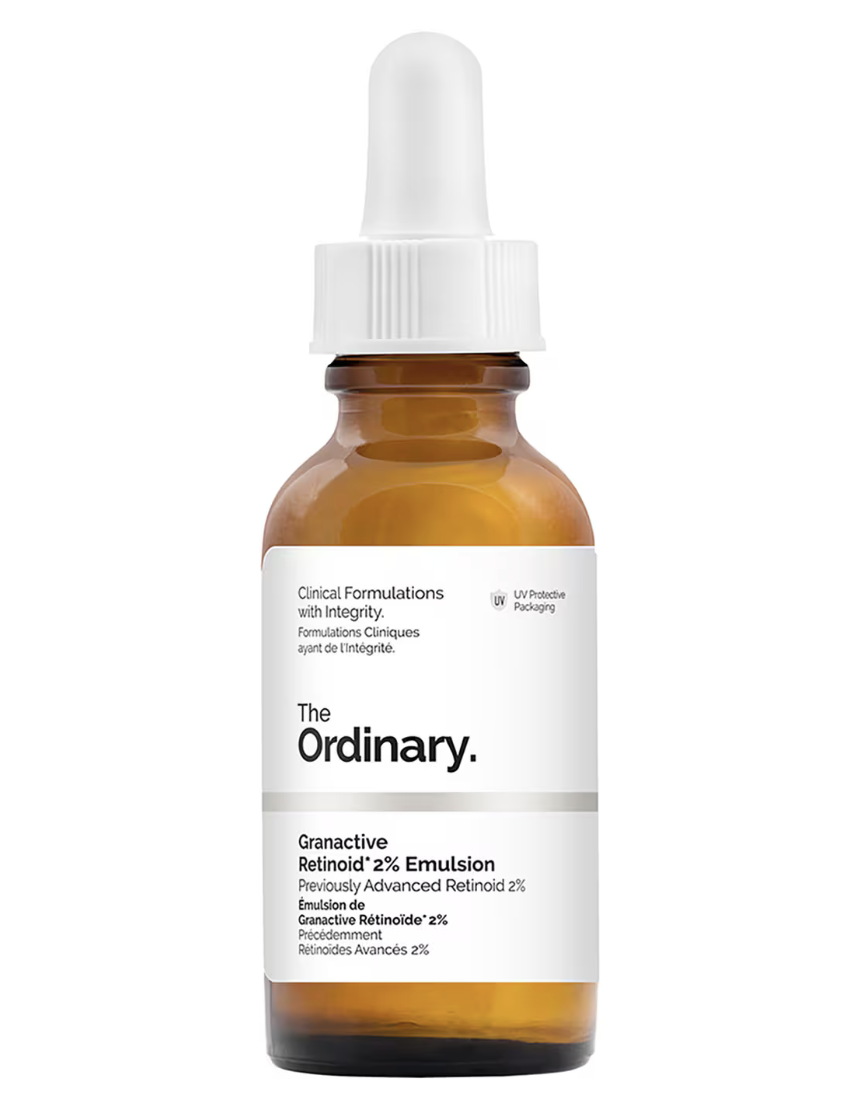
Granactive Retinoid is a cosmetic ingredient based on Hydroxypinacolone Retinoate, a substance belonging to the retinoid family, just like retinol. It's used in anti-ageing products to improve the appearance of wrinkles, blemishes and overall skin texture. What sets it apart from other retinoids is that it's designed to deliver similar benefits with a lower risk of irritation. Definitely one to add to the list of retinol alternatives for sensitive skin.
Bisabolol
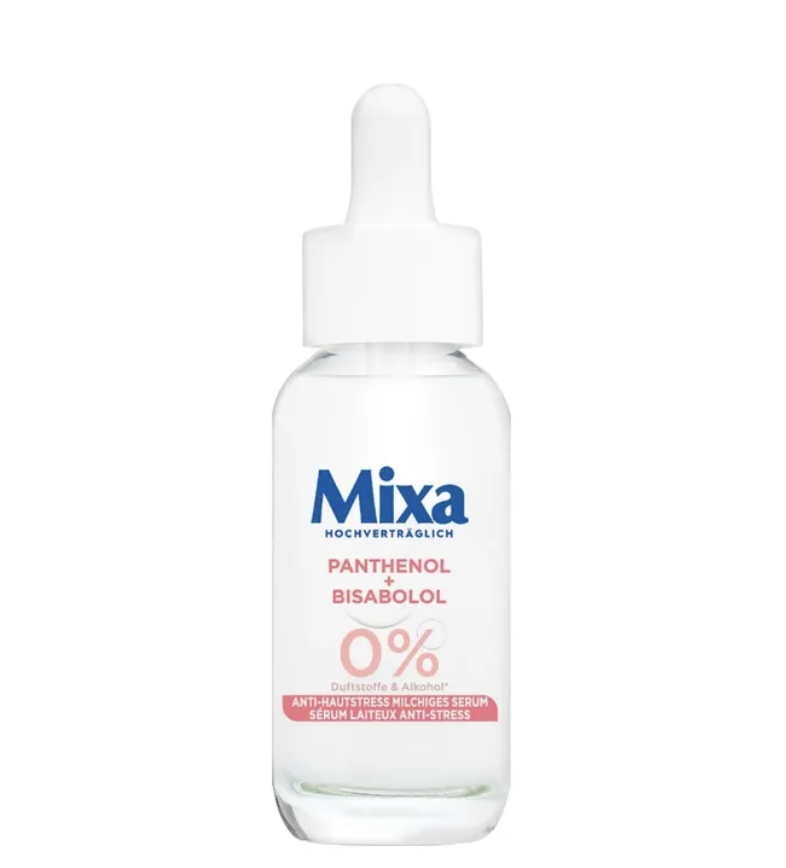
Bisabolol is a molecule naturally found in chamomile, although it can also be produced in a laboratory. As you might expect, it has soothing properties and is often included in skincare products designed to calm the skin, reduce redness and ease feelings of discomfort and irritation.
EGCG
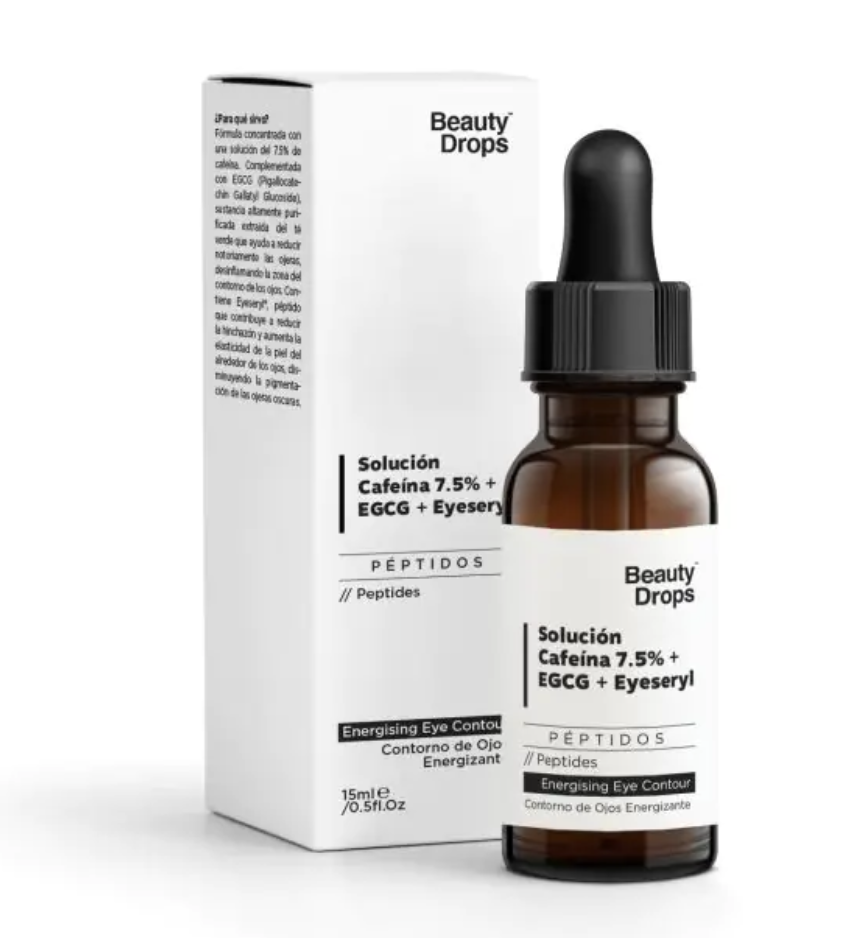
EGCG, short for epigallocatechin gallate, is one of the main antioxidant compounds found in green tea. In skincare, it's used to protect the skin from oxidative stress and the damage caused by free radicals. It can also help regulate sebum production and reduce redness, which is why it's also found in products formulated for combination and oily skin. There's one thing to keep in mind, though: EGCG is a fairly unstable molecule and can break down when exposed to light, air and heat. So if you're thinking of trying it, pay attention to the product's packaging, too.
What to read next
We all want pink hair (again)
From punk to Tumblr, pink is reinventing itself amid Y2K nostalgia, experimentation, and the desire to stand out