




"Underground culture is not a look, it's an attitude" Interview with Davide Omizzolo, founder of the milanese hairstyling studio Halle
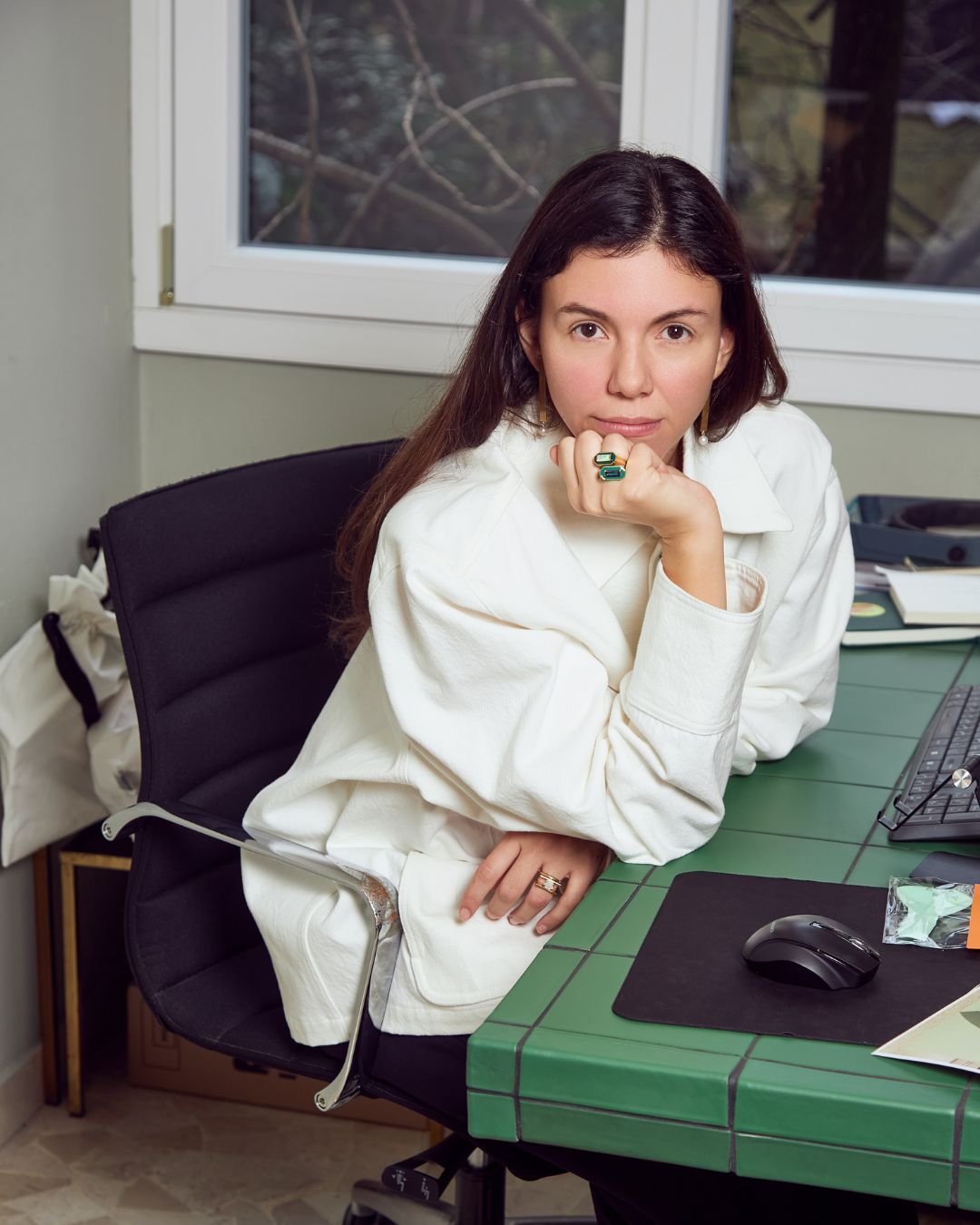
Under the Beauty Radar is an adaptable, fluid editorial series that moves effortlessly through the many nuances of the beauty realm. That is precisely why, for this brand-new chapter, we decided to interview an hairstyling studio. You read that right. And instead of dropping a microphone right into the middle of the stations at Halle, on Via Mantova 17, we sat down for an in-depth chat with founder Davide Omizzolo, who set the tone right away: "I never wanted to simply open a place where people get their hair cut, but a space that reflects my personal philosophy towards this craft. I wanted to build an environment where individuals can evolve and truly get to know each other—both the clients sitting in the chair and the professionals working behind it." Intriguing, to say the least.
In conversation with Davide Omizzolo, founder of milanese hairstyling studio Halle
Describe Halle’s aesthetic in three words
Reckless, unconventional, introspective.
How was Halle Milano born, and what vision did you have in mind when you decided to open the studio?
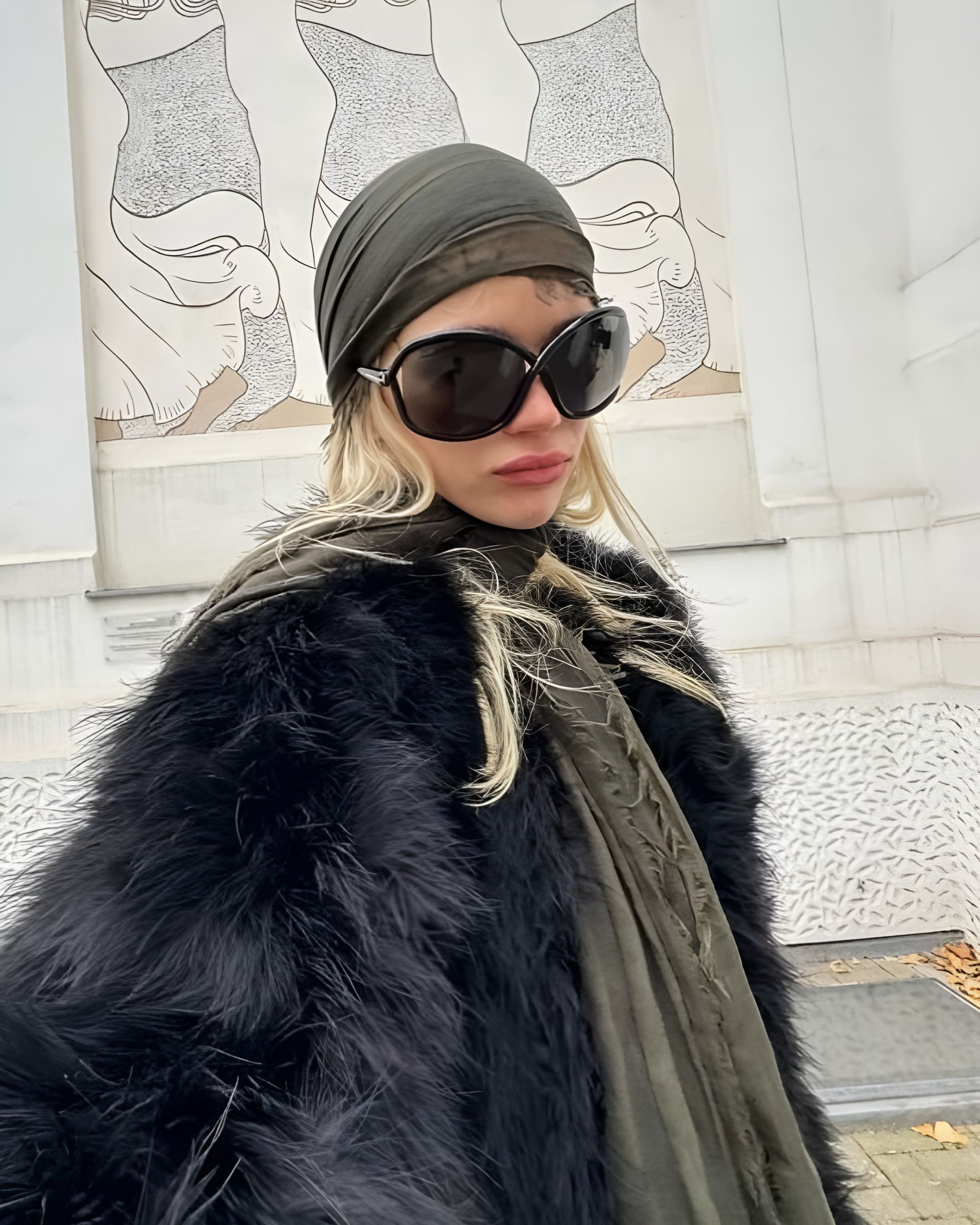
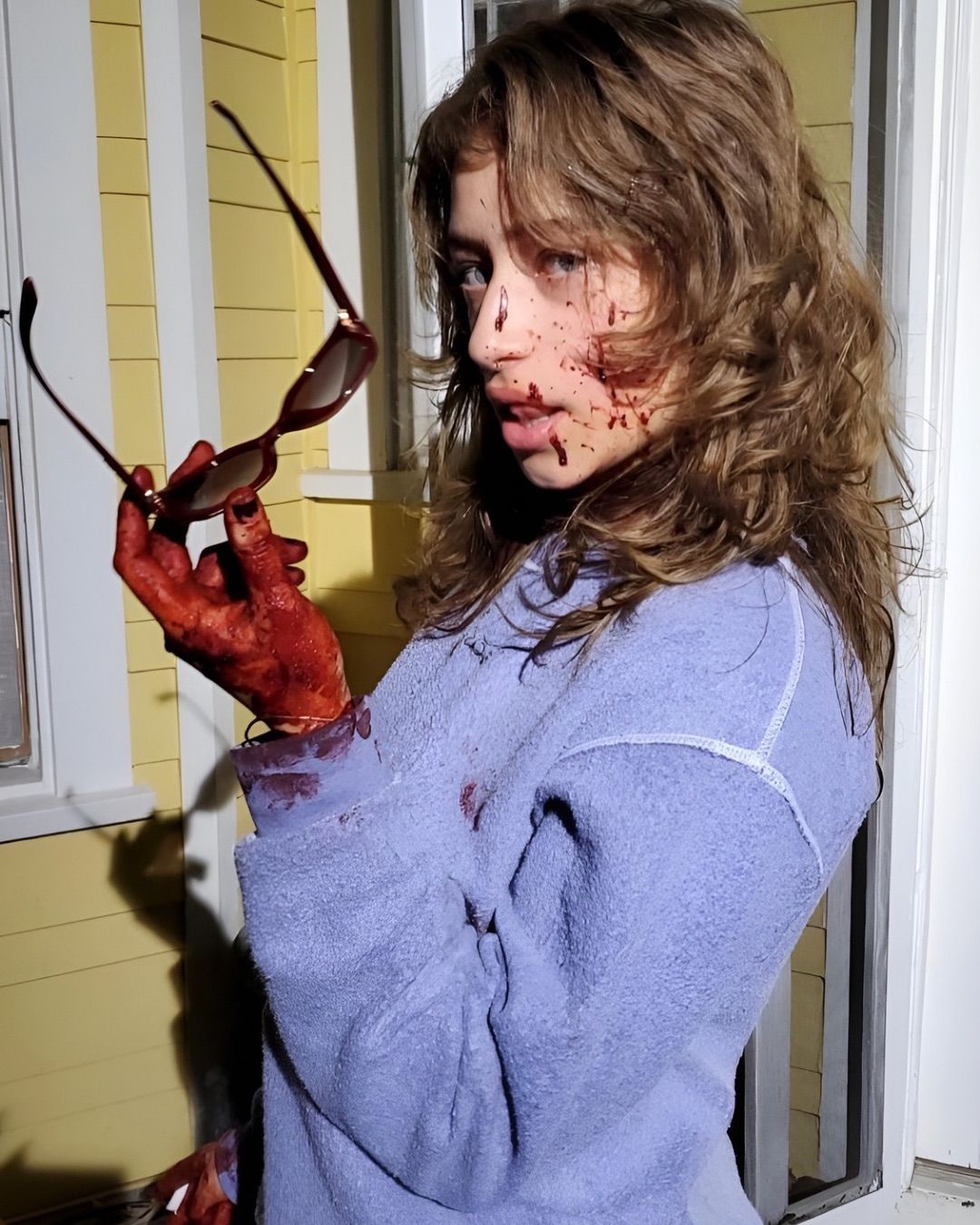
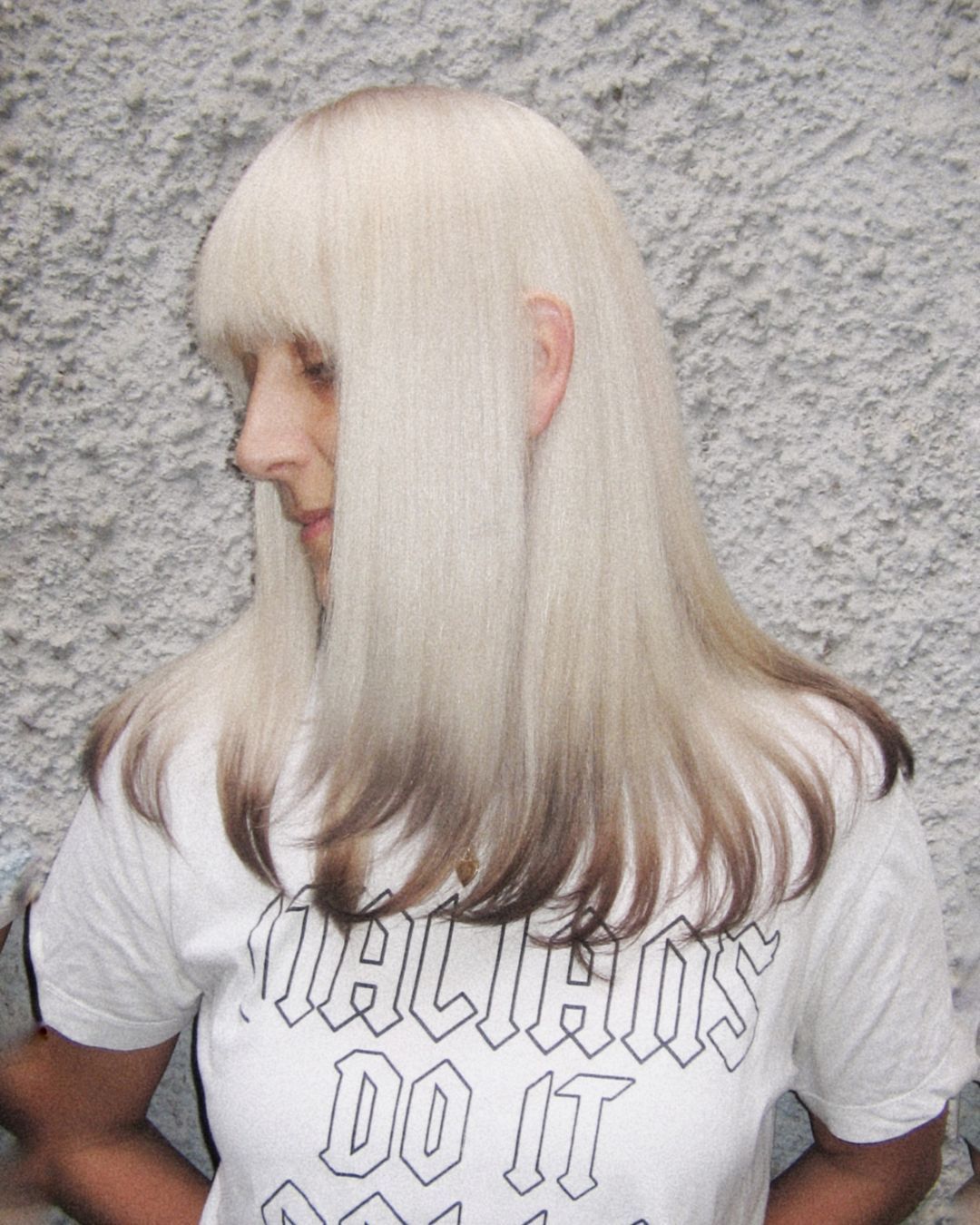
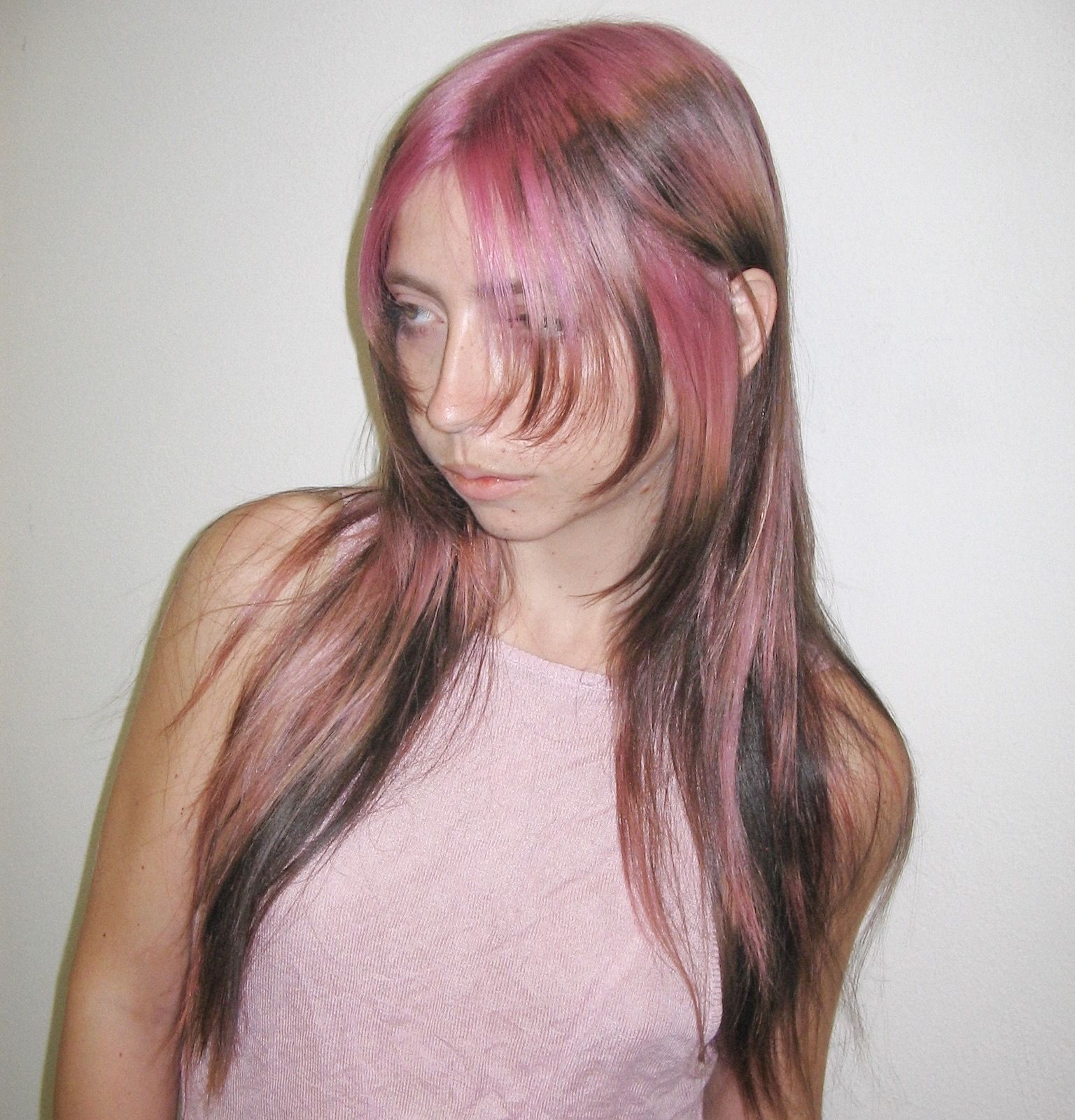
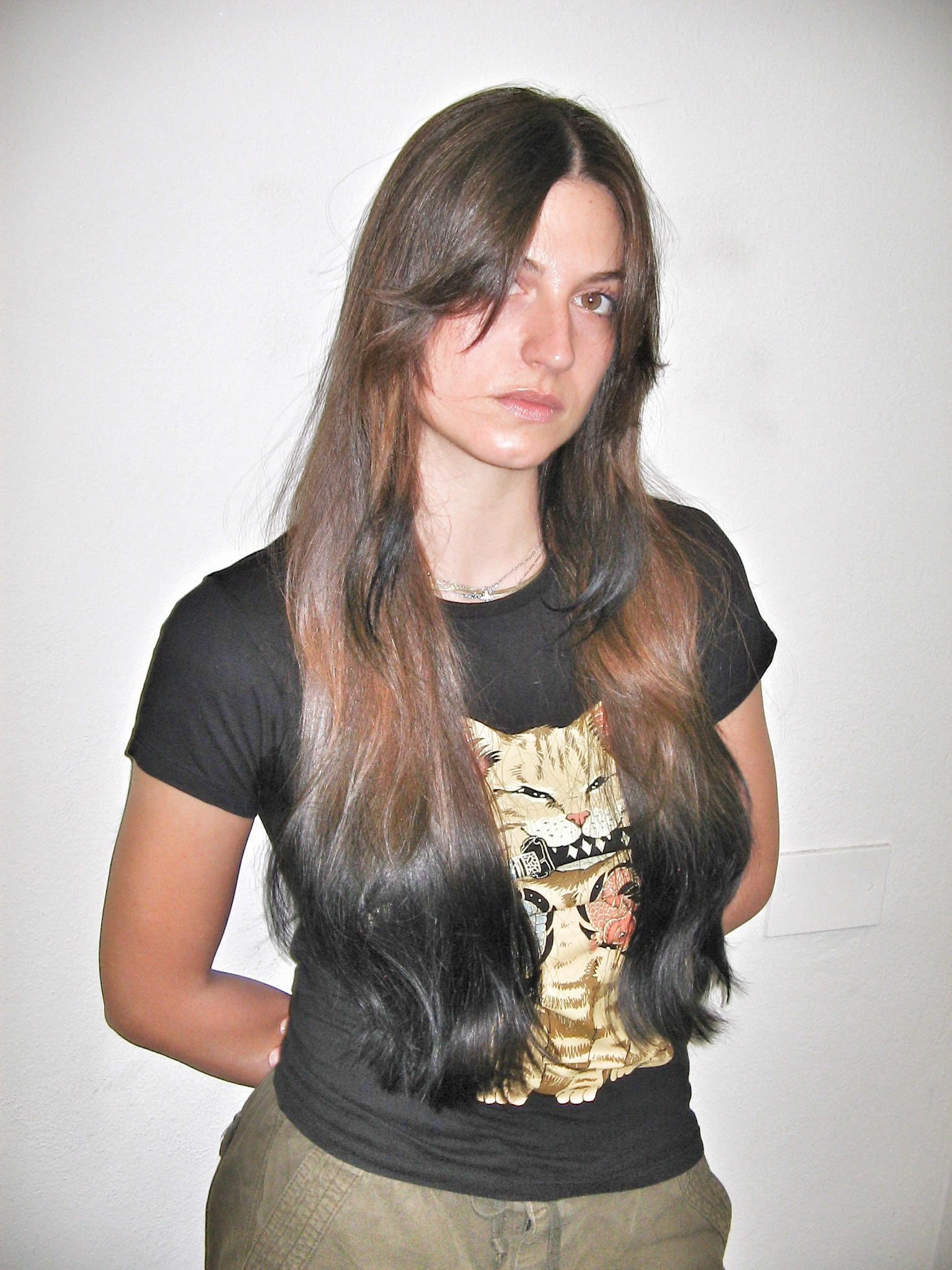
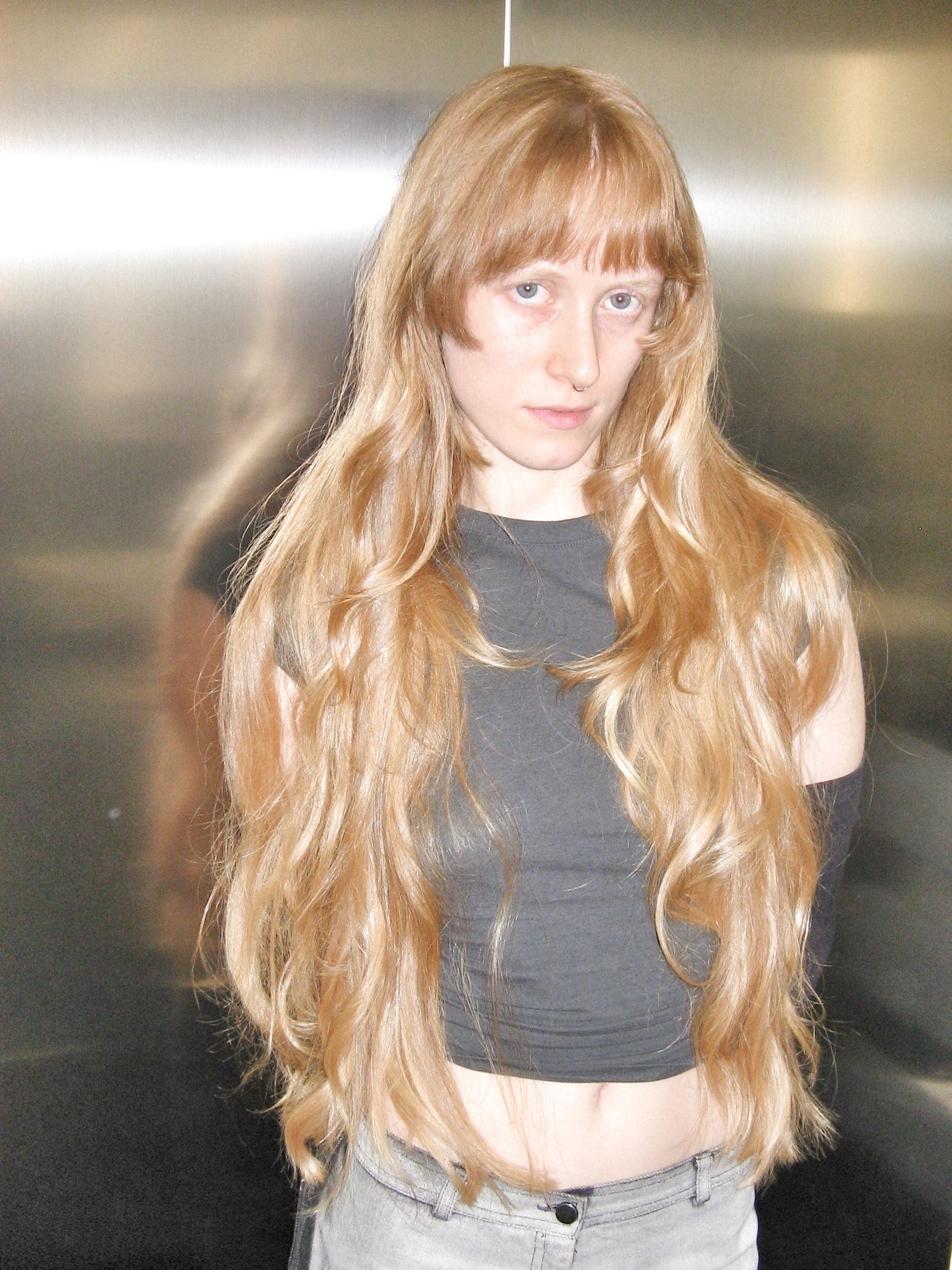
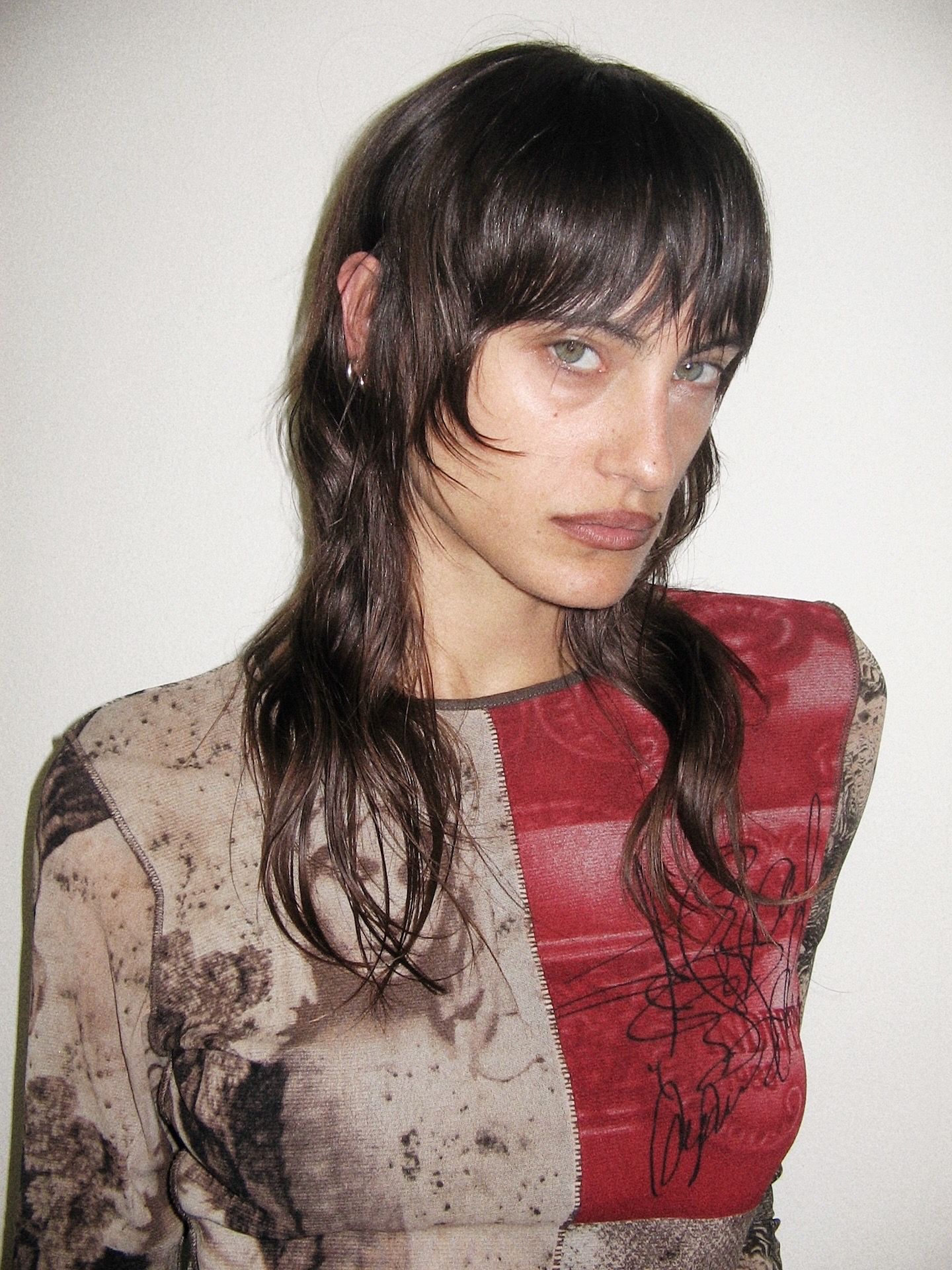
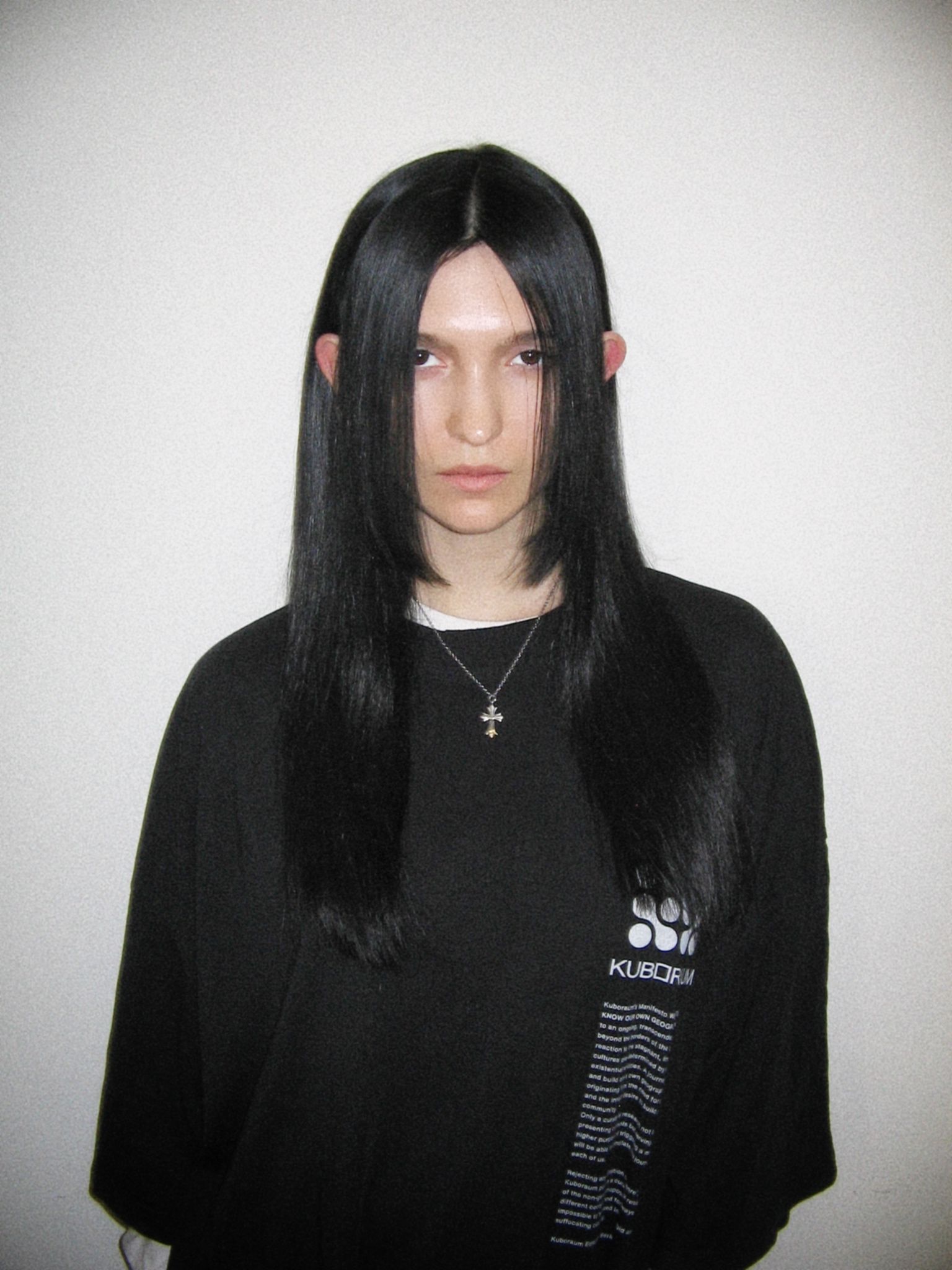
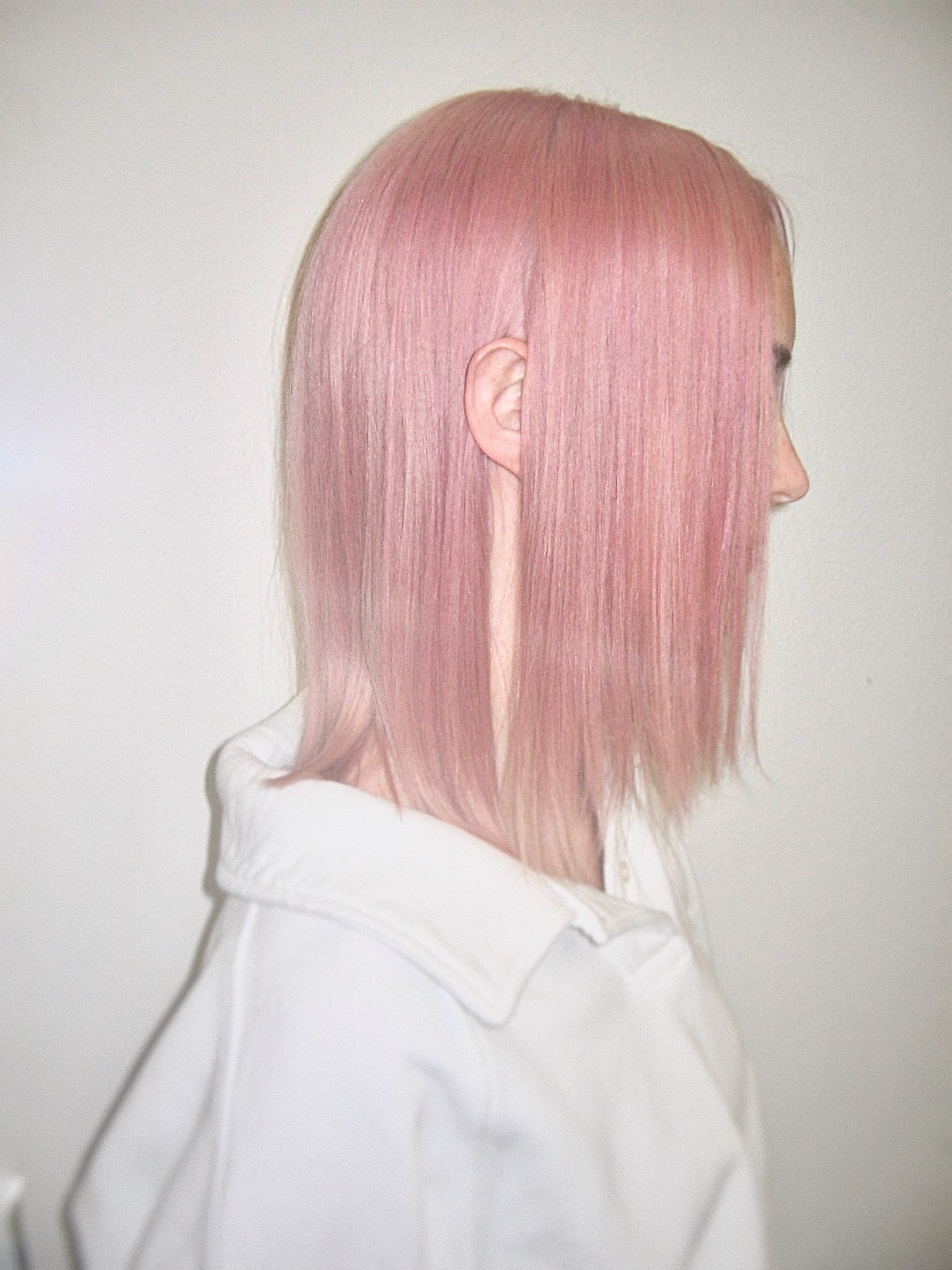
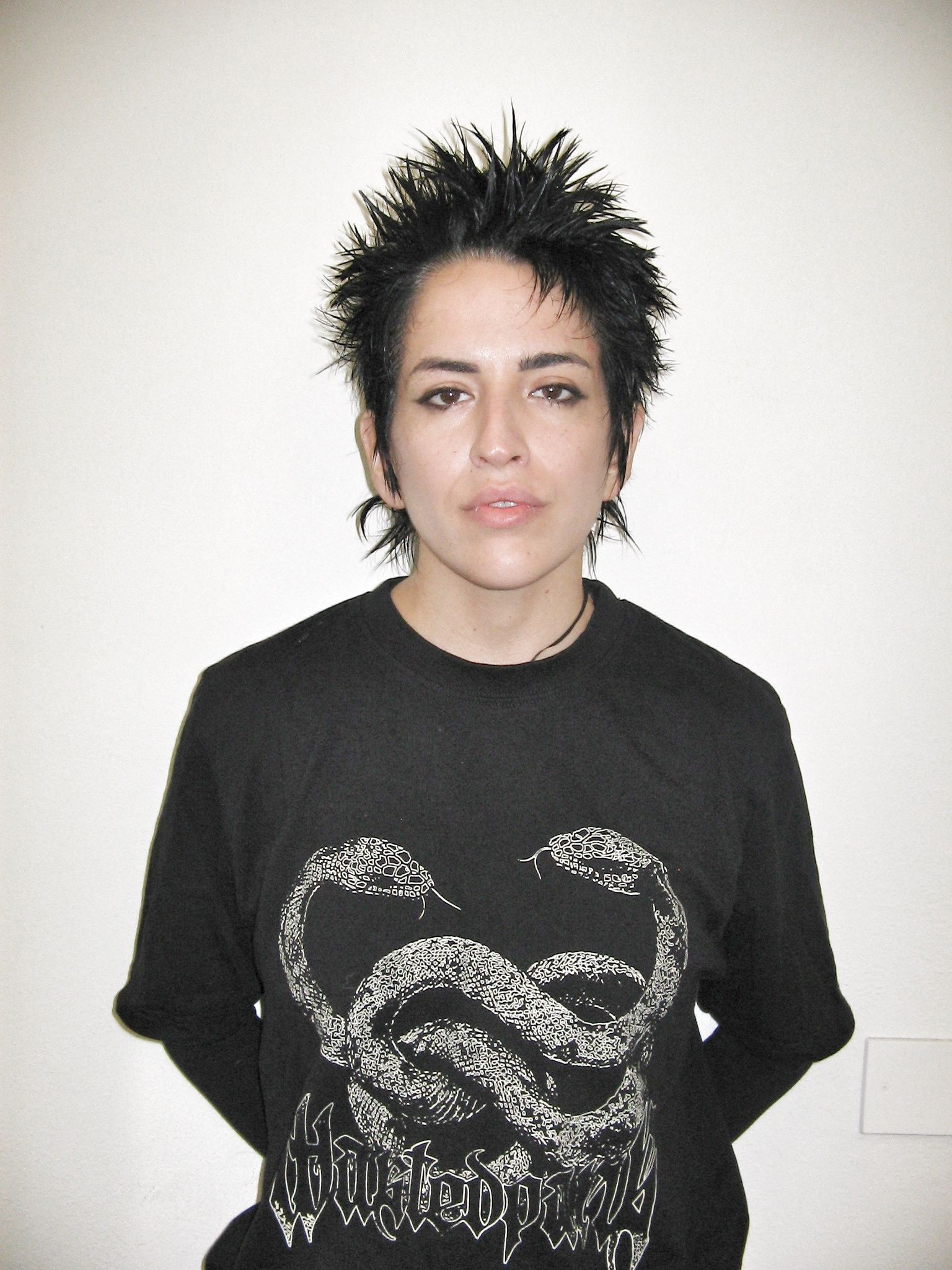
I don't chase pristine perfection; I look for something with real character that speaks truthfully about the person wearing it. A grungy, lived-in, raw finish if that matches your mood. Or sharp, meticulous precision if the cut you’re aiming for calls for that specific vision.
If you had to explain what sets Halle apart from a traditional salon, what would you say?
Halle came to life because I couldn’t find a space that genuinely resonated with who I am. I had traveled and immersed myself in various creative environments, but I struggled to see myself in the work culture around me. So, I decided to build my own. I wanted a studio open to freelancers, where creatives with diverse sensibilities could work while preserving their distinct artistic identity. Above all, I wanted to challenge certain dynamics in our industry. People talk constantly about creativity and hype, but far too little about the daily well-being of those doing the work. To me, Halle is about proving that you can maintain a strong creative identity without compromising people’s wellness. I never framed Halle as something that had to deliberately clash with conventional salons. I simply never related to that traditional definition. To me, it is a studio, a place where we do what we love with the same ease as cutting a friend’s hair at home. But taking the craft immensely seriously. At the end of the day, we cut hair, sure. But if you’re looking for a generic last-minute haircut, you’ve probably come to the wrong door.
How much do music, fashion, and underground culture shape Halle's identity and inspire your daily craft?
They’ve been part of my DNA long before Halle opened. I moved from the Veneto region to Milan at eighteen, discovering a vibrant creative scene I’d never experienced before. Then came Berlin, which served as my second school. I still remember walking into Berghain for the first time at nineteen. What struck me most was the absolute freedom people had to be themselves, completely unburdened by rigid aesthetic boxes. Tokyo was equally formative, especially its friction between hyper-futurism and deep tradition, and those authentic audiophile listening bars packed with archival vinyl. For me, underground culture isn’t an aesthetic template to copy-paste; it’s an attitude: experimenting, embracing risks, and never feeling obliged to do what everyone else is doing.
Cut versus color: where do you begin when truly transforming someone's look?
It always begins with an honest conversation. Before even thinking about cuts or color, we focus on understanding the human sitting in front of us, how they wear their hair day-to-day and what they wish to communicate. People often bring in a reference photo, but what drew them in isn't necessarily the technical cut itself. Often it's the attitude, the innate vibe of how that person carries their style. Our job is to pinpoint what lies underneath that reference, interpret how that imagery influenced their choice, and translate it into something deeply personal. And, most importantly, teach them how to style and maintain it. I could deliver the most stunning haircut in the world, but if you don't know how to style it the following morning, the work simply isn't complete.
Which aesthetic touchpoints are inspiring you the most right now, inside or outside hairstyling?
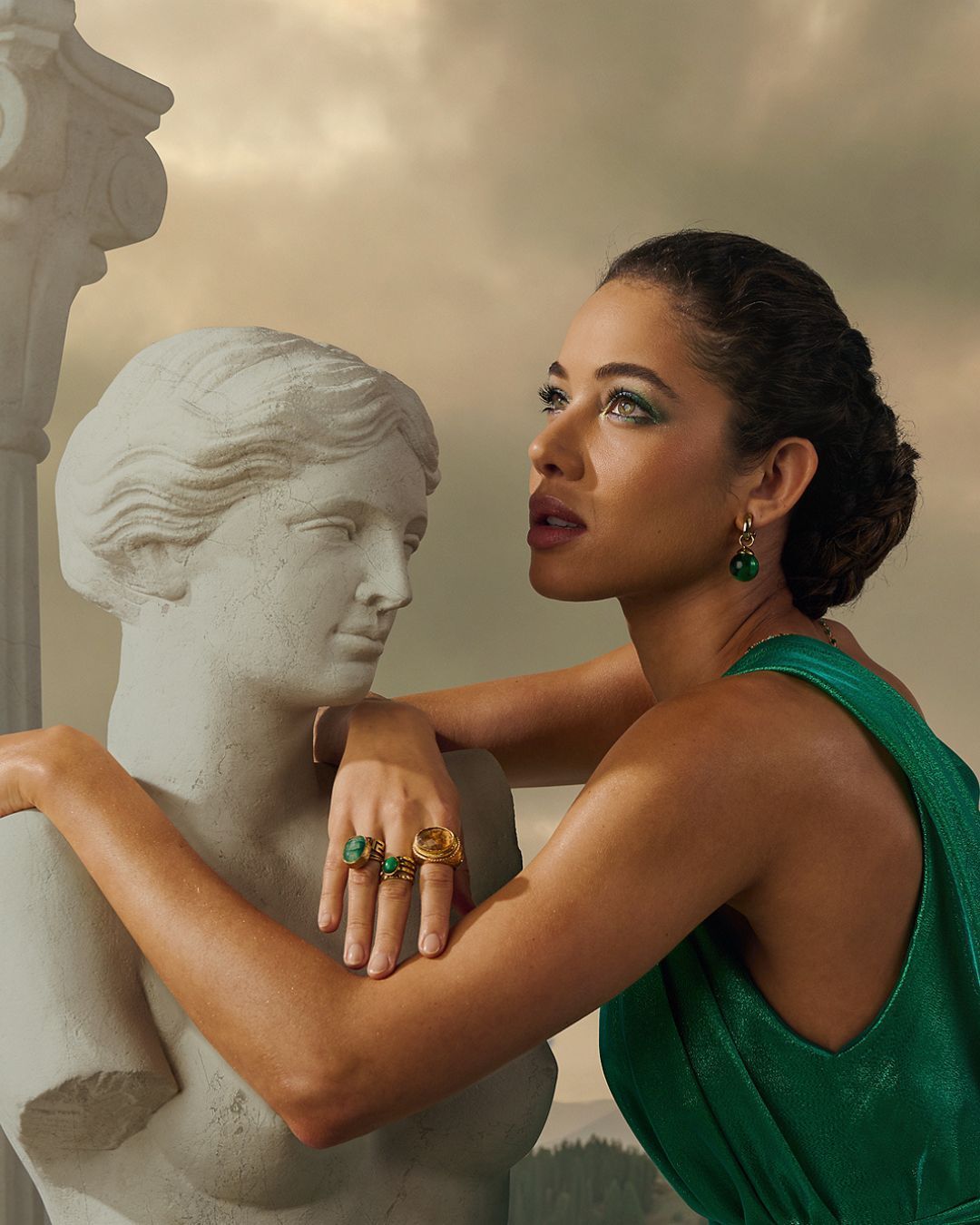
I make a conscious effort never to limit my inspiration solely to the hair world. The most compelling breakthroughs usually emerge from cinema, live gigs, travel, or an impromptu conversation. Recently, seeing Botticelli’s Primavera at the Uffizi Galleries in Florence completely shifted how I perceive hair. The tactile textures, the organic movement, the sculptural shapes, and how light interacts with every strand. I find it incredible that a painting over five hundred years old can directly impact how I approach a haircut today. True creativity always stems from these unexpected connections.
How does such a distinctive creative vision translate into daily studio life? How do you balance experimentation against client requests?
One major pitfall in our industry is mistaking raw creativity for an urge to show off technical prowess. I have zero interest in using a client’s head as a blank canvas to impose my own agenda. I care about co-creating something together through continuous dialogue. And to me, experimentation goes beyond hair, it defines our working culture. I want my team to feel empowered to cultivate their own intuition for why and how a look works. Technical training, study, and creativity must always move hand in hand.
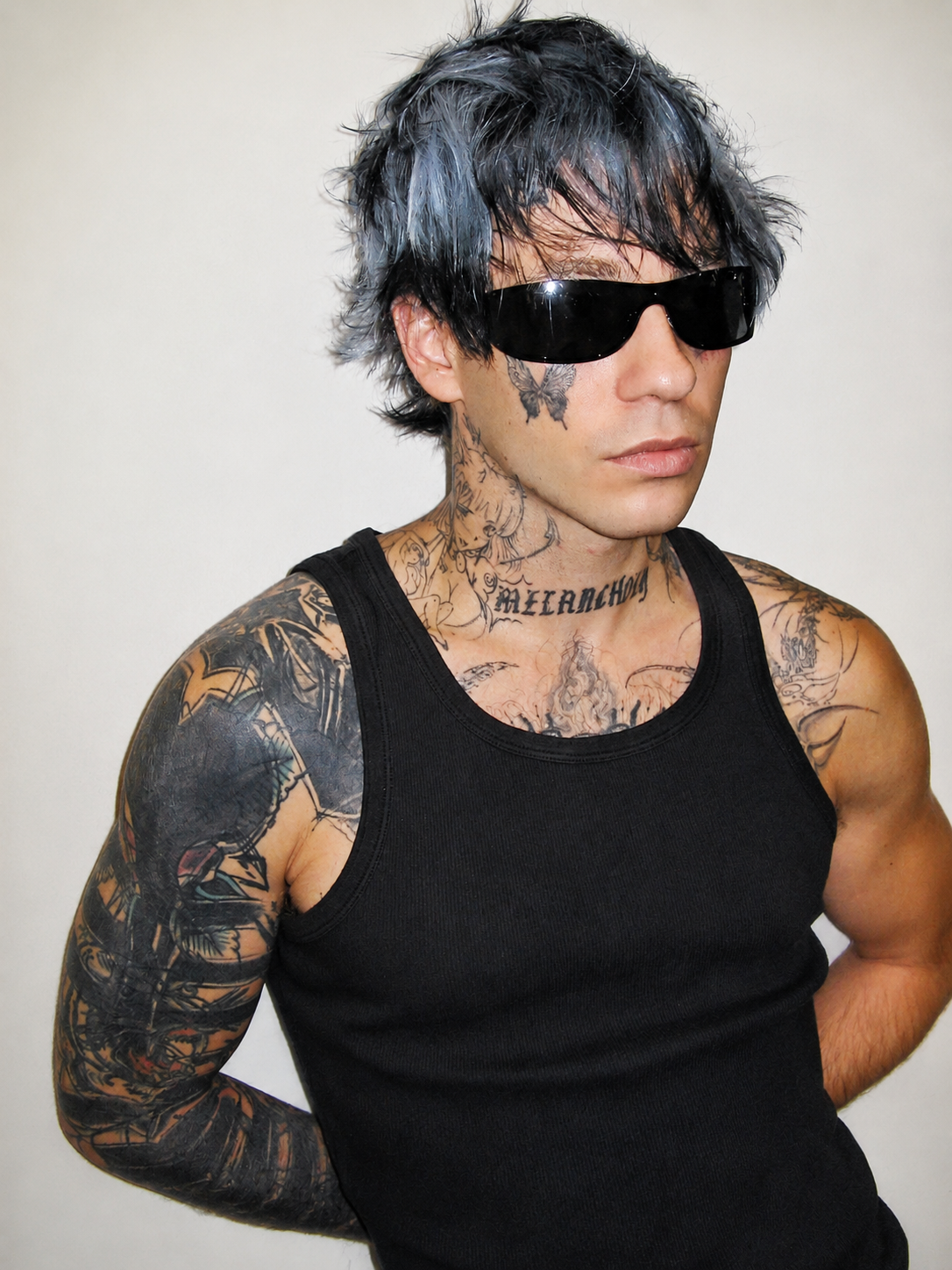
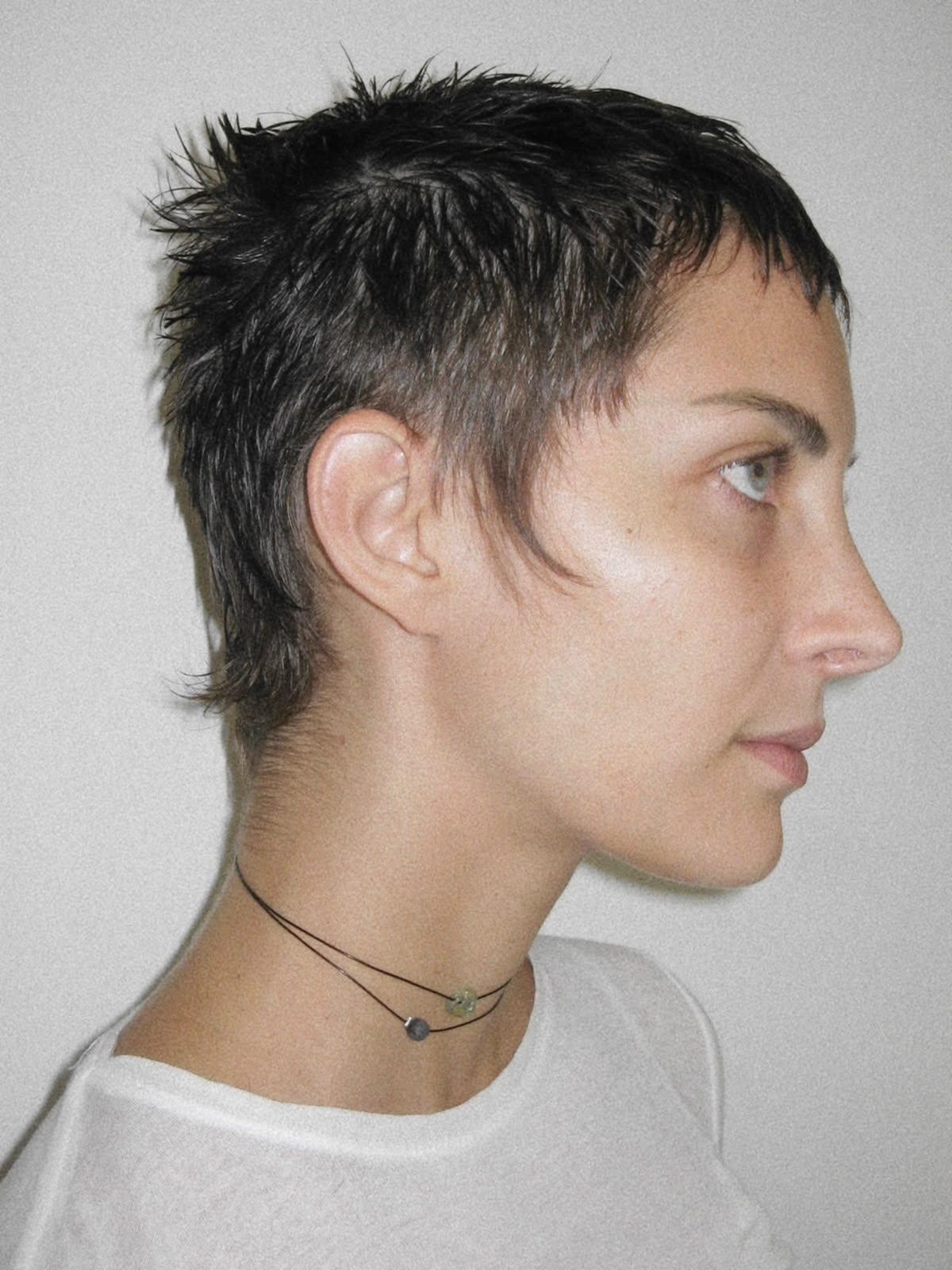
Do clients bringing AI-generated images as reference pose a challenge for hairstylists?
We don't necessarily treat them as a hurdle, but rather as an emerging tool we need to embrace and master. Artificial intelligence can be an intriguing starting point to explore uncharted silhouettes, but our craft goes far deeper than simply replicating an image. Our role is decoding the underlying idea behind the prompt and turning it into something authentic, wearable, and tailored to the unique individual before us.
Which hairstyle would you love to see more often out in the real world?
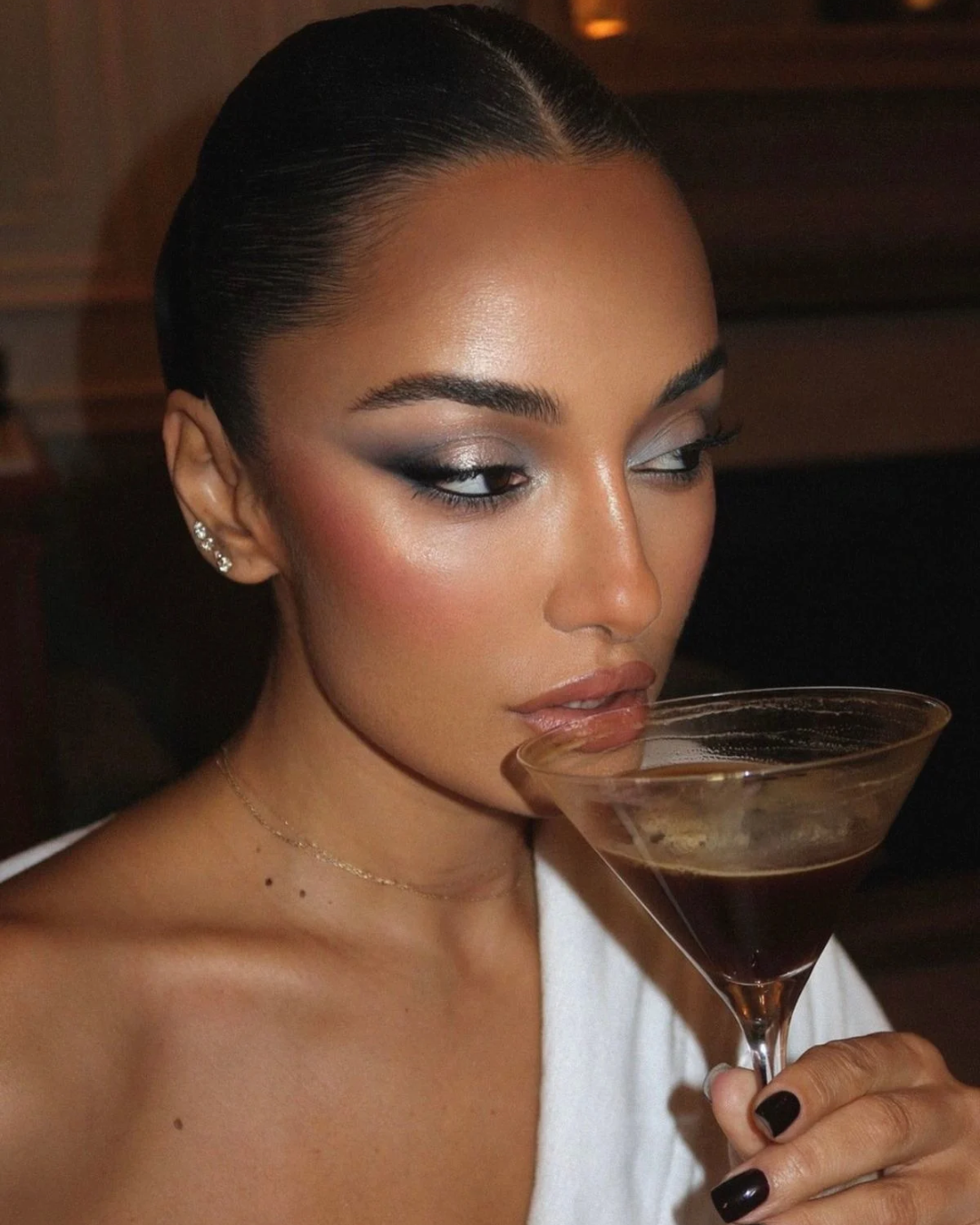
I’d love to see more cuts and styles that truly mirror the wearer, rather than just blindly following micro-trends. To me, it's about crafting something that feels entirely natural to the person wearing it, a look they see themselves in, feel completely confident carrying, and use to express themselves without hesitation. Hair should serve as a channel to amplify your personality, not a checklist to fit a fleeting aesthetic or mimic whatever algorithm is trending this week. Our job isn't making everyone look trendy; it’s helping people feel at home within their own identity.
