

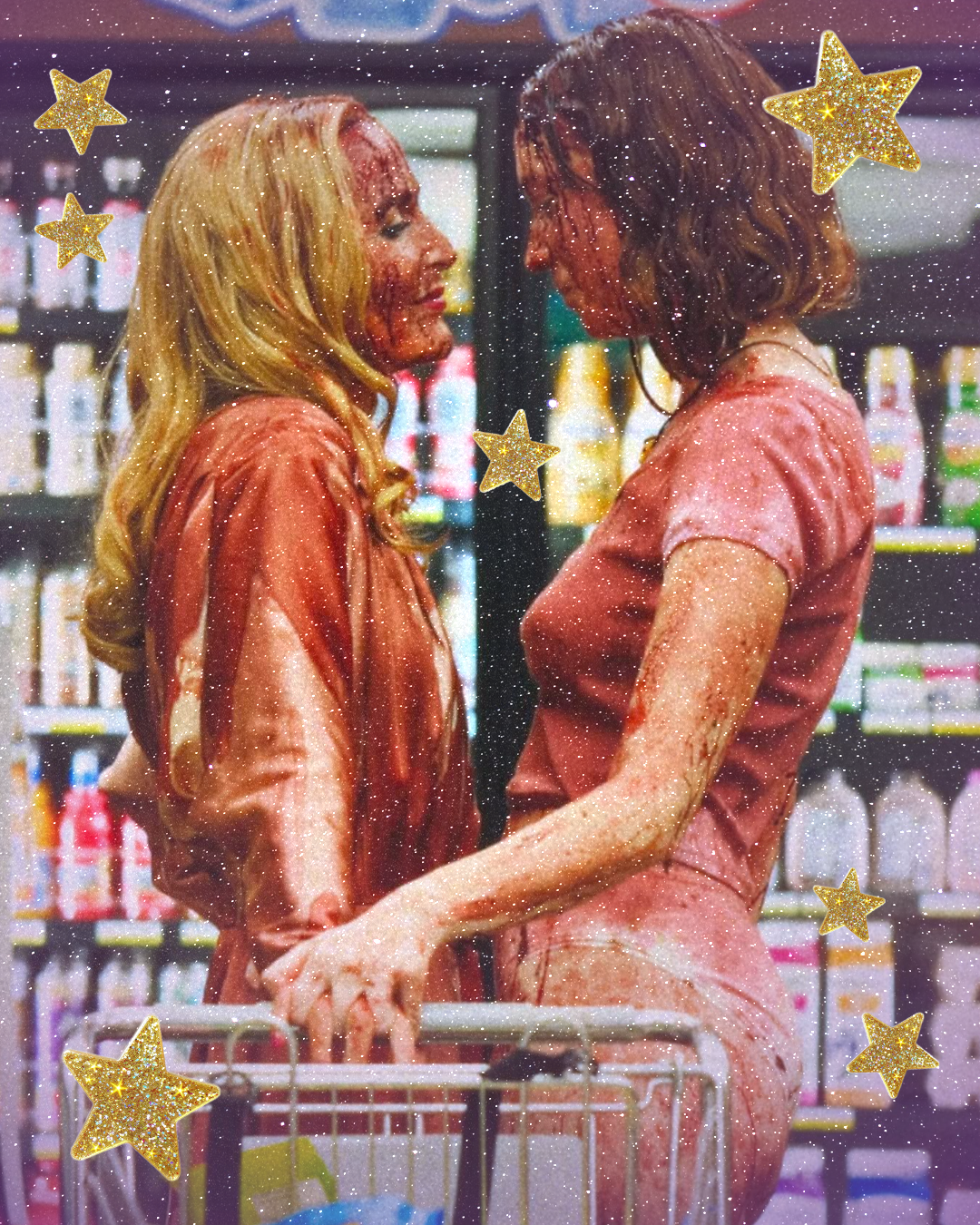
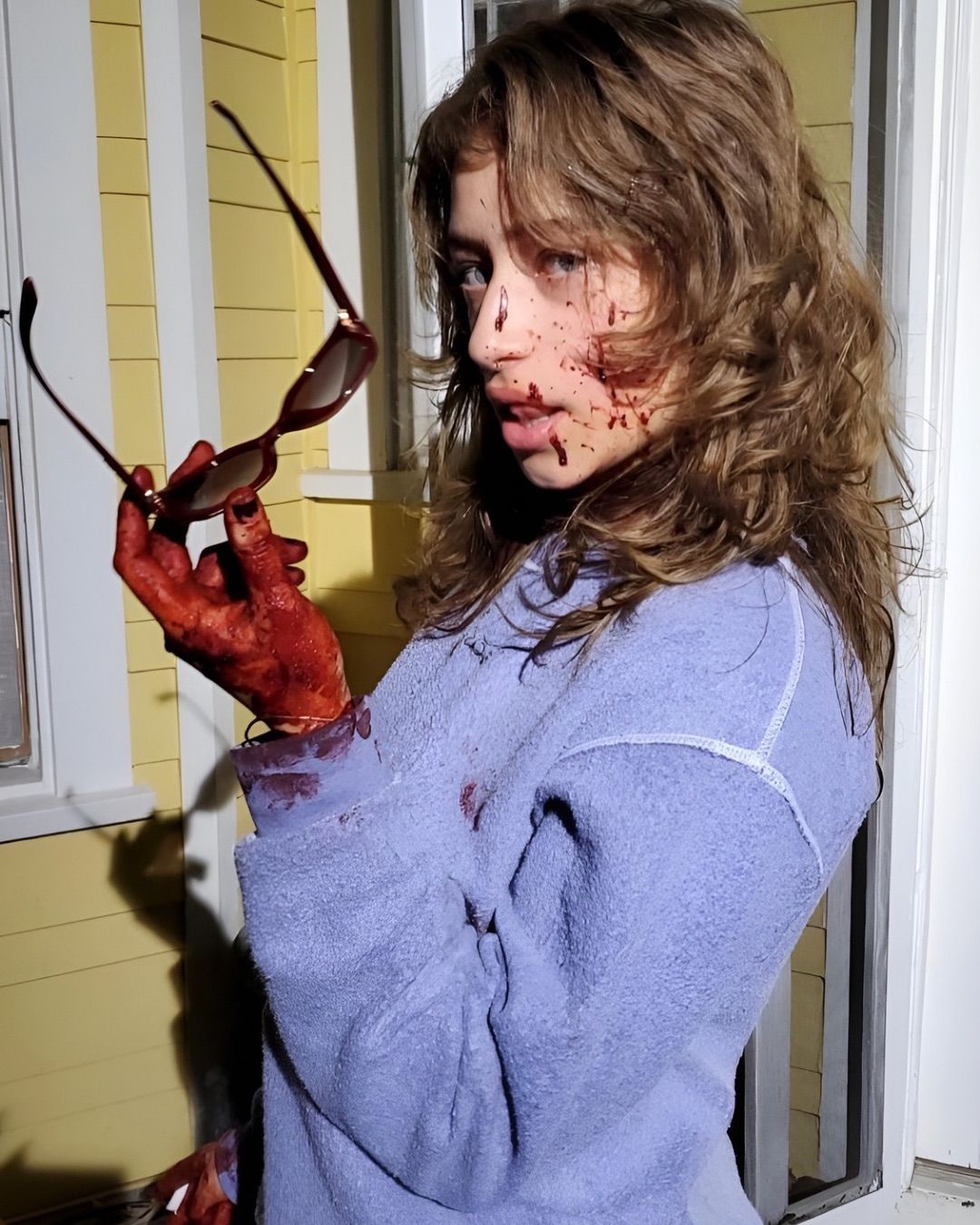
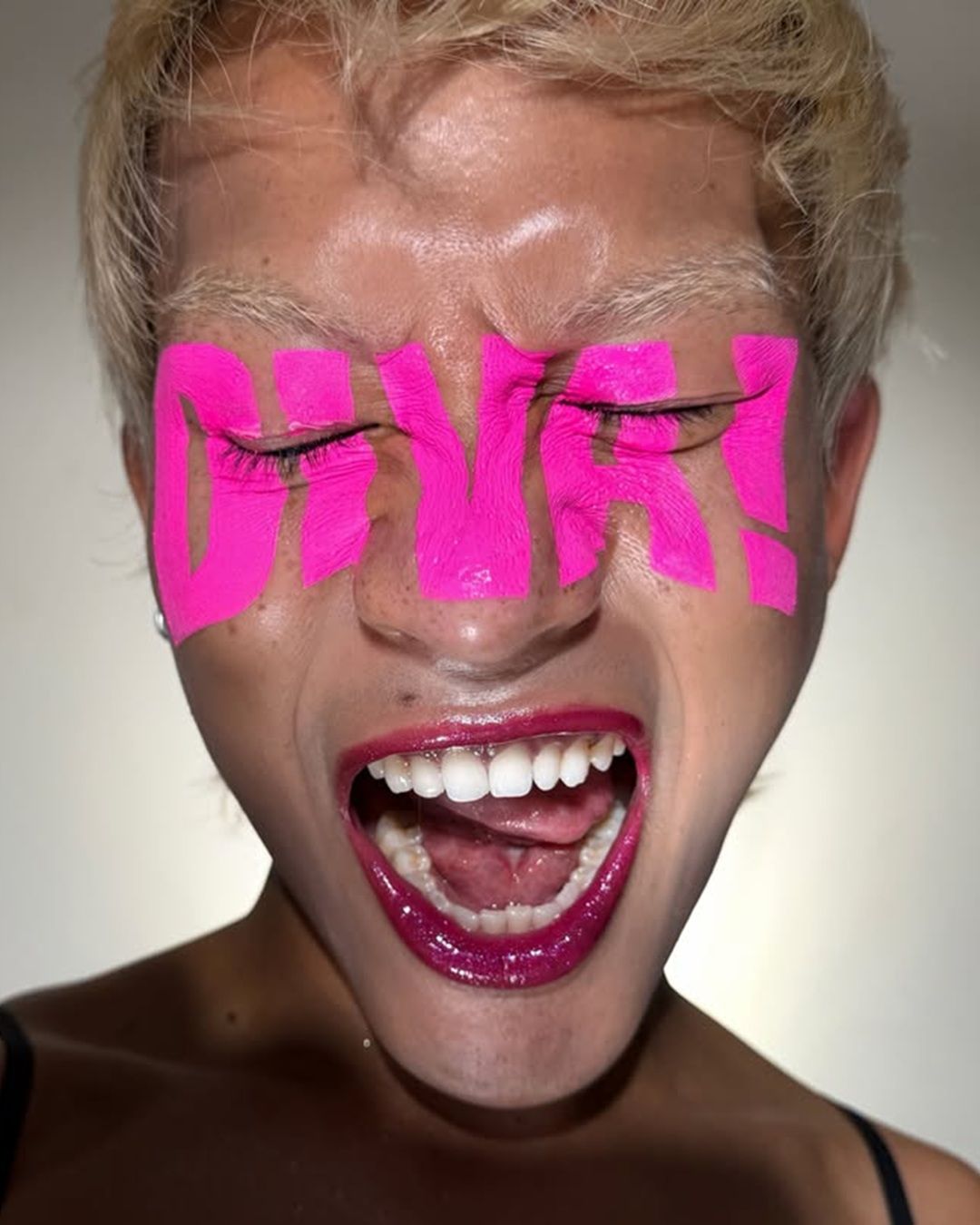


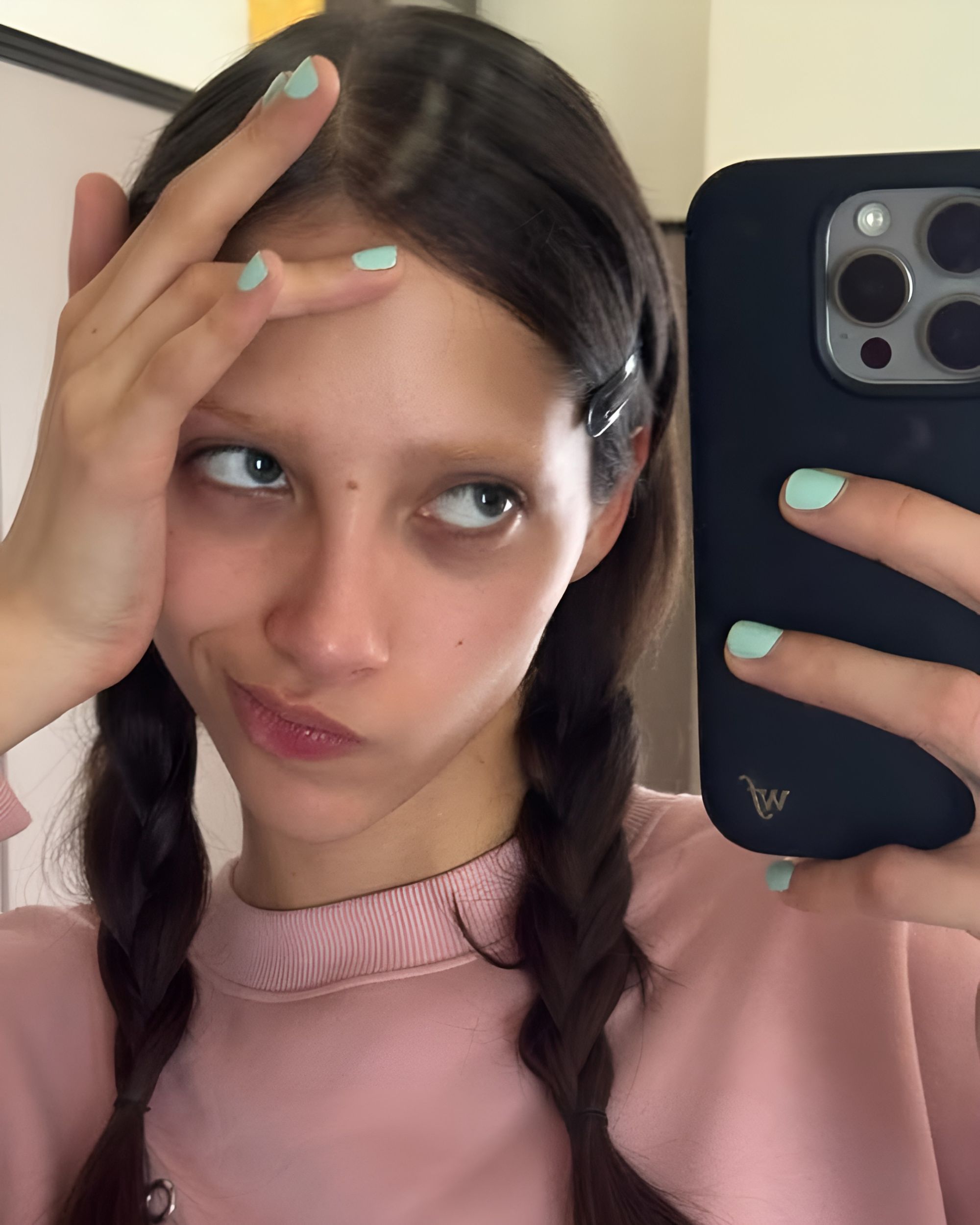










The trauma of being socialized as a woman is far more layered (and cute) than you think And it filters through adorable imagery, in a memification of pain explored in the book Traumacore
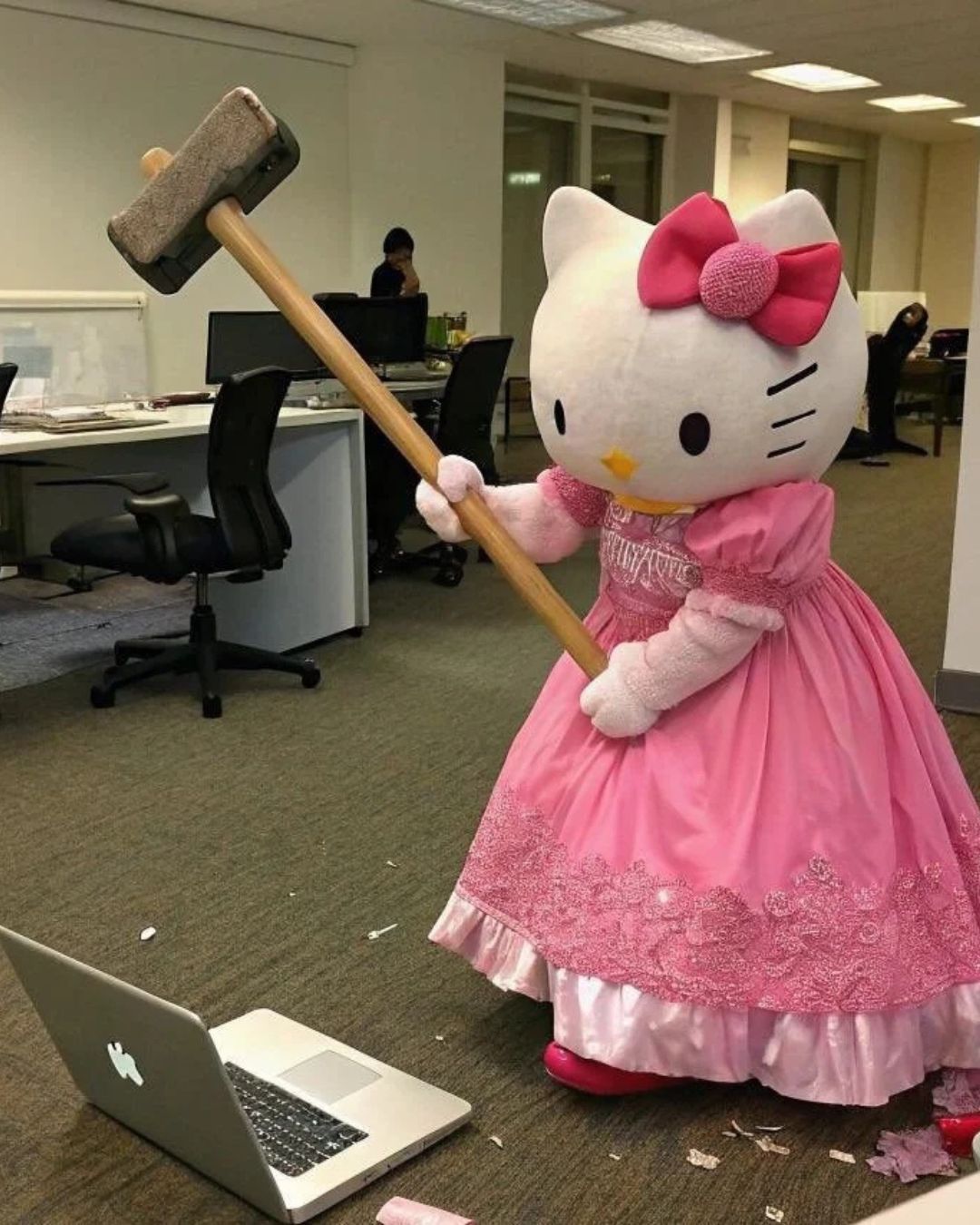
Remember the - sadly defunct - page Mymelodyseilatop? Now reincarnated as iosonolatop, it was an account posting imagery from the Hello Kitty universe overlaid with alarmingly relatable, empathic, and instantly recognizable text. Text that had (and frankly still has) the uncanny power to articulate what it actually feels like to be a girl or a woman today, at least on the surface. It’s just one example of a much broader visual aesthetic known as cutecore, which has plenty to say about contemporary girlhood.
From Mymelodyseilatop to performing dissociated, memified feminism
There are jokes about the pressure to lose weight, being broke, paychecks that never seem to drop, a chronic sense of alienation, and the stark dissonance between who you feel you are inside versus how you're perceived on the outside. Shared pop-culture references, boyfriends, and toxic situationships that end in getting ghosted. Naturally, there is an element of oversimplification, a feverish, hysterical schematization designed to get a laugh, because if you dwell on it too long it comes full circle into melancholy. The underlying mechanism, however, is unmistakable: beneath the surface, the unease is festering. Between one pastel character and the next, something begins to surface. It’s the sheer discomfort of navigating womanhood IRL first and online second; it's the performance of exhaustion mid-performance; it's paranoia, followed swiftly by dissociation in relation to the late capitalism-world we live in.
Traumacore: an hyper-contemporary essay on today's World, drenched in pink
This is precisely the thesis advanced by Núria Gómez Gabriel in Traumacore - Cronache di una dissociazione femminista, published by NERO Editions. Across a collection of essays that seamlessly pivots between personal diary entries, autofiction, and critical theory, the author maps out an underground current of contemporary feminism that, calcified by social media, turns dissociated, gothic, and sinister. To this, she links not only cutecore, but also crip art, hentai, and pro-ana blogs, peep shows via webcam. According to the author, cis-hetero white feminism is an ideological trap, and the aesthetic of the wound serves both as an attempt to tear free from it and as a direct symptom of our lingering distress within its walls. This distress, maybe, can create new ways of expressing themselves and new artistic movements.
As Gabriel argues, dissociation - a defining condition of heterosexual white womanhood - emerges on the heels of despair. A dissociated feminism would therefore demand "the crafting of an ethics of disorientation within a world inhabited by hetero-patriarchal dread and desperation that stumbles and collapses in on itself." This dissociation is amplified by social platforms, by surveillance and self-policing, by censorship and internalized censorship, in an inherent inability to conform to hegemonic expectations.
A gaze into the present, and perhaps the future
The prose is unflinchingly raw in places, the bibliography extensive, and the reading process an absolute ride. It feels like a roller coaster where moments of "yikes, that's vile" crash headfirst into "damn, this is painfully true" and "I’d never framed it like that before." The book doesn't hand out neat solutions; instead, it asks the exact right questions. Its greatest strength lies not just in being razor-sharp and hyper-contemporary, but in delivering a vision of our post-social world that, while sometimes bleak and introspective, brims with insights rarely encountered in mainstream publishing.
What to read next

What pushes a complete non-runner to sign up for the Rome Half Marathon?
It's Zalando's fault, mainly
Il profilo dell’altra and Giorni felici: two stories about female characters, two wasted opportunities
One is directed by Francesco Bruni, the other by Susanna Nicchiarelli. Both were presented at the Rome Film Festival