

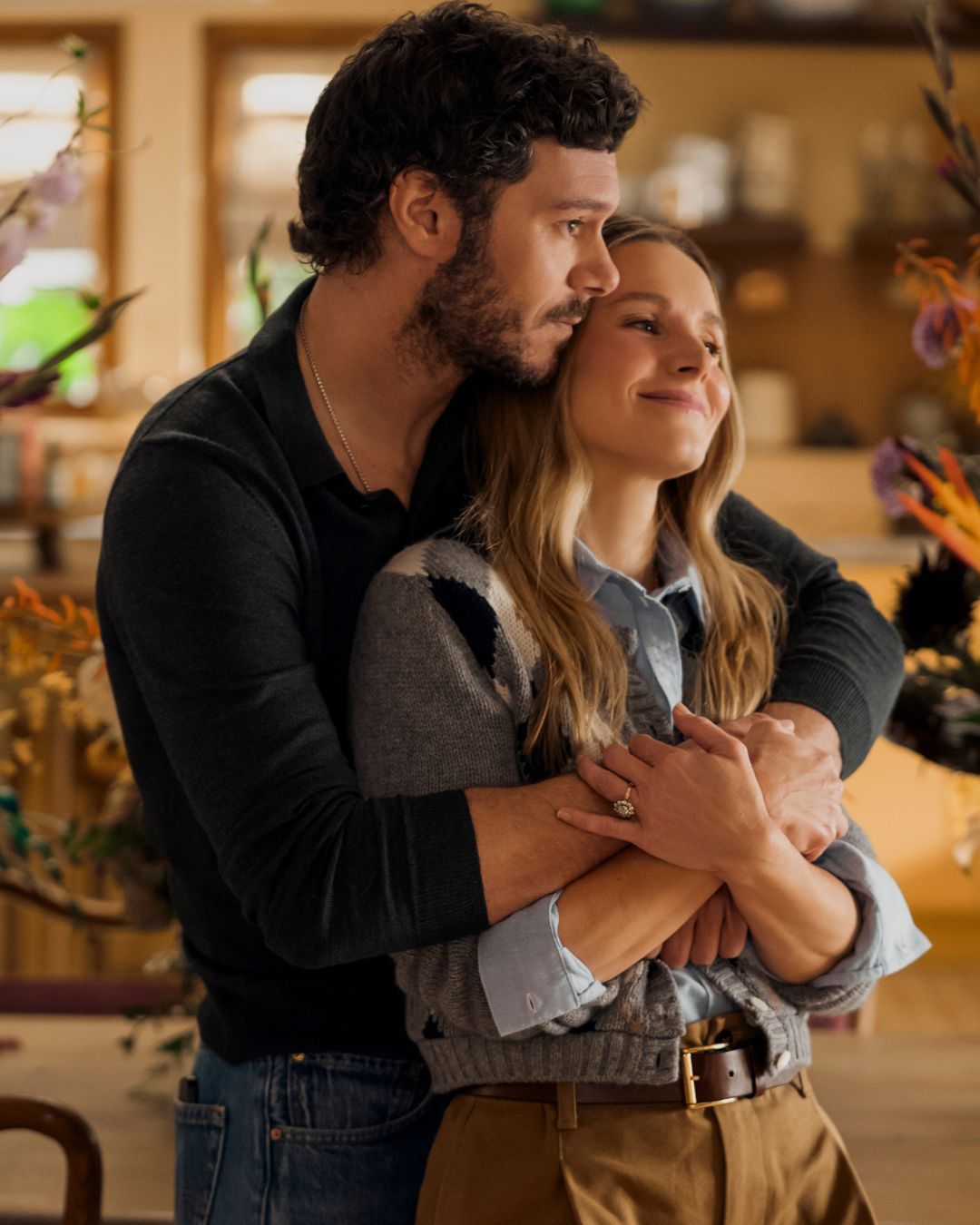
Happy couples are boring? In movies and tv, we like love only when it's really complicated
When we picture life as a couple, we tend to skip quite a few steps. We picture falling asleep together every night, lazy Sunday mornings in bed, and turning practically any given day into a romantic date. But then you actually move in together and realize a huge chunk of intimacy comes down to asking if we need toilet paper. There are dishes to wash, someone snoring, laundry nobody wants to hang out to dry, and the question "what are we eating tonight?" repeated so many times it loses all meaning. It’s all about utility bills, shower schedules, juggling family visits on weekends, and arguing over who left that random item sitting there for three days. Nothing cinematic. Hardly anything romantic.
The obstacle to love is what makes it entertaining, as movies and TV shows have taught us
When you think about it, it's no accident that movies and TV series have always zeroed in on how two people end up together rather than what happens next, once they commit to sharing daily life. The romcom, after all, is built entirely around the hurdle. Coupling up is one of its core narrative pillars: two people cross paths, something keeps them apart, and the story feeds on the friction between them. More often than not, the finale lines up precisely with conquering the conflict. The kiss finally lands, doubts vanish, and we all head home happily ever after.
Romantic TV tropes vs. the reality of real-life stability
Pop culture has engineered countless iterations of the very same dilemma. Romantic tropes have basically morphed into mini-genres of their own: right person at the wrong time; wrong person at the right time; the ex resurfacing; long distance; two people desperately in love who somehow spent thirty years on this planet without learning basic communication skills to save their lives. Desire works wonders this way because it is constantly projected forward. There is always another shoe waiting to drop, leaving us glued to the edge of our seats, bracing for what we already know is bound to happen. Stability operates on an entirely different rhythm. It doesn't keep you on edge; domestic hurdles aren't poetic trials to suffer through. Once the relationship is locked in, the plot runs out of reasons to ask what comes next, the dramatic tension is gone. Suddenly, writers have to figure out what characters actually do with the goal they've reached, now that heartache and high drama are thankfully out of the equation. TV shows have had to wrestle with this far more than movies. A film can always wrap on the big romantic kiss. A show renewed for five more seasons has to figure out what to put on screen the following week. Too often, the fallback is simply breaking them up all over again.
Ross and Rachel, but also Nobody Wants This on Netflix
Ross and Rachel remain the textbook case. Their dynamic on Friends generated endless material precisely because it was never allowed to settle. Meanwhile, quietly in the background, Monica and Chandler took a route that was far less theatrical yet vastly more realistic and, in its everyday normalcy, far more romantic: getting married, trying for a baby, buying a house. It’s not that their problems vanished - life still happened - but the relationship didn’t need to stay in perpetual crisis mode just to keep us invested. That’s roughly the territory Nobody Wants This is stepping into. Season three, streaming on Netflix from October 22, kicks off with Joanne and Noah moving in together. After two seasons built around their mismatched lives, the showrunners chose not to cook up yet another will-they-won’t-they dynamic. It sounds straightforward, but it makes entertaining the audience way harder, because making someone feel thrilling when you can't have them is easy. You can idealize them, fill the blanks with wishful thinking, and turn every casual date into proof of divine fate. Having them right there beside you every morning, however, forces you to confront the least cinematic, least sexy realities.
Why do happy couples feel so boring to us?
Which brings me to the real question: how did we end up confusing romantic chemistry with instability? And why does a genuinely happy couple strike us as dull or even slightly cringe? Just look at our vocabulary for the beginning of a relationship: sparks, butterflies, instant chemistry, the honeymoon phase. But the moment things get secure, it’s labeled routine, as if passion inherently belongs to uncertainty and comfort is something to resist. Boredom in long-term relationships can certainly happen. A 2023 study in The Journal of Sex Research surveying over 3,000 adults found that a quarter of participants reported feeling bored in their partnership. But don't worry, the findings also reveal something far less grim. While monotony and stagnation definitely fuel boredom, shared experiences, emotional closeness, independence, and personal autonomy directly push back against it. Stability isn't inherently boring, but keeping it alive requires effort. When you break it down, the issue isn't that happy couples are inherently dull; it's that we’ve spent so much time being sold on the rush of choosing someone that we’ve forgotten how romantic it is to keep choosing them once there is nothing standing in the way.
What to read next

What pushes a complete non-runner to sign up for the Rome Half Marathon?
It's Zalando's fault, mainly
Il profilo dell’altra and Giorni felici: two stories about female characters, two wasted opportunities
One is directed by Francesco Bruni, the other by Susanna Nicchiarelli. Both were presented at the Rome Film Festival