






































Do we want to smell like nature because we are scared of the climate change? Between global crises and digital burnout, green notes are once again taking center stage in perfumery
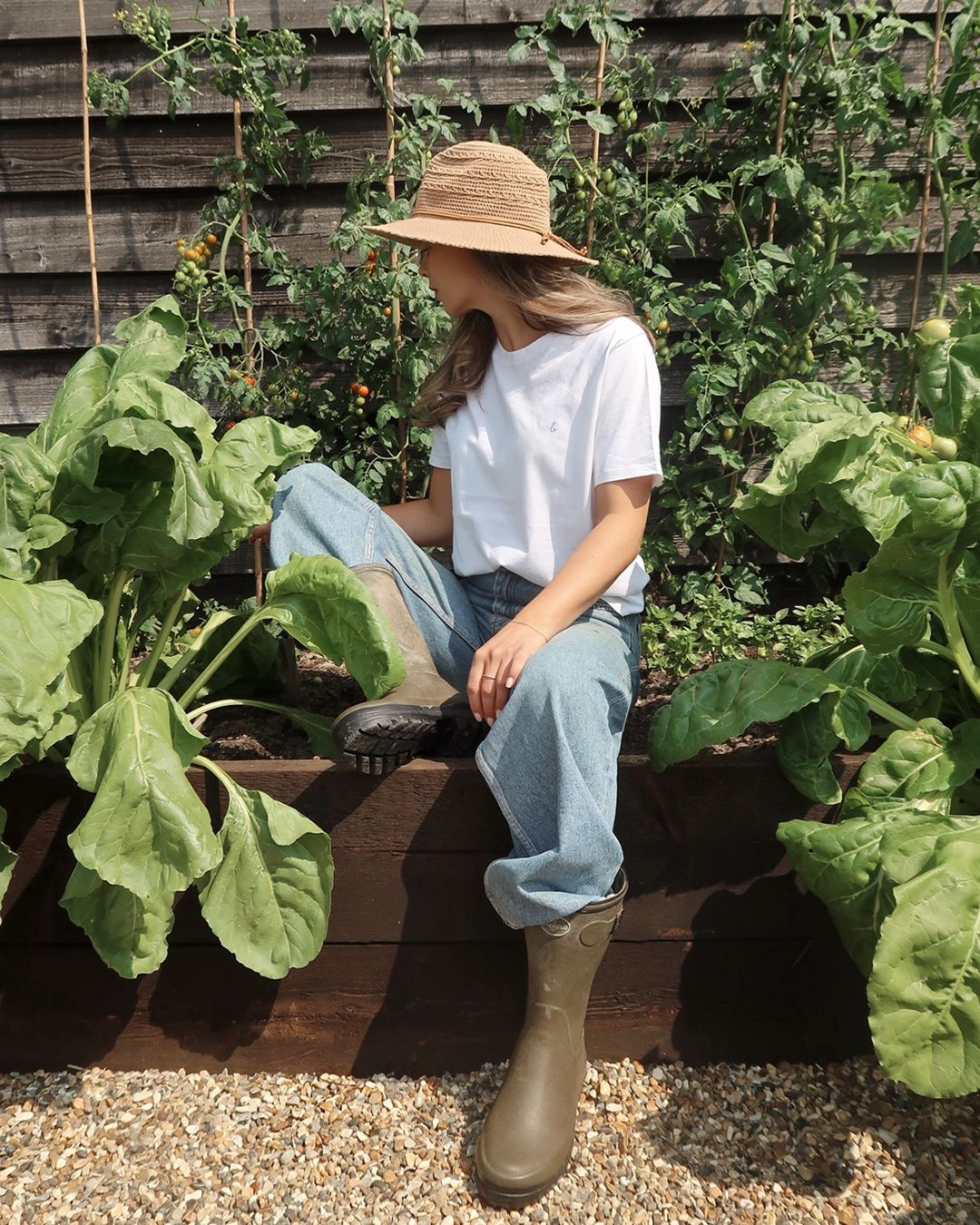
In recent years, gourmand fragrances have had no real competition. Vanilla, caramel, chocolate: the opulence of sweet, intense notes has dominated both niche and mainstream perfumery, turning fragrances into something almost edible. Now, alongside all that sugary abundance, there seems to be a growing desire to smell like leaves, grass, and gardens. To go outside and touch grass, in every sense of the expression.
What does a green fragrance smell like?
Think of the scent of a leaf crushed between your fingers, a freshly snapped stem, or freshly cut grass. In perfumery, the adjective “green” describes precisely this vegetal impression: a freshness that can be sharp, bitter, damp, or resinous. Among the raw materials used in perfumery that recreate this effect is galbanum, a resin with an intense, herbaceous, earthy smell. The palette also includes violet leaves, blackcurrant buds, and accords that recreate the scent of plants. This olfactory nuance can run through very different compositions, lending a floral bouquet extra freshness or bringing the feeling of a forest floor to a woody fragrance. In fact, perfumery's familiarity with the plant world has a long history. Vent Vert by Balmain, launched in 1947, had already made galbanum one of its defining ingredients. In the 1970s, Chanel N°19 built its identity around the contrast between the vibrancy of this note and the delicacy of iris. Green notes, in other words, had their moment in the spotlight long before we started talking about digital burnout.
In search of a Locus Amoenus, even an olfactory one
Today, however, it is tempting to interpret this rediscovery in light of the times we live in. We spend much of our time indoors, often sitting down, our eyes glued to one scrolling screen or another. Meanwhile, we are bombarded with news verging on the catastrophic and presented with a future at the mercy of artificial intelligence, supposedly destined to take over and, in the most apocalyptic scenario, kill us all. It is hardly surprising that we might long for an escape: a return to a locus amoenus, an idyllic place that exists more in our imagination than in the physical world, with nature as its perfect embodiment. As Françoise Guermeur, creative director of IFF's perfumery team, explained to WWD, “today, concerns about climate and well-being, together with urban living and digital overload, are pushing consumers to seek a stronger connection with nature.” In a world defined by uncertainty, this search can become a small refuge: a way to evoke something familiar and reconnect with a part of ourselves.
What do today's green fragrances smell like?
Recent launches show just how many different forms this imagery can take. In I Will by Giorgio Armani, a violet leaf accord meets bergamot and lavender, while the composition unfolds into vanilla and woody leather notes. Here, green notes find their place in a warm, intense fragrance: a kind of enveloping embrace to take shelter in. Sous les Pins from Chloé's Atelier des Fleurs collection, on the other hand, evokes a walk beneath Mediterranean pine trees. Perfumer Quentin Bisch draws inspiration from the landscapes of southern France, with eucalyptus contributing to the composition's aromatic, resinous character. Two different interpretations of the same inspiration, both drawing on nature in its purest form. The return of green notes in perfumery can be read as a desire to recapture a sense of calm. We like the idea of wearing a place where we have felt good, or somewhere we would like to return to. A small fragment of serenity to hold on to, even when everything around us seems to be descending into chaos.
What to read next

Party fragrances are back to stay
The fragrances that turn up the heat are the latest obsession among it-girls

Scents that remind you of a church
Why settle for vanilla and white musk when you can smell like an 6 p.m. mass?