

































LVMH Q3 2026: beauty saves the day LVMH's quarterly results highlight strong performance in fragrances and retail, with Dior and Guerlain holding steady, while Sephora surges
Luxury isn’t dead, but lately it seems to need a double espresso. In the first nine months of 2026, LVMH reported €57.1 billion in revenue, with organic growth of 2%, despite a 2% decline at reported exchange rates compared with the same period in 2025. In the third quarter, sales reached €18.5 billion, with organic growth of 1%. The slowdown in Chinese consumption continues to weigh on performance, while the United States, Europe and Japan are showing positive trends. And while the Fashion & Leather Goods division, which includes some of the group’s most important maisons, such as Louis Vuitton and Dior, declined by 5% in the quarter, beauty proved more resilient. Why? A lipstick or a perfume offers a little dose of glamour without tying up an entire paycheck until the next seasonal wardrobe change. Mascara hasn’t defeated the economic crisis, of course, but luxury beauty products offer a more accessible entry point into the world of major luxury maisons, as well as a market where brand loyalty can translate into repeat purchases. In times when consumers are watching their wallets, even the way we indulge in luxury is changing.
Dior and Guerlain, when desire has a scent
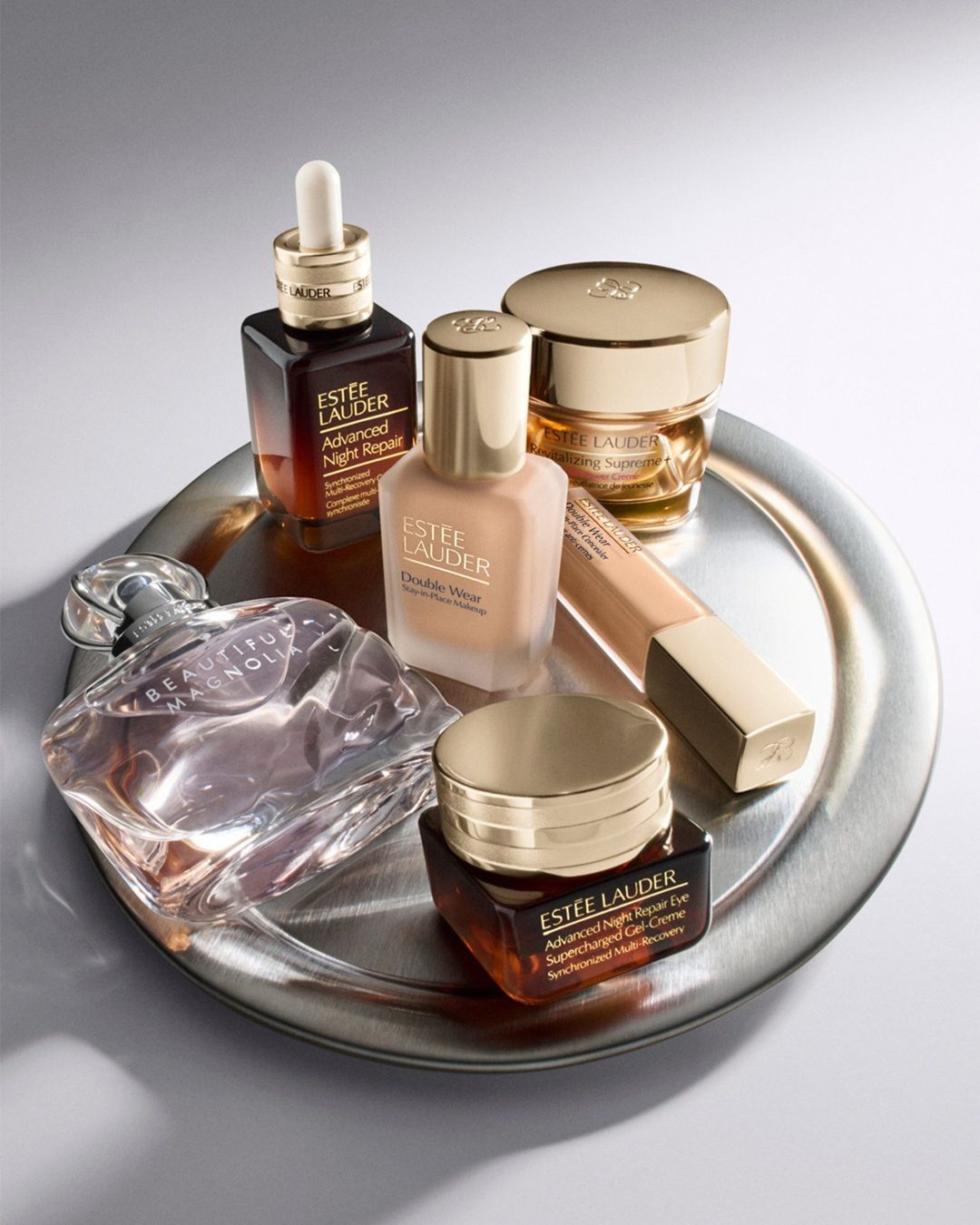
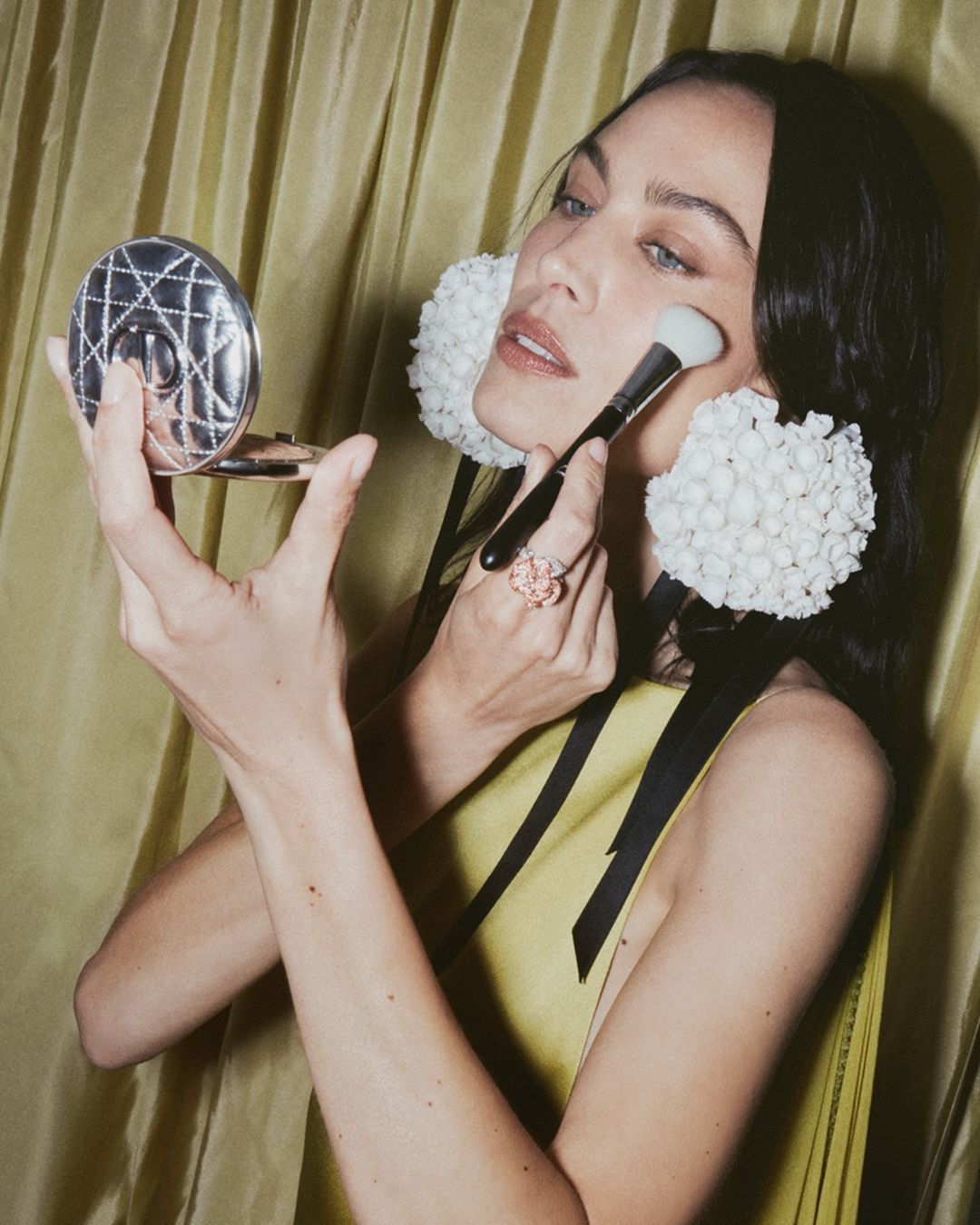
In the first nine months of the year, LVMH’s Perfumes & Cosmetics division generated €5.92 billion in revenue, compared with €6.04 billion over the same period in 2025. The 2% decline at reported exchange rates coincided with flat organic growth, while third-quarter revenue rose by 1% organically to approximately €2.01 billion. Translated from financial-report language, the business isn’t exactly accelerating, but it is managing to hold steady in an unfavourable environment. Its main pillars are the historic maisons and a strategy that embraces beauty innovation without abandoning the products audiences already recognise. Dior Beauty benefited from J’adore Intense, Sauvage Extrait and the new eau de parfum versions of Dior Addict. New fragrances from La Collection Privée and the contribution of makeup, particularly the Forever and Backstage lines, rounded out the picture. Guerlain recorded significant growth thanks to L’Heure Bleue, the L’Art & La Matière and Aqua Allegoria collections, and renewed momentum for its Rouge G lipstick. Parfums Givenchy continued to invest in L’Interdit, Maison Francis Kurkdjian expanded its Oud collection, and Acqua di Parma celebrated 110 years of history. The thread connecting them is clear. In a crowded beauty industry full of viral launches, independent brands and products promising to change your life in three applications, LVMH continues to invest in recognisable formulas, fragrance heritage and brand identity. Luxury perfume in particular remains a strategic category, capable of driving desirability and repeat purchases without relying exclusively on major seasonal launches. The risk, of course, is mistaking a strong heritage for a guarantee of endless growth and forgetting that even icons must keep speaking the language of the present to stay relevant.
Sephora, the beauty business that’s really taking off
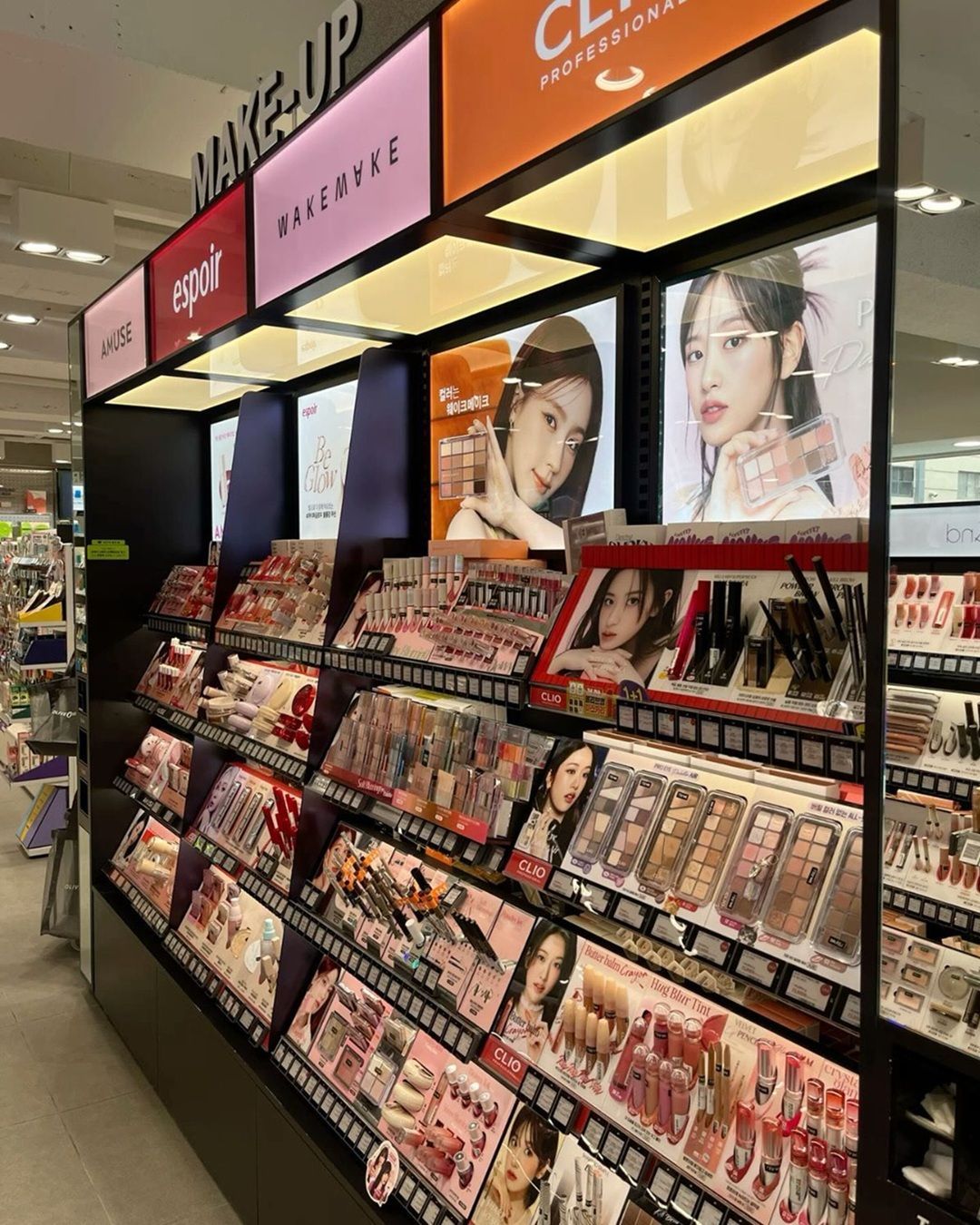
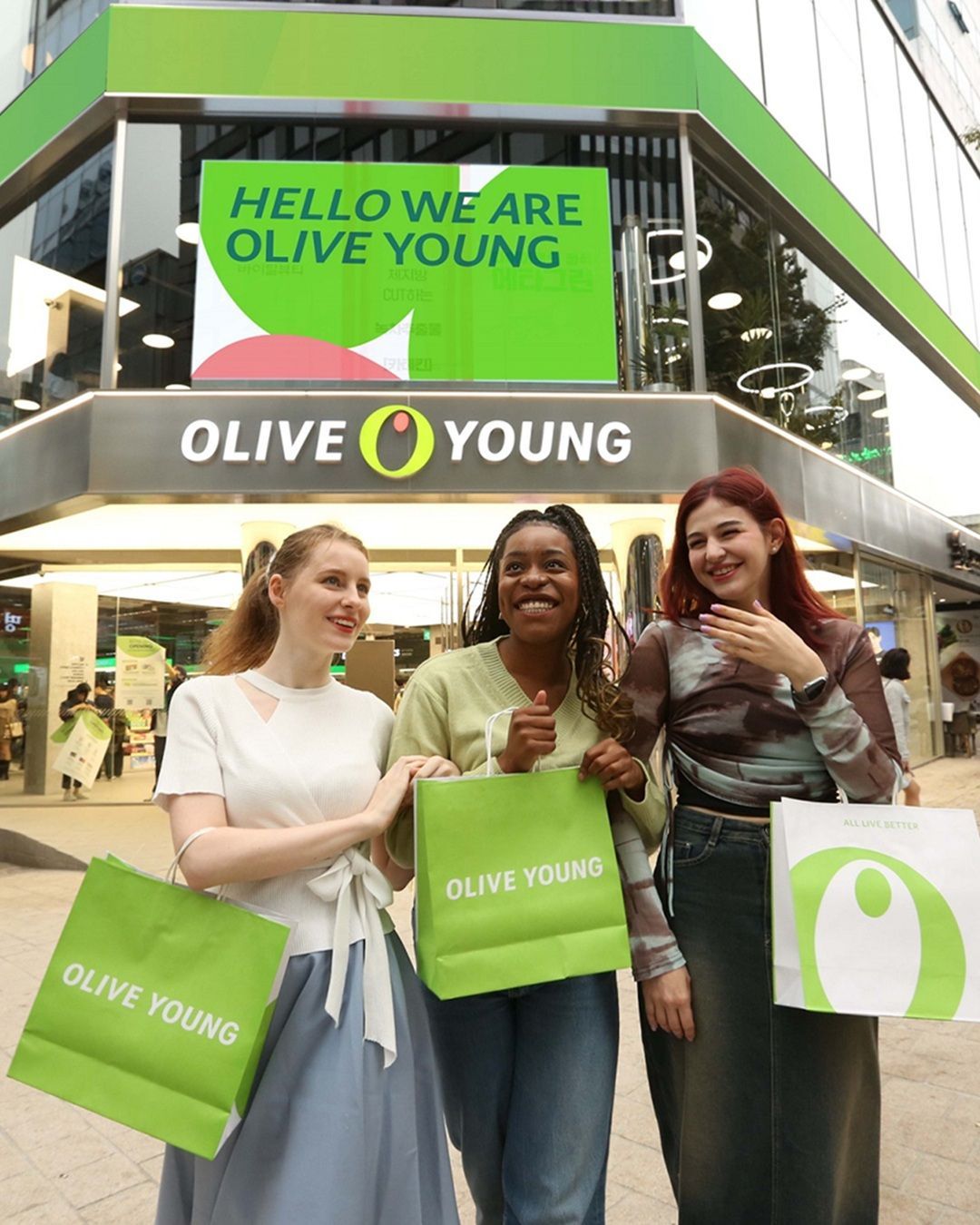
While the maisons are moving cautiously, Sephora is operating at a completely different pace. The Selective Retailing division, which also includes businesses such as Le Bon Marché, generated €12.48 billion in the first nine months of 2026, with organic growth of 6%. In the third quarter, growth reached 8%, driven primarily by the beauty retailer, which continues to gain market share in several countries. Its advantage is simple, at least on the surface. While an individual brand has to convince us to fall in love with its products, Sephora can bring different desires together on the same shelf, tap into new obsessions and turn the trend of the moment into sales. And in an industry where TikTok beauty trends can turn a blush into a must-have in the time it takes to watch a video, that’s a decisive advantage. Among the launches and developments contributing to this stronger performance were Rhode, Hailey Bieber’s brand, which arrived in European stores, and several C-Beauty brands, which are becoming increasingly visible on the international scene. Meanwhile, the retailer is expanding into Belgium and Croatia while strengthening its presence in the UK through a partnership with Marks & Spencer.
The next chapter for LVMH beauty
The resilience of luxury fragrances and the growth of beauty retail come as LVMH appears to be taking a closer look at the composition of its beauty portfolio. Following the division’s decline in 2025, reports in the specialist press have discussed possible options for Fenty Beauty, Make Up For Ever and Fresh. One scenario reportedly involved the sale of LVMH’s 50% stake in Fenty Beauty, the brand created by Rihanna, although none of these potential transactions should be considered finalised. At the same time, L Catterton, the investment firm affiliated with the group, led a $20 million funding round for Remedy, a skincare brand developed by dermatologists. Taken together, these moves suggest an interest in a more selective approach to investment and in growth opportunities within specific skincare segments. The Armani question is also on the table. Following Giorgio Armani’s death, the possibility emerged of opening negotiations for the sale of an initial stake in the brand, with LVMH among the potential parties alongside L’Oréal and EssilorLuxottica. This remains a separate matter from cosmetics, not least because the Armani Beauty licence is held by L’Oréal until 2050. The broader picture points to greater scrutiny over where to invest and which brands have genuine growth potential. The market is crowded, consumers are bombarded with new launches, and a logo alone no longer works miracles. LVMH continues to focus on quality, innovation and selective distribution, without taking a rapid recovery in Chinese demand for granted. The next challenge will be to bring major names and emerging phenomena, heritage and speed, desirability and results under the same roof.
What to read next
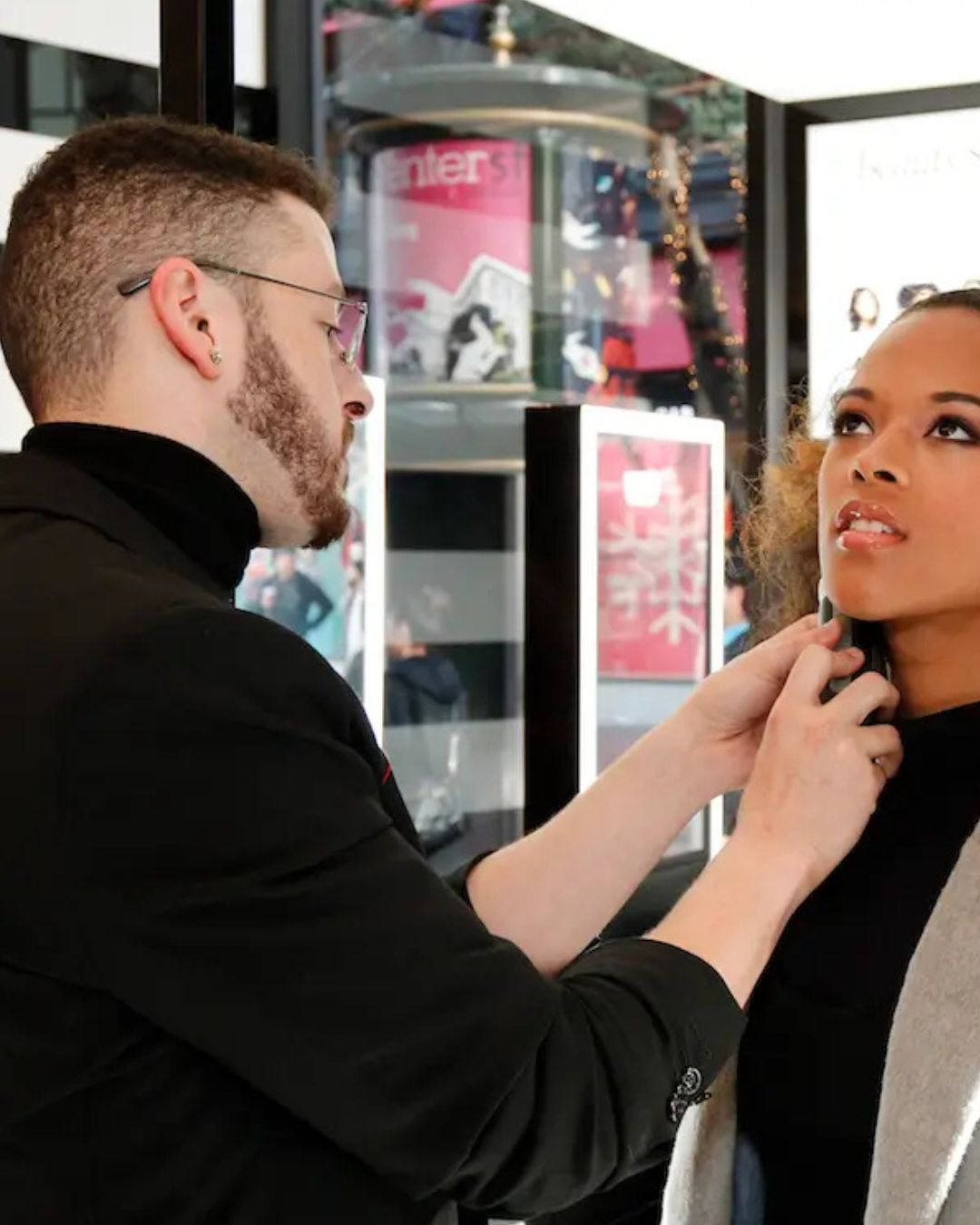
Sephora bets on personalized skincare with Skin for You
The skin analysis service available in store