




























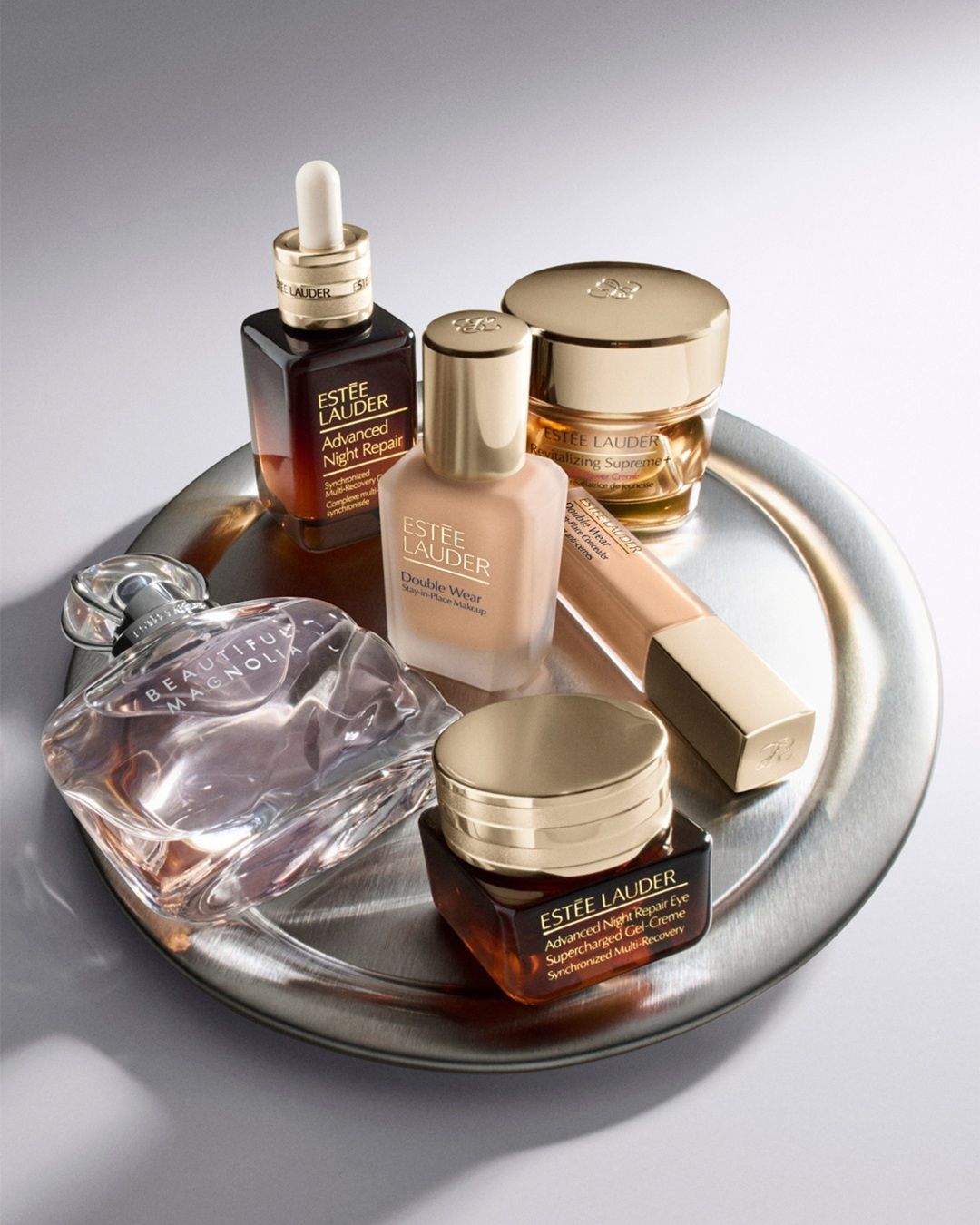
Estée Lauder x Puig: the merger that could redefine the global beauty industry Will the alliance between skincare and perfumery give rise to a new giant in the global cosmetics market?
In the global beauty market, words matter, but silences matter even more. And when two groups like Estée Lauder Companies (ELC) and Puig release identical, cautious statements, that’s precisely where one needs to read between the lines. Because behind neutral language and phrases like “no definitive decision” and “no assurance,” lies an attempt to redefine the balance of luxury beauty through a potential $40 billion merger that smells of patchouli, family governance, and industrial strategy. The deal comes at a time when industry growth is slowing, markets are becoming more selective, and competition is increasingly played out on scale, distribution, and the ability to build coherent global brands. In this context, the idea that an American skincare and make-up giant might join forces with a European high-end fragrance champion is not surprising. It is, rather, a logical move, and precisely for that reason, potentially disruptive.
What is really happening between Estée Lauder and Puig
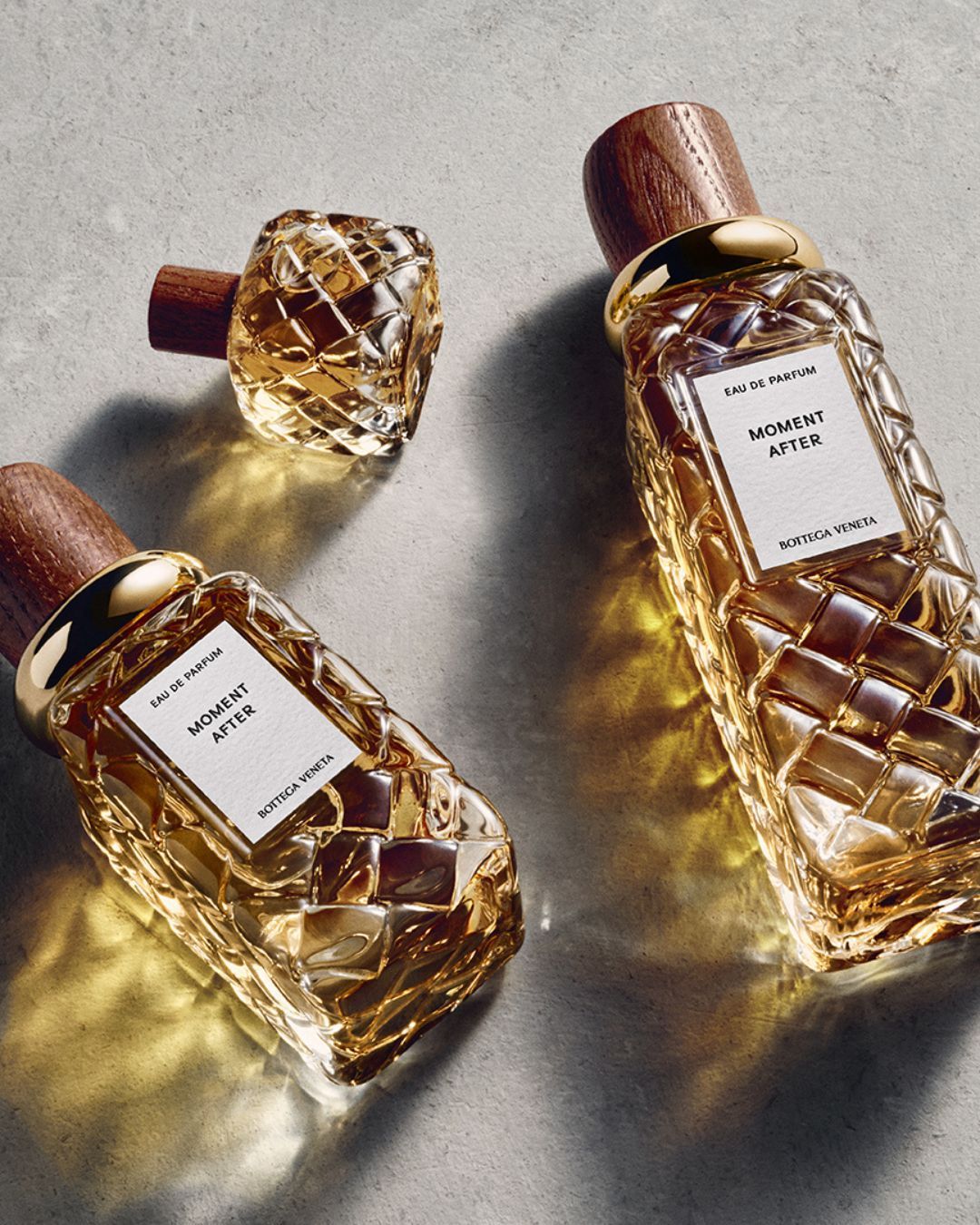
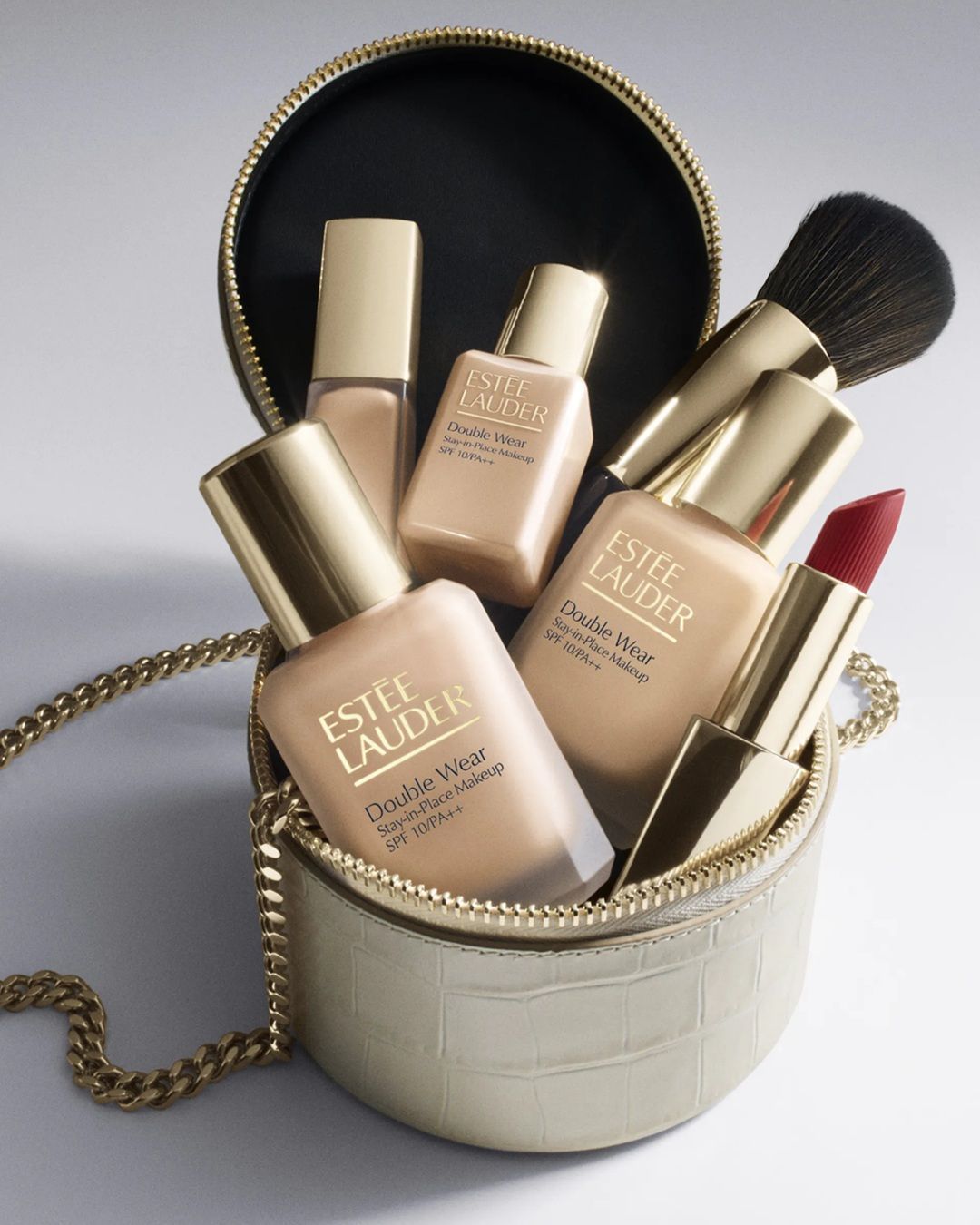
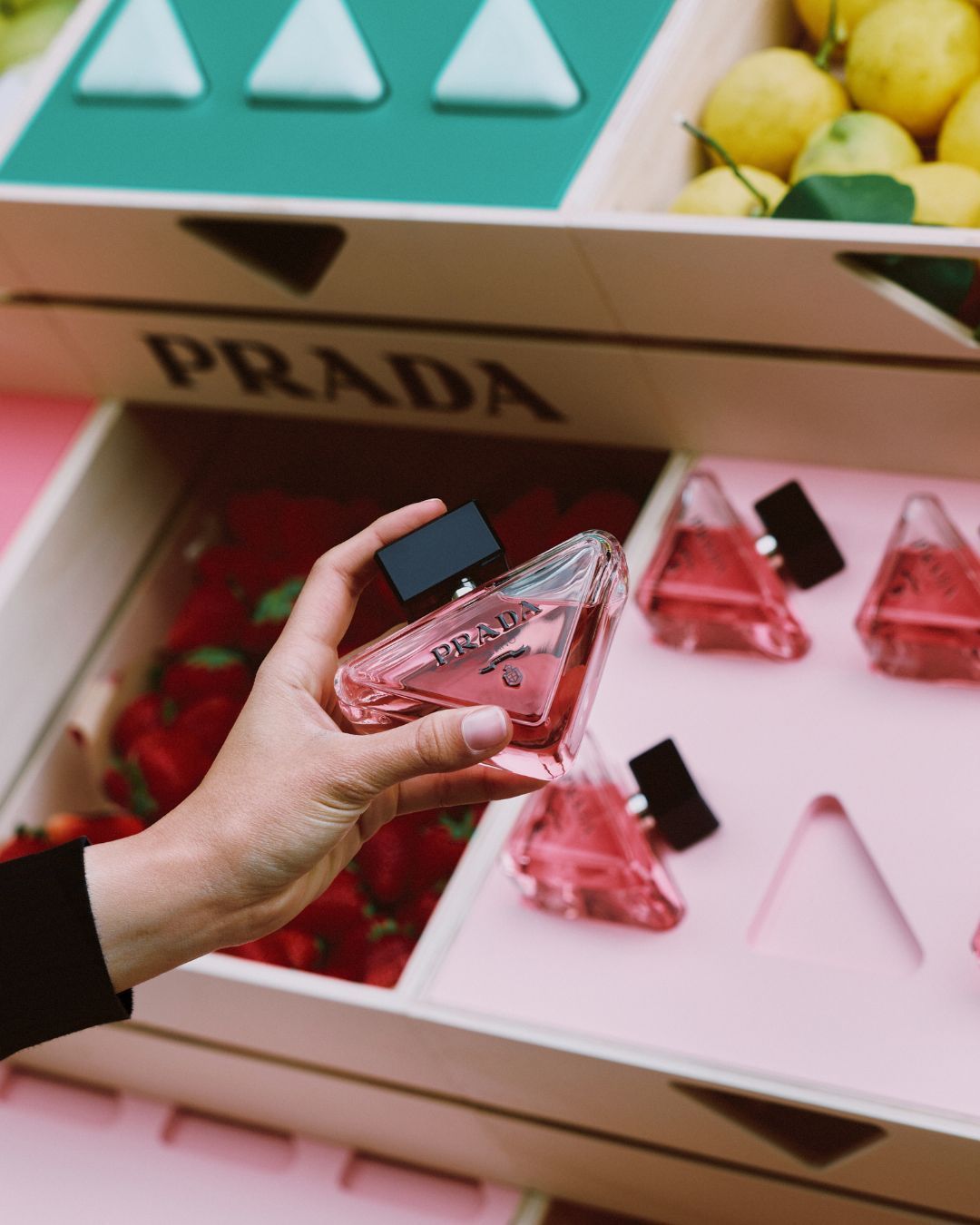
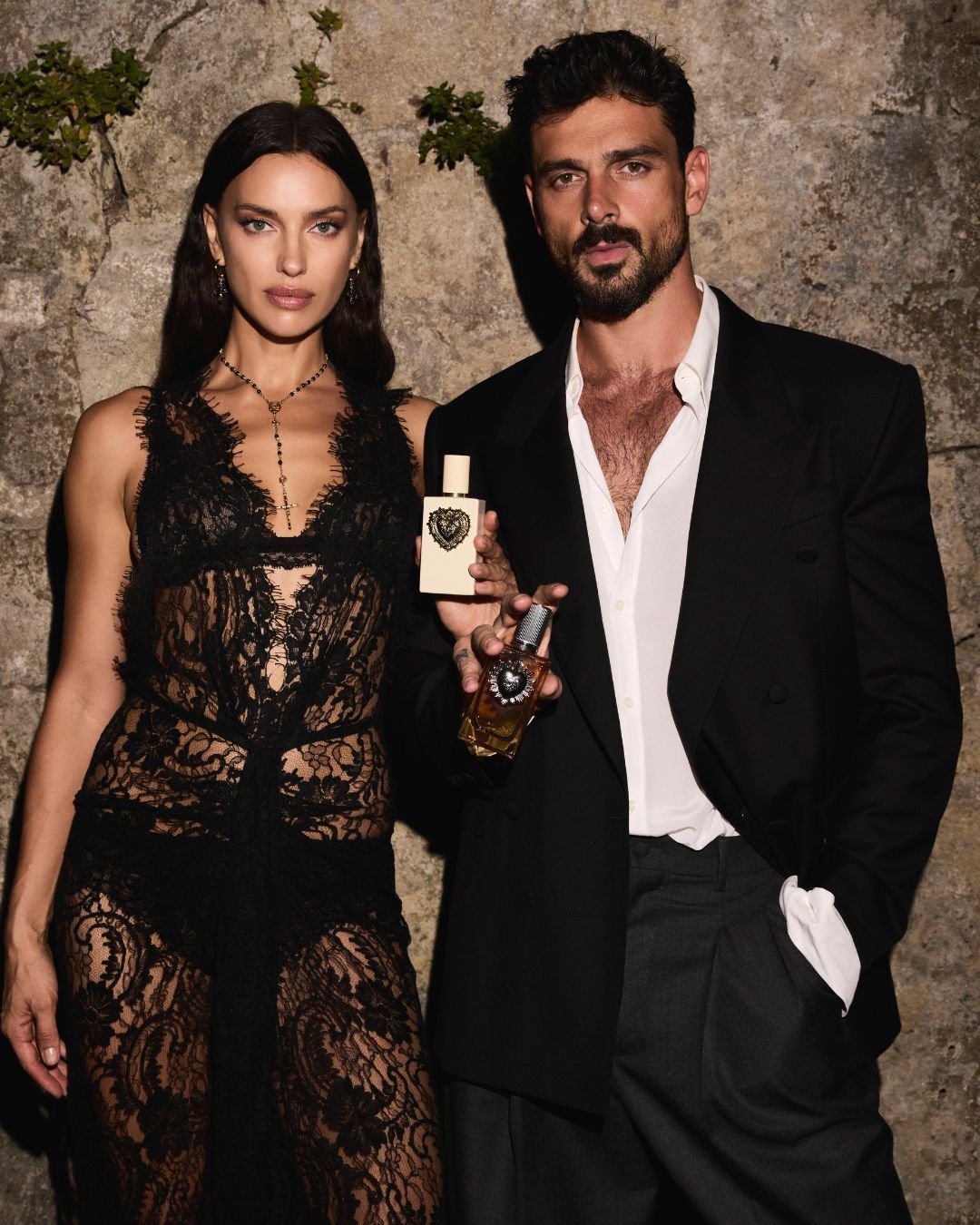
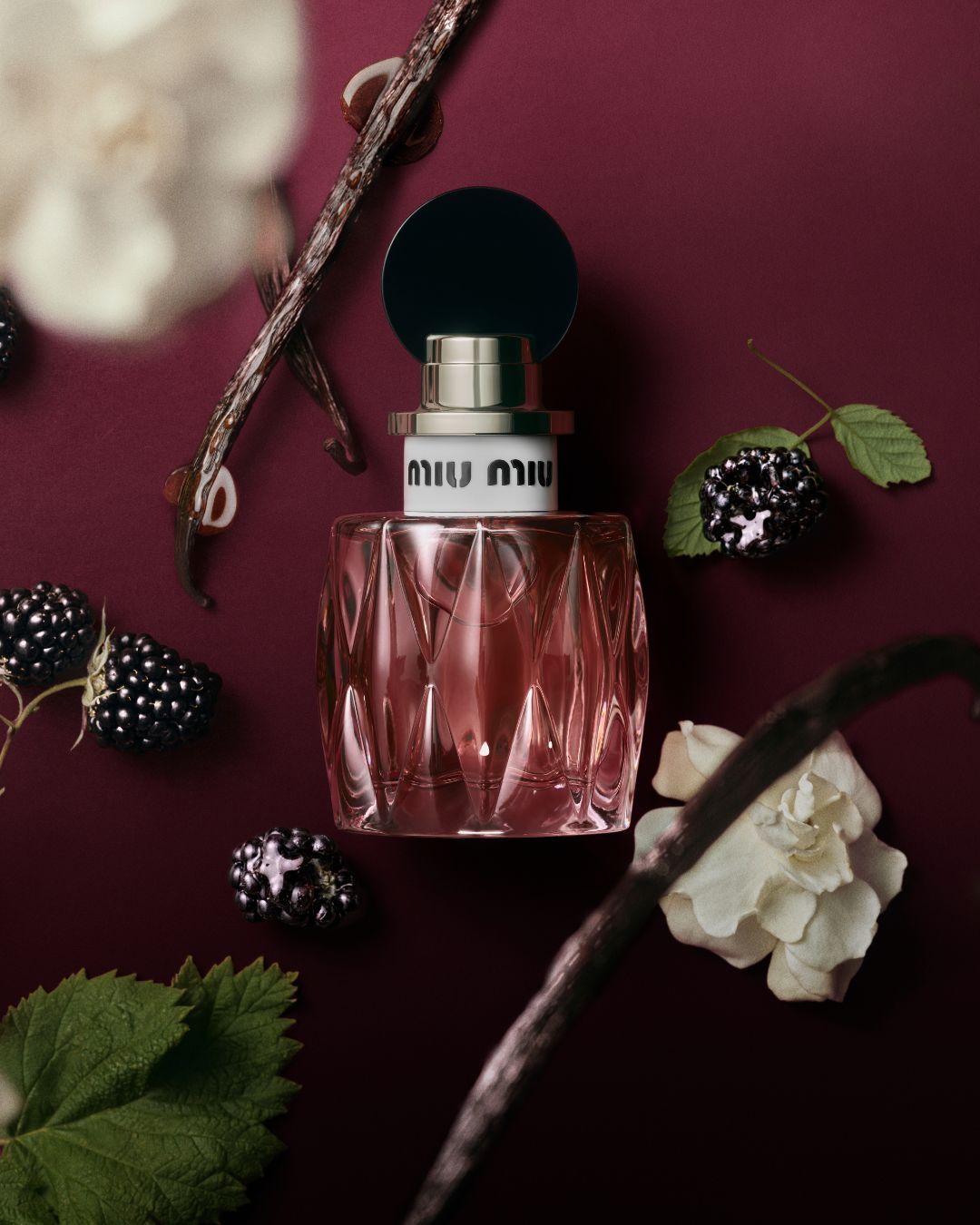
Estée Lauder and Puig have confirmed they are in talks for a possible merger. Translation? The global chessboard of luxury cosmetics has entered a heated, but still reversible, phase. No signed agreement, no defined structure, but a concrete basis for dialogue that is already advanced enough to be communicated to the market to prepare the ground. Behind this statement lies the meeting of two industrial models that, while both sharing family governance and public listings, have built their success on different axes. On one side, the American Estée Lauder has developed systemic strength in skincare and makeup, with global brands like Clinique and Tom Ford and a widespread distribution network. On the other, Puig has refined an almost surgical specialization in luxury perfumery, with a portfolio that includes Carolina Herrera, Rabanne, Jean Paul Gaultier, along with a constellation of niche brands and the phenomenon Charlotte Tilbury. This is a dialogue between two different yet complementary worlds. Both companies are also going through a phase of managerial and strategic transition: new CEOs, new turnaround plans, new geographic priorities. The merger, therefore, is both an opportunistic choice and a structural response to a moment of internal redefinition.
What the merger would mean
If the deal were to materialize, the result would be a group capable of covering all major luxury beauty categories in an extremely competitive way. Estée Lauder would bring a global distribution machine, established retailer relationships, and hard-to-replicate industrial capacity. Puig would contribute greater creative agility, a strong identity in fragrances, and a proven ability to grow brands with distinctive narratives. And yet, reducing everything to a sum of portfolios would be misleading. This seemingly perfect complementarity hides significant complexity. Aligning balance sheets and supply chains is one thing; making two different ways of understanding brand, time, and value coexist is another. The real challenge, therefore, lies in creating an integrated system where different capabilities reinforce one another. Integrating such diverse portfolios requires a clear vision of which brands to push, which to reposition, and which, potentially, to sacrifice. Above all, it requires non-trivial cultural management. A group oriented toward financial markets and quarterly performance will have to engage with a company that has historically favored a more narrative, long-term vision. If it works, we could witness the birth of a player capable of redefining industry standards by combining discipline and desirability. If it fails, the risk is creating an overly complex structure where synergies remain on paper and identities become diluted. And it is precisely on this delicate balance that the outcome will hinge.
The impact on markets
Market reaction was immediate and, in some ways, predictable. Typically, when a merger is proposed, investors focus more on integration costs and risks than on potential benefits. It is a form of methodological skepticism, almost physiological, that accompanies deals of this scale. After all, mergers, especially between complex entities, require time, capital, and flawless execution. Even if they make industrial sense, the market demands concrete proof and wants to understand how long it will take before benefits translate into tangible results. Thus, Estée Lauder’s stock, already engaged in a deep restructuring under its Beauty Reimagined plan, dropped significantly, by about 7.7%, immediately after the announcement. Conversely, Puig benefited from a mirror effect: the prospect of being acquired or integrated into a global giant pushed its shares up by 15%. Beyond the initial reactions, analysts are already recalibrating their valuations, trying to understand how the two companies might integrate and how they could position themselves in a context where global cosmetics market growth is slowing and macroeconomic uncertainties are increasing.
What changes for mainstream beauty
This is where things get interesting. While press releases talk about synergies and markets hesitate, the real impact will play out in consumers’ homes. In recent years, the industry has experienced a phase of apparent democratization and fragmentation, with the rise of independent brands and strong influence from social media. It has portrayed itself as an open, dynamic ecosystem dominated by innovation and independent creativity. That is partly true. But at the same time, large groups have continued to strengthen their position, acquiring brands, consolidating market share, and building increasingly integrated platforms. A merger between Estée Lauder and Puig would accelerate this process. Greater concentration of industrial power inevitably translates into greater control over distribution channels, pricing strategies, and visibility dynamics. It also means a stronger ability to turn a trend into a dominant category. In this scenario, it seems clear that fragrance will occupy the center of gravity of accessible luxury. Not only because of its economic performance (Puig generates over 70% of its revenue from fragrances), but also because it has become, driven by Gen Z and TikTok, the identity language of younger generations. More than makeup, more than skincare, fragrance has become one of the most dynamic categories in the sector. Puig understood this years ago and built its growth on it, while Estée Lauder has only recently identified it as a key lever for its revival. Together, they could redefine how fragrance is developed, distributed, and communicated, shaping the entire market.
Parallels with fashion
Looking at this deal without placing it within the broader luxury context would be limiting. The most obvious parallel? L’Oréal and Kering, cwith the strategic transfer of beauty into the hands of the French giant. Or the way major fashion players are intelligently internalizing or externalizing their cosmetics divisions. But this is only part of the picture. More broadly, we are witnessing a structural transformation in which large groups no longer treat beauty as an ancillary extension, but as a strategic pillar, or rather, a true financial engine. The reason is twofold. On one hand, beauty offers higher margins and more frequent purchases compared to other luxury segments. On the other, it allows for more direct and continuous relationships with consumers. In this sense, it becomes a strategic asset, no longer secondary. The potential merger between Estée Lauder and Puig fits perfectly into this logic. It is both a response to a more complex competitive landscape and an attempt to anticipate future market moves. Because if there is one thing the industry has learned in recent years, it is that size matters, and that consolidation in the beauty sector is no longer an option, but a necessity, a new normal.
The scent of consolidation
In the end, what remains is the feeling that global beauty is undergoing a phase of deep maturation. Light narratives based solely on creativity and innovation are no longer enough. Solid structures, clear strategies, and continuous adaptability are needed to navigate tariffs, emerging markets, and competition. The possible merger between Estée Lauder and Puig is, in this sense, emblematic. We do not know if it will go through, nor under what terms. But we can already sense that it represents a shift toward a more concentrated, more competitive, and inevitably more complex industry, where size matters as much as, if not more than, creativity. Beauty, in short, does not lose its allure. But it changes its grammar. It reminds us that sometimes, the marriage between a cream and an eau de parfum can change everything.