
































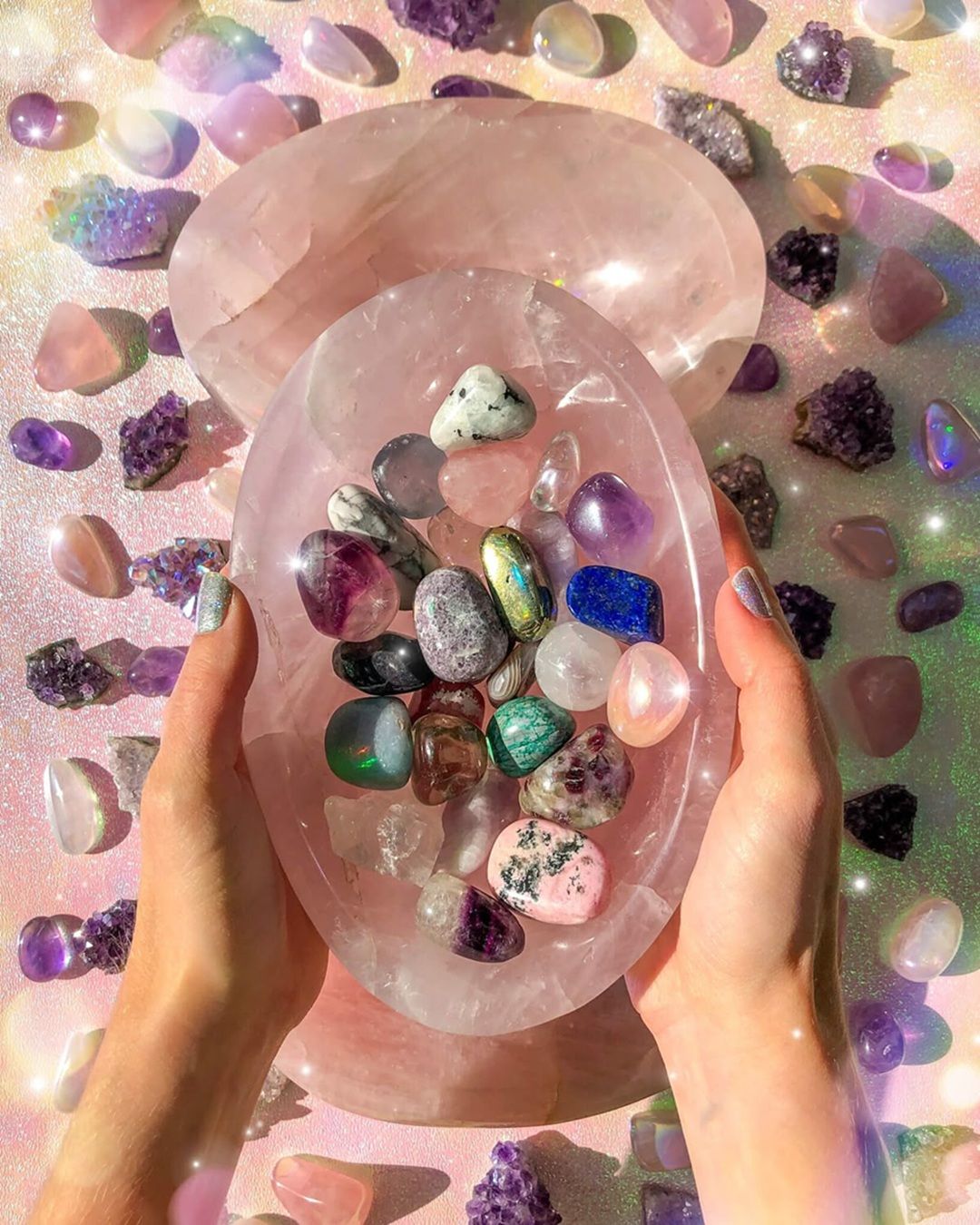
The seven crystals for a transformative spring From rose quartz to citrine: the ultimate spring crystal guide for emotional and spiritual renewal
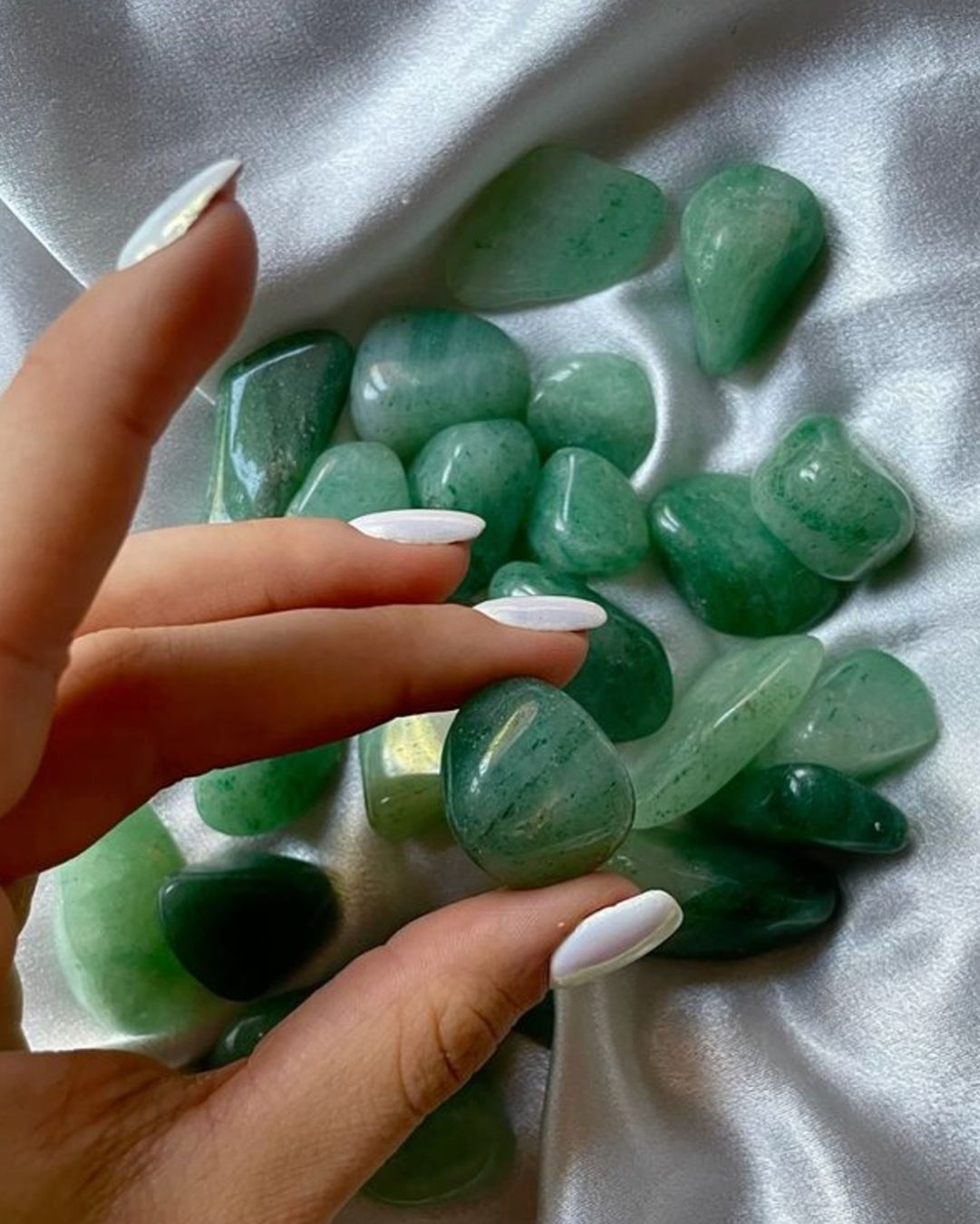
Green aventurine symbolizes new beginnings and represents the early phase of spring, when energy flows naturally and effortlessly. It is a stone connected to natural growth and change, ideal for encouraging fresh intentions and new projects. It is perfect for anyone ready to take action and finally bring one of their many ideas to life. Its energetic release is gentle yet constant, making it an excellent companion for beginners exploring the world of crystals.
How to wear it: On the left wrist as a bracelet, to absorb its energy instead of projecting it outward. Alternatively, keep it in your bag somewhere you touch frequently, not buried beneath endless piles of crumpled receipts from 2023.
Malachite
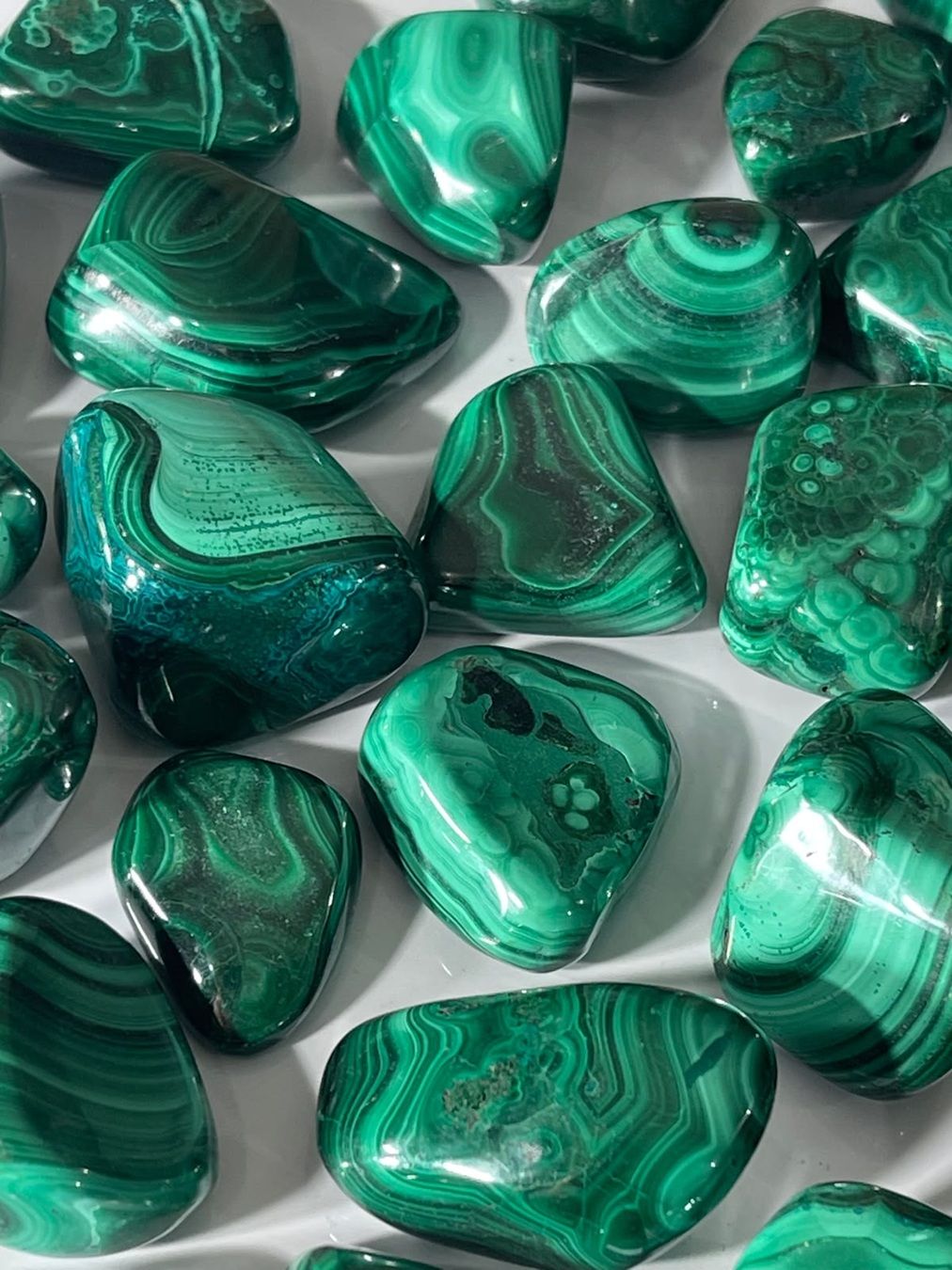
Malachite is the true stone of spring transformation: everything unnecessary rises to the surface so it can finally be eliminated. It is a crystal of deep change, often linked to recognizing repetitive patterns in your life. Frequently associated with inner cleansing, it acts like a form of “energetic pruning,” much like trimming trees to encourage stronger and healthier growth. It is essential for deeper personal development.
How to wear it: As a pendant close to the solar plexus (but not directly over the heart). Be careful, though: malachite is sensitive to water and acids, so it should be removed before showering and kept away from perfumes. Since it absorbs a great deal of energy, it should be cleansed regularly, ideally under the full moon or with the smoke of white sage or palo santo.
Rose Quartz
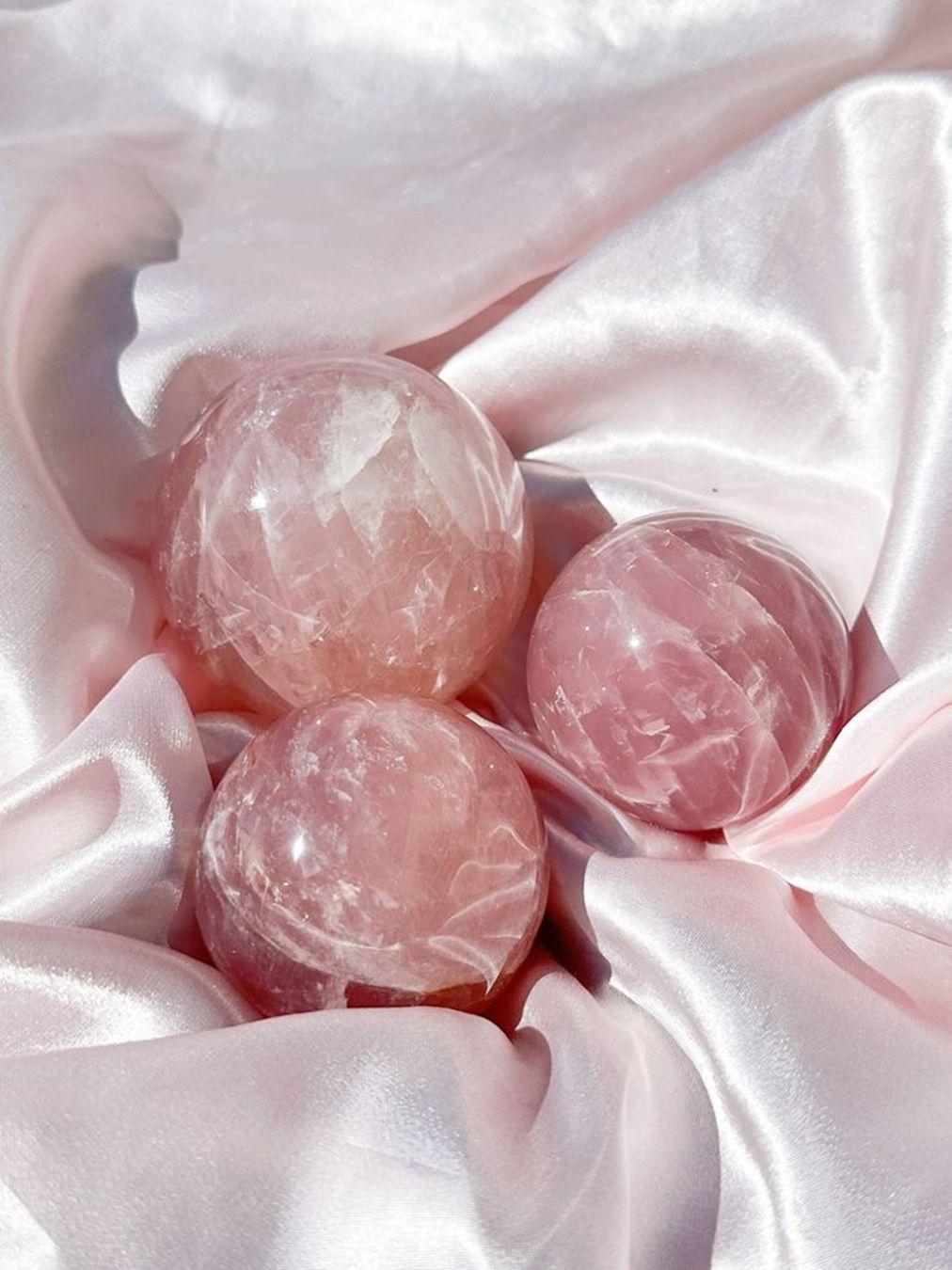
Rose quartz represents the reopening of the heart after the cold and desolate period of winter. Its energy is soft and slow-releasing, encouraging people to reconnect with their hearts and welcome others openly and sincerely. During spring more than ever, we feel the desire to find love, while also knowing that love cannot be rushed… as Phil Collins famously sang: You can’t hurry love.
How to wear it: As a necklace, as close to the heart as possible. If jewelry is not your style, keep it on your bedside table instead; the important thing is for it to be the last thing you see before falling asleep and the first thing you see in the morning. Tradition also suggests placing it inside your bra if you are seeking a more direct romantic approach.
Rhodonite
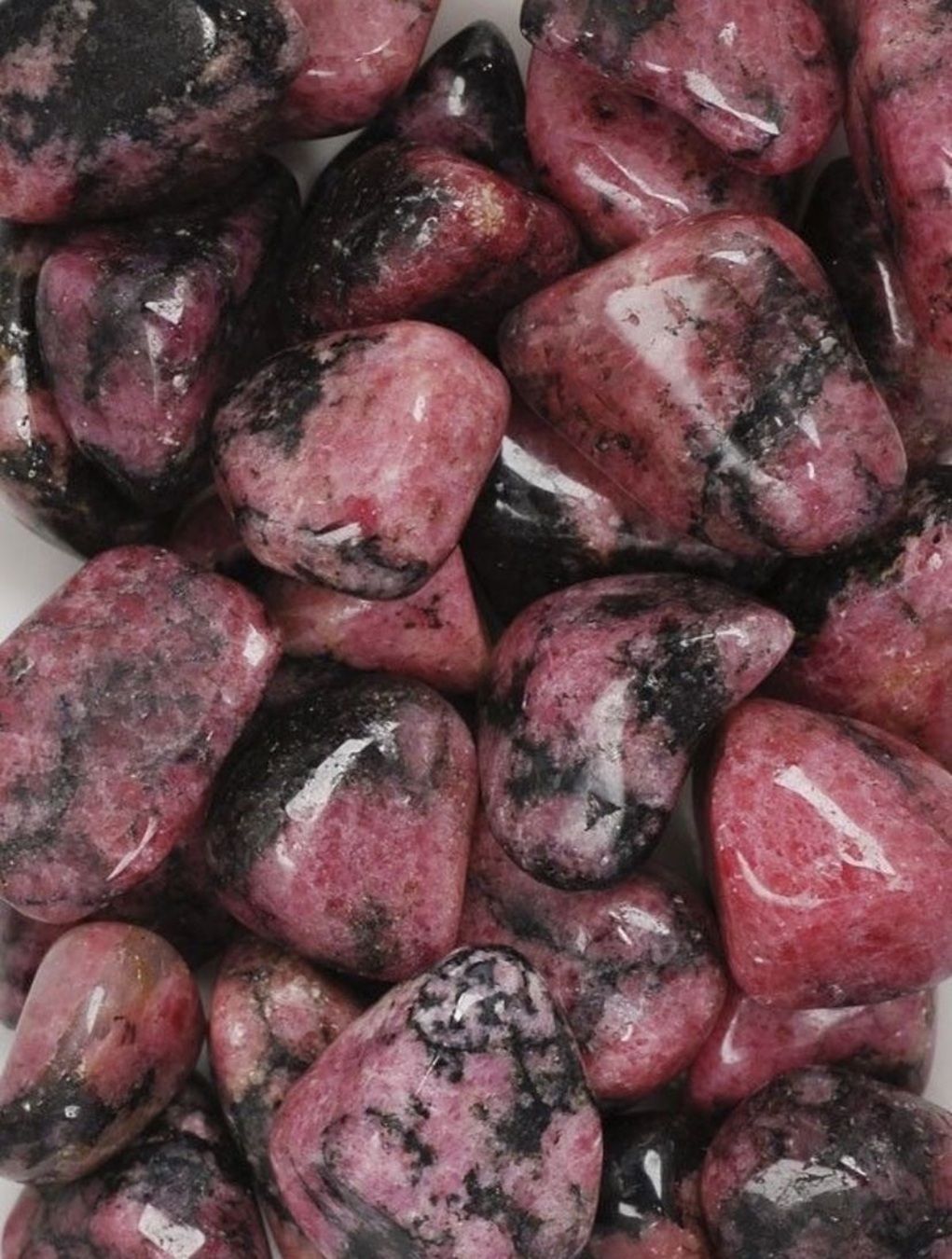
Rhodonite is the stone that creates balance between vulnerability and stability. It helps integrate whatever resurfaces during periods of emotional openness, not only in love but also through new experiences. It strengthens the emotional transformation taking place during these months, helping you avoid changing your mind every other day and preventing the feeling of being overwhelmed by your own thoughts before the season ends.
How to wear it: On the wrist, either right or left depending on whether you need to project stability outward or receive it inwardly. It also works well as a tumbled stone carried in your pocket, something to hold during moments when you feel lost in your thoughts, almost like a natural stress-relief crystal.
Moonstone
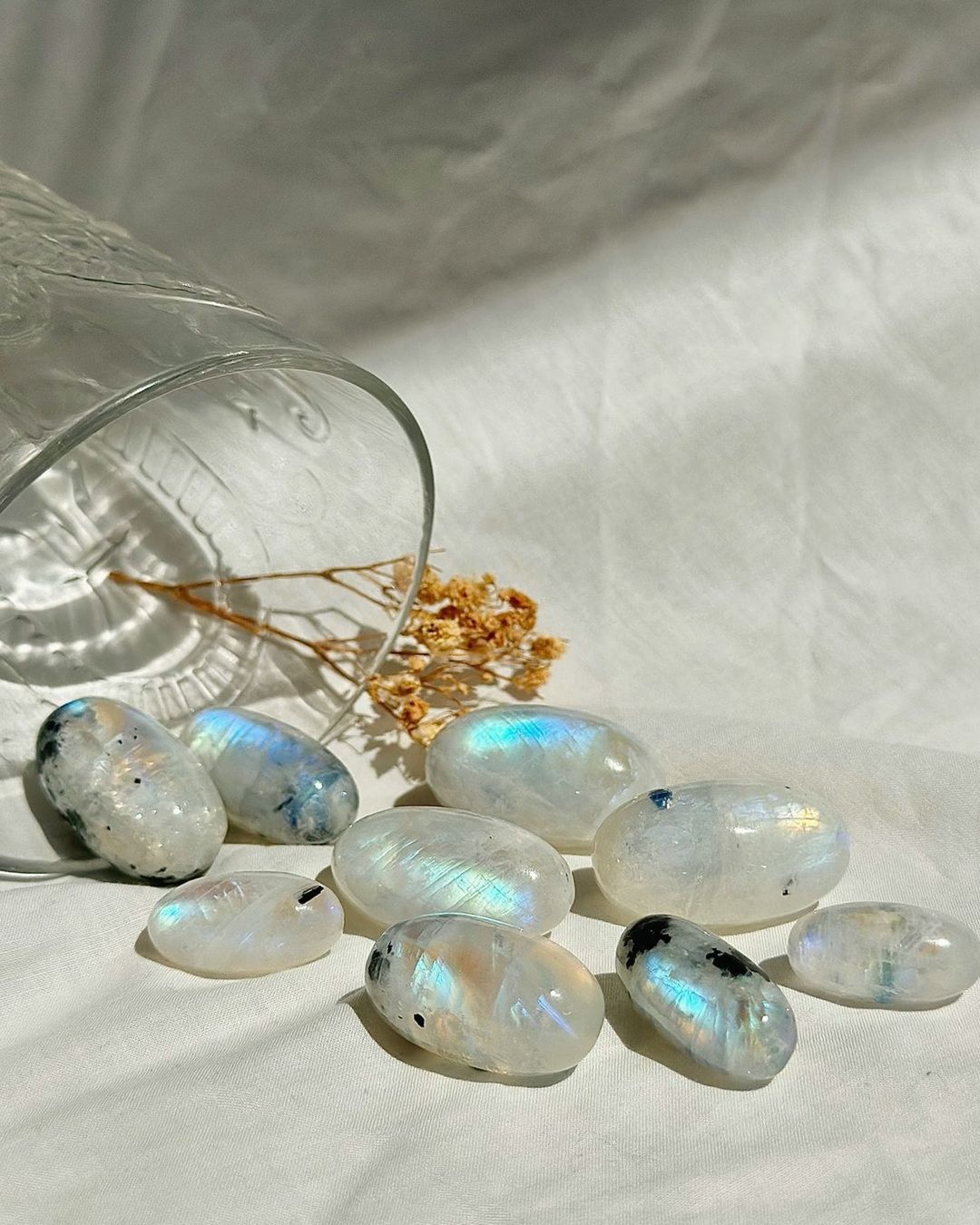
Closely connected to natural cycles and transitions, moonstone reflects the ever-changing nature of spring. It does not force action but instead gently accompanies shifts between different inner phases, often without a clear timeline. It symbolizes adaptability within chaos, making it ideal for moments of uncertainty and transition.
How to wear it: As a ring, preferably on your non-dominant hand. Moonstone’s famous play of light, known as adularescence, changes depending on how it moves, as though asking to be noticed and acknowledged. Recharge it under the full moon.
Citrine
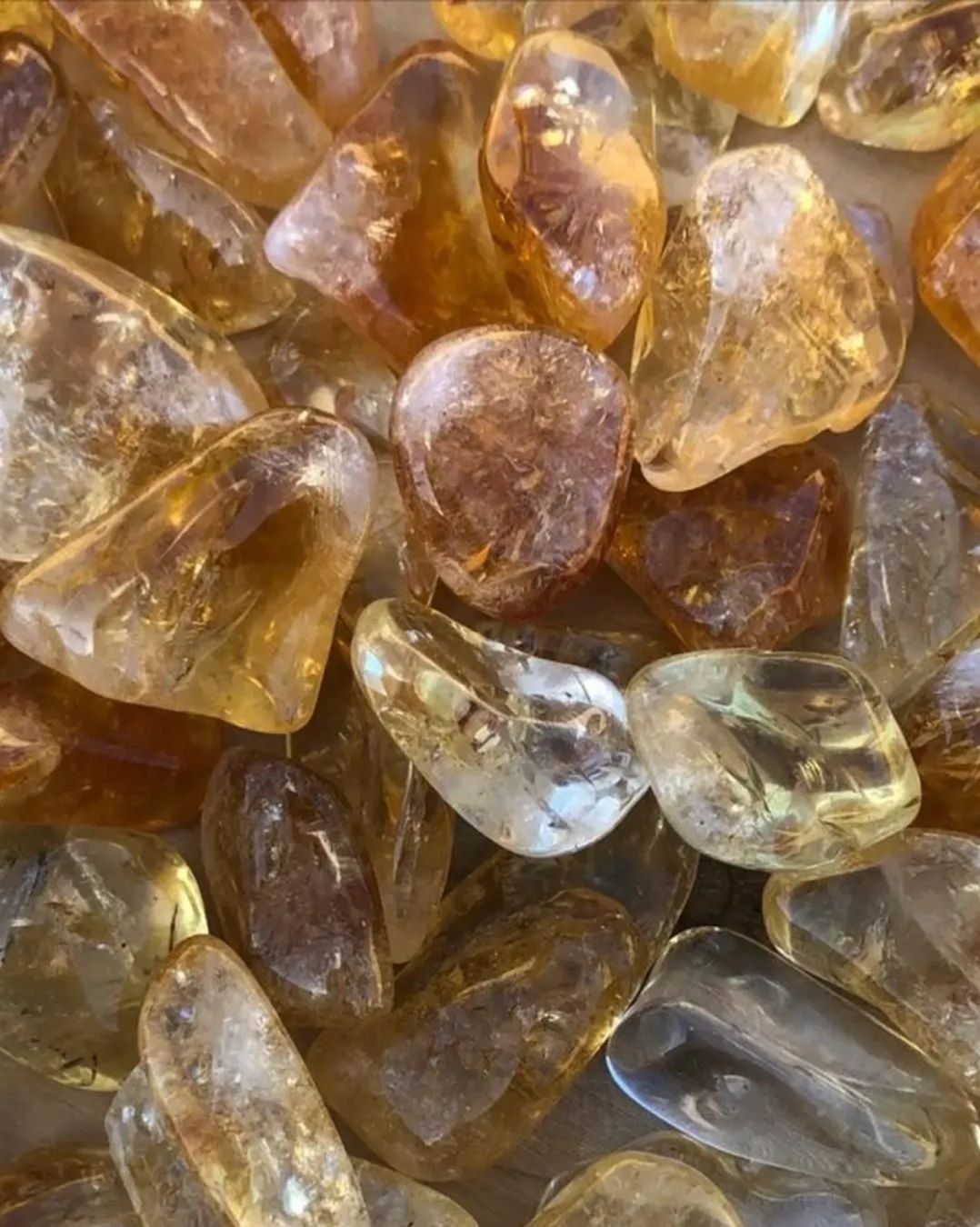
Citrine embodies the brightest and most active side of spring, the moment when energy transforms into movement and action. It is associated with vitality, creativity, and opening yourself up to the world and its opportunities. It brings clarity and direction, helping the wearer move forward without excessive doubt or uncertainty about their path.
How to wear it: On the right wrist, to channel energy outward. Citrine is one of the few crystals that does not require energetic recharging, so there are no elaborate rituals to follow. It also works beautifully on a desk or in a workspace, since physical contact is not necessary for its energy to be effective.
Moss Agate
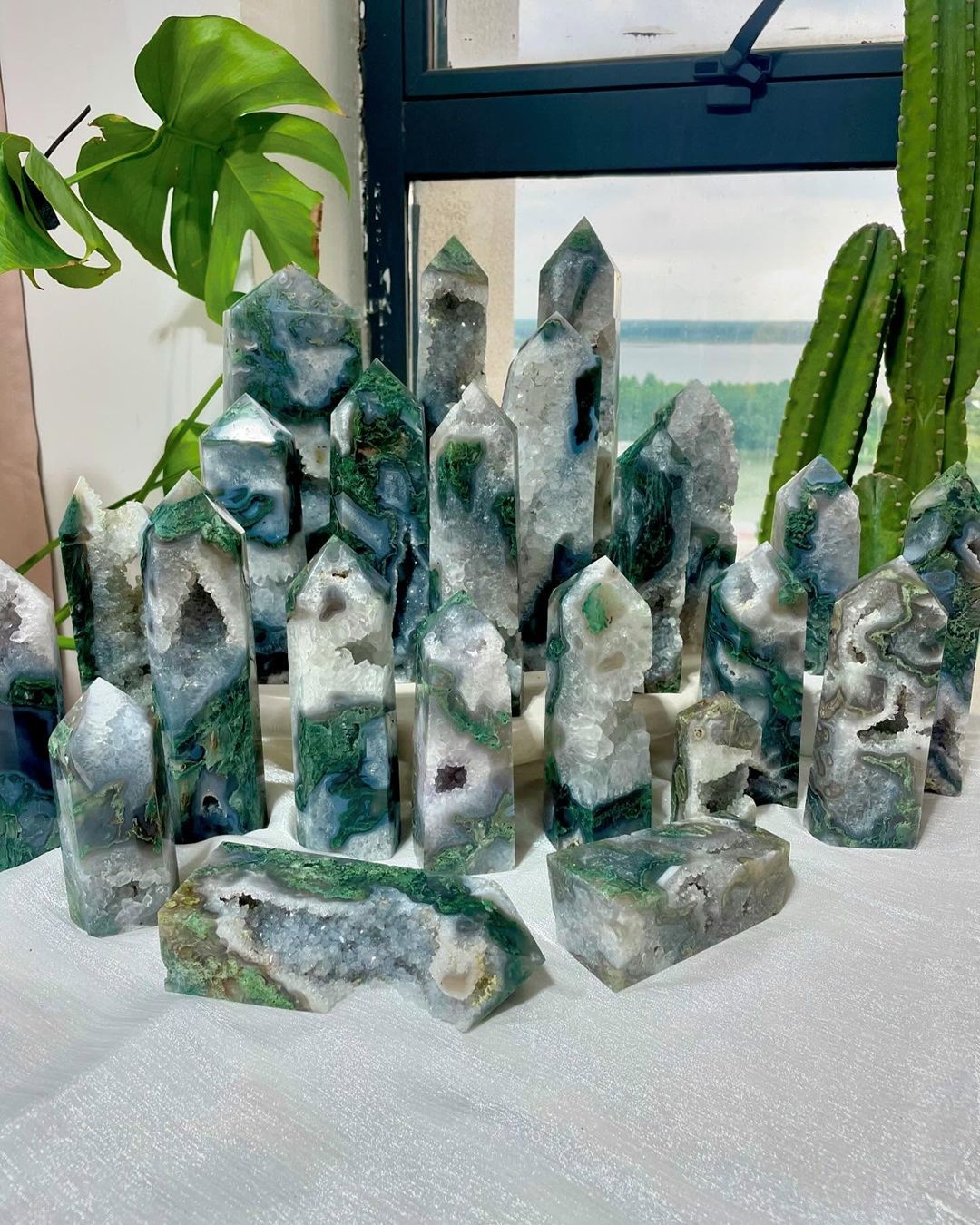
Moss agate is one of the crystals most deeply connected to nature, embodying plant growth and the organic rhythm of the natural world. Its energy follows nature’s pace, making it perfect for those who prefer taking their time and dislike sudden changes. It represents spring as a quietly expanding ecosystem: silent, steady, and constantly evolving.
How to wear it: In direct contact with the skin for as long as possible, whether as a bracelet, necklace, or any jewelry you prefer. It is a slow-working crystal that requires time and consistency to fully express its energy. If you have access to a garden or houseplants, keep it near them occasionally so it can recharge through the earth’s natural energy.