

















“The dress is not only an expression of self, but an element capable of telling stories” Interview with Cecilia Molardi, the designer who transforms every collection into a story to wear
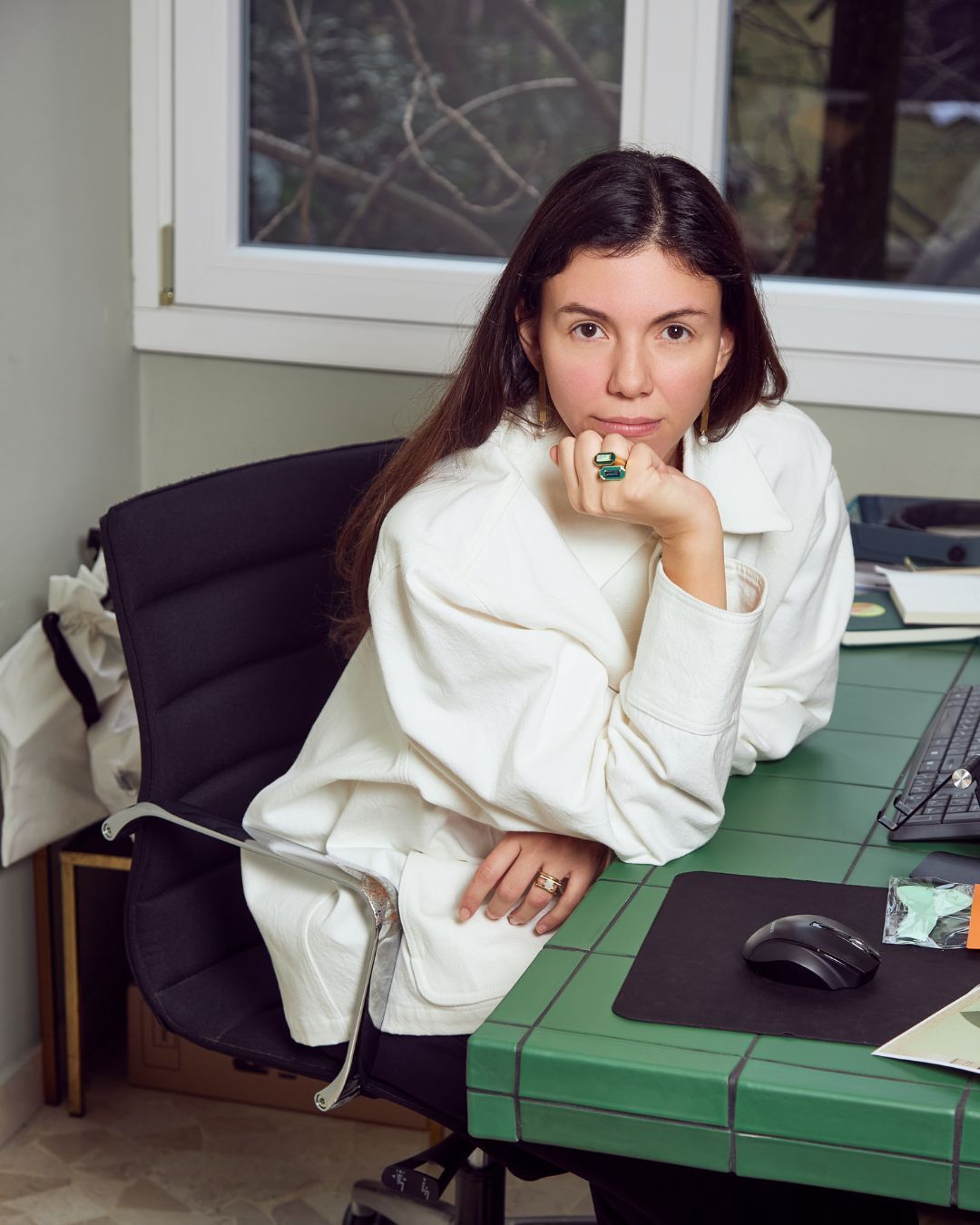
For Cecilia Molardi, born in 1992 and founder of Amelia Design Studio, fashion has never been just a matter of clothes. Before it even became a profession, it was a language, a creative game that his mother called “the world of possibility”: imagining something and being able to achieve it. Over time, that game has been transformed into a tool for telling one's identity, until it became the medium through which to give shape to emotions, characters and narratives. This is how Amelia Design Studio was born, a project that combines theatrical language with contemporary tailoring, giving life to genderless collections, handcrafted in Italy and built as real narrative works. We spoke with Cecilia Molardi about the relationship between theater and fashion, the value of craftsmanship and what it means today to design clothes that tell stories.
Interview with Cecilia Molardi of Amelia Design Studio
You studied theater in Paris before founding Amelia Design Studio. Was there a specific moment when you realized that the costume was no longer enough for you and that you wanted to tell stories through clothing?
Yes, I studied theater and acting in Paris, following my meeting with director Chantal Melior, and in Milan at the Accademia del Teatro Arsenale, where I obtained my acting diploma. It was by experiencing the stage firsthand that I got closer to the world of costume, admiring the work of the costume designers behind the scenes. I understood that the dress is not only an expression of self, but an element capable of telling stories and helping the narrative. In theater, costume and scenography are real added actors: they are part of the same narrative process. From there I understood that this narrative could be exported to the common world, to everyday life, making the dress truly become the character. Even as a child, on the other hand, I experienced dressing as a profoundly personal and, at the same time, social act: a way to inhabit the world and communicate who we are.
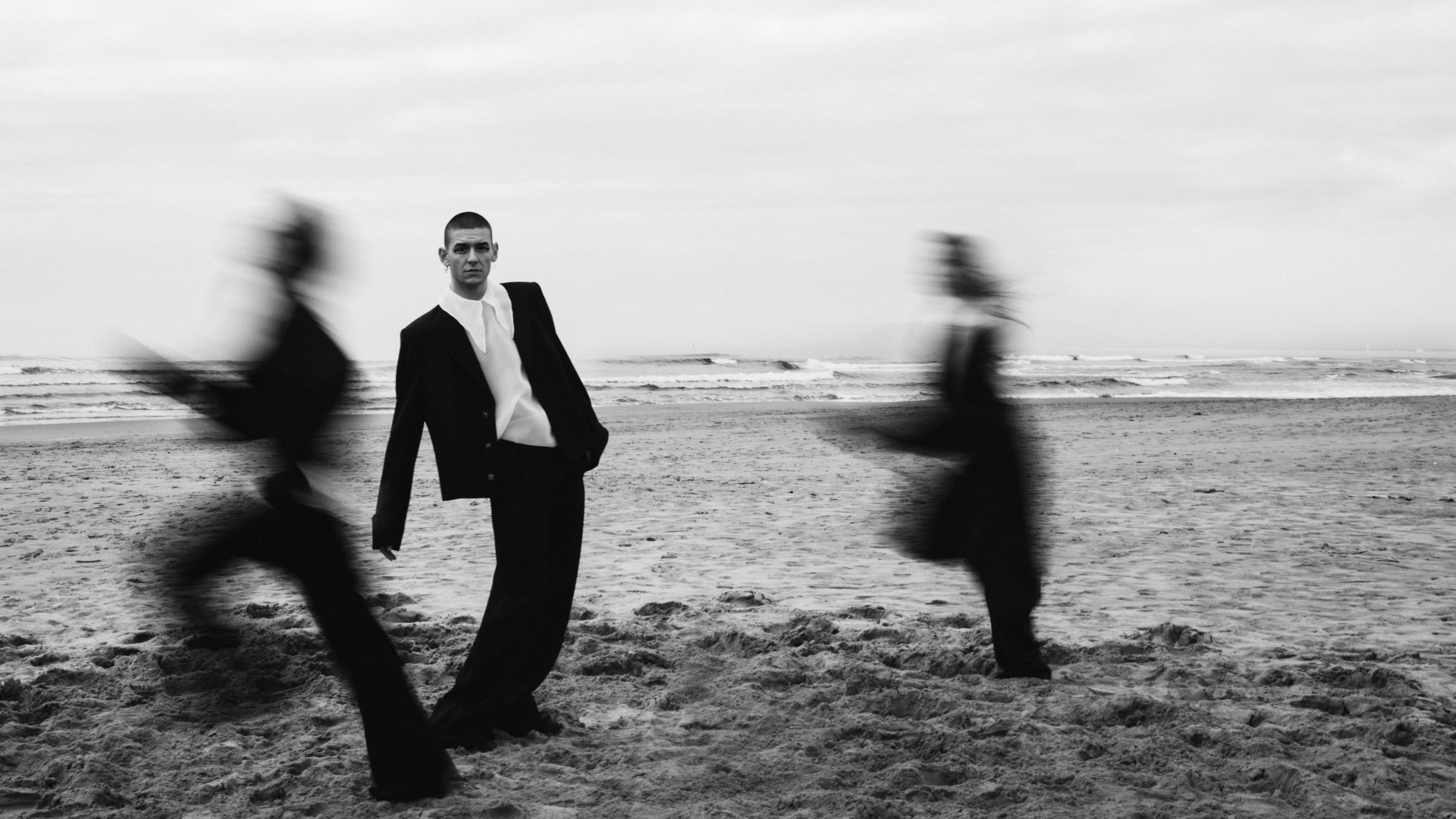
Your collections always start with a theatrical or literary work. When you start a project, does an image, a character or an emotion come first?
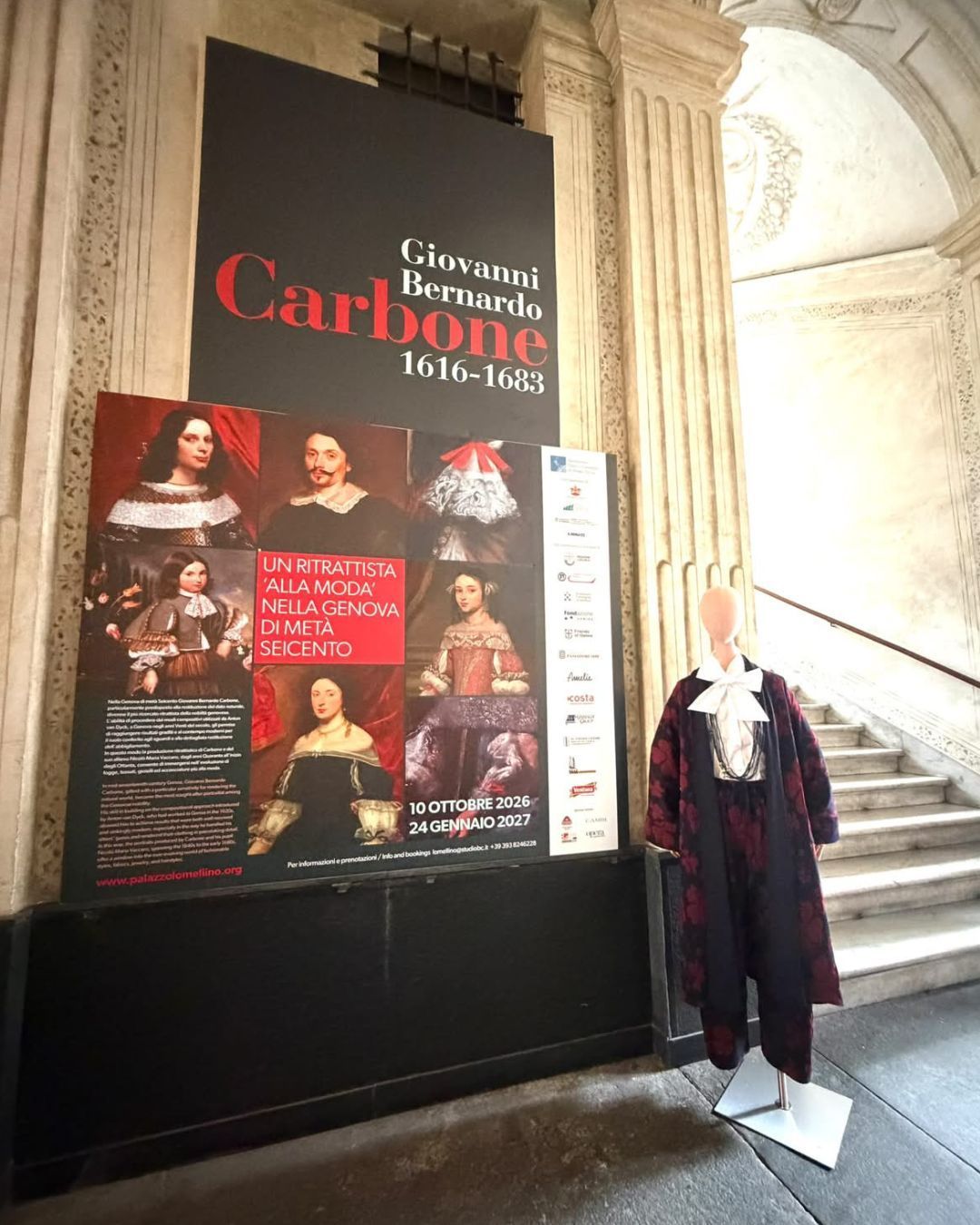
I would say that all of these things are born together. Probably the most tangible part, in the beginning, is the image. From an emotion, a sort of photo frame, a visual snapshot, is automatically created in me. In this frame, the entire literary or theatrical work is summarized through a set of lines, geometries, colors, materials and shapes. Within that frame, the character and the emotional spectrum that surrounds him are already outlined and it is precisely from those visual and structural elements that the entire collection then develops.
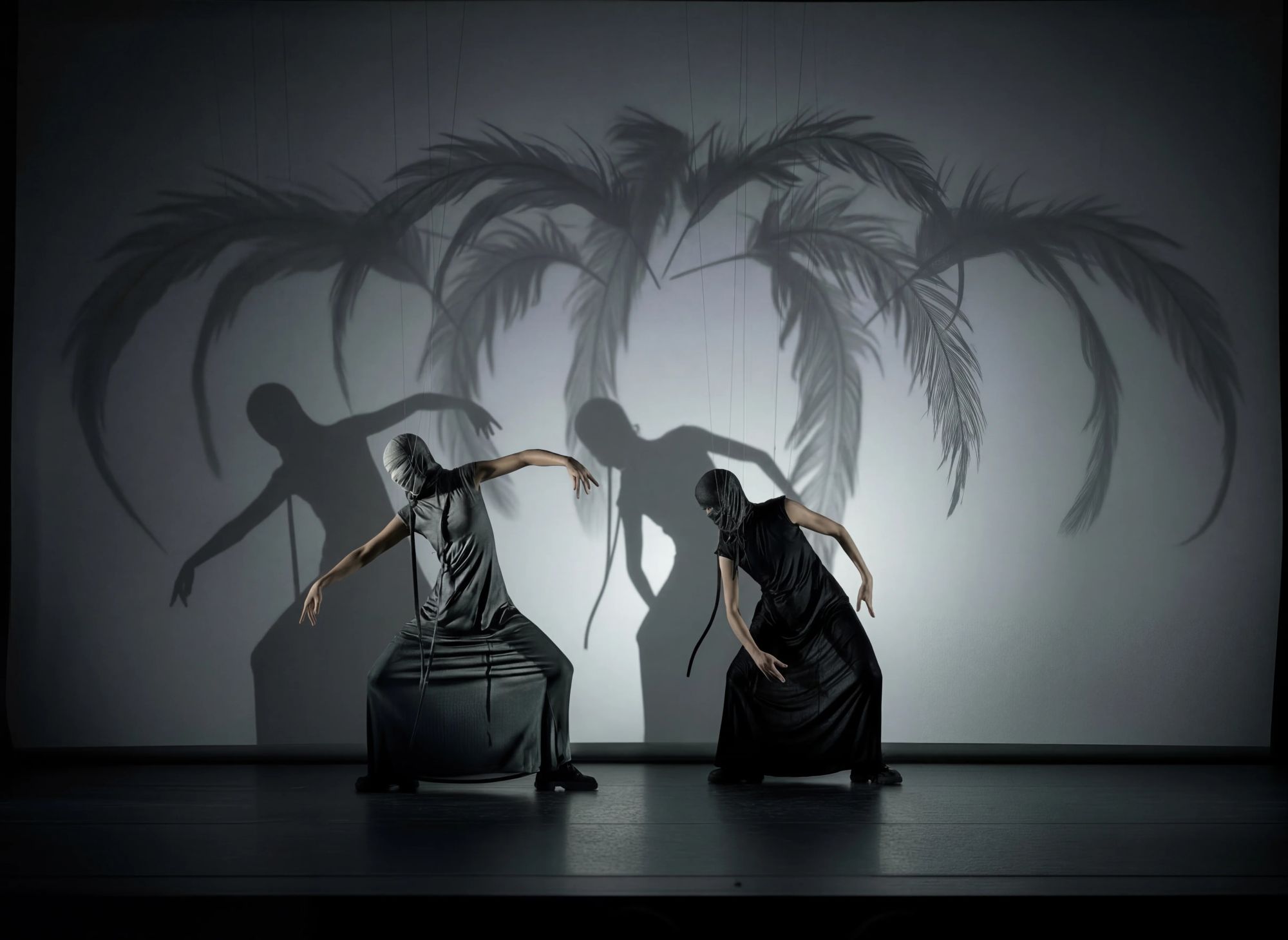
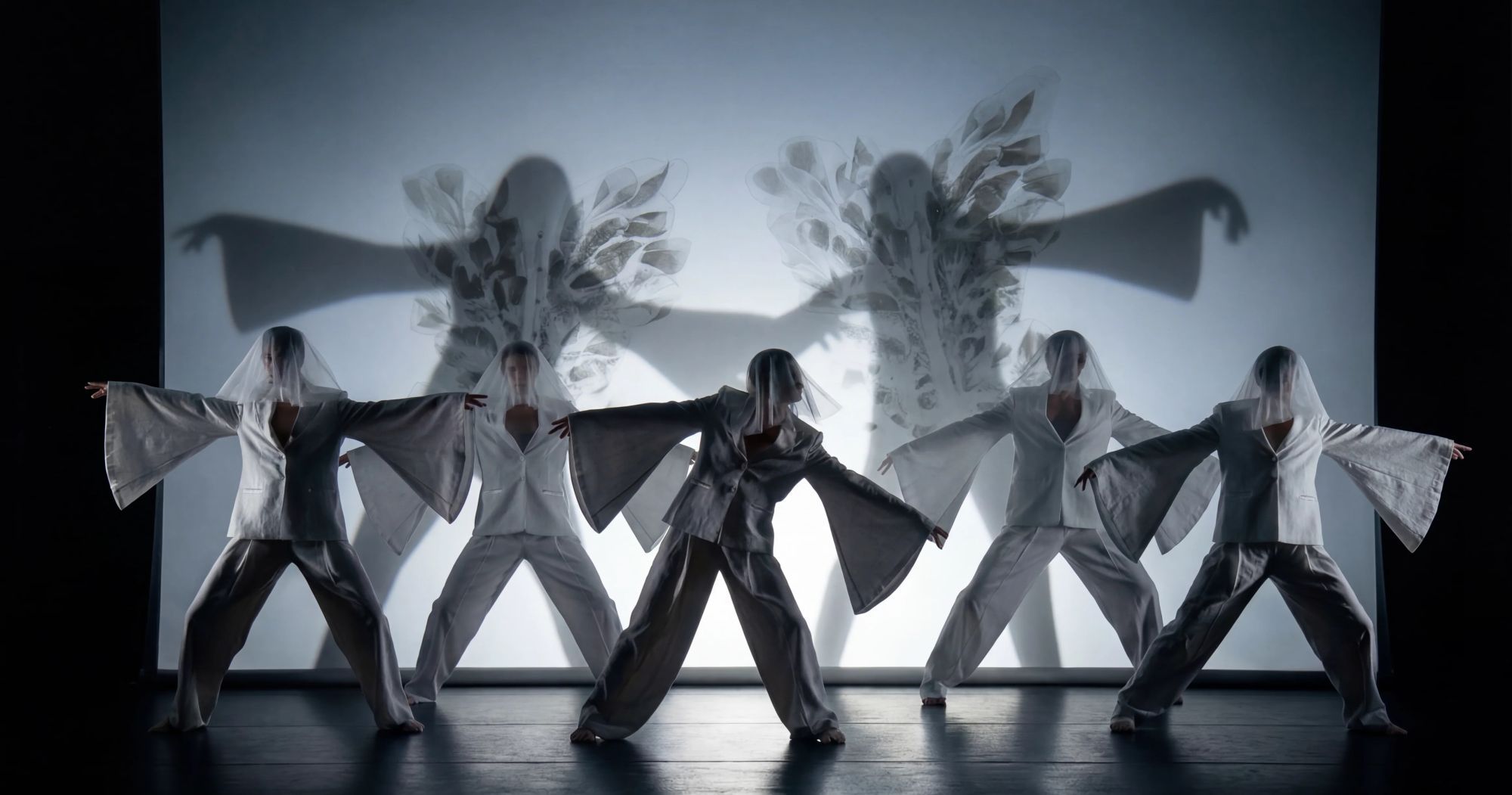
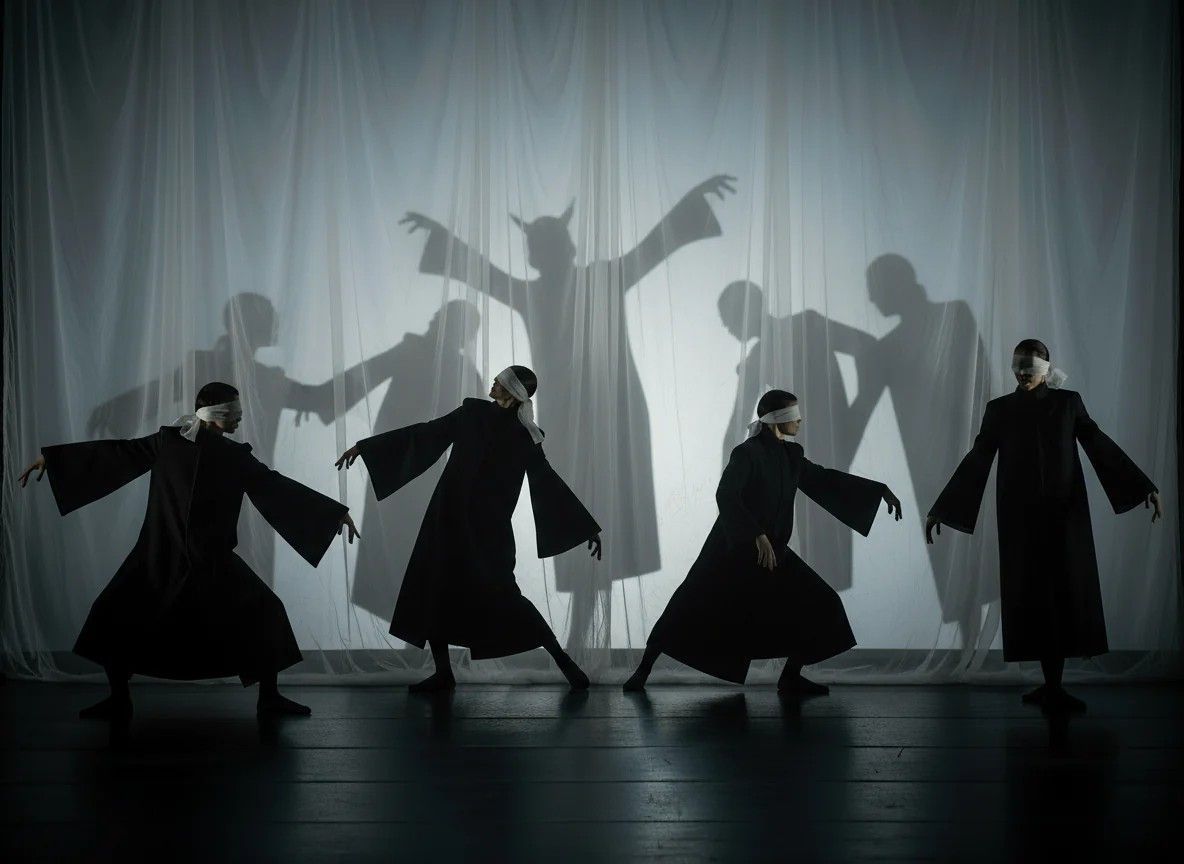
Your silhouettes are openly genderless, but they don't seem to be chasing a trend. What does it mean for you to design a garment that can belong to anyone?
As I have always experienced fashion, the trend is never the priority. Of course, willingly or not we are all conditioned by what we see around us, even without following fashion. But for me, clothing must express first of all a state of mind, a personality, the essence of oneself. In addition, it must enhance a physique that needs to feel comfortable and at ease, without being forced into prescribed clothes, shapes and genres. Designing genderless garments for me means freedom: disconnecting from imposed codes and creating free forms, capable of accepting the identity of whoever wears them.
I work with Lombard artisan workshops and fabrics in stock. Is it a choice born from an ethical conviction, from productive needs or from both?
It comes from absolutely both things. There is certainly a strong ethical conviction: I want to support smaller and artisanal realities, in particular the Italian ones. Our country has an extraordinary manufacturing tradition and I would be sorry if craftsmanship were crushed by industrial production, overproduction and exploitation. Then there is also a personal bond: I myself started as an artisan tailor and I come from Cremona, a city where craftsmanship can be breathed everywhere thanks to the tradition of violin making. The concept of workshop and 'slow work' is therefore part of my training and defines what I love. Obviously, all this is accompanied by production needs: being a small emerging brand, working with small laboratories allows me to manage small quantities and have much more flexibility. This results in a working method that is more attentive to detail and less hasty. The same applies to the use of stock fabrics: it is a choice guided both by the ethical reason to avoid overproduction and waste, and by the practical need to manage quantities in a sustainable way and tailored to my reality.
If Amelia Design Studio were to be remembered for just one thing ten years from now, what do you hope it will be?
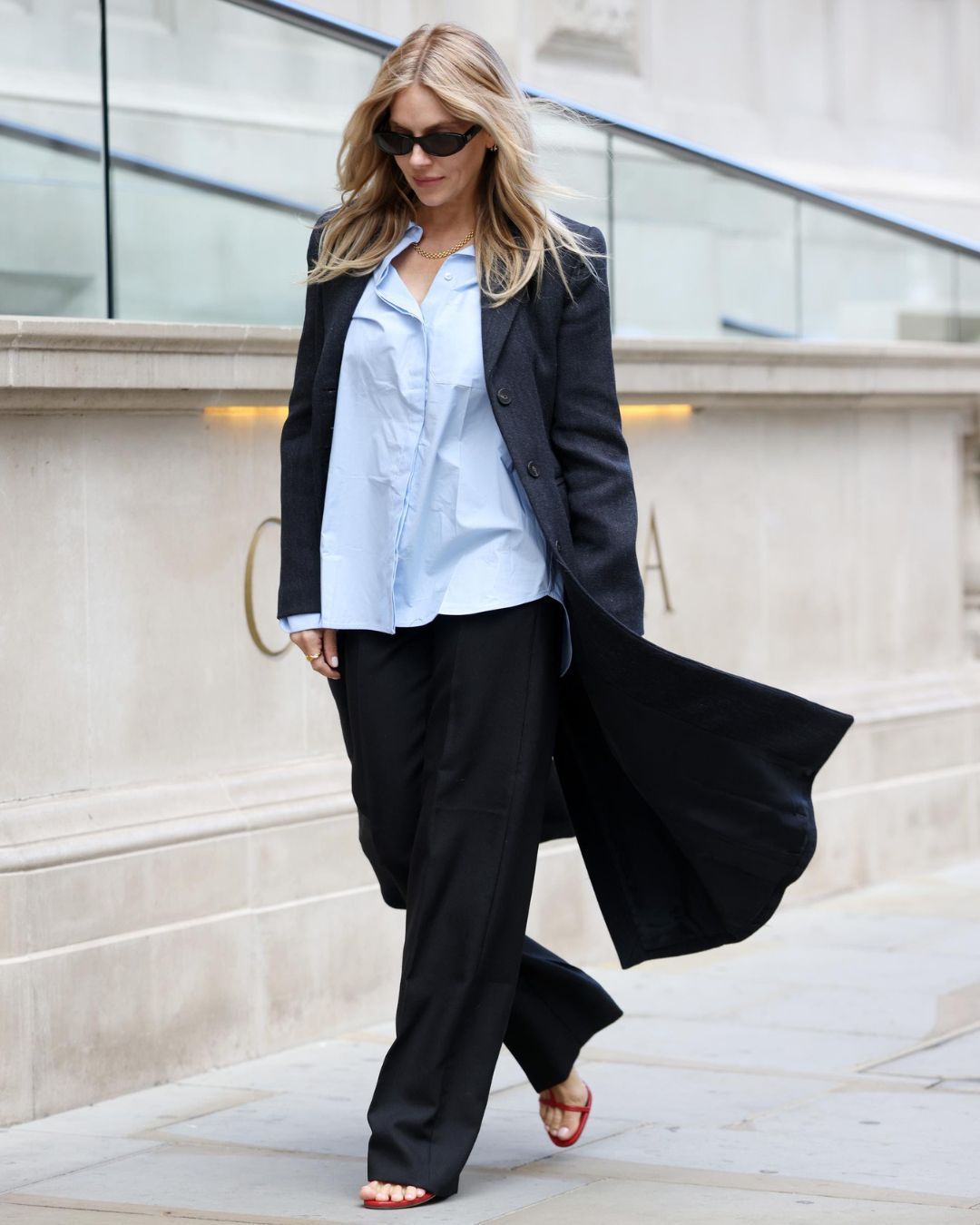
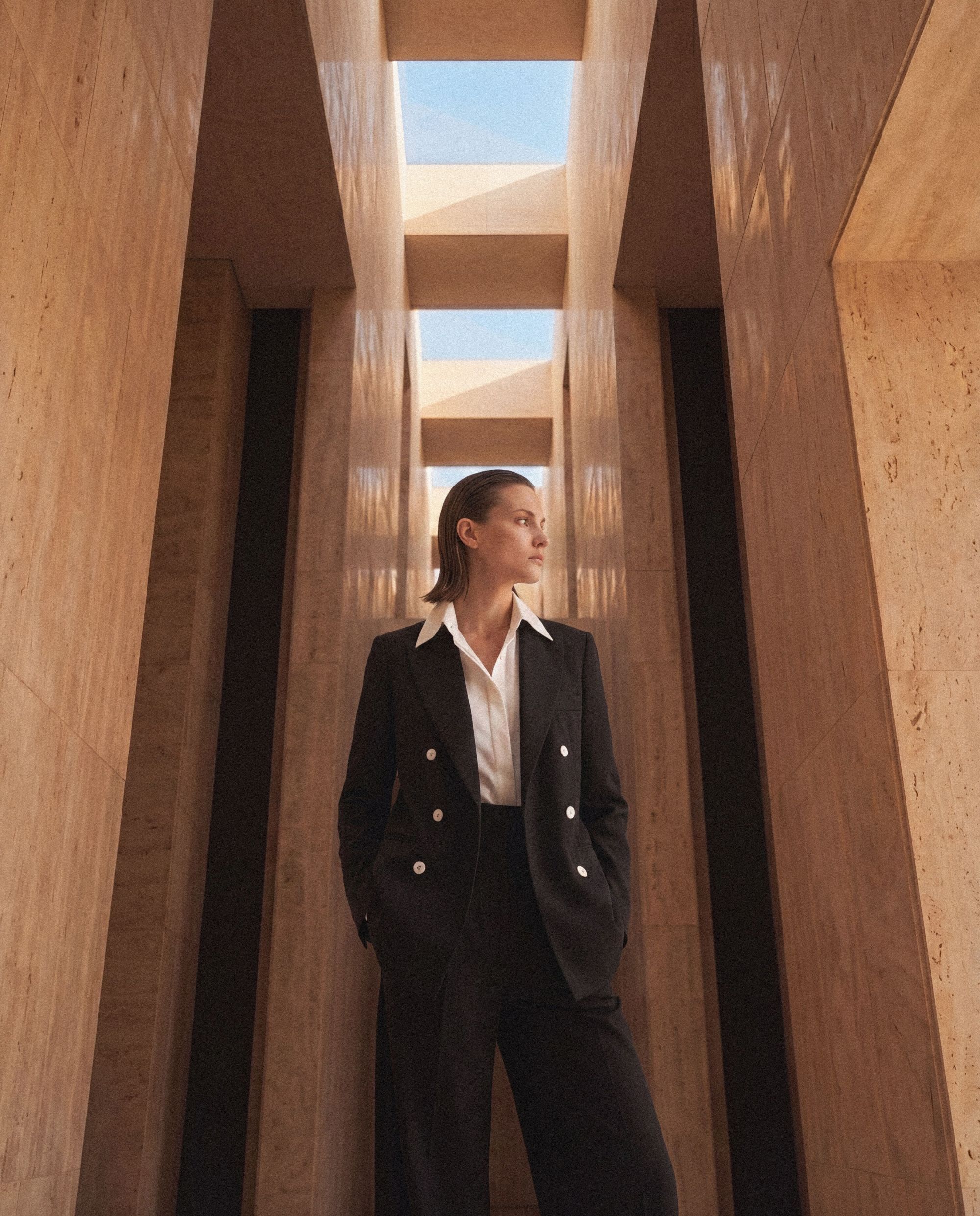
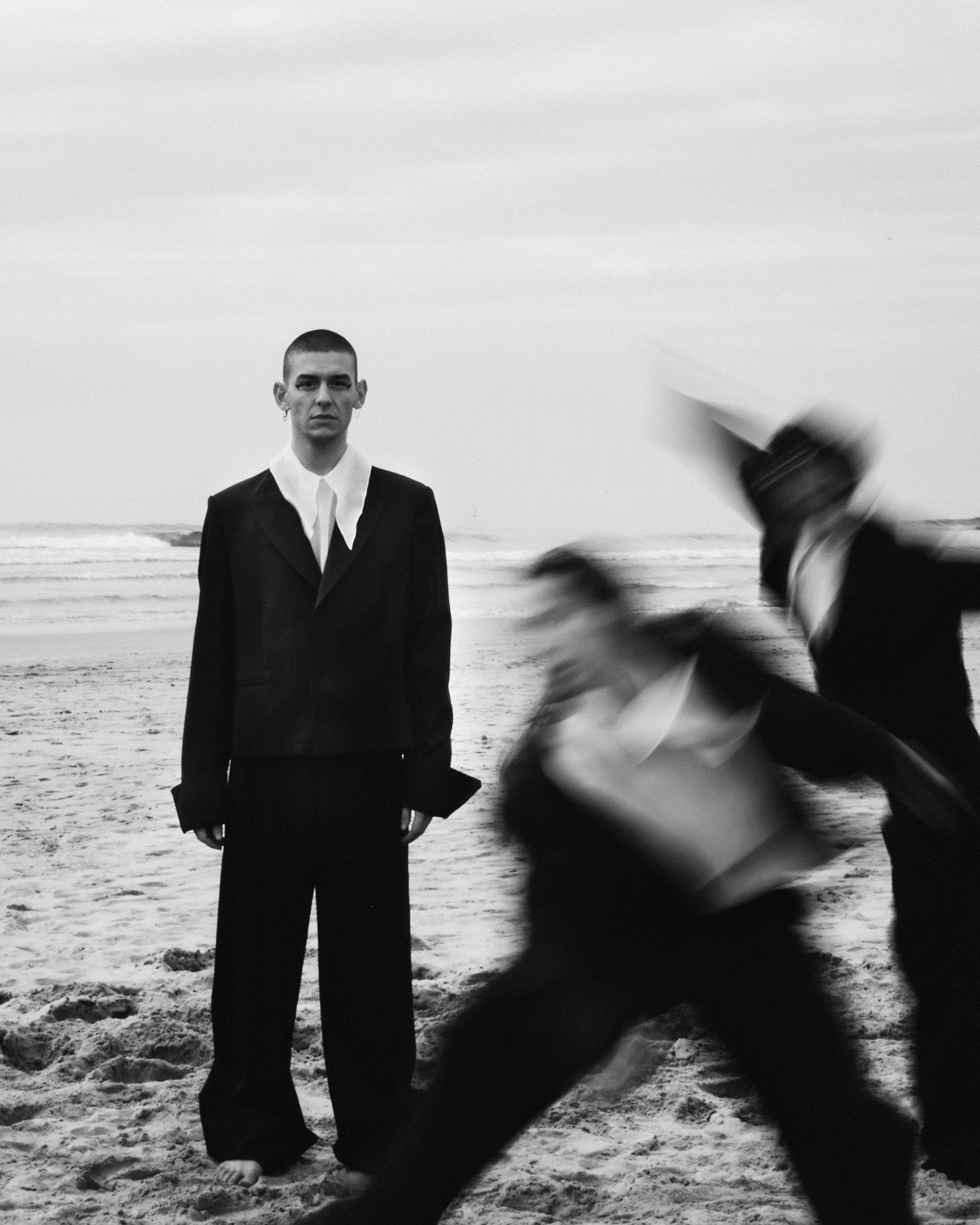
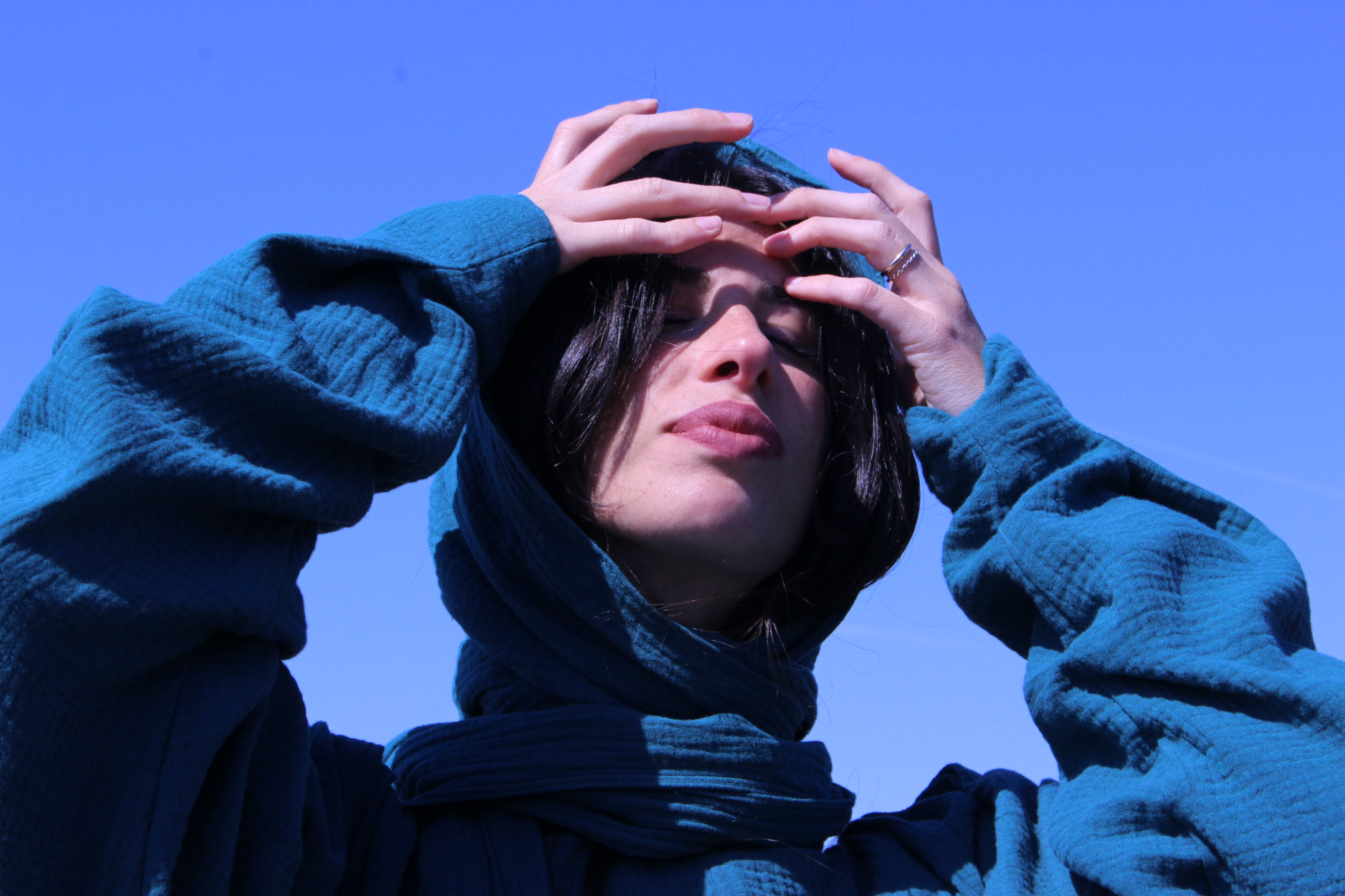
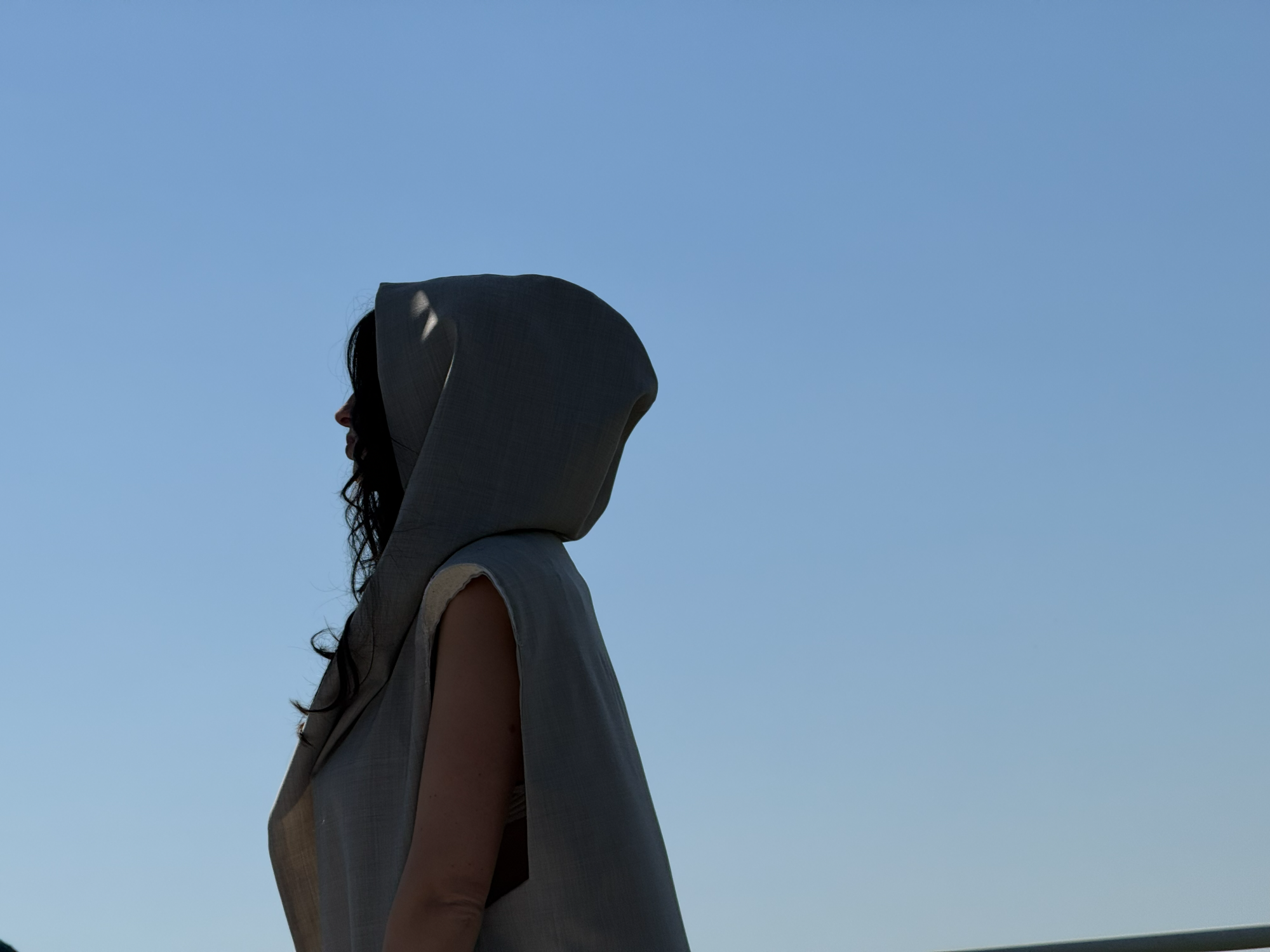
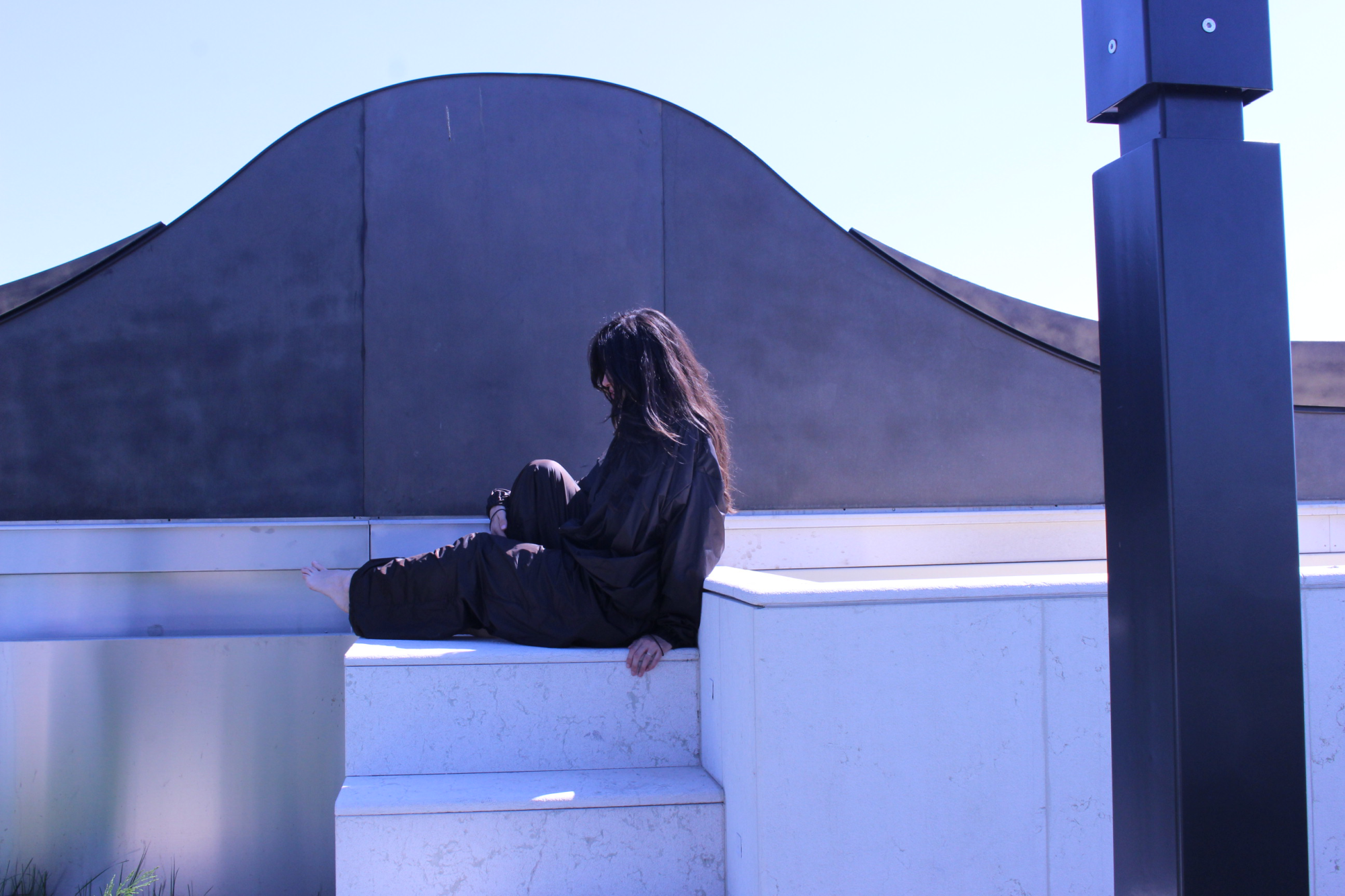
From a conceptual point of view, I would like the idea of the dress to remain as a character and as a pure narrative. I certainly didn't invent this deep connection between theater and fashion, but in my case it's really visceral: I feel and design each collection exactly as if it were a show to be staged. But in everyday life. From a tangible point of view, however, I would like the brand to be remembered above all for the blazer and pants suit. I would like my research to design new lines and a new way of understanding the suit to be recognized and appreciated: silhouettes that are a little more boxy, structured, but at the same time enveloping and not too rigid. It would be a great personal and professional satisfaction if this silhouette of mine found its place in the history of the blazer, creating a new and iconic 'suit'.
What to read next
Miu Miu's commercial boom is coming to a halt
The rest of the Prada Group, however, is holding up well
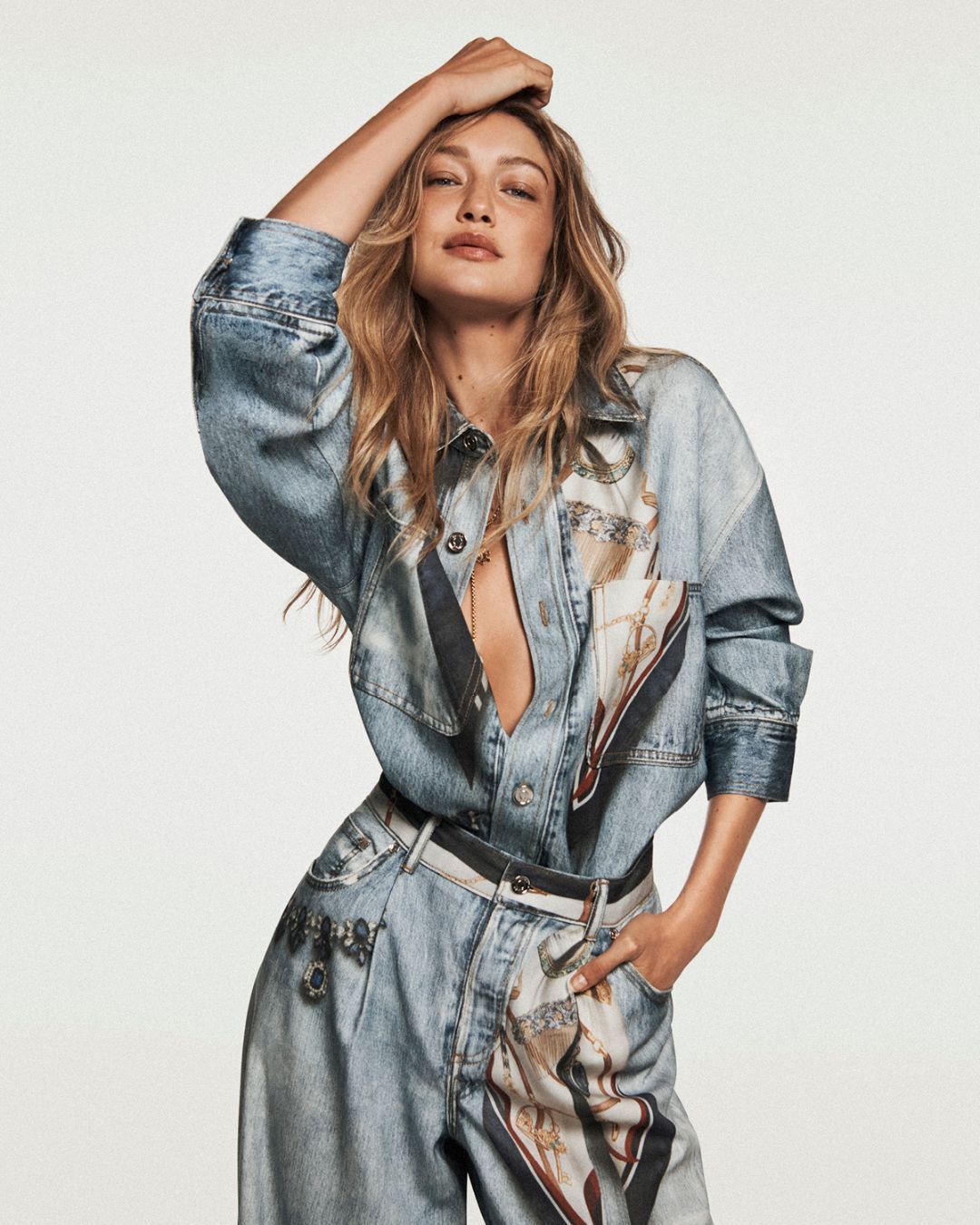
Liu Jo presents “The Gigi Hadid Edit”
The project that transforms selection into an identity gesture