




























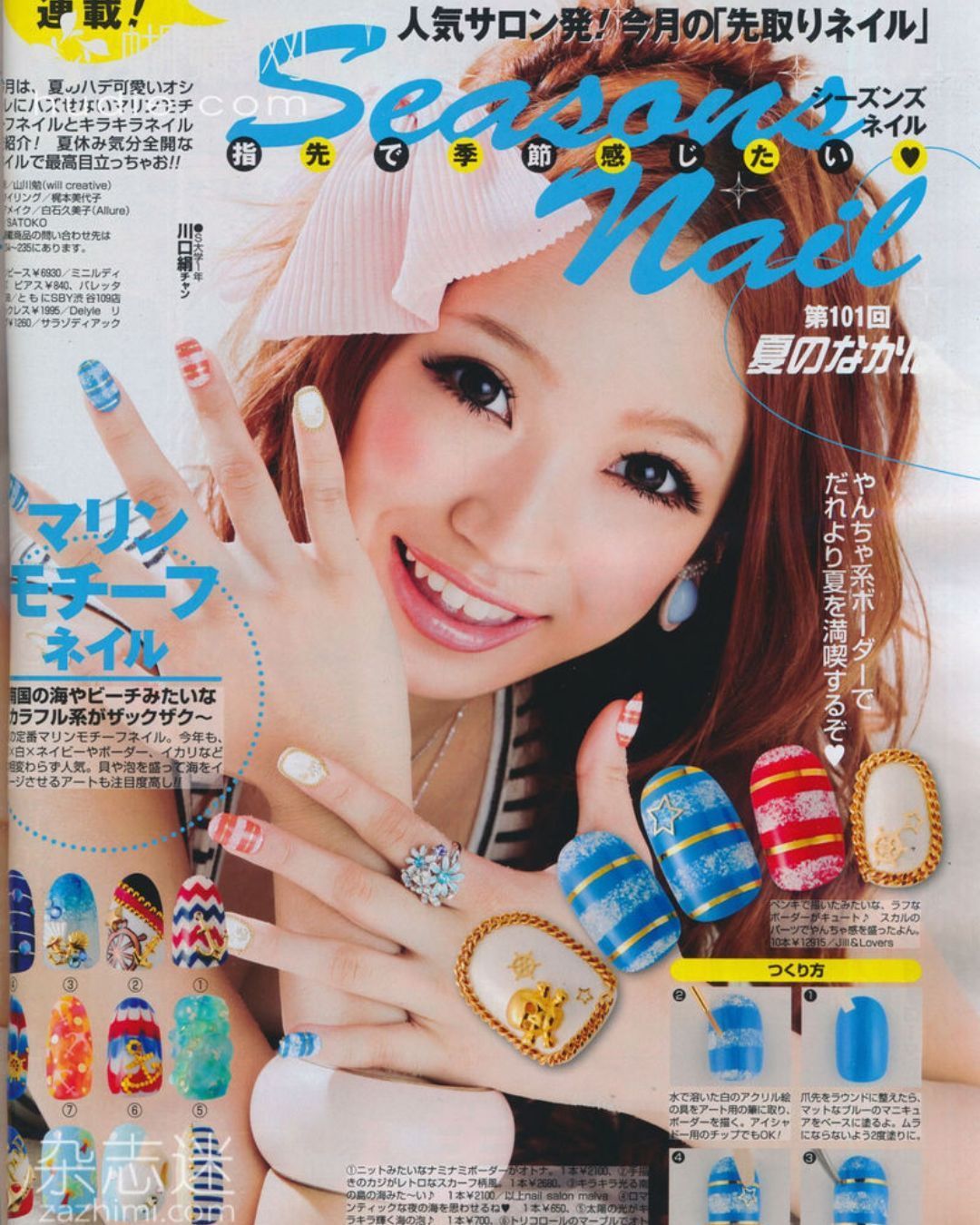
In Japan, in the nineties, magazines dedicated only to nail art were created A dream come true or just nostalgia?
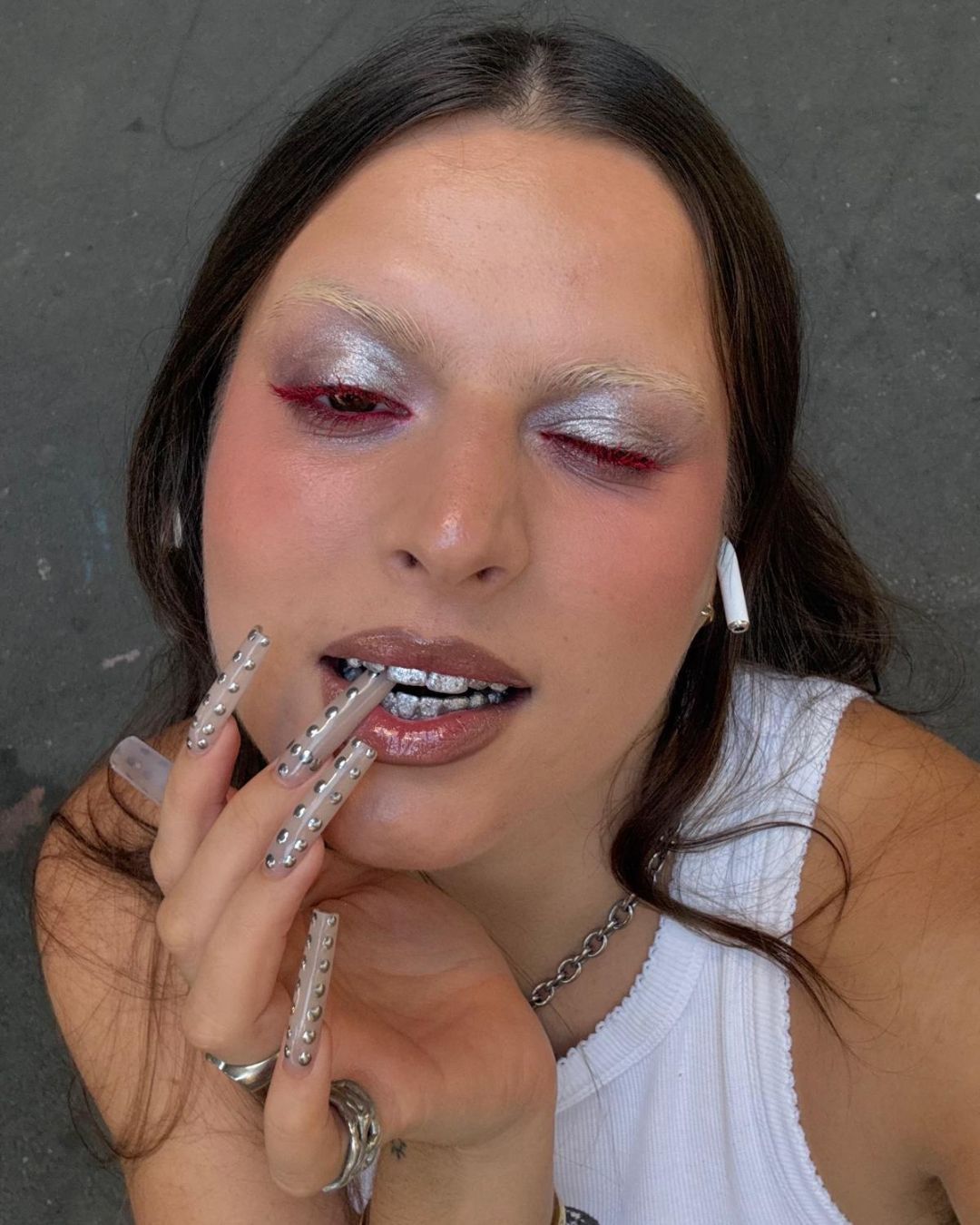
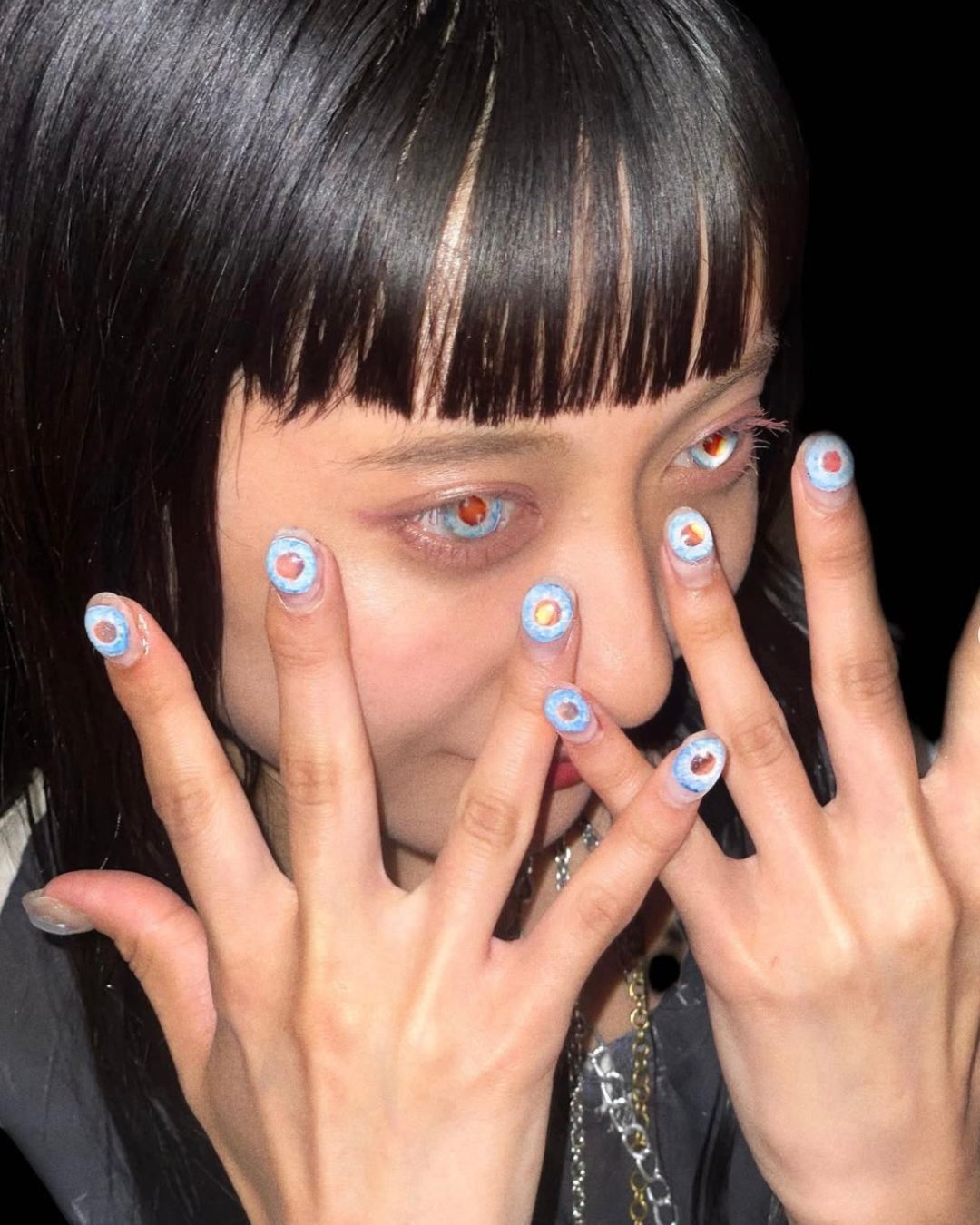
Where do you get your inspiration, for your nails? What do you bring to your trusted nail artist? Photos, let's imagine, videos and moodboards, images of various kinds. What inspires you? Videos, Instagram posts, friends, comics and drawings, graffiti, movies, TV shows, music videos, famous people, nail artists overseas. Imagine, now, going to the newsstands and buying a newspaper and finding only inspo for our next nails. Colors, patterns, shapes, combinations: everything. A dream or just nostalgia for the analog?
Japanese nail magazines between the end of the 90s and the beginning of the 2000s
At the end of the 90s, all this, in Japan, was a reality. In fact, there were several magazines dedicated exclusively to nail art. Without beauty, without fashion: only nails. One of the most famous was Nail Max. We went to do a bit of research on TikTok, where different creators (but especially Anitanaoko) show them to us. Pages and pages of nail art. Not just a curtain, but a galaxy made of gels, nail printers, accessories and combinations.
@anitanaoko By the late 1990s, Japan's nail industry had grown large enough to support magazines dedicated entirely to nail art. Not beauty magazines with a few nail pages. Entire publications focused on techniques, competitions, salon culture, products, and emerging trends. These pages come from Nail MAX, one of several nail magazines published during this period. Looking through them today, it's striking how much of what people consider modern nail art was already being practiced: sculpted acrylics, airbrushing, rhinestone placement, hand-painted designs, and increasingly elaborate 3D work. At the same time, it's important to recognize that decorative acrylic nail culture did not develop in isolation. Black American women had been pushing nails beyond simple beauty treatments for decades, transforming them into a form of personal expression and creative identity long before nail art became mainstream. The influence of Black American fashion, music, and beauty culture would reach Japan through many of the same channels that shaped youth movements like gyaru. What makes Japan's nail culture so fascinating is what happened next. Rather than remaining a trend, nail art developed into its own ecosystem. Dedicated magazines, competitions, certification programs, nail schools, specialist salons, and professional artists all emerged around the craft. Nail MAX wasn't documenting the beginning of a movement. It was documenting a culture that was already mature enough to sustain an entire industry around nails alone. #tokyofashionarchives #gyaru #90sfashionjapan #japanesenailart #japanesefashion original sound - Anita Naoko • Tokyo fashion
The nail trends that are back (or maybe never went away)
Many of the trends we are examining today, in fact, already existed then, in this sea of unique inspirations, which seem to come from another planet but which at the same time seemed to project themselves into the future. Just think of three-dimensional creations and drawings made with an airbrush. In reality, however, just as Anita Naoko would like to point out, the story of these decorated nails has even more ancient origins.
The origin of nail art according to Anita Naoko on TikTok
According to the content creator, long before nail art became mainstream in the rest of the world, African-American women had transformed their nails into a powerful form of personal expression. From Danielle Luna's iconic sculpted acrylic nails, which appeared on the cover of Vogue in the Sixties, to the elaborate manicures shown off by artists like Lil' Kim and Missy Elliott, nail culture was already redefining the boundaries of beauty far beyond the salon. And Japan was watching closely. Many of the global influences that have helped to shape the ghetto culture have also influenced Japanese beauty culture, which has taken these suggestions and decided to build an entire ecosystem around nails made up of magazines, competitions, specialized schools, dedicated salons and professional careers. At the end of the nineties, nail art in Japan had now become a discipline in its own right. Magazines like Nail Max, Nail Venus and Nail Up existed because there were enough enthusiasts to fill the pages, month after month.
Now, things have changed. Despite an apparent push for analog and paper, in fact, our ideas come from social networks, and it's hard to deny it. From TikTok, from Instagram, from the make-up artists that we find in the discover section. Everything passes quickly. The only way to stop the stimuli is to save them for later. How much fun would it be, instead, to show up for an appointment with our trusted nail artist with a newspaper under his arm and some time to browse it together?
What to read next
But did you know the history of pimple patches?
From ancient Rome to Renaissance courts, through the 1920s and up to today
Reverse washing will change the rules of our haircare routine
The new method promising thoroughly cleansed, soft hair