





Why pop culture is obsessed with being trapped From liminal spaces to haunted houses and cursed towns
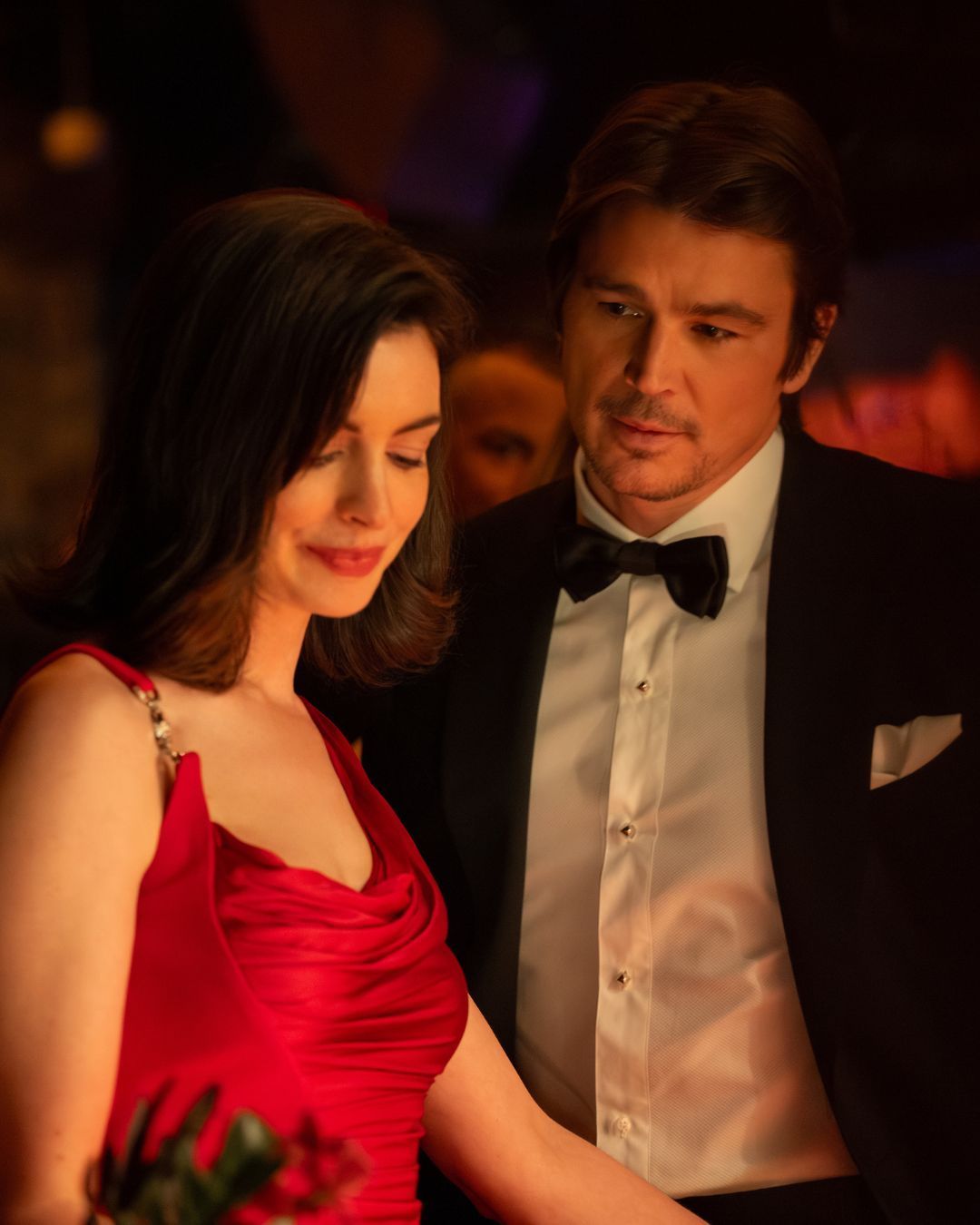
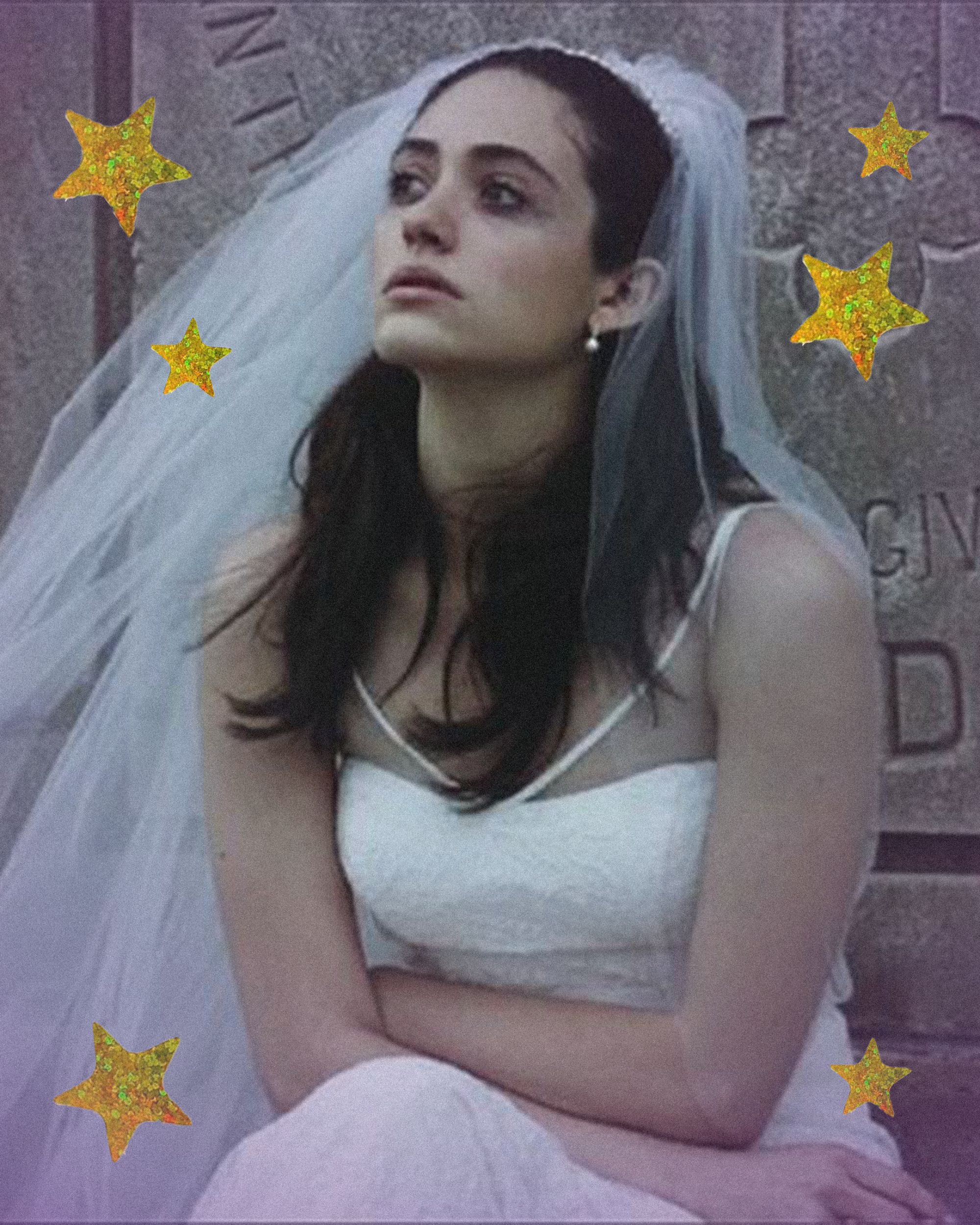
"I think I'm gonna die in this house," sings Charli XCX on the soundtrack of Wuthering Heights. It could just as easily serve as the unofficial motto of contemporary pop culture, and perhaps of our generation as well. Over the past few years, films, TV series, books, and music have all seemed to revolve around the same image: the trap. Houses no one can leave. Towns that refuse to let their residents go. Relationships that feel like life sentences. Endless liminal spaces with neither an entrance nor an exit. The settings may differ, but the underlying message remains the same: the protagonists, and, by extension, we ourselves, are trapped.
The horror of feeling stuck
This isn't a coincidence. Art rarely invents new fears; instead, it transforms the anxieties that already exist within a society into stories. If contemporary media keeps returning to characters imprisoned in parallel realities or impossible landscapes, it's because that feeling has already become deeply familiar. Millennials and Gen Z grew up believing they could become anything they wanted. Instead, many have found themselves facing a reality in which simply imagining the future feels far more difficult than expected. Our nightmares have changed accordingly. They no longer chase us, they immobilize us. They hold us in place. And if art has always functioned as both emotional release and cultural reflection, what better way to confront this collective anxiety than by turning it into stories?
Horror as a mirror of collective anxiety
Horror has always been one of our most effective ways of processing pain and uncertainty. The monsters we encounter on screen or between the pages of a novel rarely exist for their own sake. They are metaphors. Demonic possessions, like those in The Exorcist, embody the fear of losing control. Ghosts represent the weight of a past we cannot let go of. Monsters often symbolize the terrifying possibility that everything we've built could ultimately destroy us. The monster changes. The fear remains.
Why From and Widow's Bay feel so familiar
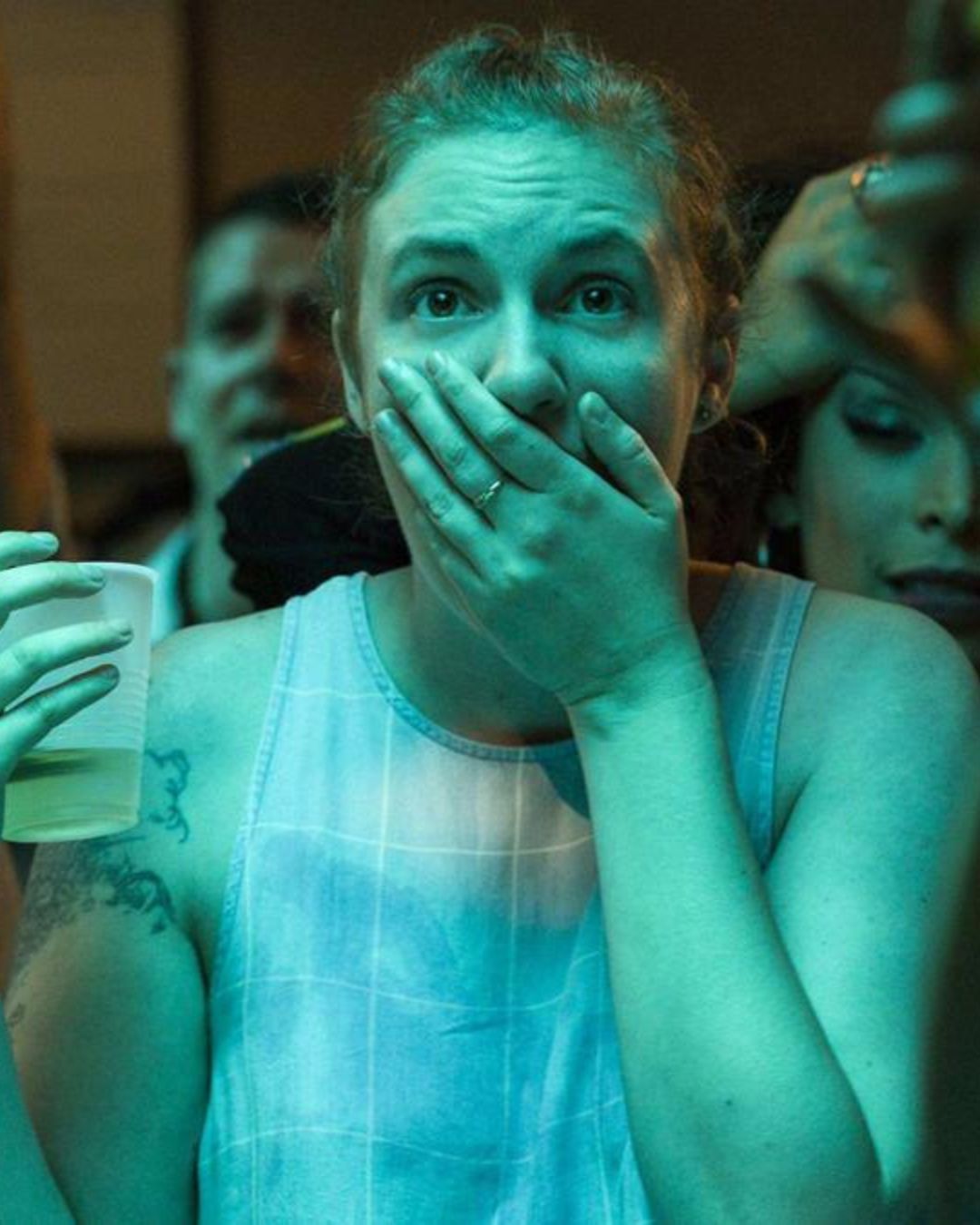
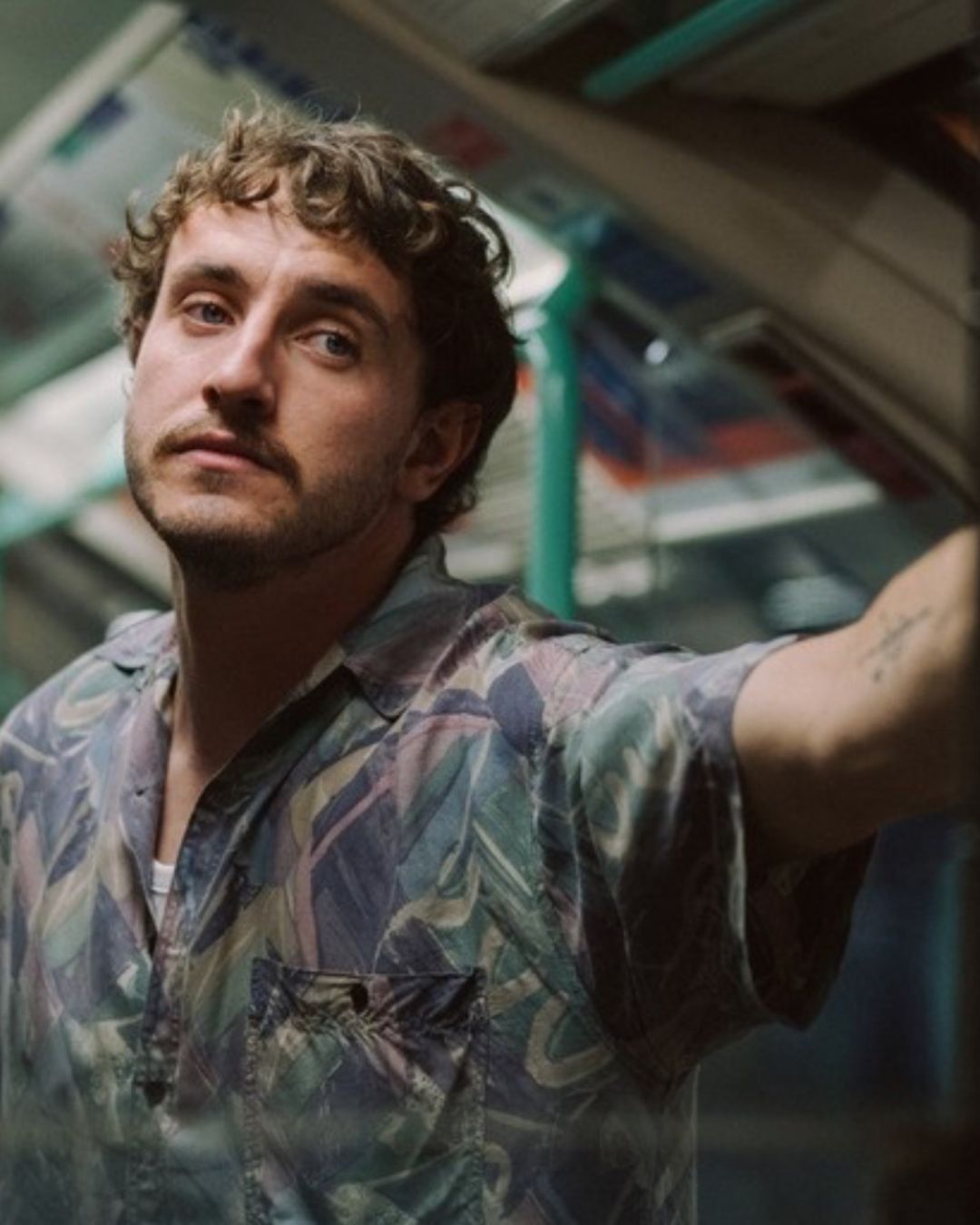
Recent series like From and Widow's Bay fit perfectly within this framework. In both stories, the protagonists are physically unable to leave the places where they find themselves. In From, a group of strangers becomes stranded in a mysterious town deep within the forests of northern America, isolated from civilization while shape-shifting creatures hunt them every night. In Widow's Bay, the characters are trapped on an island, caught inside a seemingly inescapable mechanism. In both narratives, escaping becomes the characters' only purpose. Every clue promises freedom, every revelation suggests a possible solution. Yet the trap is never purely geographical. Each character carries deep emotional scars, and the places imprisoning them gradually reveal themselves as metaphors for their own unresolved conflicts. Again and again, they are people paralyzed by indecision, unable to move forward whenever life confronts them with a crossroads.
The Backrooms and the rise of liminal horror
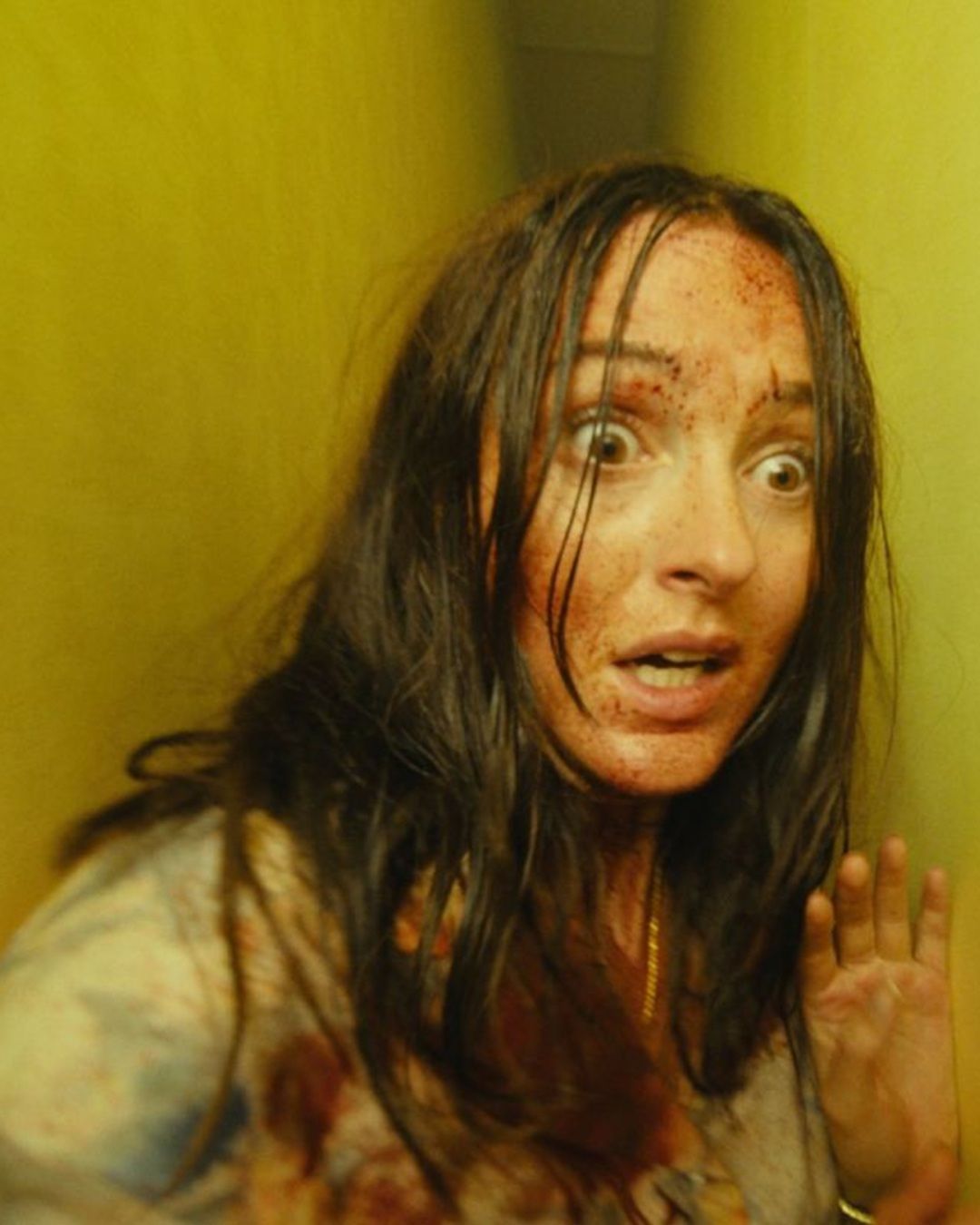
The same idea drives The Backrooms, the indie film directed by an exceptionally young Gen Z filmmaker. Here, the characters wander through an infinite maze of deserted office corridors and endless yellow rooms where time itself appears frozen. Inspired by the early-2000s creepypasta phenomenon, The Backrooms expands an online mythos built around a devastating premise: choice is ultimately meaningless. Every hallway looks the same. Every turn leads to another identical room. Every attempt at escape ends exactly where it began.
The trap didn't begin with horror
Yet the idea of entrapment is hardly exclusive to horror, nor is it particularly new. Long before liminal spaces became an internet obsession, Heathcliff and Catherine were already prisoners in Wuthering Heights. They were trapped by their home, by social class, by resentment, and by a love so destructive that it became impossible to escape. Their story contains no literal labyrinth, although the Yorkshire moors often feel like one, but every character appears doomed to repeat the same mistakes, as though the past itself were a prison for which no one possesses the key.
Why today's fear is different
For decades, mainstream culture was dominated by stories about failure. The greatest fear was not reaching the destination society had promised us: failing to find the right job, build a successful career, or fulfill our potential. Today's anxiety feels fundamentally different. Now, the fear comes before failure itself. We are no longer terrified of choosing the wrong path. We are terrified of discovering there isn't one. Of remaining in a job that no longer reflects who we are, but that we cannot afford to leave. Of living in a city we've outgrown but cannot escape. Of staying inside a relationship hollowed out by time because loneliness feels even more frightening.
The real nightmare of our generation
Viewed through this lens, time loops, liminal spaces, cursed labyrinths, and impossible towns become powerful metaphors for contemporary generational anxiety. Disillusioned by bleak political, economic, and social realities, we no longer fear taking the wrong road. Even the wrong road leads somewhere. What truly frightens us is reaching a dead end. That may explain why so much contemporary pop culture keeps imagining impossible houses, endless hallways, cursed villages, and inescapable worlds. The greatest horror of our time isn't death. It's the possibility that nothing will ever change.