















The Legally Blonde prequel doesn't work Prime Video's series fails to connect with the original
Every time a prequel, sequel, remake, or reboot is announced, we all end up repeating the same thing: enough with prequels, sequels, remakes, and reboots. But the only sensible approach is to wait until the project is actually finished before judging it. After all, if we're tired of prequels, sequels, remakes, and reboots, we're probably just as tired of constantly saying we're tired of them. The easiest solution is to accept that they're inevitable, wait to see what changes or additions they bring to familiar stories, and maybe even end up enjoying them more than expected. The problem with Elle, Prime Video's prequel to the cult classic Legally Blonde, is that it quickly shatters that hope.
Why Elle, the Legally Blonde prequel, doesn't work
Another common criticism of prequels, sequels, remakes, and reboots is that they simply don't need to exist. In the case of Elle, it's hard to disagree. The reason is obvious, even if some of the producers seem determined to ignore it, including Reese Witherspoon, who, after originating the role of Elle Woods in the 2001 film, backed the series through her production company, Hello Sunshine. In the original Legally Blonde, Elle begins as a blank canvas: a young woman from Los Angeles with Los Angeles habits, Los Angeles passions, and Los Angeles friendships. That doesn't make her shallow, that is precisely the point of the film. At the same time, everything Elle experiences in Legally Blonde becomes the defining turning point of her life, shaping not only the woman she becomes but also helping her discover who she truly wants to be.
Elle Woods' transformation in the original film
Unfortunately, the backstory presented in Elle clashes with the opening of Robert Luketic's Legally Blonde. Beautiful, cheerful, and blonde, Elle is underestimated by everyone, especially her boyfriend, who doesn't believe she's smart enough. She studies fashion merchandising, dreams of getting married, and suddenly finds herself facing prejudices she had never experienced before, or at least that's what the film suggests. Until then, Elle Woods had grown up in a safe, protected, and privileged environment. It's only when reality hits, and she realizes life isn't all pink (especially pink), that she finds the determination to earn a place at Harvard, secure the most prestigious legal internship on campus, and ultimately solve a murder case.
The shift from pre-breakup Elle to post-breakup Elle is what defines her transformation. It's a journey of self-discovery in which she confronts prejudice and sexism, constantly seeing women's roles diminished, until she decides to challenge those injustices, remain unapologetically herself, and prove, not to everyone else, but to herself, that she is far more than people assume. It's a character arc that unfolds entirely throughout the film, without any suggestion that its foundations had already been laid during high school.
The continuity problem between Elle and Legally Blonde
If everything that happens in Legally Blonde is true, then not everything that happens in Elle can be. It's almost as if Thanos snapped his fingers somewhere between the series and the film, creating a timeline where Elle has fallen into the same universe as Tom Holland's Peter Parker after Spider-Man, except in this case she's the one who has forgotten everything. Given everything that happens in Seattle during her high school years, it's impossible to believe those experiences would leave so little impact. Her transformation in Legally Blonde is simply too precise for the show to work as something comparable to The Carrie Diaries, which explored Carrie Bradshaw's younger years before Sex and the City, and whose producers were careful to point out that it wasn't a strict prequel, but rather an adaptation of Candace Bushnell's novel The Carrie Diaries.
Lexi Minetree is the series' brightest spot
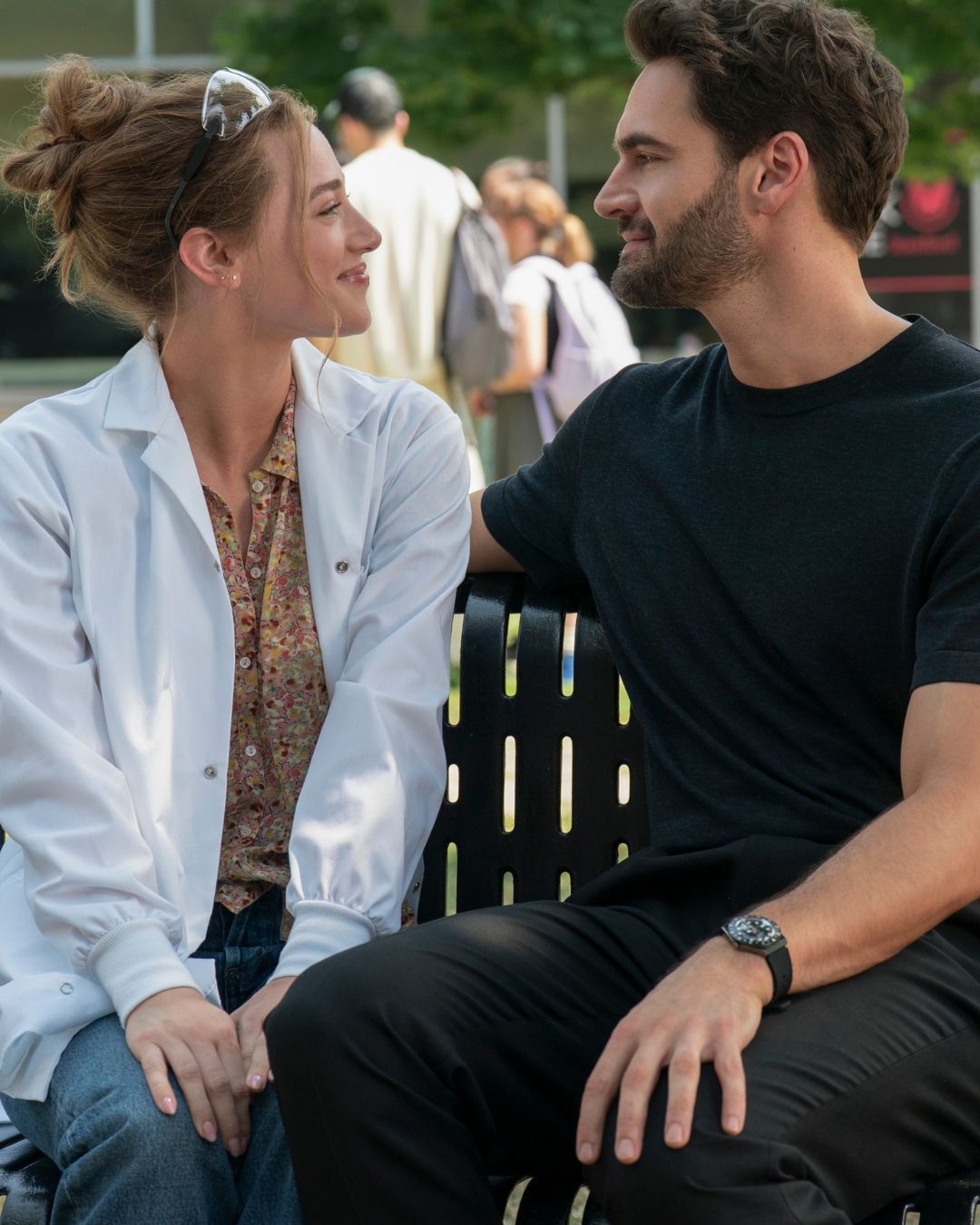
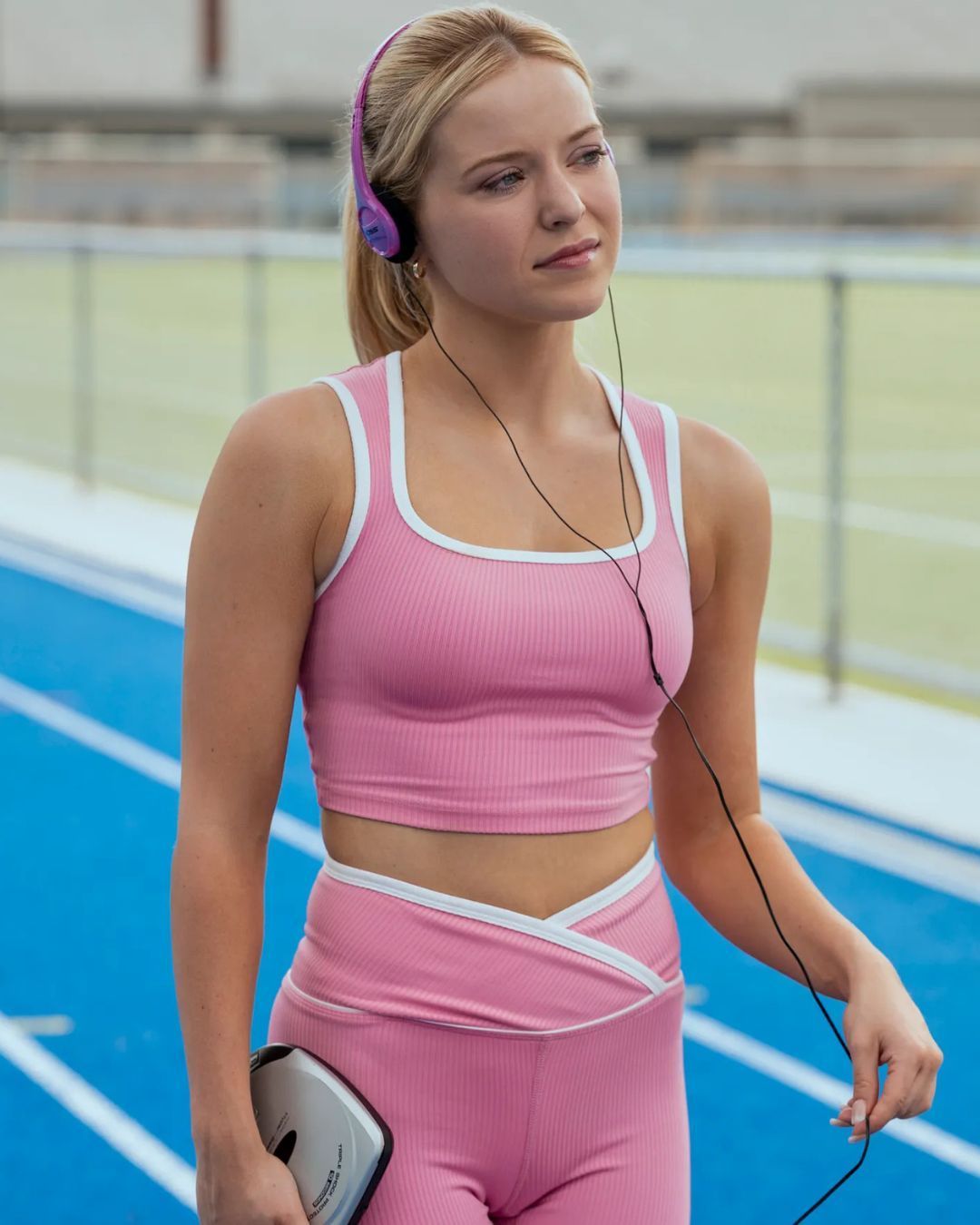
None of this takes away from how charming Lexi Minetree is in the role (yes, she genuinely could pass for a young Reese Witherspoon). Nor is this about automatically dismissing franchise-building or marketing-driven projects. But Elle ultimately proves that not every cinematic universe needs to be expanded, especially when doing so comes at the expense of the original story's internal consistency.