





















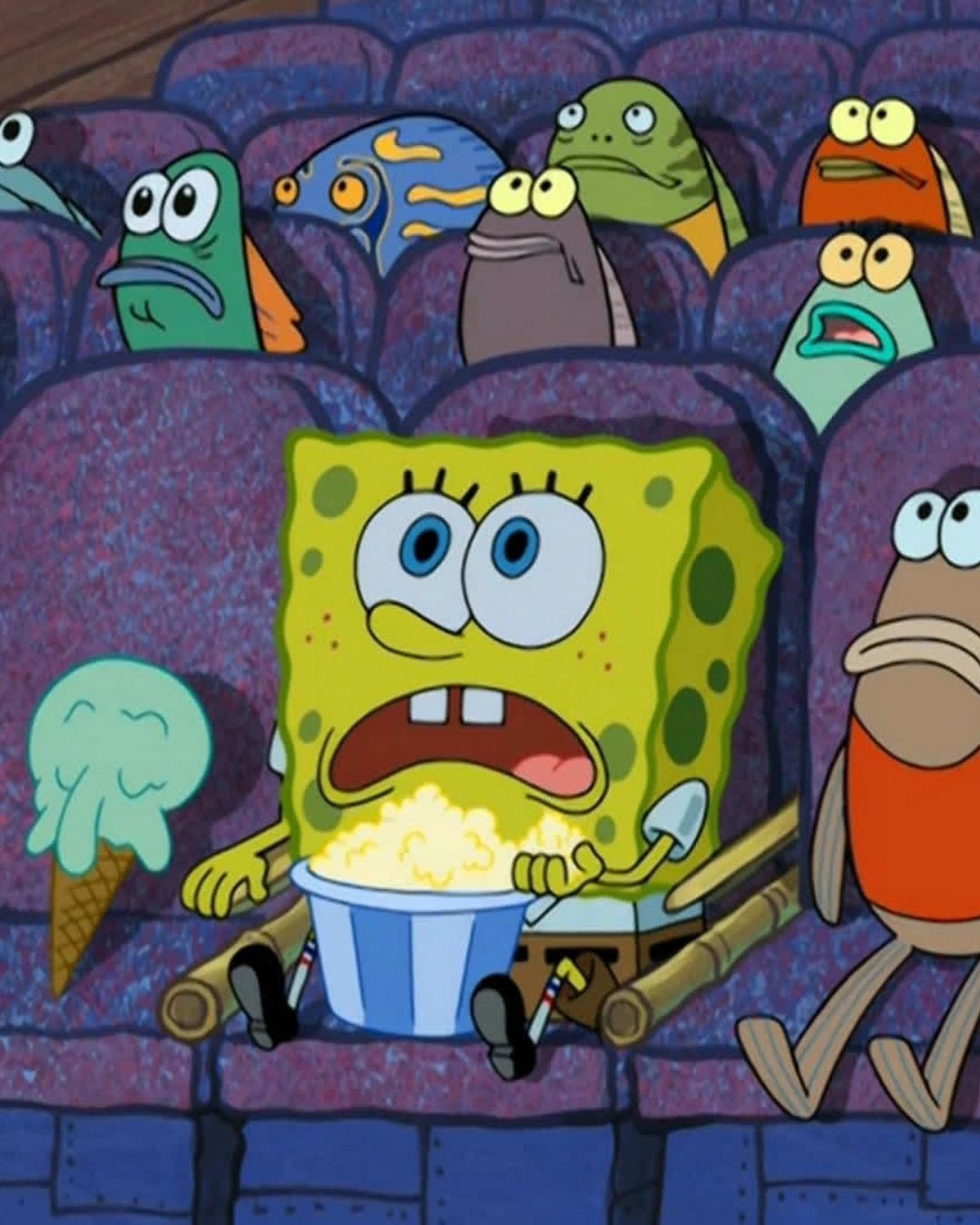
We can't even manage to watch a whole film anymore More than just cinema behavior, we're losing the habit of paying attention
A few years ago, admitting that you used your phone at the cinema, watched movies at double speed, skipped descriptive scenes or jumped straight to the ending would have meant being seriously judged. Today, all of that has become almost normal. Our attention spans seem to have shrunk to the bare minimum and, as long as someone keeps consuming culture, even superficially, everything somehow feels acceptable.
1.5x speed movie screenings are actually real
It sounds like the plot of a satirical article or a 2010s dystopian novel, but the Canadian film festival Rendez-vous Québec Cinéma really did announce that it will screen certain films at 1.5x speed in order to attract younger audiences. Before calling it sacrilege, though, it’s worth asking ourselves how we even got here. When did entertainment stop feeling entertaining enough? When did movies, TV series, books and performances stop truly holding our attention?
When did entertainment stop being enough?
As kids, Gen Z and Millennials were often parked in front of the TV while their parents tried to make ends meet. We grew up with episodic series interrupted by endless commercial breaks that we patiently waited through just to find out what would happen next in our favourite stories. We even enjoyed watching commercials, to the point that we still remember jingles and taglines from twenty years ago.
From streaming to endless binge watching
Then the internet became accessible to everyone, without the endless DSL loading times, and we got used to binge watching: first through piracy, then through streaming platforms that made everything even more immediate. Social media already existed. Instagram, Facebook and YouTube were already part of our media diet, yet the appeal of long-form content still felt untouchable. At some point, though, it was as if we collectively realised the endless amount of content available, and our hunger for media became completely insatiable.
TikTok, doomscrolling and increasingly exhausted brains
As cliché as it may sound, our media binge consumption probably became fully chronic during the first lockdowns. For the first time in our lives, we had nothing to do except consume content. It didn’t matter what kind, as long as it could distract us from the collective madness we were living through and perhaps still haven’t fully processed. TikTok took over, and every other platform started copying its language. That’s when the endless sessions of doomscrolling began: compulsive, continuous scrolling that now follows us through every part of the day. It sounds exaggerated, almost paranoid, but in some ways it’s true. Not physically, scrolling itself won’t kill you, but our brains do seem to have fundamentally changed. Memory feels blurrier, attention spans shorter, concentration harder to maintain, and the urge to pick up our phones has become almost automatic. We’re constantly searching for the next hit of stimulation.
Why it’s so hard to focus today
There are countless reasons for it. Our lives are becoming increasingly chaotic and exhausting. Work feels all-consuming and alienating. Real-life social interactions continue to decrease. So we get home mentally drained, unable to truly focus on anything. Our minds are crowded with thoughts, anxiety and worries, and all we want is to escape. And so the constant multitasking begins: the TV playing some mindless comfort show, the computer open for a bit of therapeutic shopping, and the smartphone in hand for endless mechanical scrolling.
Movies are becoming faster and more explanatory
It’s inevitable - as sad as it may be - that people creating art and media products eventually adapt to these new consumption trends. That’s why today we’re surrounded by increasingly didactic movies and TV series, where dialogues often seem designed mainly to constantly recap what just happened moments before. And if that still isn’t enough, or if an artist refuses to adapt to these dynamics, then distributors and promoters step in. Which is exactly how we end up with a film festival deciding to screen movies at accelerated speed.
Has watching a movie slowly become a luxury?
Should we be offended? Outraged as viewers because someone is questioning our ability to pay attention? Maybe the point is something else entirely: in a society that moves faster and faster, cultural products inevitably become quicker, more immediate and easier to consume. We crave constant gratification, endless stimulation, instant dopamine and the complete elimination of downtime. The real issue is that time has become the rarest luxury of all. Nobody seems to have enough of it, and whatever little remains has to be optimised, productive and useful. But culture often requires the exact opposite: reflection, slowness, the ability to feel bored and enough time for ideas to settle.
Maybe the real revolution is learning how to be bored again
Today, the most revolutionary act might simply be allowing ourselves to do nothing. Accepting boredom, slowing down, focusing on one single thing for more than a few minutes. Maybe that’s the only way to train our attention spans again and stop ourselves from eventually thinking it’s completely normal to watch a movie in split screen with a Subway Surfers gameplay running underneath.
What to read next

“The magic of Jane Austen is that her stories feel fresh and timeless”
Daisy Edgar-Jones, star of Sense and Sensibility, in cinemas from October 22