















































Injectable peptides are the latest wellness craze From biohacking to beauty and wellness: why is everyone getting peptide injections?
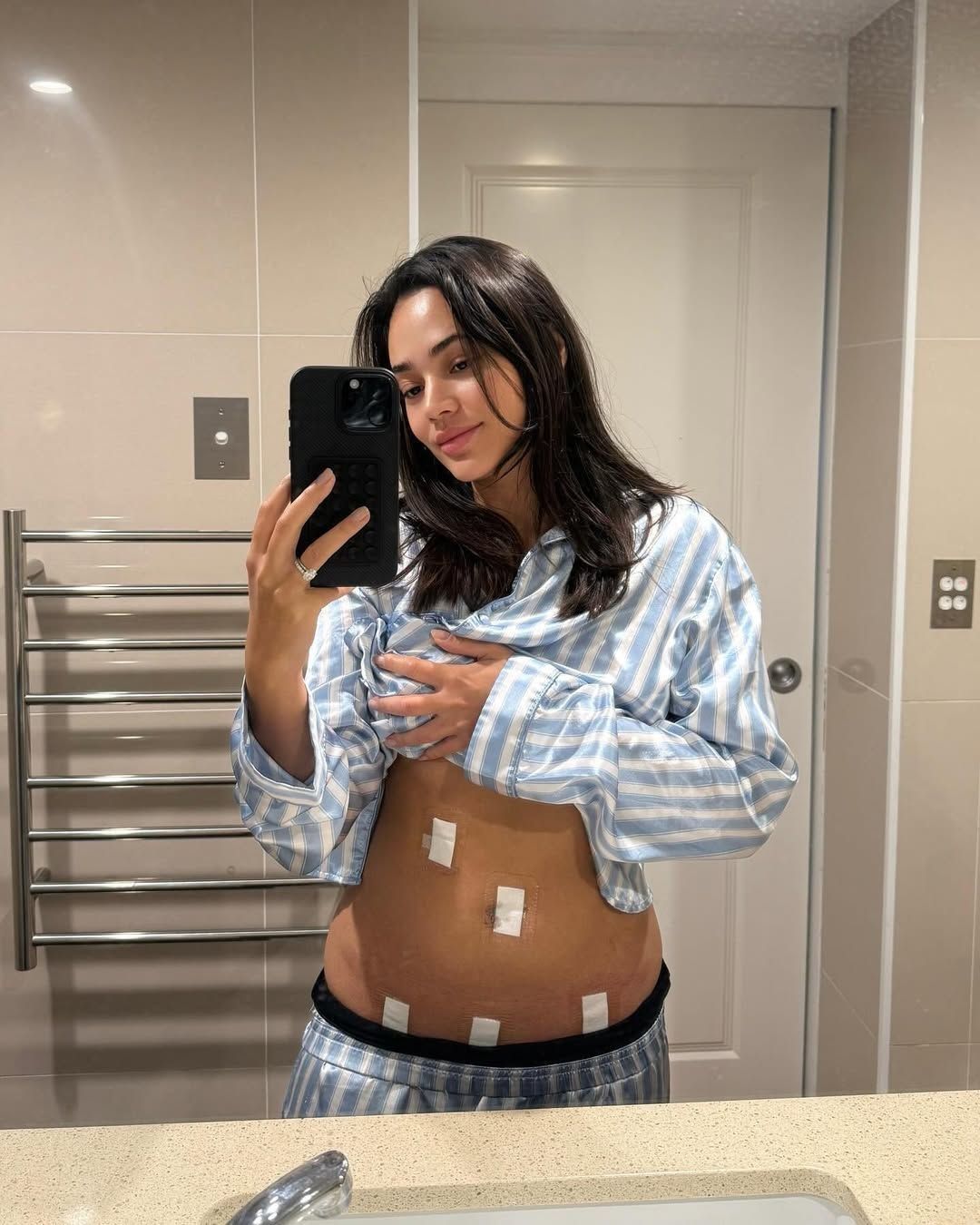
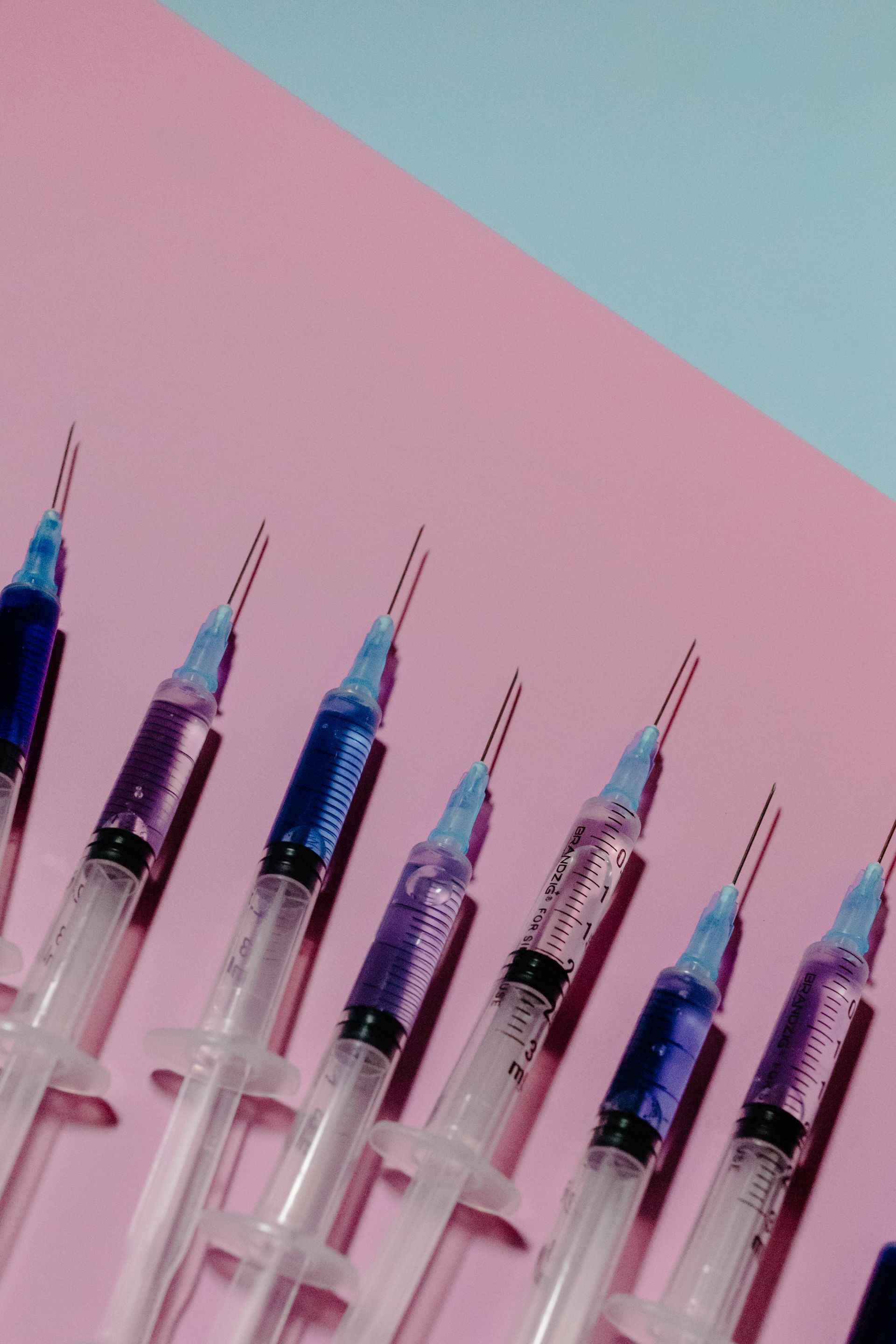
Until a few years ago, the dream was a miracle cream. Then came Ozempic and other weight loss drugs. Today, the new obsession in the wellness world is something else entirely: injectable peptides. If you spend enough time on TikTok, Instagram, or Reddit, you've almost certainly come across someone injecting themselves with a substance that has an almost unpronounceable name, promising brighter skin, record-breaking muscle recovery, less body fat, more energy, and even a longer life. The aesthetic is that of the biohacker with a refrigerator full of vials, perfectly lined-up syringes, laboratory-style morning routines, and a vocabulary that blends medicine, fitness, and science fiction. The message is simple: why wait for your body to do its job when you can convince it to work faster? The only problem is that, in most cases, science is not nearly as convinced.
What are injectable peptides?
Peptides are short chains of amino acids, the building blocks the human body uses to create proteins. Every day, the body produces thousands of them to send signals between cells. They regulate hormones, help repair tissues, control inflammation, and play a role in countless biological processes. Some of the world's best-known medications are also peptides. Insulin, for example, has been used for more than a century. The same is true for GLP-1 drugs, such as Ozempic and Wegovy, which are now widely prescribed to treat type 2 diabetes and obesity. The difference is that these medications have undergone years of research and large-scale clinical trials before receiving regulatory approval. The story is very different for the injectable peptides that have gone viral on social media. Names such as BPC-157, TB-500, GHK-Cu, and CJC-1295 are marketed as solutions to speed up injury recovery, boost collagen production, build muscle mass, or slow aging. The problem is that, for most of these compounds, scientific evidence in humans remains extremely limited. Many of the available findings come from laboratory or animal studies, and those results cannot automatically be applied to people.
@holisticglpgirly This peptide gets talked about for a reason GHK-Cu = skin repair, collagen support, hair health, and anti-inflammatory benefitsall in one. No wonder it’s called a regenerative peptide. Educational content only, not medical advice #ghkcu #beauty #biohacking #glp1community #antiaging original sound - Holistic GLP Girly
Why is everyone talking about injectable peptides?
The popularity of injectable peptides says a lot about the moment we're living in. After the success of Ozempic, giving yourself an injection at home suddenly became normalized. If one medication can help people lose weight, then why shouldn't another help you sleep better, recover faster, or achieve flawless skin? Social media has done the rest. Podcasts, influencers, personal trainers, and longevity gurus regularly share their personal "peptide stacks", combinations of multiple peptides taken together, as if they were nothing more than dietary supplements. On Reddit and Discord, thousands of users exchange dosages, personal experiences, and before-and-after photos, while celebrities such as Jennifer Aniston have helped make these products even more desirable. As a result, injectable peptides have become a status symbol in the wellness industry, where if something appears to work in a Reel, many people assume it must work in real life.
Incredible claims, limited evidence
The list of promised benefits sounds almost like a video game with cheat codes enabled. Injectable peptides are said to accelerate healing, reduce inflammation, increase muscle mass, promote fat loss, improve sleep quality, rejuvenate the skin, and even slow biological aging. The reality, however, is that most of these claims have not yet been confirmed by robust clinical trials. While some peptides have shown promising results in laboratory and animal research, that is not enough to conclude that they are effective in humans. Experts consistently point out that current evidence remains too limited to support their widespread use as proven treatments. There is also another major concern: safety. Many of the most popular injectable peptides are purchased online through what is often referred to as the gray market. Their packaging frequently carries labels stating "for research purposes only," yet they still end up in the hands of consumers. In these cases, there is often no reliable way to verify what the vials actually contain, whether they are sterile, whether the dosage is accurate, or whether contaminants are present. Beyond the standard risks associated with injections, experts warn about the possibility of allergic reactions, hormonal imbalances, and side effects that remain poorly understood. For this reason, the scientific community agrees that, outside of approved peptide medications such as insulin and GLP-1 drugs, the rest of the injectable peptide market remains, in many ways, a massive uncontrolled experiment. And for now, we're the test subjects.
What to read next

Is mycotherapy the new wellness ritual?
Medicinal mushrooms are said to improve everything from concentration to sleep. However, not everything that comes from the forest is miraculous

Let's not let the post-vacation blues get us down
How to navigate the return from vacation with awareness and ease

Women-only gyms: the boom of a trend that says much more than fitness
It highlights the shift in attitudes toward fitness, women's health, and safer workout environments