








































Women-only gyms: the boom of a trend that says much more than fitness It highlights the shift in attitudes toward fitness, women's health, and safer workout environments
Women-only gyms are experiencing a new wave of popularity. If only a few years ago they were considered a niche concept aimed at a very specific audience, today they are making a comeback across several European countries and beyond. From London to Brussels, as well as in many major Italian cities, more and more entrepreneurs are investing in this business model, while an increasing number of fitness centers are reporting record memberships. Their growing success reflects a broader social shift and raises important questions about public spaces, safety, wellbeing, and gender equality. The first question that naturally comes to mind is: why are so many women choosing to work out in a women-only gym? The most obvious answer might seem to be privacy. In reality, the reasons are far more complex. Numerous studies conducted in recent years show that a significant percentage of women have experienced at least one negative situation while exercising in a traditional gym: persistent staring, unsolicited comments, unwanted advances, photos taken without consent, or simply the feeling of being constantly watched. These are not always severe incidents or outright harassment, but repeated behaviors that can gradually undermine the sense of comfort in a place that should be dedicated solely to personal health and wellbeing.
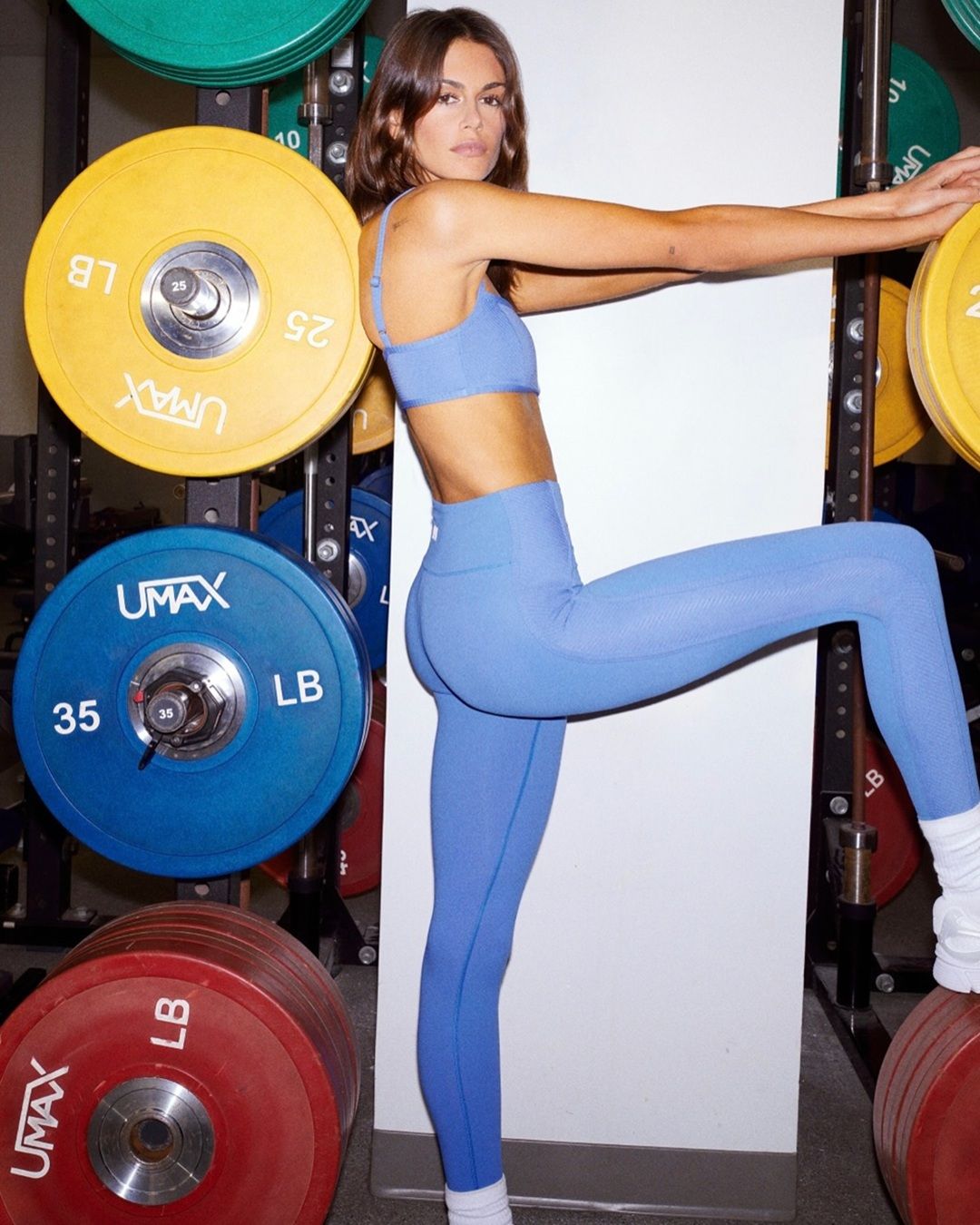
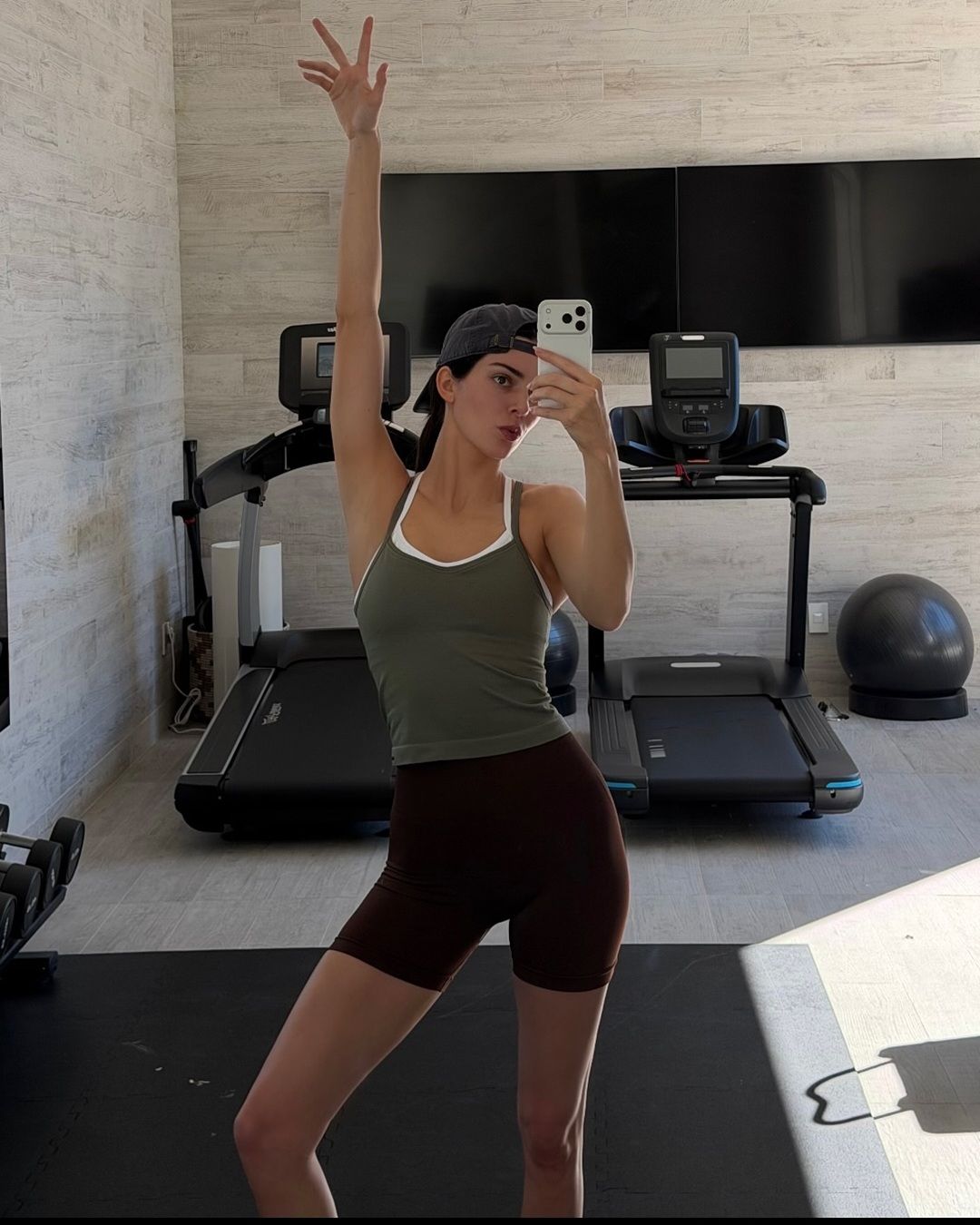
@nataleebfitness vibes after vibes at @thegirlspotgym #fyp #womensonlygym original sound - nataleebfitness
When a choice becomes a need: the women-only gyms
As a result, women-only fitness centers are increasingly perceived as more relaxed environments, where the focus shifts from appearance to health. Many members say they feel more comfortable wearing whatever they want, trying new exercises without worrying about being judged or watched, and going to the gym even when they don't feel at their physical best. For many women, especially those who are new to fitness or who have had a complicated relationship with their bodies, this becomes a decisive factor. The offer has also evolved considerably. Today, many women-only gyms provide programs specifically designed for women's health, including prenatal fitness, postpartum recovery, menopause fitness, osteoporosis prevention, and pelvic floor strengthening. These are topics that remained largely overlooked within the fitness industry for many years but are now receiving increasing attention thanks to specialized professionals. Unsurprisingly, the growing success of women-only gyms has also reignited a broader cultural debate.
Criticism that misses the point
According to some critics, the spread of these spaces risks encouraging separation rather than representing a step toward a more inclusive society. If women feel the need to work out in separate environments in order to feel safe, the priority, they argue, should be improving existing gyms instead of creating new ones. The goal of a truly equal society should be to allow everyone to share the same spaces under conditions of mutual respect and safety. Creating dedicated environments may offer an immediate and practical response to a real need, but it does not necessarily address the structural causes that created that demand in the first place. At the same time, reducing the phenomenon to this argument alone would be overly simplistic. There are many reasons why someone might prefer a dedicated space: cultural or religious beliefs, personal experiences, shyness, recovery after trauma, or simply a different idea of comfort. In a pluralistic society, offering different options does not necessarily promote segregation, it expands freedom of choice. The market appears to have recognized this shift as well. An increasing number of international fitness chains are developing concepts specifically aimed at female audiences, while social media continues to amplify the stories of women who say they finally began exercising consistently after years of avoiding traditional gyms, precisely because of these dedicated spaces. The phenomenon also fits into a broader conversation around gendered design, the idea that many public spaces and services have historically been designed around a supposedly "neutral" user who, in reality, often reflects male needs and experiences. In recent years, this discussion has expanded across fields ranging from urban planning and public transportation to healthcare. The fitness industry appears to be following the same path, gradually developing services that better reflect the diverse needs of different people.