














"Where there is ego, there is no love" Interview with Levante on her new album, Dell'amore il fallimento e altri passi di danza
I meet Levante on a late morning like any other. A colleague and I take an Uber to the Warner Music Italia headquarters in Piazza della Repubblica. Nestled among luxury hotels, it's an office building with a beautiful view of the city. I'm quite excited. I had already met Levante for our digital cover, but nearly three years have passed. In this span of time, the artist has changed a lot. She released a book, competed at Sanremo, and cut her hair. I've changed too, but that's less important.
Interview with Levante on her new album, Dell'amore il fallimento e altri passi di danza, out now
The topic of our chat, the focal point of our "gathering," is one and one alone: Dell'amore il fallimento e altri passi di danza, her latest record, out everywhere on October 9th. Anticipating its release were a Sanremo performance and six singles out of a total of 16 tracks. An atypical move for today's music industry, which thrives on fast-paced timelines and equally brief albums. But it was a choice. "There were supposed to be 17 songs, but they told me there was no budget. Write that down!" she kicks off, half-joking. "In reality, there were 15, then Alma (her daughter, ed.) stepped in with Monellerie," she continues, now laughing. Then she picks up the thread: "The music industry is what it is. Everything nowadays has to be pre-chewed so the audience can digest it easily. Don't think, don't strain yourself, we'll tell you everything. I begged my management to follow a personal need of mine: I wanted people to enter the world of this album slowly. I suffered a lot because people kept asking me for everything. But the journey required these exact dynamics. I rationed this music because I wanted people to gradually settle into this album's world. Now the singles can be placed like puzzle pieces within the work, and it's clear I was telling stories of many different loves, many different failures."
A journey to discover love, from the outside in
The journey she speaks of is, naturally, that of Dell'amore il fallimento e altri passi di danza, an ambitious work not only for its length, but because it explores love across all its forms and timelines, from the start to its inevitable (or so it seemed initially) failure: "I went searching for love. I went around asking everyone what love was. I wanted a manual to navigate it. Nobody could give me an answer. Nobody. Philosophers, semioticians, writers: they explain it through experiences, through other novels, citing other authors. So I stopped defining it. I said: let's just live it as it comes. Everyone interprets it differently. The next step was asking myself what hurts me most about love." The answer? Simple yet devastating: "The fact that I make it fail, and I make it fail at the exact same point every time. It's as if it has an expiration date, as if it just runs out. I started from the question that opens the record: how many pieces are we broken into?"

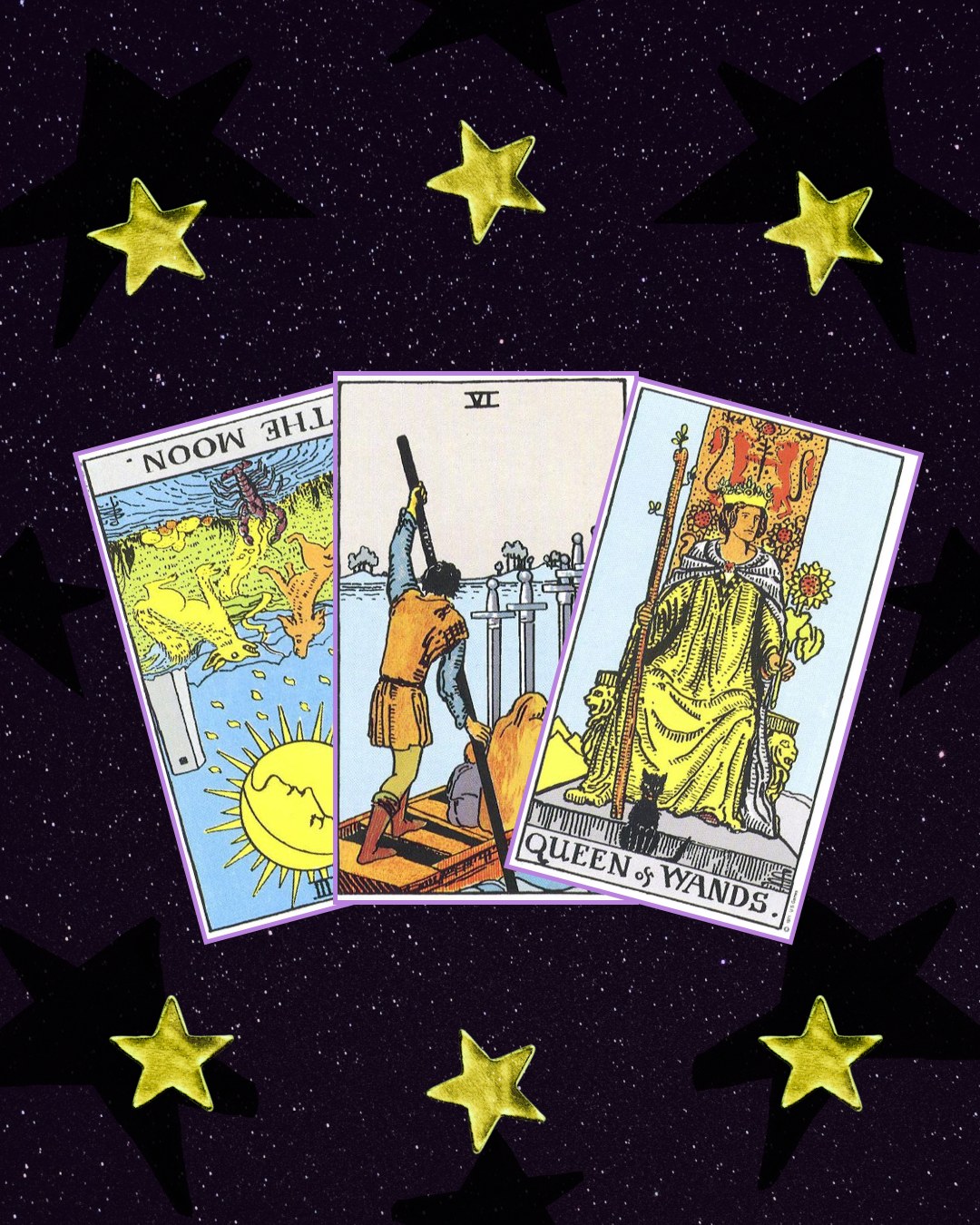
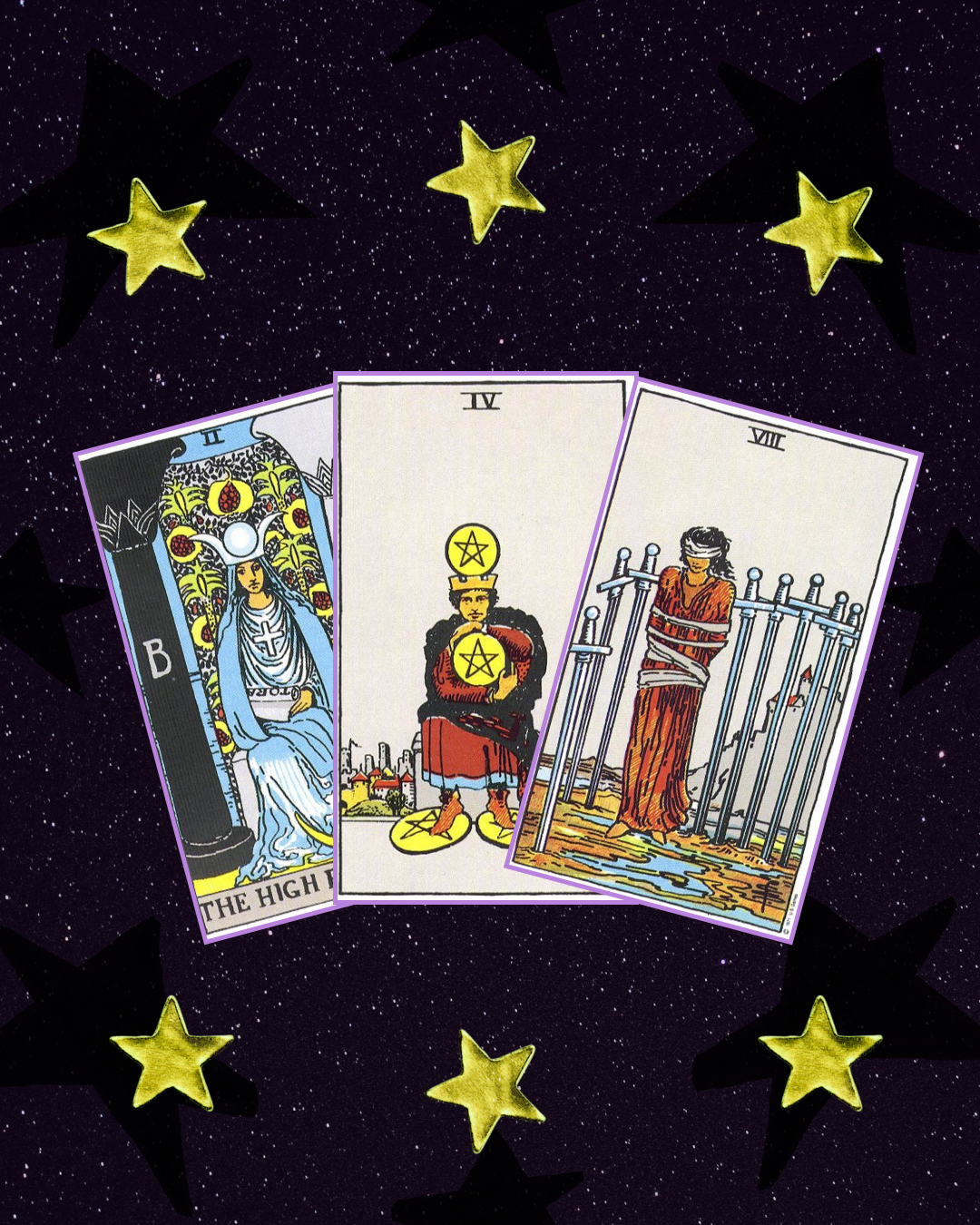
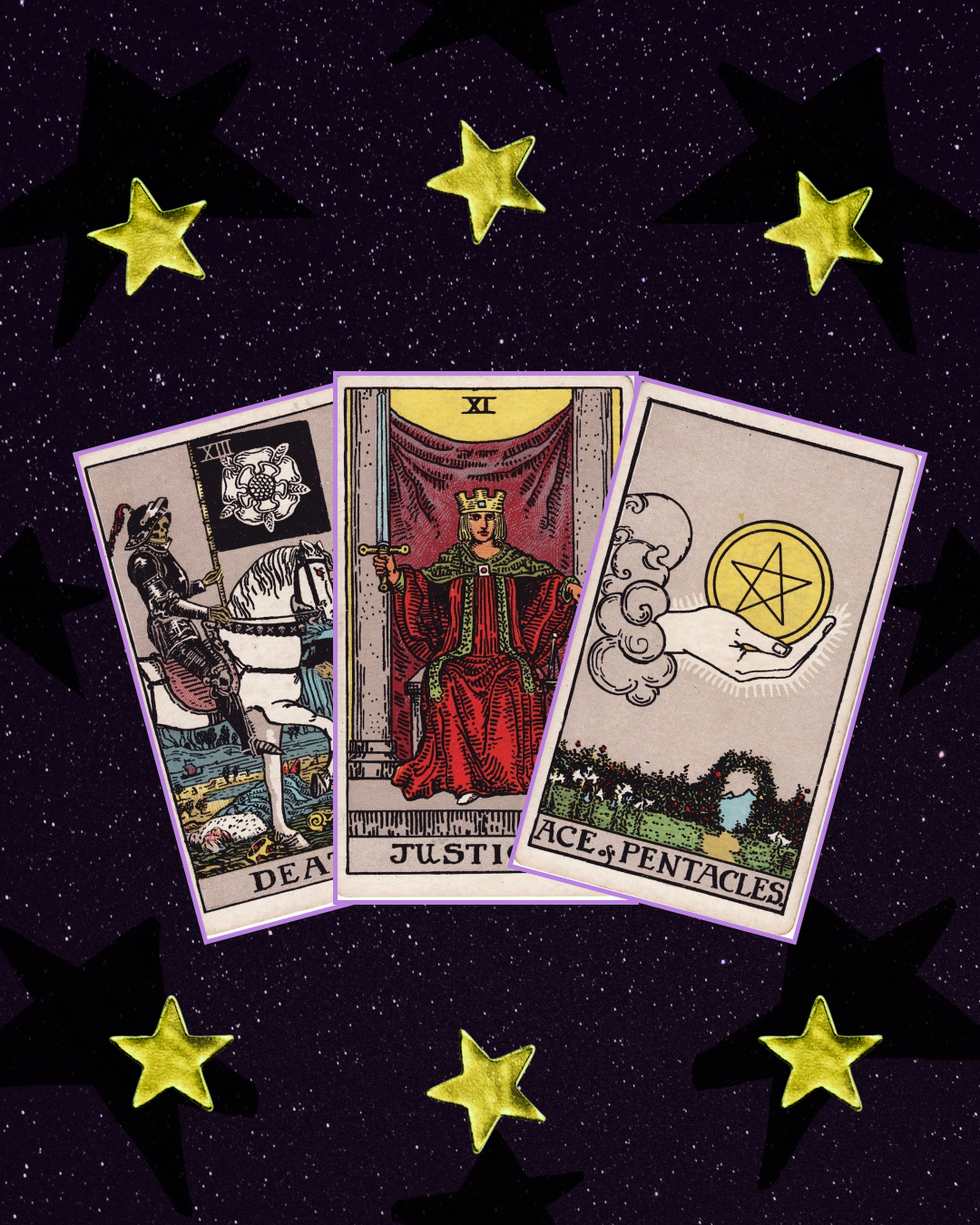
Levante searches for answers about the absolute and then turns inward. The result is an intimate, deep record, a narrative that poses a question and offers an answer, closing with a song dedicated to her father, who passed away far too early. "The period I spent working on this album was a long winter in which I lived like a hermit. It was my tarot card. Every single time, the Hermit came out. It was telling me: 'you need to stay here, you need to write, you need to be alone, you need to think.' And one day something happened in my private life that gave me an answer, so I wrote Abissale. I didn't know I could find an answer; I had only asked a question. I went to talk to the young version of myself, the child who had lost her father so early. How can you accept other people's love when your greatest love, your first love, left all of a sudden?"
The tone is private, deeply private, and this too is an intentional choice, though by now we understand that the singer-songwriter leaves nothing to chance, or almost nothing: "I always say I'm like a baker. I make bread and I make it my way. I try to sell it as best as I can, using quality ingredients. When I write a record, the ingredients always have to come from my own life. I don't borrow from others, I don't invent things. My musical and writing journey has always been the result of things I was living through. An outlet. In this case, too, I started from a need: the need to stop my usual cycle of destruction as soon as possible. Because let's remember my first album was titled Manuale distruzione (without an apostrophe), so I have that tendency to kill things before watching them die. And maybe coming back to family helped me realize that, and maybe it can help listeners too."
The album cover and its political dimension
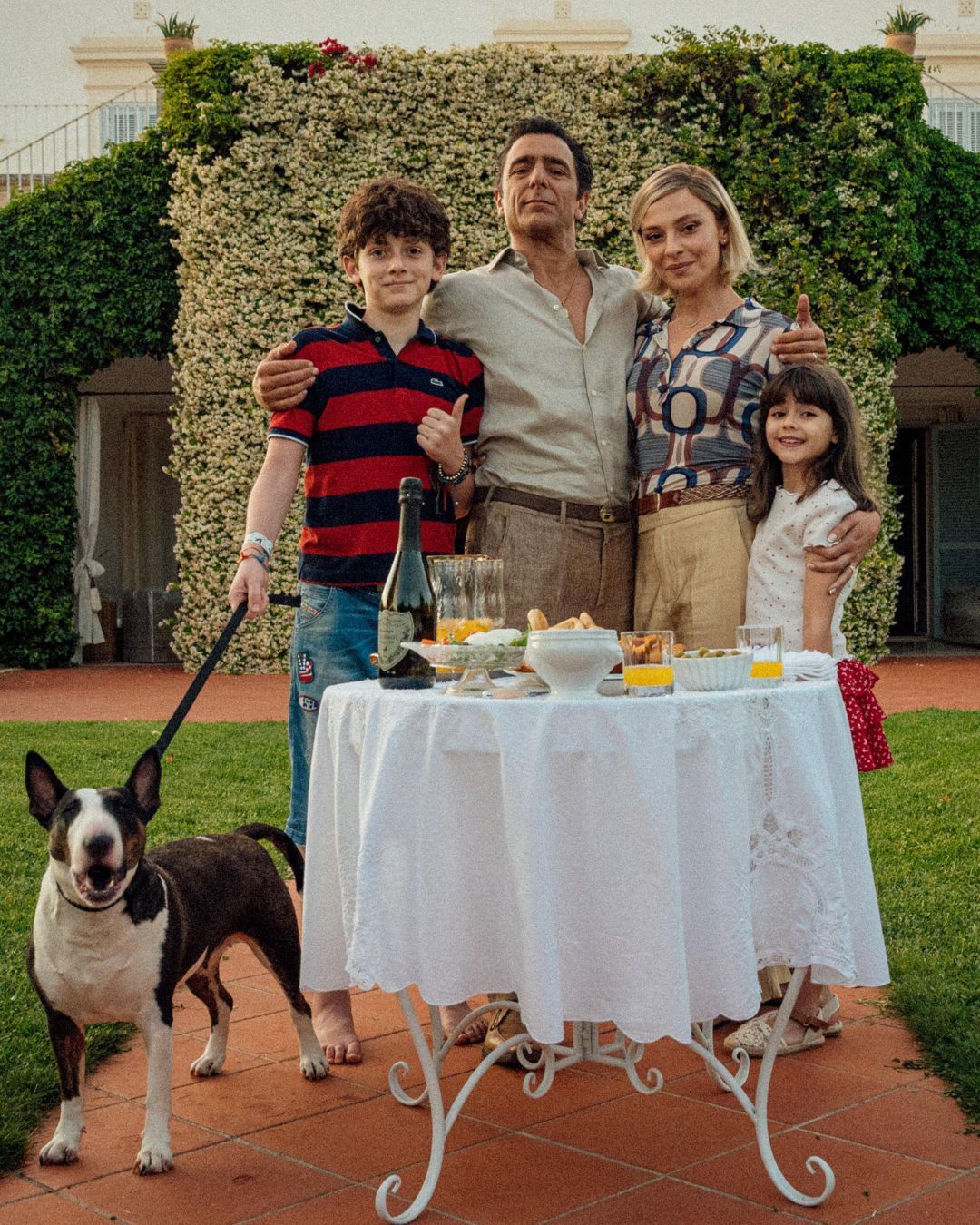
These answers open up fresh angles for more questions. For instance, the contrast between the hermit-like creation of the album and its cover, which for the first time in her career is choral rather than solitary: "I needed solitude to realize that we are nothing without others," she answers simply, before expanding: "I'm a deep-sea child, solitary, a diver. I was always alone on my covers because I was always telling stories from my own perspective. This time, however, I was sure I was speaking for all of us. We're all in this together. So I gathered everyone I knew." Plural on the cover, plural in voices. In a track titled Ruggine, for instance, Levante steps into a male perspective: that of a culprit leaving a woman behind with a note. Then there are tracks that shift tempos, like Malia, bringing the voice of a French sex worker sharing her own stories of love.
Or again, the album's closure with Abissale, the song about her father and the answer, which finishes on a repeated chant, a litany: "You must not kill love." A message that feels political as well, at a time when the word political is often feared. "Even unintentionally, that line fits everything today, unfortunately. Because we live in a moment where love is missing. Dell'amore il fallimento e altri passi di danza arrives at a historical moment when the failure of love is clear to everyone. Politically, as a society, as a community, we are unable to love one another. It's dismissed as empty do-goodism, but the truth is that conscientious people - those with deep respect for others, for community and society, who fight for the rights of others - are people raised on a solid foundation where love and respect were taught clearly. Everyone else either didn't fully get it or never received it. That's why I think there's such a prevalence of absent love today: because previous generations did something wrong when teaching it. There was too much individualism. Where there is ego, there is no love, because love takes two."
The colors of the album, magic, and the collaboration with Antonio Di Martino
Every album in Levante's history has had a color. The color of Dell'amore il fallimento e altri passi di danza is without a doubt orange, but other colors appear too. There's the red hoodie in Arcani, the blue horses in Allegria. "Colors are fundamental to me," the singer-songwriter confirms. "Colors are always there, always expressing emotion. In fact, this record is full of colors, I mention several. The red hoodie is the hoodie of desire; the blue horses are the large waves, the sea of Sicily," she explains. "The orange of this record didn't come right away, unlike previous albums. At first, I thought it would be black and white. Orange is the color of alertness and danger, of life jackets and road signs, of traffic lights telling you to slow down, stop, don't destroy everything. That color was missing from all these stories before, and it was missing in my own understanding, because I truly understood while working on the album—I didn't know before, I didn't know the ending. It's combustion and it's sunset, and by making this record and finding the answer, I realized its color was orange." We wrap up with a promise to meet again at Santeria Toscana in Milan, where she'll perform the entire album in an intimate setting in November, and with a nod to magic.
In Arcani, a song co-written with Antonio Di Martino, stage name Dimartino, the protagonist asks tarot cards for clarity on her love life. "I'm a very pragmatic person, but at the same time I love magic," she states. "I love everything science can't explain and scoffs at. I consider myself a magical being, star-touched because I feel close to the stars. I felt the need to be close to things that can't be seen. Otherwise, how could I speak with my father? I found him in small things: in pipe smoke when no one was smoking, in a number. I believe in this game where the void answers me, and that's fine by me, especially because it always answers accurately. And do you know when the album comes out? October 9th. And do you know what October 9th is? It's my father's birthday. Nobody knew. And do you know what nine represents? In the Major Arcana, it's the Hermit."
