

On social media if you are bad you are bald, if you have a pure heart you have beautiful hair Does hair really have moral value?
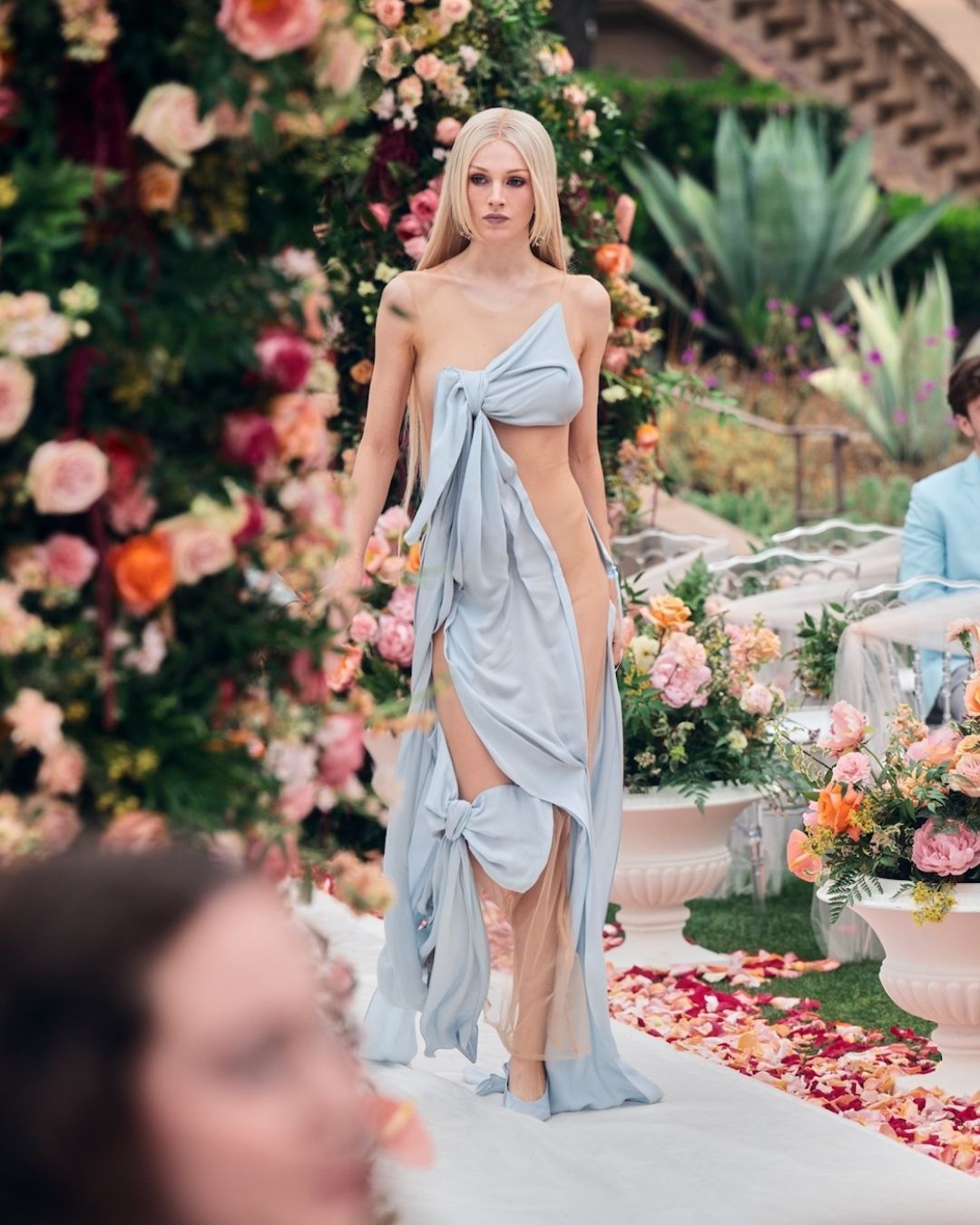
After years of bob and pixie cuts starring in magazines, red carpets and videos on the “short air effect”, in 2026 the hair became longer and longer, sometimes very long. You may have noticed this by watching Euphoria, where Hunter Schafer wore a wig of almost 130 centimeters to play Jules at Nate and Cassie's wedding; or perhaps seeing the photos of Teyana Taylor at the Haute Couture Fall/Winter 2026 fashion show in Balenciaga, where she showed off a copper hair that is up to her knees. Or you may have popped up in the TikTok For You feed the videos of the Neapolitan hairdresser Michele Lista, elected by popular acclaim as the wizard of micro extensions.
If you have healthy hair, you are a 'pure of heart': the moral value of hair on social media
More generally, in recent years, attention to the well-being of hair and scalp has grown more and more, with a relative explosion of products to take care of them: from gummy candies to miraculous serums that promote growth. At the same time, on social media, the tendency to associate healthy hair with the moral value of a person has spread. In a nutshell, those with long, flowing hair are pure in heart, while those who lose their hair or have damaged it are most likely to have an evil soul. There are even those who bother the Bible, where it would be written that “bad people don't grow their hair” (but the attribution is completely unfounded) or those who claim to not care about their boyfriend's betrayal, because they already know that he will be punished with baldness for his misdeeds. Although the tone is often ironic and winks at the dynamics of memes, reducing it to a mere joke would be misleading.
She is just a girl https://t.co/lb08Ya3WAt
— Darcy (@Darcyna_) October 7, 2026
The association between beauty and virtue: from ancient Greece to the Halo Effect
The association between beauty and moral value, on the other hand, has roots that go far beyond algorithms. In ancient Greece, the concept of kalokagathia brought together physical beauty and virtue in an ideal of perfection linked above all - needless to say - to the aristocratic man. Centuries later, we continue to use our external appearance as a shortcut to evaluating others. The Halo Effect, for example, leads us to attribute to people considered attractive qualities, such as intelligence or reliability, for which we have no evidence. In reality, we soon learn to observe the world with this distorted lens. Ever since cartoons, where evil characters are often recognizable even before they do something terrible: the witch in Snow White takes on the appearance of an old woman with a lumpy nose, Scar has a disfigured face, Ursula is overweight. Old age, disability and characteristics far from dominant standards become narrative devices to indicate danger. As journalist and beauty critic Jessica DeFino explained to Dazed, it's a simplistic scheme that reduces human complexity to an immediate distinction: beautiful and good people on the one hand, ugly and bad people on the other. We would always know which side we were on, if reality were really that easy to read.
@phoebeisginger1 i always thought bald men were great… #fyp #baldmen #bald #menwithnohair #men original sound - Phoebe
The myth of hair
Hair, then, has a particular weight, especially for women. For centuries, the long hair - properly styled - has indicated femininity, youth and social belonging. Even the Western idea of beautiful hair has pretty definite boundaries: smooth, shiny, preferably clear. The supposedly perfect hair has always had a texture, a color and a social class of reference. Today, to these canons is added the idea that hair testifies to how much we know how to take care of ourselves. Growth becomes the result of a properly performed routine, including scalp massages, silk caps, supplements and miracle serums; those who have thin hair or lose it are treated as if they had neglected a few steps. The market can thus transform a trait largely influenced by genetics into yet another self-optimization project to be completed. Hair loss, however, is a much more common phenomenon than we can imagine: it affects about 53% of men and 37% of women within the age of 65 and may depend on hormones, stress, diseases, medications, aging. While ruined hair often tells of an excess of care: discolorations, dyes and straightening treatments repeated to get closer to a shared standard and probably almost never achieved. The hair, therefore, can tell about our genetics, the trends of the moment or how much time we can dedicate to its care. Our character continues to escape the mirror; or at least I hope so, because I've just been to the hairdresser.