

Our teenage years were so ugly Acne, bad hair days, unfiltered photos, and embarrassing moments: maybe it was for the best
One thing all my peers, those of us born in the ’90s, can agree on is that teenagers today are much better-looking than we were at their age. They are more attentive to aesthetics, more self-aware, more fashionable. They know how to dress, how to do their makeup to highlight their best features and conceal their flaws. There is a sort of melancholic embarrassment among those born before (or around) the new millennium. We remember middle school and high school as the years of acne, sloppy clothes, questionable haircuts and makeup that was too dark, too heavy, too poorly blended. They were the years when we experimented and the results were almost always disastrous. We would create entire Facebook photo albums after spending an evening at a friend’s house drinking beers in secret, posting every picture we had taken without even checking them first. We remember ourselves as ugly, but with a great deal of tenderness (occasional bullying aside).
Adolescence before the performance
This is because we had the chance to be teenagers without expectations. We could live through the full drama of adolescence without adding a layer of performance to our everyday lives. That doesn’t mean we didn’t care about what other people thought. We absolutely did. We were afraid of looking ridiculous, wearing the wrong thing, or saying something embarrassing in front of the person we liked. But we knew that a significant part of those ritual humiliations was destined to remain confined to the place where they happened.
Growing up under observation
Today, by contrast, growing up seems to also mean learning how to manage your image before you have even figured out what that image actually is. This obviously applies to the carefully curated aesthetics of social media profiles, but also to what happens when you’re not in front of a camera or, more accurately, when you can’t see it. Because now it’s not enough to pose when it’s time to capture the night. We know that, technically, we can be filmed at any moment. That something that happens by chance could be photographed or recorded, and that what feels like an insignificant moment to us could become content for someone else. For years now, people have been talking about the alleged inability of younger people to let loose in clubs. Some recent ethnographic studies on young people’s visibility in urban spaces have observed, for example, that some teenagers record videos and take photos while dancing and having fun but prefer to keep them private, because sharing them publicly can become a source of embarrassment. If once the fear was making a fool of yourself, now it is that the foolish moment might be immortalized online. This is also why cringe has become such a powerful category. The concept goes beyond embarrassment: it describes the terror of presenting yourself in the wrong way, in front of the wrong audience. To escape it, you have to create the perfect character and step into their shoes without ever letting your guard down.
When the camera enters the toom
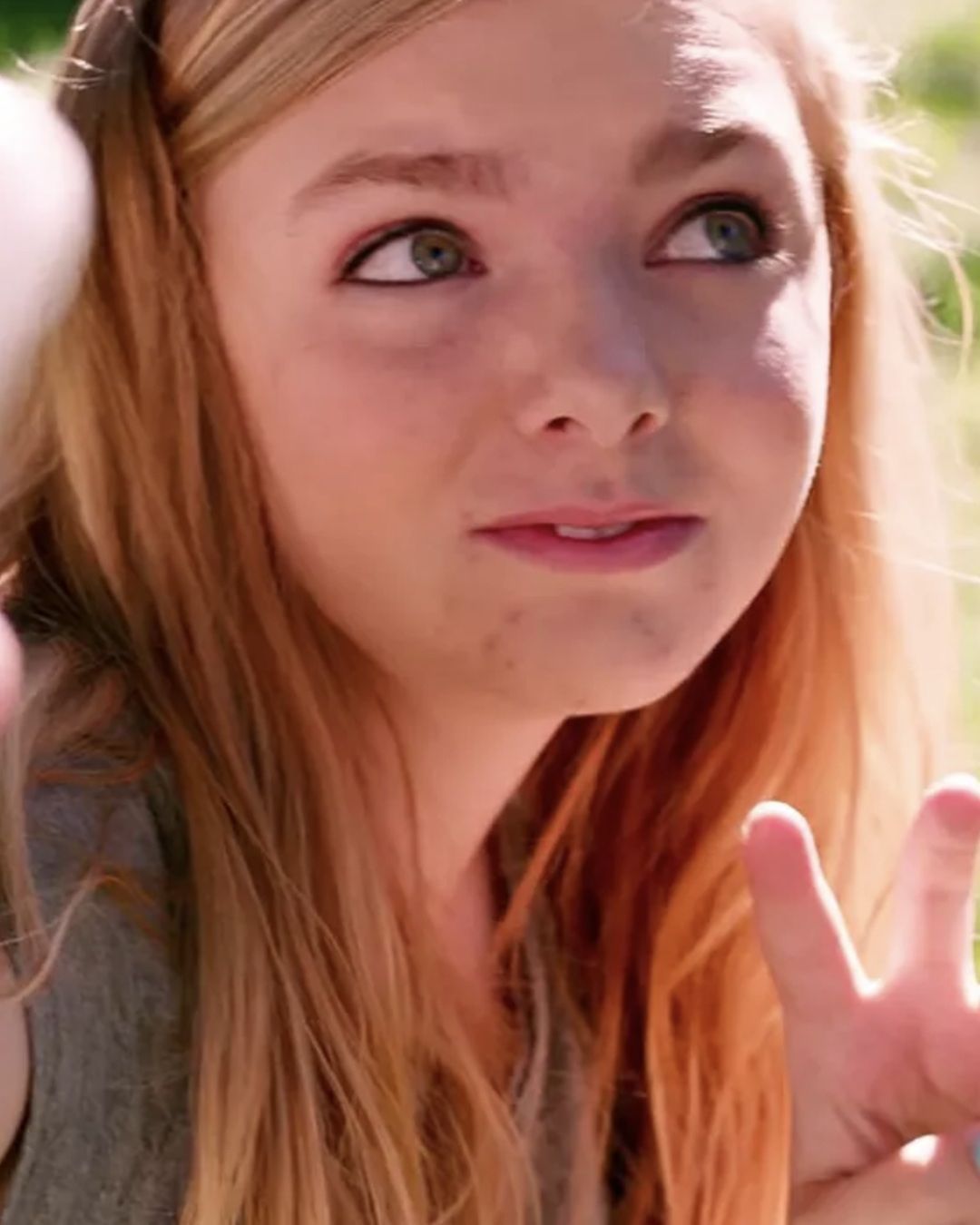
As often happens, film and television have managed to distill this new perspective particularly well. In Eighth Grade, Kayla is thirteen and spends her time building an online version of herself that is much more confident than the person she manages to be in real life. Her motivational videos are all about self-esteem, but in person we watch her stammer, tense up and hide. The film shows us how teenagers contain both versions of themselves but, in recent years, have increasingly felt compelled to show only one of them, carefully controlling the narrative surrounding their image. In The Curse, meanwhile, the camera ends up entering the relationship between the protagonists. They are making a show about their idea of philanthropy, constantly trying to appear good, progressive and authentic. But the more they construct this image, the harder it becomes to understand where the person ends and the performance begins. The camera is supposed to document their lives but ends up changing them. The question is always the same: how much of what we show of ourselves online is actually ours, and how much is the result of knowing that other people are watching?
The last thing we can’t edit
It’s not that younger generations want to disappear. They simply want to be perceived on their own terms, potentially with all the necessary edits, adjustments and cuts. The problem begins when that control over your image disappears. A photo taken without warning. A strange expression while you’re talking. A behavior that, removed from its context, suddenly looks completely different from what you meant to show. Online, you can construct an image of yourself. In real life, however, you are forced to also be everything you hadn’t planned to be. This is where the disconnect between digital life and real life lies, particularly for teenagers and social media. Seen from this perspective, I have to admit that their self-conscious beauty, their fashionable looks and their ability to be effortlessly on-trend make me feel less envious of them and even more tender toward that raw, messy, awkward adolescence that still exists, but that those living it today often feel compelled to hide.