


TikTok is the new driving force behind luxury beauty Bye bye, Instagram!
The luxury beauty market is in transformation, and TikTok surpasses Instagram in the visibility of Luxury & Prestige brands. In 2025, the Luxury & Prestige Beauty market, historically associated with heritage, exclusivity and major international fashion houses, registered a slower growth than the standards of the segment, but still significant. According to Lefty, the sector generated 6.8 billion dollars in EMV (Earned Media Value), an increase of 4% compared to 2024. Above all, the figure tells of a structural change: growth was not evenly distributed among the different digital channels, but it was clearly focused on TikTok, which has become the main driver of visibility for many luxury brands.
TikTok overtakes Instagram and becomes the main growth engine of beauty luxury
Lefty's analysis shows that during 2025 visibility on TikTok grew by 49%, transforming the platform into the main source of momentum for the luxury beauty sector. TikTok contributed to more than 50% of the overall visibility of the Luxury & Prestige market, while 11 of the 43 brands analyzed generated more than 60% of their visibility on the platform. The data confirms that the social network is no longer just a place of ephemeral virality: brands capable of transforming short-form content into continuous storytelling are able to build a stable and recognizable presence at a global level.
How did the visibility of platforms change between 2023 and 2025
The evolution of the EMV highlights very different dynamics between the main social networks. TikTok has grown steadily, going from around 1.4 million to more than 6 million EMVs and becoming the dominant channel. Instagram, after growing until 2024 with a peak of about 6 million EMVs, recorded a significant decline in 2025. Weibo showed a progressive decrease over the entire period analyzed, while YouTube remained substantially stable, with a marginal contribution compared to other channels. Overall, a real transfer of visibility emerges from the traditional social ecosystem to TikTok, which is redefining the media strategies of high-end beauty brands.
Dermocosmetic brands talk about results, not ingredients
One of the most interesting findings of the report concerns the Derma Brands segment. In 2025, half of the dermocosmetic content was focused on specific skin problems, while EMV linked to individual ingredients represented less than 11% of total visibility. Consumers, therefore, are no longer looking for formulas or laboratory actives, but concrete solutions. Content like “how to get rid of pimples” gets a lot more attention than posts focused on ingredients like niacinamide. The language of results is replacing that of formulas.
Creators and micro-influencers are replacing expert authority
The report speaks openly of an expert crisis. Dermatologists' recommendations remain fundamental to building trust, but real conversation and purchase intention are now guided mainly by lifestyle creators and highlyengaged entertainment. Peer validation, community word of mouth and rapidly growing micro-influencer content have become the main access point for consumers, confirming a shift in authority from professionals to digital communities.
Sunscreen has become an annual conversation
The suncare market is also changing. Sunscreen is no longer perceived as a seasonal purchase linked to summer, but as a daily and indispensable part of skincare. Consumers start to get informed and buy SPF as early as the end of winter and the beginning of spring, in the first quarter of the year (Q1). This moves the decision-making window forward and makes the suncare campaigns at the beginning of the year increasingly strategic.
Europe, APAC and North America: three different strategies for beauty visibility
The visibility of the Luxury & Prestige segment is mainly concentrated in three major geographical areas.
Europe
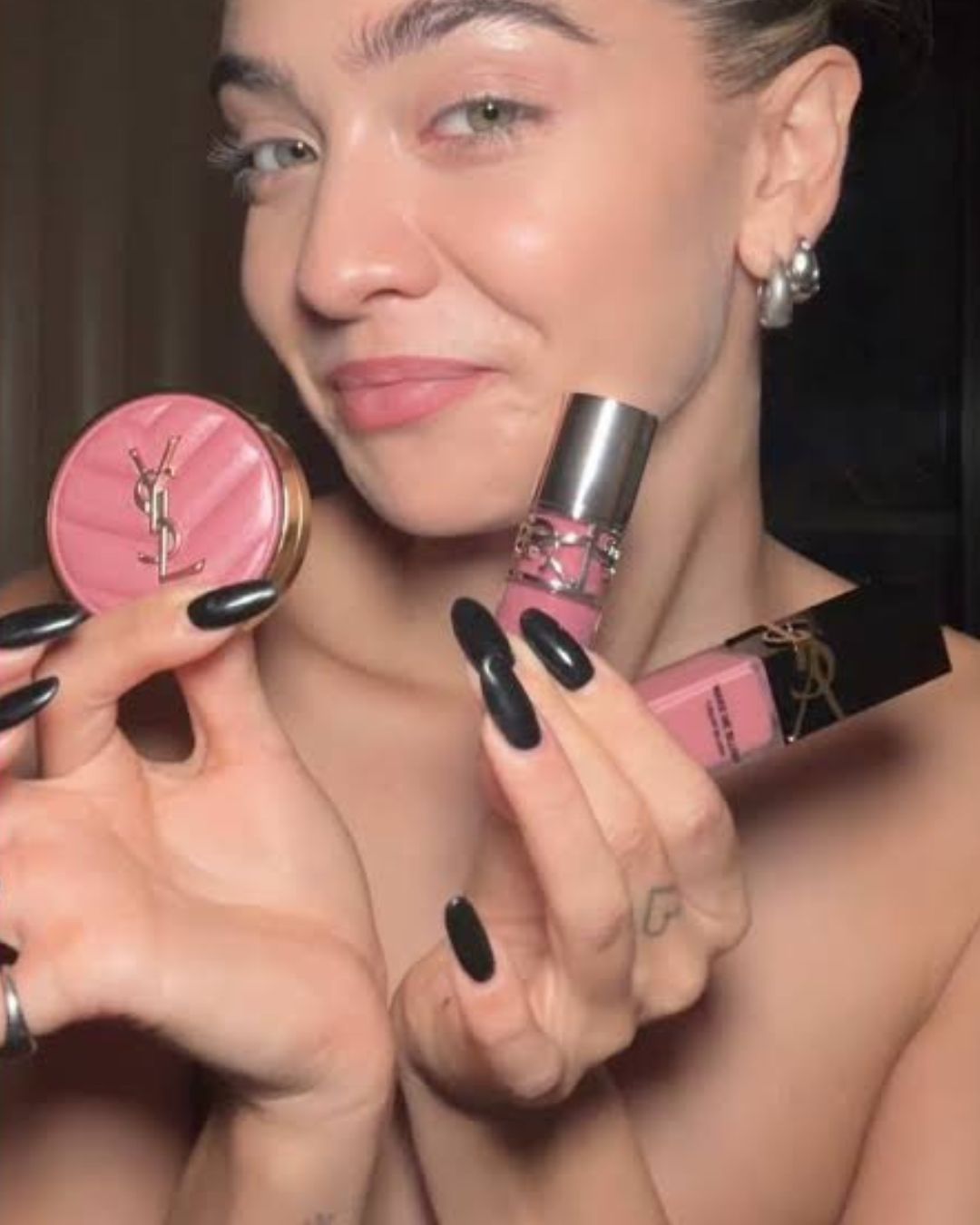
Europe leads with 2.9 billion dollars in EMV and about 43% of global visibility. The leading brand is YSL Beauty, with a visibility share of 24%, supported by the historic strength of European fashion houses.
North America
North America generates 1.7 billion dollars in EMV and about 25% of global visibility. Here Charlotte Tilbury emerges, with a 22% share, thanks to the strong relevance of the creators and the involvement of the community.
APAC (Asia-Pacific)
The APAC area contributes 1.4 billion dollars and about 21% of global visibility. Weibo alone represents about 13% of regional visibility, demonstrating the weight of local platforms and Chinese ambassadors. Dior Beauty leads the region with a 23% share.
Latin America and the Middle East
In Latin America, with 642 million dollars in EMV, the most visible brand is Lancôme with a 30% share. In the Middle East and Africa area, which is worth 361 million dollars worth of EMV, YSL Beauty is back in the lead with 23% of visibility.
What to read next
Our teenage years were so ugly
Acne, bad hair days, unfiltered photos, and embarrassing moments: maybe it was for the best
Get Ready With Me has never gone out of style
A history of the beauty format that, from YouTube to TikTok, has changed form countless times without ever disappearing
Everyone loves fashion, until a creator wears it
From Addison Rae to Gabbriette, including Emma Chamberlain: when a creator truly breaks into the fashion industry, backlash is almost inevitable