









We have transformed aesthetic failure into a genre of entertainment From reality TV to videos on TikTok, cosmetic surgery interests us especially when it goes wrong
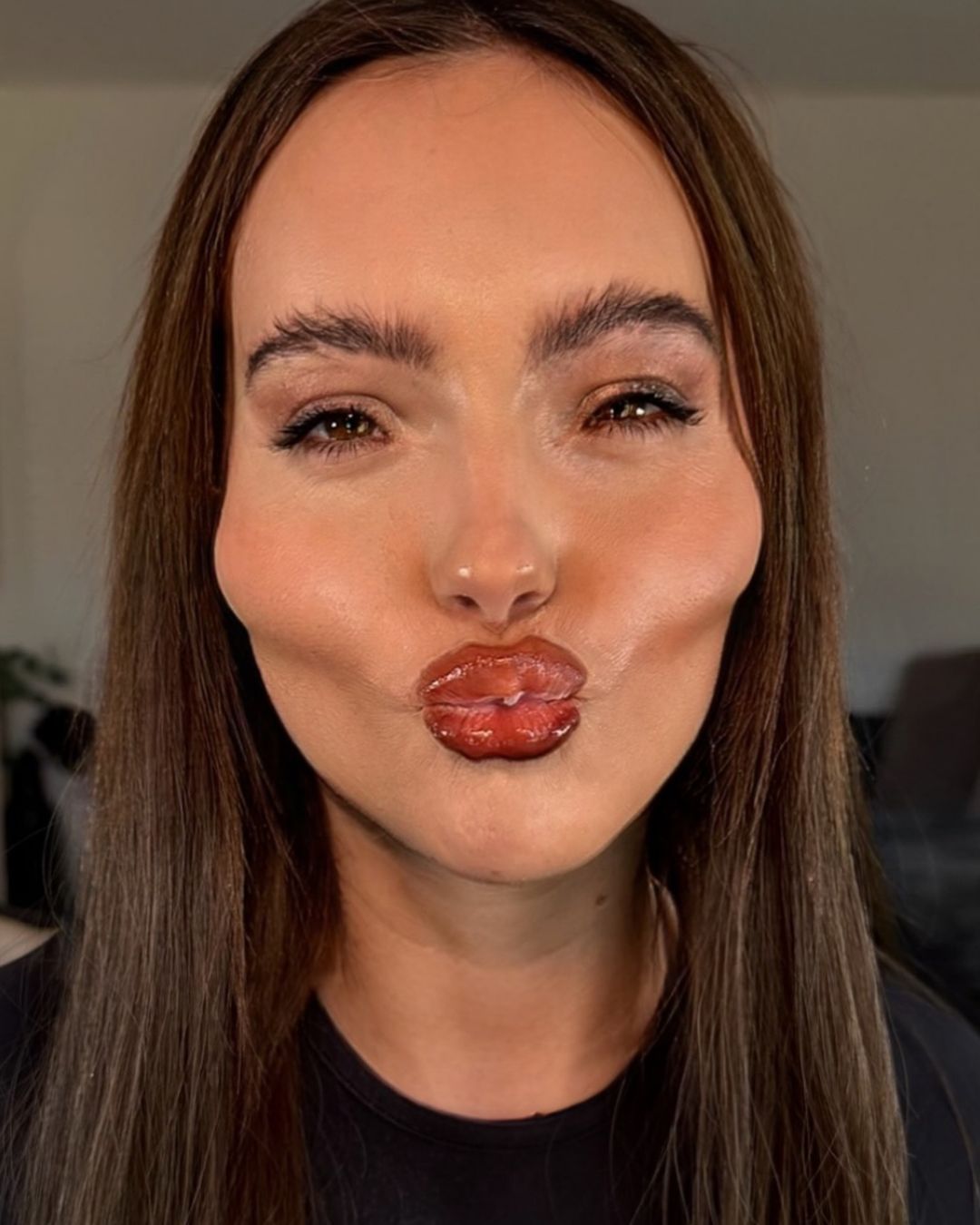
The creator Magda Mysz woke up one morning and decided to set a trap for her followers: with the help of prostheses and make-up, she pretended to have undergone a botox injection that had gone wrong, which had completely disfigured her face. At that point, in the comments, a shower of 'tell me this is a joke' began. It really was a joke - and, to be honest, she had even written it in the caption, which, apparently, no one reads - but that didn't stop her from getting more than 4 million views and a few thousand indignant comments. This is nothing new: cosmetic surgery failures attract attention. On TikTok, just search for botched botox, filler migration or plastic surgery gone wrong to find yourself in a feed of disproportionate lips, immovable eyebrows and puffy faces. There are people who document their experience, surgeons who comment on other people's surgeries and users who arrive in the comments to decide, often after watching a few seconds of video, if a treatment is successful or not. Meanwhile, millions of people are watching.
Schadenfreude and the success of Botched
After all, a successful cosmetic treatment tends to be pretty boring to tell. There is a before, an after and, possibly, no one should notice what happened in between. A treatment gone wrong, on the other hand, contains a small amount of suspense: we want to understand what happened, how serious it is and, above all, if there is a way to remedy it. As Dazed writes, this is a form of morbid curiosity, mixed with the so-called Schadenfreude, or a feeling of slight pleasure in knowing that something bad is happening to others, and not to us. This explains, at least in part, the success of programs like Botched, which since 2014 has transformed cosmetic surgeries gone wrong into a television format. Each episode follows a rather simple structure: there is someone who has tried to change their appearance, something has gone wrong and two surgeons come to put the pieces back together. The result is a mix of medicine, personal confessions and moments that oscillate between the grotesque and the voyeuristic.
@7bravoau Times you don’t want the upsell #botched #filler original sound - 7Bravo Australia
The fascination with surgery, before TikTok
A certain fascination with cosmetic surgery, despite all its contradictions, existed long before TikTok and reality television. In July 2005, Steven Meisel photographed Linda Evangelista and other models for Makeover Madness, an editorial in Vogue Italia - at the time directed by Franca Sozzani - dedicated to cosmetic surgery. Blindfolded faces, band-aids, needles and bandaged bodies moved within a deliberately ambiguous imaginary. The images satirized the obsession with physical transformation, but at the same time transformed it into an extremely glamorous show. The result was precisely in that contradiction: the blindfolded face suggested something invasive, painful and potentially disturbing, but in Meisel's photographs it also became an image to be desired.
@yuksel_tugce Jumpscare. Really exposing myself here
Aesthetic post-surgery and the new beauty imaginary
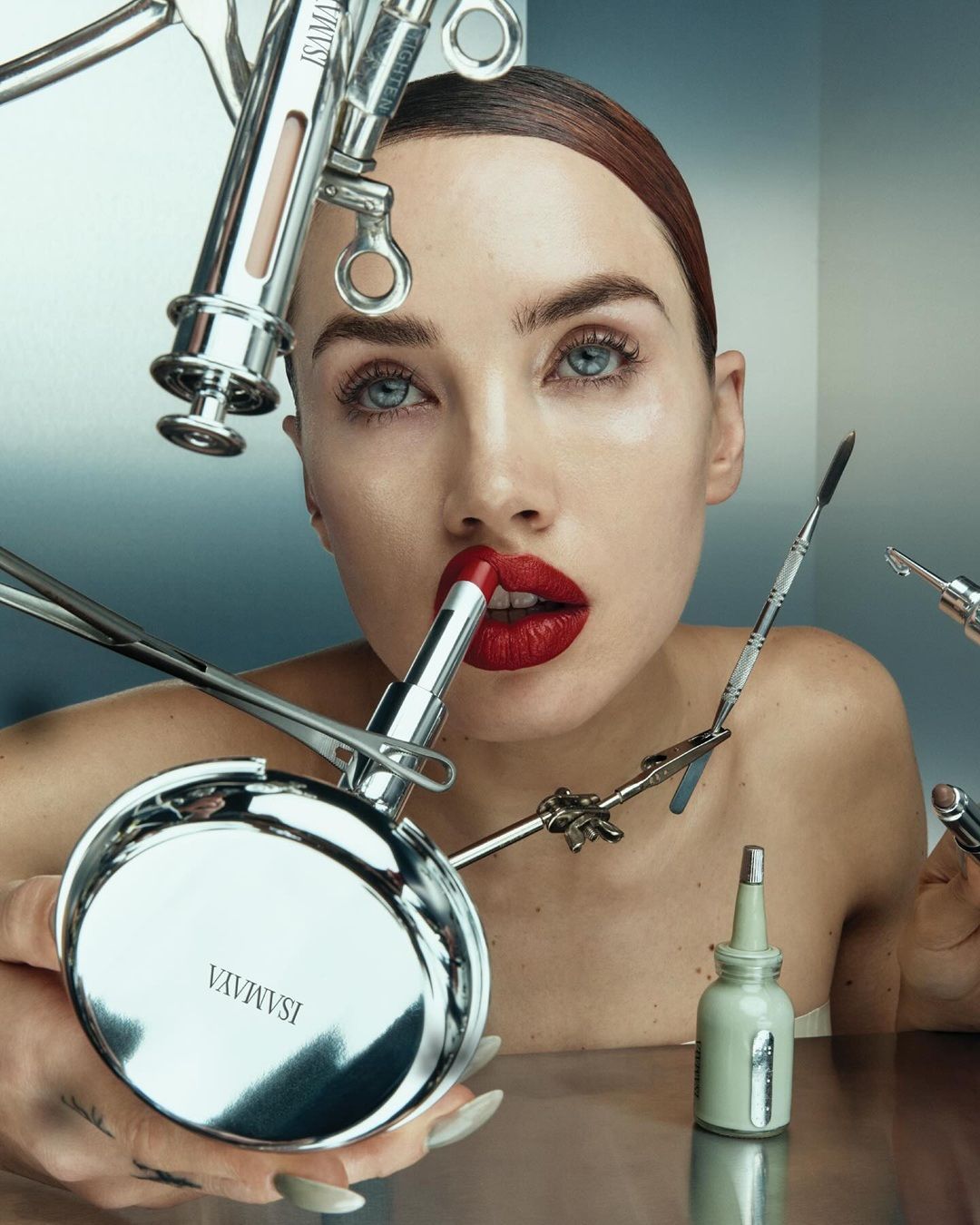
If the Vogue editorial caused a sensation, however, it is because at the time cosmetic surgery could not yet be considered completely cleared of customs, or in any case it was still far from an imaginary, so to speak, everyday. Today, on the contrary, bandages, bandages, swellings and bandages have become instantly recognizable images. Magda Mysz was able to simulate botox gone bad and be believed by millions of people, also because we all know more or less what a face ruined by aesthetic medicine should look like. In the meantime, the signs of surgery have come out of the operating room to become part of the beauty and fashion imagination. Dazed talks about a growing post-surgery aesthetic, made of bandages, bandages and accessories that seem to evoke its appearance. Think of the controversial Seamless Sculpt Face Wrap by Skims, launched in 2025 and sold out in less than twenty-four hours: it explicitly recalled the bandage worn after a facelift, but promised to shape the face without the need for surgery. It is precisely this familiarity now acquired with cosmetic surgery, probably, that makes the success of botched content possible. It seems to us that we are moving in an area where we know the rules, risks and possible failures quite well, with the reassuring conviction that, at least this time, it has not happened to us.