

We don't hate influencers, but... We’ve grown tired of lives that all look the same, of complaints that come at the wrong time, and of an internet that has turned visibility into a profession
Once, I wanted to be like them. Now they just annoy me. Someone on Reddit summed up their relationship with influencers like this. Not exactly diplomatic, but hard to argue with. For years, we followed people we didn’t know while somehow knowing almost everything about them. Outfits, partners, brunch, holidays, house moves, breakups, skincare, all the way to the get ready with me and day in my life videos that, at some point, convinced us even going to the supermarket could be turned into a TV series. We enjoyed stepping into those polished lives for a few minutes and imagining what it would be like to live that way. Then the game started to lose some of its appeal. Too many PR packages, too many identical routines, too many “I absolutely had to show you this” moments and, above all, the feeling that behind the screen there was always the same person, just carrying a different bag. They call it influencer fatigue. Maybe, more simply, we just got bored.
When everything becomes a little hard to watch
It’s not that we’re bothered by an influencer having more money than we do. Good for them, really. If they can afford a beautiful house, an expensive holiday or a thousand-euro handbag, that’s their business. The problem starts when that life seems completely disconnected from everything else and every complaint lands in our Stories as if we were still in 2016. Watching someone talk about the stress of a luxury holiday, the burden of a calendar packed with invitations or the exhaustion of a job spent between hotels and Michelin-starred restaurants can start to feel grotesque when, on the other side of the screen, someone else is figuring out how to pay rent, bills and groceries. It’s not moralism, nor is it simply envy. It’s a matter of sensitivity. For years, we looked at the influencer lifestyle as a fantasy within reach. Now, sometimes, it just feels like a bubble where things happen that are incredibly important to the people living inside it and surprisingly unimportant to everyone else.
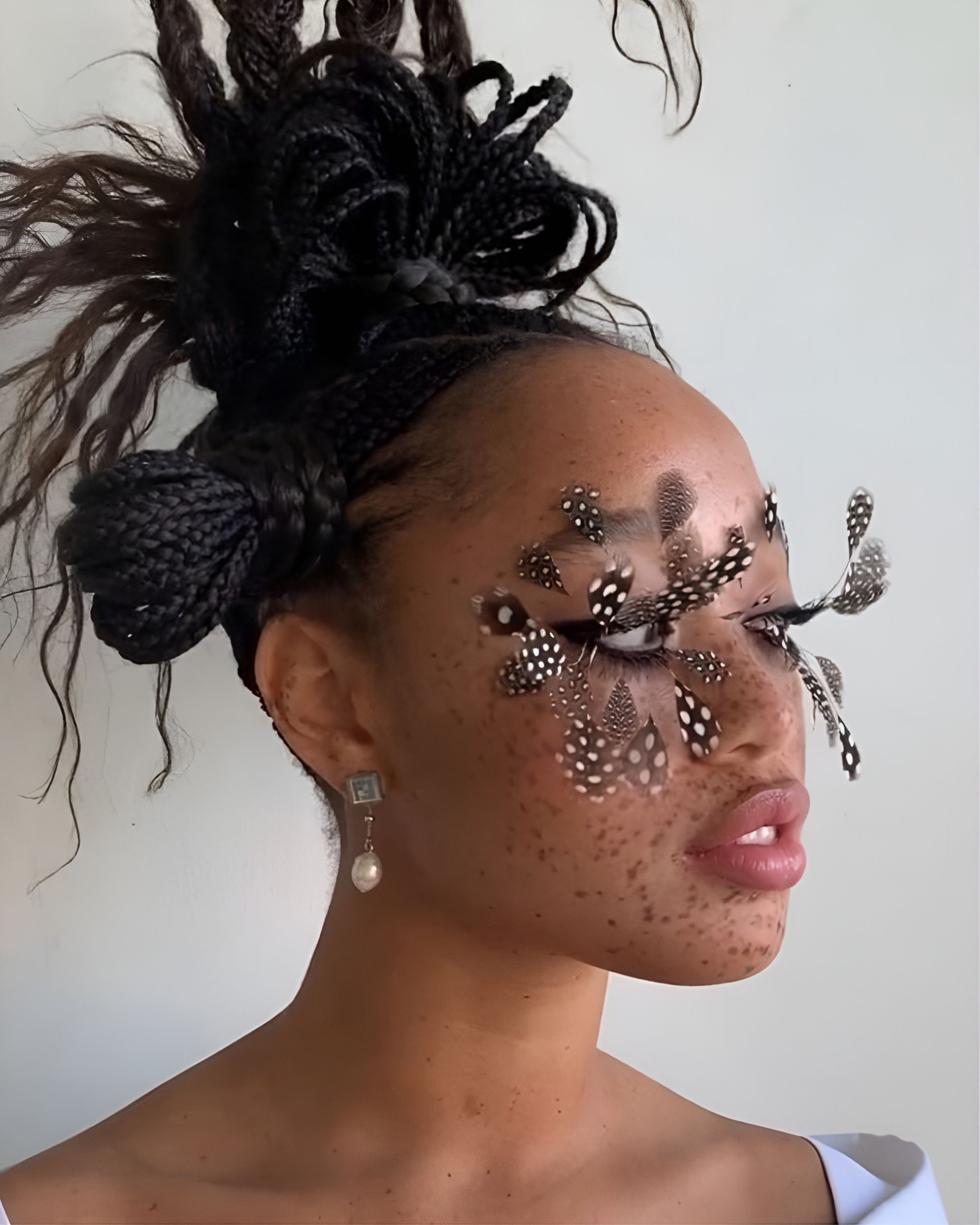
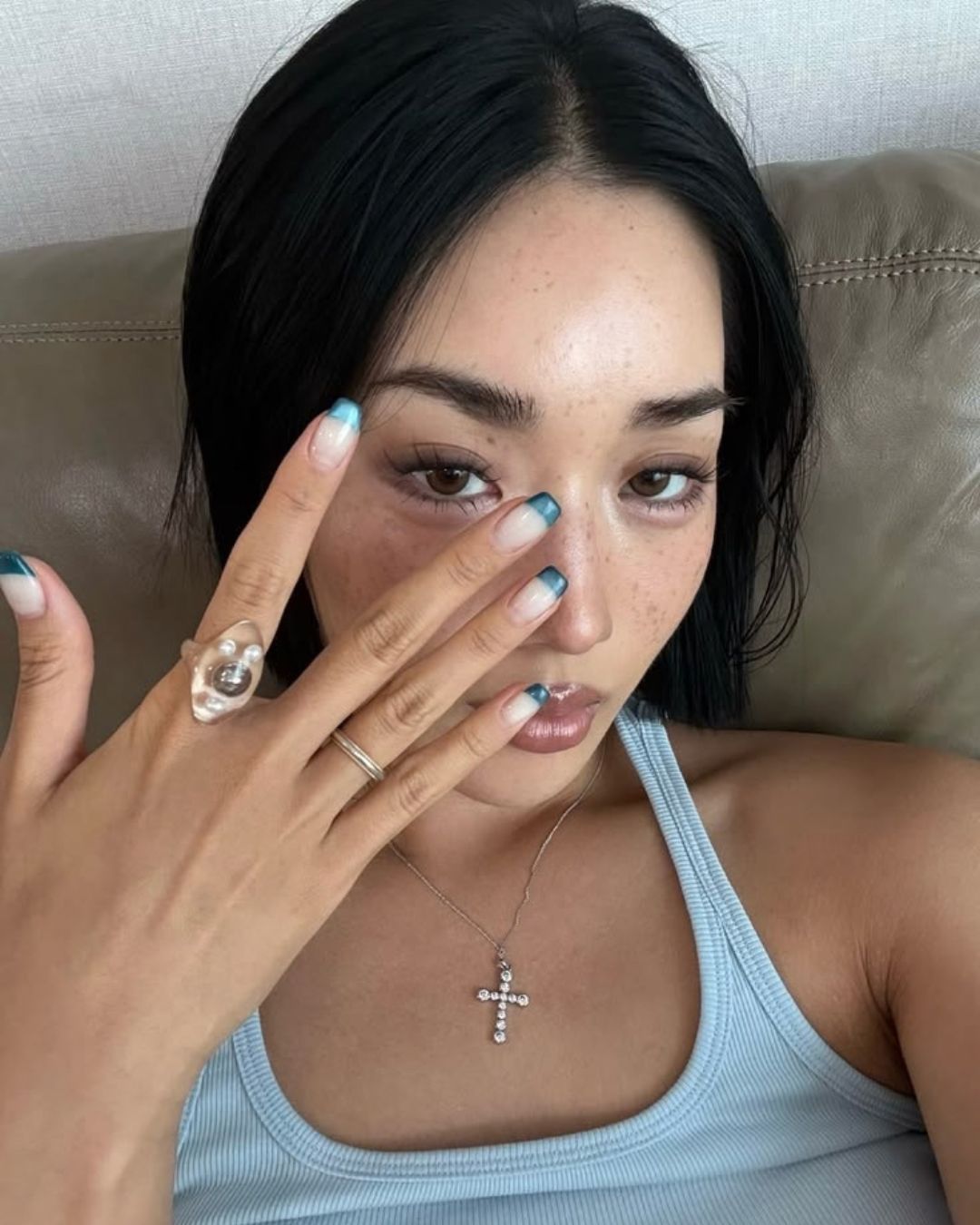
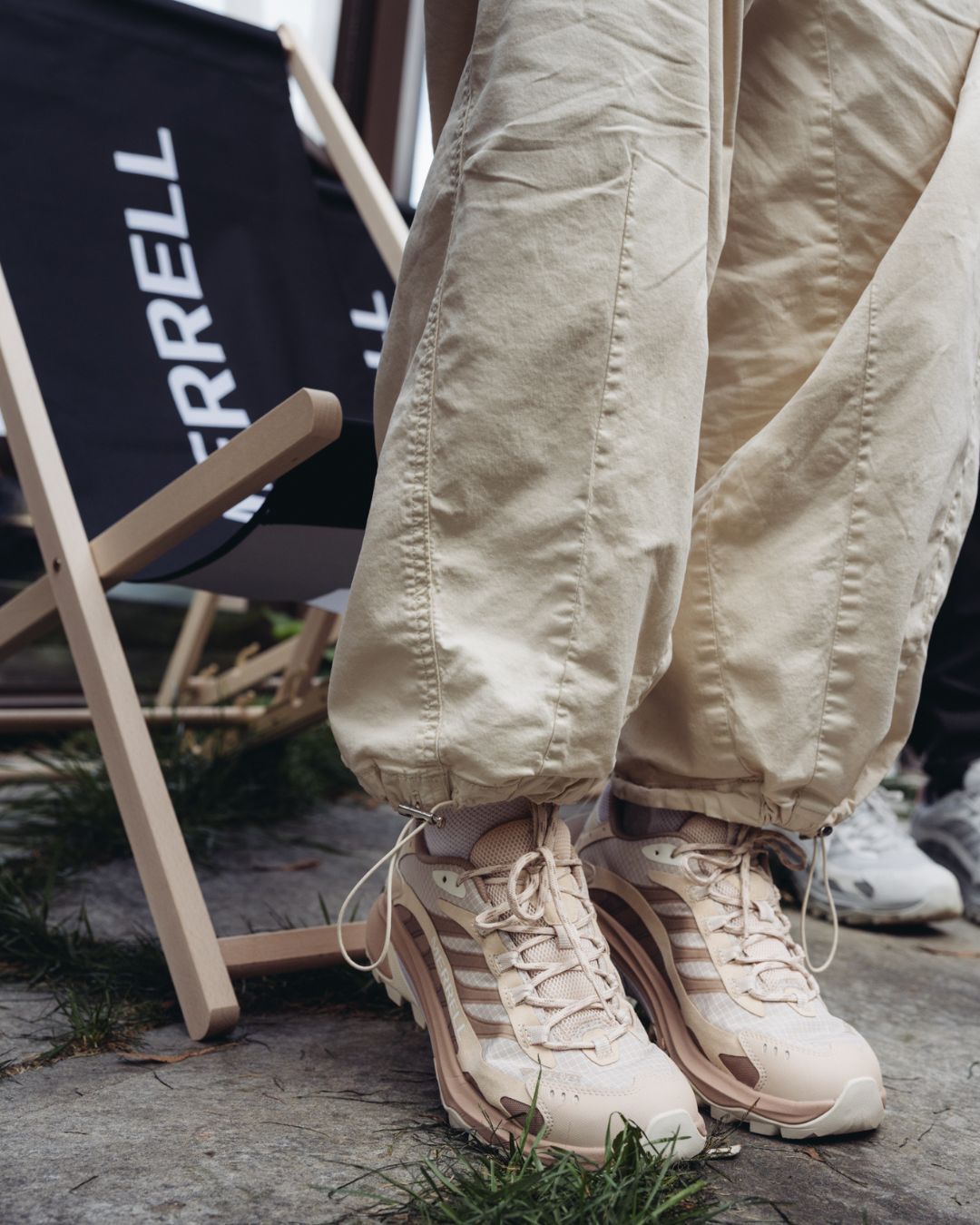
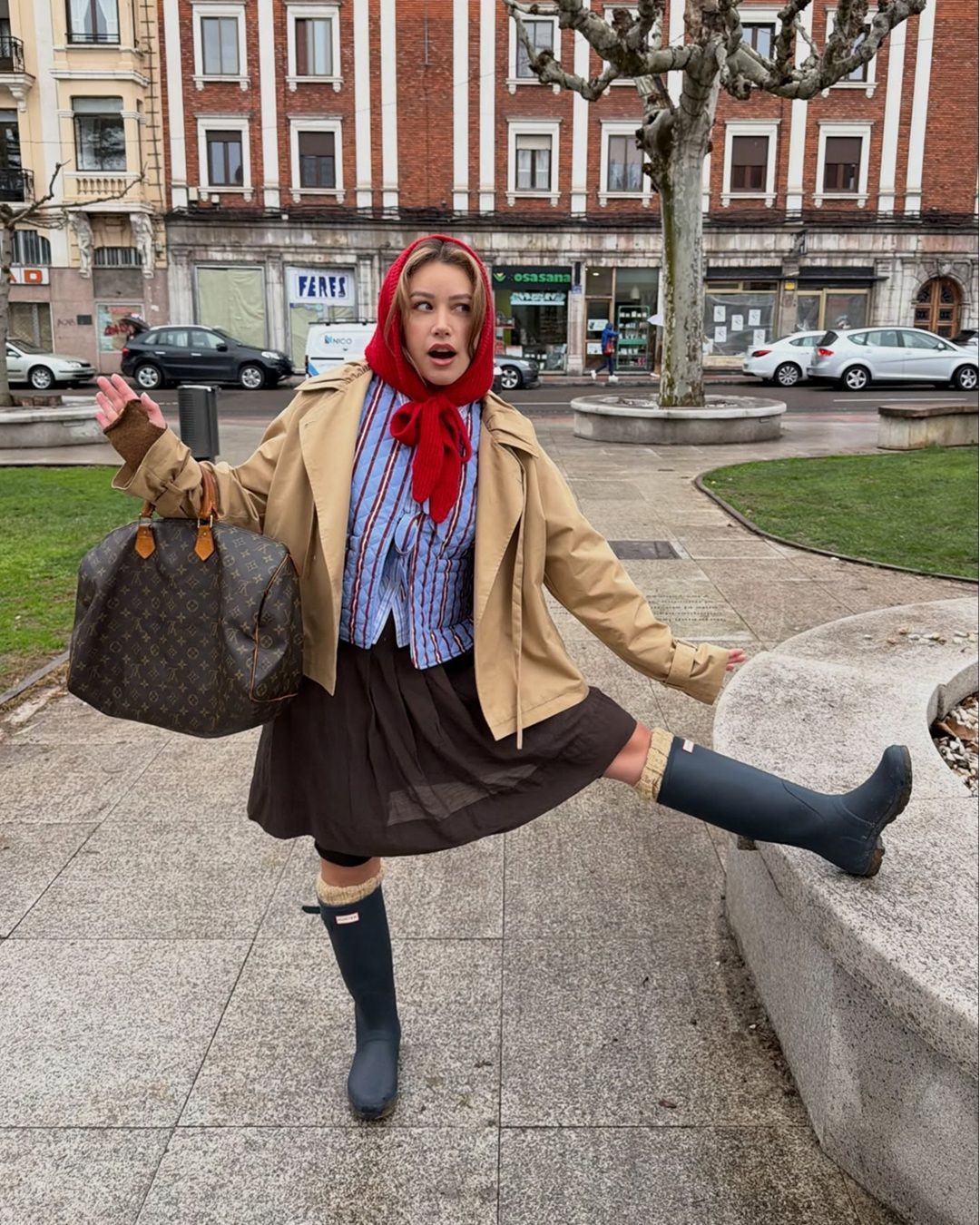
@mel.yew DISCLAIMER if u love urs, thats all that matters, wear them
We know the trick now
We’ve learned to recognise the mechanics of influencer marketing. A product “discovered by chance” might be a gift, a hotel might be a press trip, and a recommendation might actually be sponsored content. According to AIMC, as reported by Highxtar, 69.8% of internet users consider the excessive use of hidden advertising by influencers to be widespread, while 61.9% believe that most of their posts are promotional in nature. It’s no surprise, then, that de-influencing has taken off, with creators doing the opposite and telling us what isn’t worth buying. The problem is that even “don’t buy this” can become content, an audience and, eventually, a way to make money. Meanwhile, regulations have become stricter, and authorities responsible for monitoring influencers, such as Italy’s Agcom and Spain’s CNMC, have already called out creators for failing to properly identify commercial content. In other words, we’re not quite as naive as we used to be. And once you understand how a trick works, it becomes much harder to be enchanted by the same magic.
Influencers aren’t disappearing. They’re changing category
The creator economy, after all, is still growing. In Spain, investment in influencer marketing reached €158.4 million in 2025, up 25.9%. Audiences, however, no longer assign the same value to everyone. According to YPulse, 58% of young people surveyed still trust influencers and content creators, but 73% prefer smaller creators to big names, while 62% are tired of seeing the same celebrities online. Social media has changed the rules, too. On TikTok, Reels and Shorts, the content often arrives before the person behind it. One face replaces another with a swipe, and we can spend half an hour watching videos without remembering who posted them. Influence has therefore scattered across micro-influencers, niche creators, friends, reviews, UGC and complete strangers. Follower count still matters, but on its own it means less and less. It’s not enough to have a life to show; you need something to say. It’s not enough to be recognisable; you need to be interesting. And, above all, simply appearing in our feed isn’t enough to earn our time. Maybe this is the real end of influencers: not the disappearance of people who make a living from social media, but the end of the idea that having enough followers is enough to become someone worth following. People will keep being influenced, of course. They just might not remember who influenced them next time.