






















Are we tired of the "gifted by" content? Not everything that is given to influencers is really useful to us (and maybe we don't even care anymore)
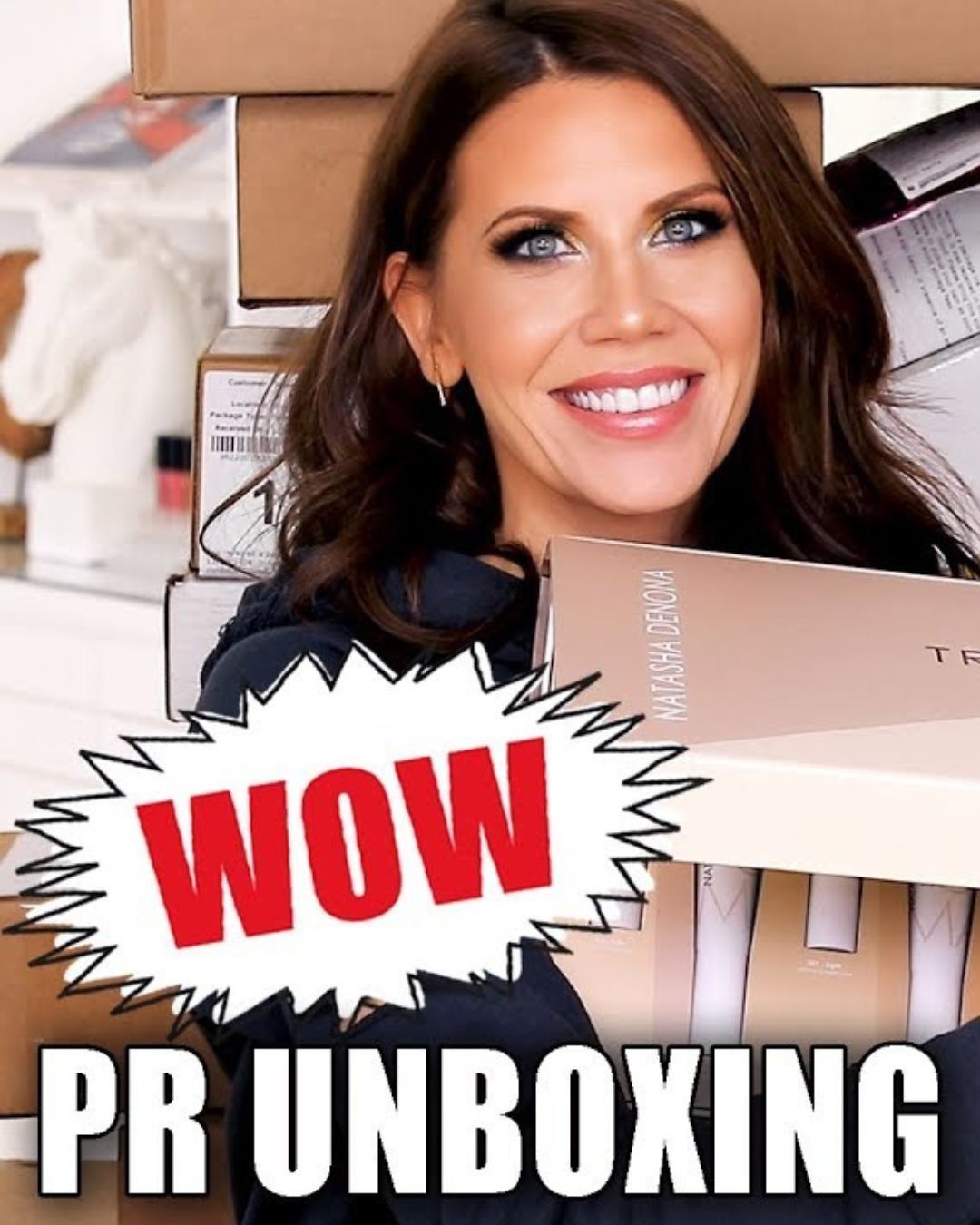
There was a time when the word unboxing sounded almost futuristic. It became common in the mid-2000s, when the first YouTube videos showed content creators unwrapping smartphones and hi-tech objects as if they were relics. Today, unboxing has become the background noise of social media: one story after another, gift packages are unwrapped in bulk with little excitement left. Content creators proudly show off the piles of boxes accumulated after a week’s vacation, swatching eyeshadows, applying miracle serums, tasting exotic snacks, and promoting supplements with magical properties. All to the tune of #giftedby and discount codes. But the question is: does anyone still believe it?
What "gifted by" really means
The expression gifted by (literally "gifted by") didn’t appear by chance. It was introduced more or less officially in 2016, when Italy’s AGCM (Competition Authority) and IAP (Advertising Standards Authority) began monitoring hidden advertising. That’s when the Digital Chart Guidelines arrived, updated several times in the following years, setting out how to make sponsorships transparent: terms like adv, advertising, sponsored whenever there’s direct payment; gifted by, product sent by, supplied by when it’s a free gift without payment. For brands, it’s the perfect tool: introduce their products to a ready-made community without signing a real contract. A PR practice as old as time: giving in exchange for visibility. Only today, instead of sparking desire, it risks creating saturation and annoyance.
@ellaneeson Post holiday PR haul @PEPPERMAYO @PLOUISE @Pixi Beauty @VIVAIA @Dyson UK @adidas #PRHaul #PRUnboxing #PRPackage #PRDelivery #PRMail Sakura-lined street - KCNX
A saturated feed and a distorted reality
The issue isn’t just boredom. It’s the parallel reality these gifts create: closets that look like warehouses, endless beauty cases, dream trips popping up out of nowhere. A luxury that has little to do with daily life, where buying a lipstick or a pair of sneakers often means giving up something else. The result? The usual FOMO, unattainable desires, and a distorted sense of what’s normal to own. Serial gifting no longer promotes a single product: it helps build an unreachable consumer imaginary, triggers a cycle of artificial needs, and turns the feed into a showcase that looks more like a supermarket flyer than a piece of creative content.
Too many boxes, too little trust
In some cases, seeing the same product appear repeatedly, whether on Instagram Stories or TikTok’s For You Page, will eventually convince us it’s a must-have. It’s the classic repetition effect: if I see it everywhere, it must matter. But on the other hand, that relentless presence across very different profiles drains the message of credibility. The result is a feed that neither informs nor entertains, but confuses: too many voices, too many brands, too many products all at once. And inevitably, trust dissolves. Unsurprisingly, a 2024 YPulse study revealed that 61% of people aged 13–39 lose interest in an influencer who posts too many ads, while 78% of younger users find friends’ opinions more reliable than sponsored or gifted by content.
@sophieesuchan post holiday PR unboxing haul
The future of gifting: fewer unboxings, more stories
The strategy of gifting influencers, at least as we know it, risks no longer working. Not in its “send to everyone and see what happens” form. Today there’s too much content in series, with little creative spark, and the audience’s attention is not infinite. The future seems to be shifting: toward smaller, more authentic creators, longer-lasting brand-creator relationships, less plastic, more thoughtful content. In other words, fewer boxes opened mechanically and more personal stories, fewer discount codes and more narratives that generate empathy. Perhaps gifted by will never fully disappear, but to survive it will have to change its skin: from background noise to conscious choice, from mechanical practice to storytelling tool. Because in 2025, the real rarity isn’t receiving packages every day: it’s being able to say something worth remembering.