


















Have you ever thought of varying your beauty routine based on the movements of the moon? Skincare becomes moody
For some time now, the moon has made its way back into beauty routines: in skincare calendars, in the haircare rituals of our favorite content creators, and in practices shared across social media. Not as a purely aesthetic symbol or a generic astrological reference, but as an actual rhythm. New moon to start again, full moon to purify, waxing and waning phases to nourish or lighten. The beauty routine, which for years has been described as a linear sequence of steps and products, suddenly becomes circular. No longer doing the same thing every day, but following a cycle, adjusting intensity, and giving the skin different moments of treatment guided by the moon. It isn’t superstition, but rather a need to give self-care a more natural rhythm and make it a little moody, just like we often are.
When skincare stops being a checklist
In recent years, skincare has almost become a discipline: precise routines, active ingredients to alternate, perfectly layered products. It works, but sometimes it risks turning into an anxiety-reducing list of things to do. The idea of synchronizing skincare with the lunar phases introduces something different: a cyclical logic. It doesn’t mean believing that the moon directly changes or affects the skin, but using its phases as reminders to slow down, listen, and adjust intensity. The new moon becomes a moment of reset: cleanse more thoroughly, simplify the routine, and give the skin space. The full moon, on the other hand, is often associated with more intensive treatments: masks, gentle exfoliation, and longer moments of self-care. Not because the skin “obeys” the moon, but because we feel the need to ritualize care.
New moon: starting again with clean, hydrated skin
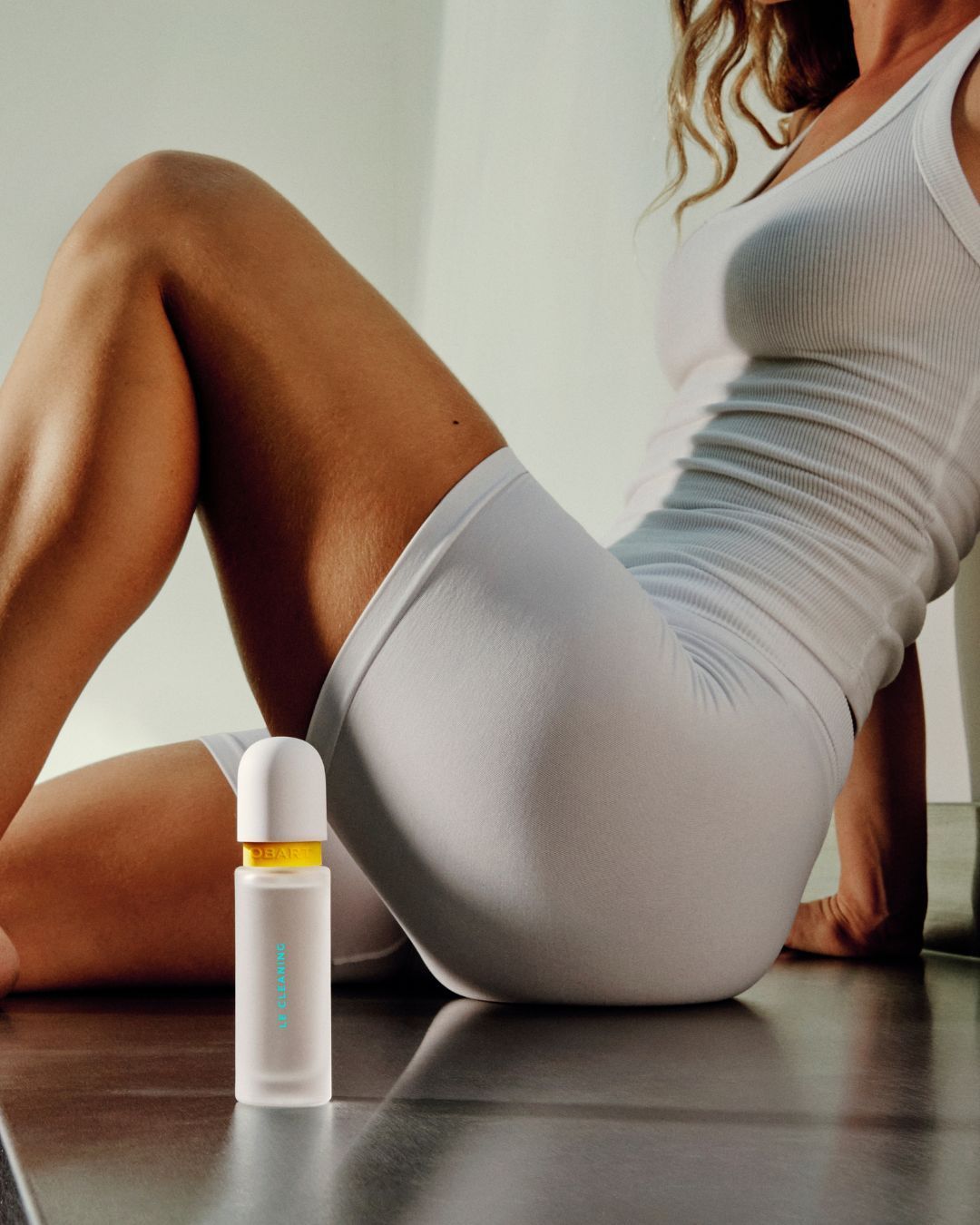
The phase of the new moon, traditionally associated with new beginnings, often translates in skincare into a very simple gesture: starting again with cleansing. Double cleansing, lightweight textures, and products that rebalance the skin without overloading it. It’s the perfect time to lighten the routine and let the complexion breathe. Korean brands such as MiiN Cosmetics, which have built their philosophy around ritualistic and mindful skincare, propose routines based precisely on the idea of listening to the skin and embracing the cyclical nature of treatments. Not a rigid sequence, but a softer, more adaptable approach. F2O Beauty has even created a true Moon Routine, a skincare path designed to accompany the skin through the different phases of the month, alternating moments of nourishment with periods of detox. For the new moon, it suggests a lifting mask with a filler-like effect designed to recharge, plump the face, and “free both skin and mind.”
Full moon: the moment for rituals
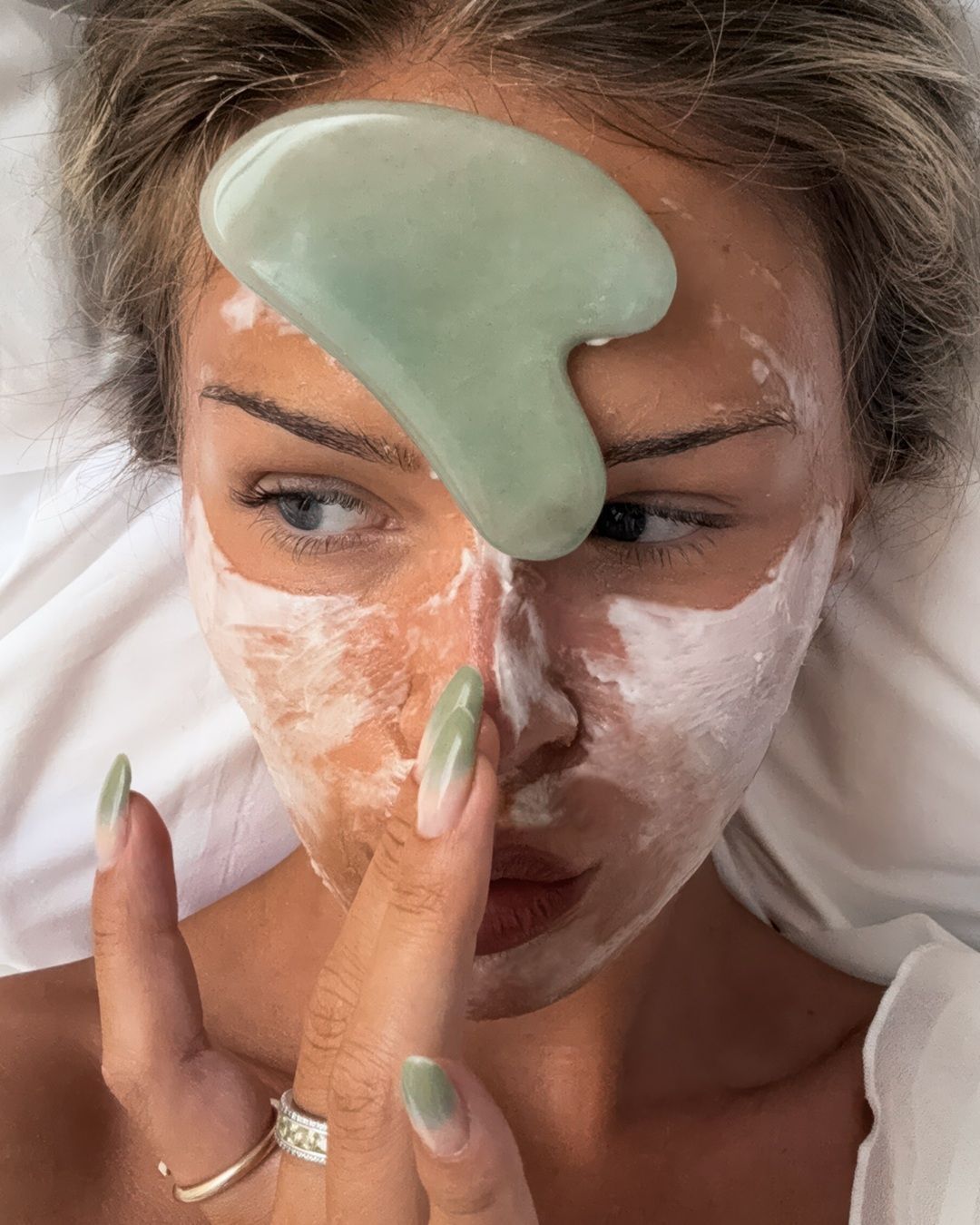
If the new moon invites a fresh start, the full moon is often associated with a more intense energy. In a beauty routine, it becomes the ideal moment to dedicate more time to the skin. Nourishing masks, facial massages, and tools that stimulate microcirculation and enhance the effectiveness of skincare products. It’s the phase in which self-care becomes more sensory, light, glow, and attention. It’s no coincidence that one of the most iconic skincare tools of recent years is called Foreo LUNA. This line of facial cleansing devices, with its silicone surfaces and gentle pulsations, echoes in its name the idea of skin renewal and cyclical regeneration. At this stage of the routine, the gesture becomes almost meditative: cleanse, massage, apply a mask, and let time do the rest.
Waxing and waning moon: nourish or lighten
Between the new moon and the full moon there are two quieter moments that are just as interesting for skincare: the waxing and waning phases. During the waxing moon, the routine tends to become richer: more nourishing serums, fuller textures, and treatments that boost radiance and hydration. It’s the phase when the skin is supported and replenished. The waning moon, by contrast, invites lightness. It’s the ideal moment for small skin detox rituals: gentle exfoliation, purifying masks, and balancing products that help the skin regain its natural equilibrium.
@jademordente Ready for cosmically charged skincare? #fullmooneclipse #lunarbeauty #fullmoonritual #skincareroutine #spiritualselfcare #wellnesstok @egyptian_magic Vigilante Shit - Taylor Swift
When light becomes aesthetic
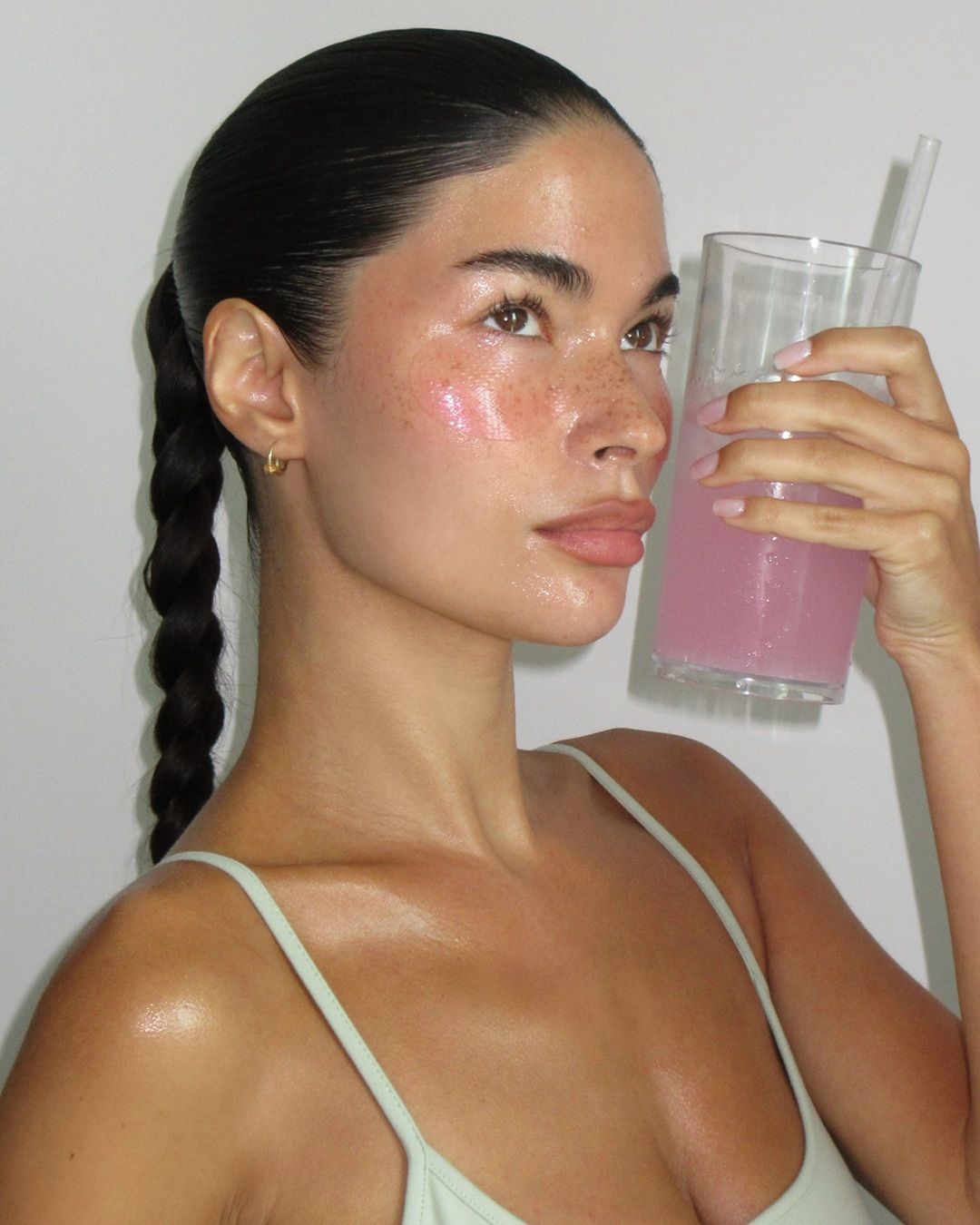
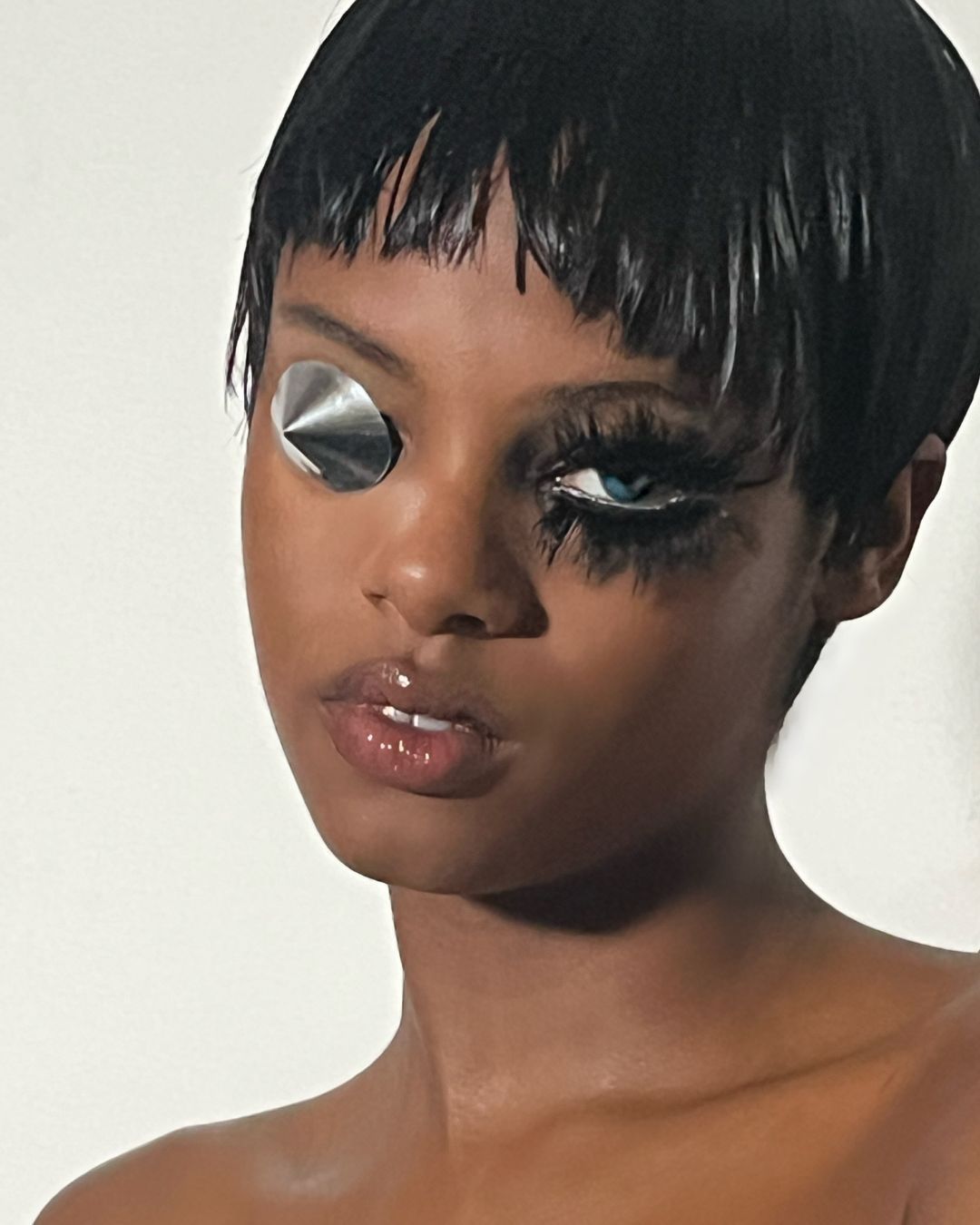
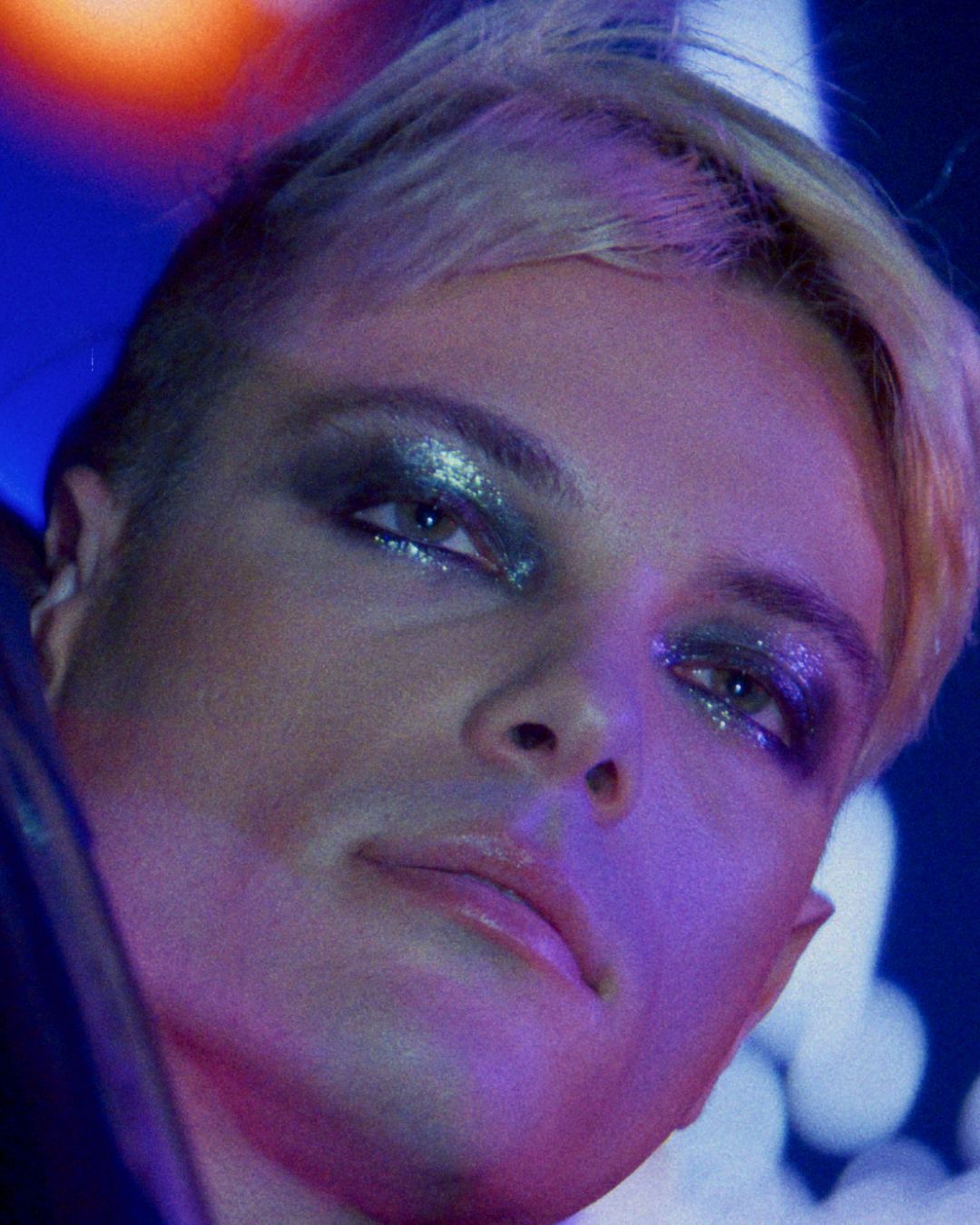
The moon is not only rhythm, it is also light. A cool, diffused light that in recent years has also influenced the visual language of beauty. The “moonlit skin” trend, already interpreted by MAC Cosmetics a few years ago, returned during the latest fashion week and expresses exactly this idea: luminous skin, but not dazzling; silver and metallic reflections, and a pearly complexion. A radiance that does not imitate the sun but recalls the glow of the moon. The result is skin that seems to reflect light rather than produce it, with a softer and less artificial glow.
More than astrology, a need for cyclicality
In the end, the question remains the same: are we really following the moon, or are we simply looking for a way to slow down? Maybe both. In a world where everything is linear, productive, and continuous, the idea of cyclical skincare introduces a pause. A natural rhythm that doesn’t demand immediate results but suggests alternation: doing and letting go, nourishing and lightening, beginning and closing. You don’t have to fully believe in the moon’s influence on the skin to appreciate this approach. It’s enough to recognize that self-care is not always the same, just like we are, and that sometimes even a beauty routine needs to follow a cycle that doesn’t depend only on us.