















































All about volufiline, the alleged filler-effect serum So we believe it?
There’s a new ingredient taking over the beauty side of the internet and social media. It’s called volufiline, and it seems to be an easy solution to one of the most hated concerns ever: loss of volume. The promise is simple: a few drops in the right areas, like lips or under-eyes, and the face should appear fuller and smoother, without the need for needles or injections. The kind of solution that almost sounds too good to be true. And that’s exactly where questions start to arise: does it actually work, or is it just imagination and beauty FOMO?
Everything you need to know about volufiline, the supposed filler-effect serum
Volufiline: what is it?
Volufiline is a cosmetic active developed in France from a plant-derived molecule, sarsasapogenin, extracted from anemarrhena asphodeloides. What makes it different from most plumping serums is how it works. It operates at a deeper level compared to the typical actives we’re used to. More specifically, volufiline interacts with adipocytes - the cells that store lipids - stimulating their storage activity. In theory, this translates into a gradual increase in volume in the areas where it’s applied, helping to soften the appearance of fine lines and minor skin irregularities.
How to apply volufiline on the face
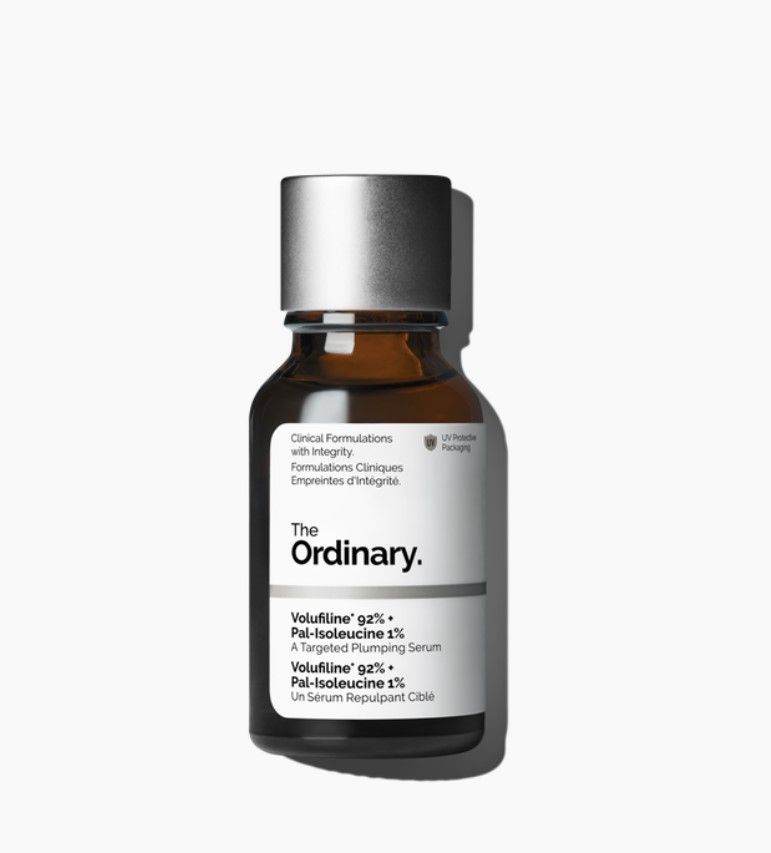
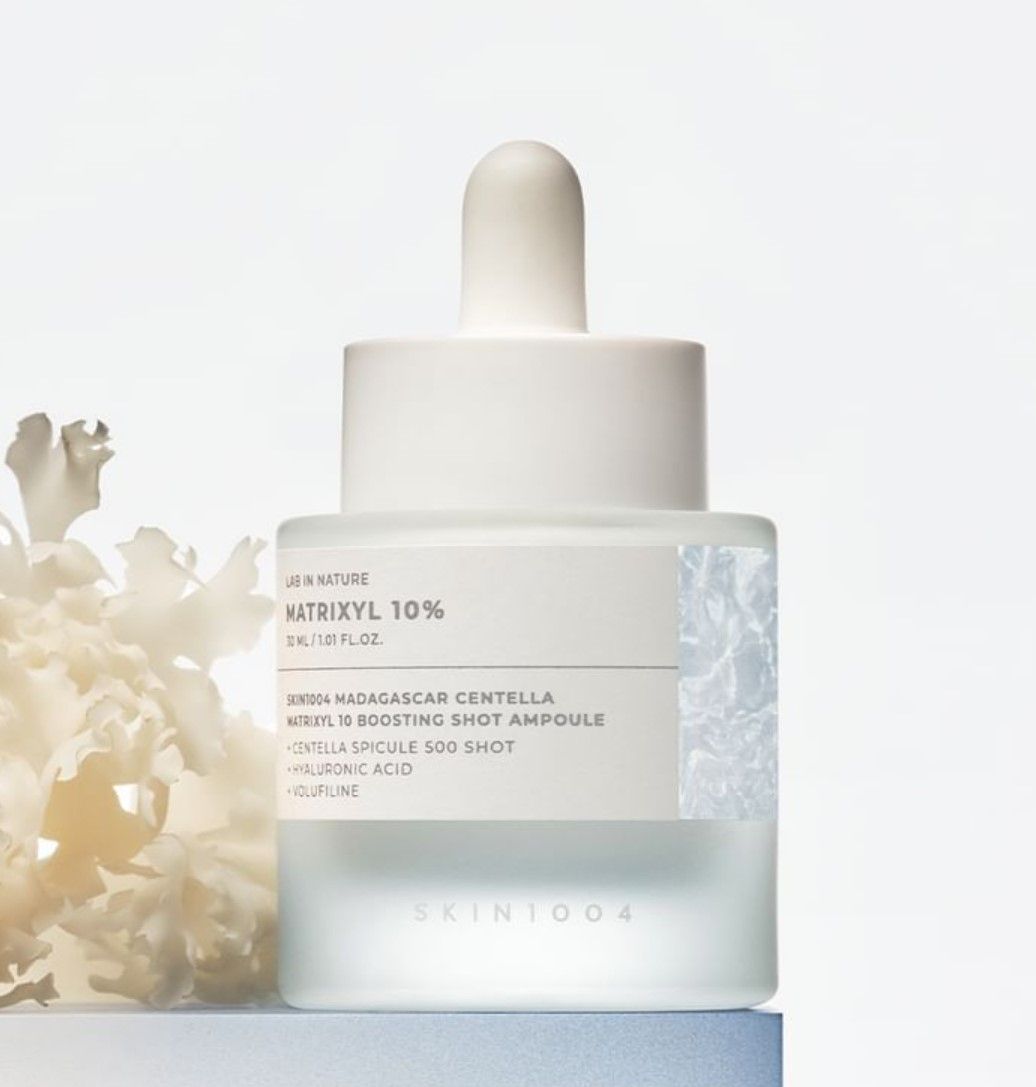
Because it works through a gradual plumping effect, volufiline isn’t used like a typical all-over serum, but in a more targeted way. It should be applied only to specific areas you want to treat: lips, nasolabial folds, under-eyes, cheekbones, or generally any areas that appear slightly hollow or less firm. It’s used in small amounts, as it is highly concentrated, and applied on clean skin, after moisturizer or mixed directly into it. Overall, it fits easily into most skincare routines, especially when paired with hydrating actives such as hyaluronic acid or ceramides, which don’t interfere with its action and actually help keep the skin in good condition with consistent use.
So, does it actually work?
One thing needs to be clarified right away: there are still very few independent sources and studies on volufiline. Beyond user testimonials on social media, there is no extensive and well-established scientific literature confirming its effects. What does exist are some cosmetic tests and lab data, mainly conducted by the original French manufacturer Sederma, reporting a possible 2.2% increase in breast volume after 56 days of topical application. Other tests were conducted on small sample sizes and on very dry or already volume-depleted skin, conditions where even minimal improvements tend to appear more noticeable. And that significantly changes how we interpret the results. It is certainly not an alternative to fillers nor an instant solution, but rather an ingredient with subtle, variable results that are still not supported by broad and independent clinical validation. That said, trying it won’t hurt, especially after consulting a dermatologist.
