











One day nostalgia will have the better of us No one had warned us that becoming adults would mean agonizing over the past
Afternoons spent in front of Italia Uno, rushing through homework to watch Patito Feo, the Winx or Dragon Ball. Collecting posters of Zac Efron and dreaming of wearing skirts over jeans and knee-high All Star boots. These are memories so vivid they feel just around the corner. Those days spent in front of the TV remind us of a time in our lives when everything felt simpler. No responsibilities, no expenses, no worries. Even though, in reality, it wasn’t exactly like that. We remember that episode where Raven eats lobster despite being allergic and her hands swell up. But we don’t remember our parents arguing in the next room. We remember Lizzie McGuire’s platform flip-flops, but our brain has erased the hurtful comment from the class bully. We remember Doraemon and Yu-Gi-Oh, but not the insecurity and inadequacy that come with those stages of life.
Nostalgia as a refuge
It’s only natural, then, that as the years go by we long to return to that sense of innocence and calm; a form of escapism that lets us take shelter in what we already know. Rewatching and revisiting the media we grew up with - whether it’s Malcolm in the Middle or Moana -allows us to immerse ourselves once again in that slightly naive optimism. As responsibilities and worries multiply, so does our desire to dive back into the good old days. Add to that wars, economic crises, FOMO, moving house, grocery shopping, balancing finances at the end of the month, dealing with in-laws, nieces, nephews, relatives, and recurring headaches: what’s left? What is all of this for?
If the future doesn’t look promising, we escape into the past
That sense of success and abundance has faded. The future that TV shows and cartoons seemed to promise us never really arrived. You turn 30 and, surprise, you’re not living in a Manhattan apartment with your friends, going out every day despite having different jobs, schedules, and lives. The dream has cracked. The best solution would be to accept and understand the different stages of life, to embrace the one we’re in and live it fully - even if it doesn’t include blue French horns or an ultra-active social life. The easiest solution, instead, is to dive back into the past and bask in the awareness that it’s never coming back. We don’t know how to let go, and we don’t know how to let ourselves go. We’re afraid to turn the page and say goodbye to the version of ourselves frozen in the past, which now no longer belongs to us. We cling with all our strength to anything that, even just for an afternoon, can take us back - at least in our minds. And so come the remakes, reboots, sequels, live actions, spin-offs, adaptations - you name it. We’re no longer looking for new stories, we just want to relive the old ones and pretend we’re growing alongside them.
The sequel of the remake of the reboot of the live action is out
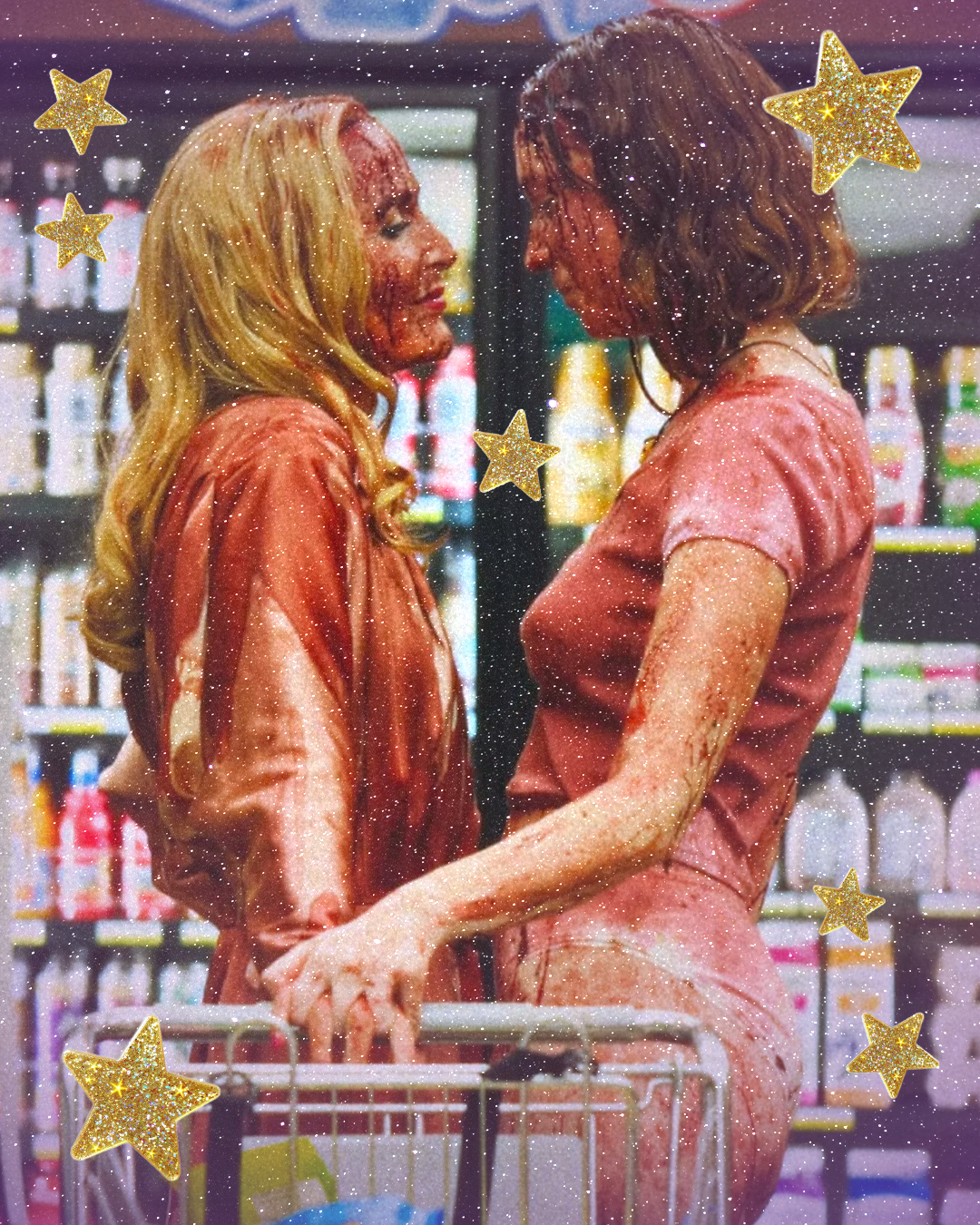
In 2026 alone, nearly a hundred non-original productions will be released, including sequels, adaptations, spin-offs, and reboots. To name just a few, April will bring us the sequel to Malcolm in the Middle, The Devil Wears Prada, and Ready or Not. It’s an incredibly thriving market because, if we’ve learned anything, it’s that capitalism is great at intercepting consumer emotions and needs - and, whenever possible, delivering a lower-quality version that’s perfectly packaged. Because art and entertainment are industries, after all, and the motto is: minimum effort, maximum return. The nostalgia operation is almost always a winning bet. There’s no need for creative investment, no need to aim for high quality - curiosity and melancholy will still bring people to theaters. They’ll complain about it on social media afterward, but by then the purchase has already been made. The entertainment industry is a bit like a toxic ex that gaslights you into thinking you’re the problem. Not them. An emotional manipulation that, like any dysfunctional relationship, benefits only one side.
But if this is what we want, what’s the problem?
The problem is that we lose curiosity and stimulation. We lose perspective because we’re too focused on standing still and looking backward. Creative energy fades, and the drive and courage to propose something new disappear in favor of what’s easiest and most effective. We might end up with movies designed with TikTok hooks just to keep us from scrolling away or switching theaters. And in 30 years - if the world hasn’t burned down - we’ll look back at this period and wonder what’s left, if not a permanent exhibition of fossilized past emotions.
What to read next

How do you inhabit pleasure?
The cycle of meetings “Living Pleasure” is born, from Lina to Milan