





























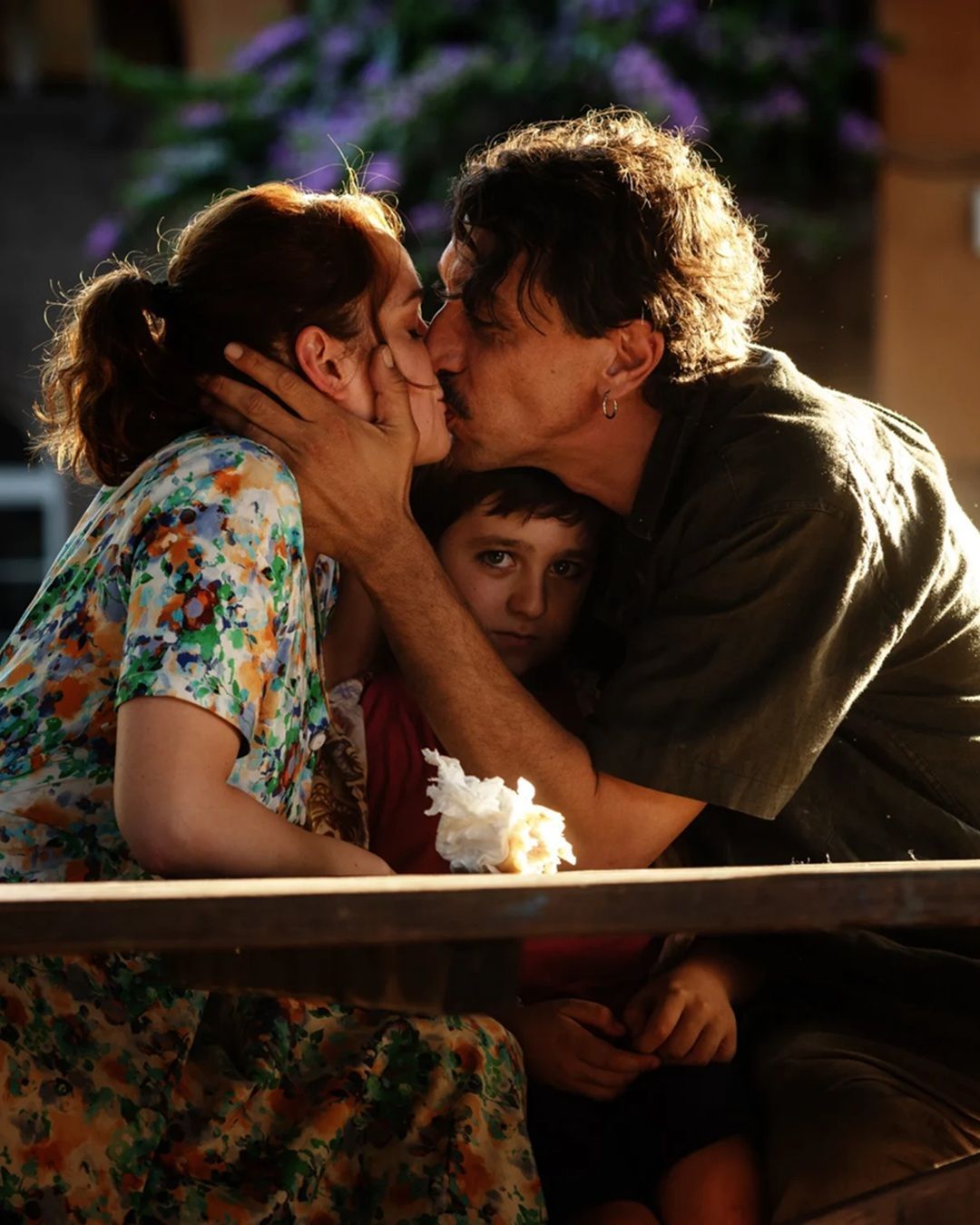
Il Dio dell’amore proves Italy can still make romantic films A tradition that exist and resist
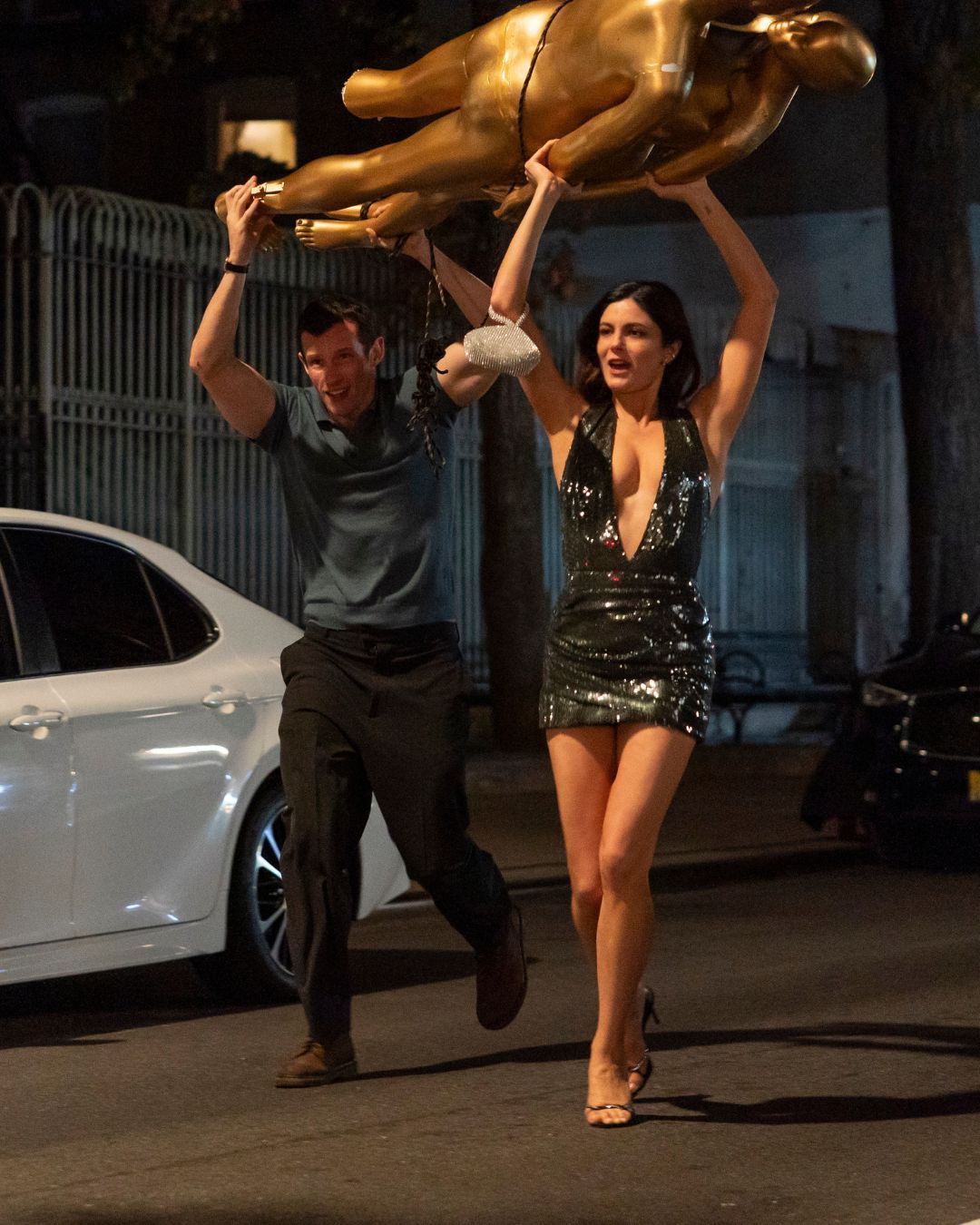
The theatrical release of The God of Love reminded us of something we sometimes tend to forget: we also know how to make romantic films in Italy. Not often, not entirely, not always successfully. But we try, just like people in love do, and every now and then the result is a work that not only draws inspiration from the genre, but even manages to shape it according to its own taste and feeling. The film directed by Francesco Lagi, co-written together with Enrico Audenino, reinterprets romantic storytelling based on two major premises that Italian cinema has often used in its stories: chance and a number of performers for a choral narrative.
The tradition of ensemble romantic cinema in Italy
A widely used device in Italian romantic cinema is ensemble storytelling, which has been especially embraced by comedies and reached its peak in Manuale d’amore. A device that finds a reformulation, for example, in Follemente by Paolo Genovese, where there is a cast of well-known names and faces, even though the story revolves around a date between just two characters. Its roots, however, go back much further: just think of Ex or, diving into Muccino territory, the diptych The Last Kiss and Kiss Me Again.
Young love and the evolution of romantic storytelling
Although in the early 2000s Italian cinema had to go through the phase of Three Steps Over Heaven and Love 14, with a precursor dating back to 1999 with the cult film But Forever in My Mind by (once again) Gabriele Muccino, it later became possible to find more delicate, mature, and investigative narratives about relationships, from the Out of My League saga to the deconstruction of a male perspective with Love, in Theory from 2025. We are looking at a kind of cinema that is an education in feelings, which is also light entertainment and does not claim anything beyond what it can offer: a warm and welcoming place to invite viewers into. And that is a good place to arrive at, and to stay.
Love in Italian cinema: between comedy and melancholy
Love cannot be avoided, which is why some of the greatest figures in our cinema have chosen to confront it head-on. If we can recite by heart the jokes and witty lines of Aldo, Giovanni and Giacomo, beneath the humorous surface of their films there has often been an exploration of feelings and relationships. Just consider that in Ask Me If I’m Happy the play they are staging is Cyrano de Bergerac. Feelings and relationships are also fundamental elements for an author like Massimo Troisi, who, with his Neapolitan sensibility, could move us just seconds after making us laugh, without us even noticing the transition. A melancholy embedded in the comedian and actor, resonating like Quando by Pino Daniele at the end of one of his most beautiful films, I Thought It Was Love… Instead It Was a Carriage.
Contemporary examples and The God of Love
We also have more recent examples, from Every Blessed Day by Paolo Virzì to Remember? by Valerio Mieli, up to the delightful debut September by Giulia Steigerwalt, now joined by The God of Love, which uses the device of chance intertwined with fate and shows how everything, in one way or another, is connected. It is from these fleeting or lifelong encounters that the most incredible things emerge. Lagi delivers a film that does not rely solely on its writing, already original and vibrant, but ensures that the direction accompanies the constant shifts in narrative and imagery, just as it guides the viewer. Led into the heart of events by a true Cicero of love, Ovid, portrayed by Francesco Colella, an external narrator who knows the capital as well as the stories of the people who inhabit it.
A mosaic of intertwined love stories
Ironic and sharp, genuine and irresistible with its close-up zooms and emotions emphasized each time by shifts in directorial style, The God of Love is a story that is actually many stories, because we are not alone on this earth—and we are not even alone when we are in love. There is always someone else in love alongside us, whether they return our feelings or direct them elsewhere. It is a woman who meets her high school love, who is now with an elementary school teacher, who was previously with a clingy boyfriend, who in turn falls in love with his therapist, who, in turn, is a lesbian. How many twists and turns love takes us through, and how skillfully Francesco Lagi manages to bring them all together.