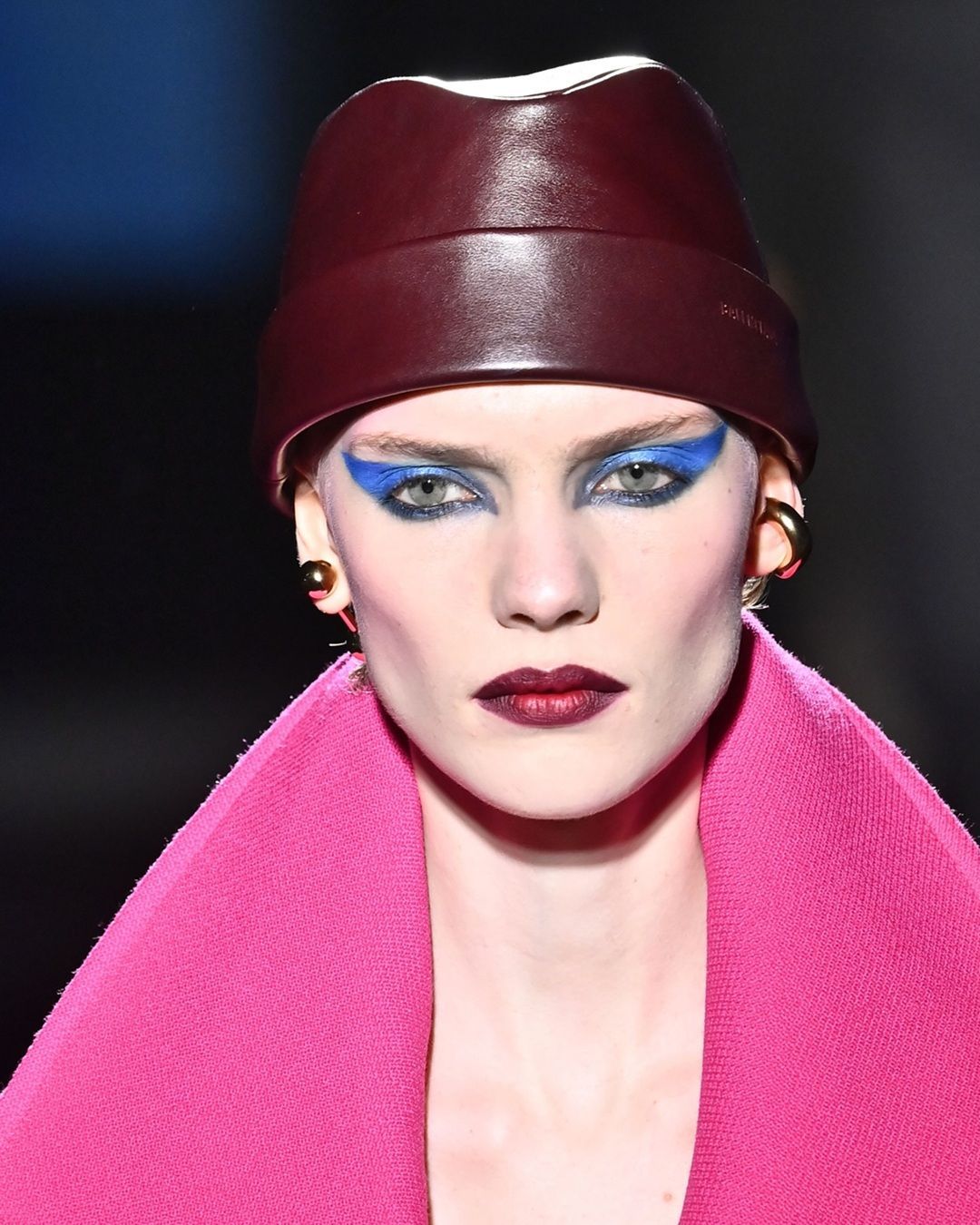














The disappearing art of being overdressed Can fashion's Za Za Zu be brought back to life?
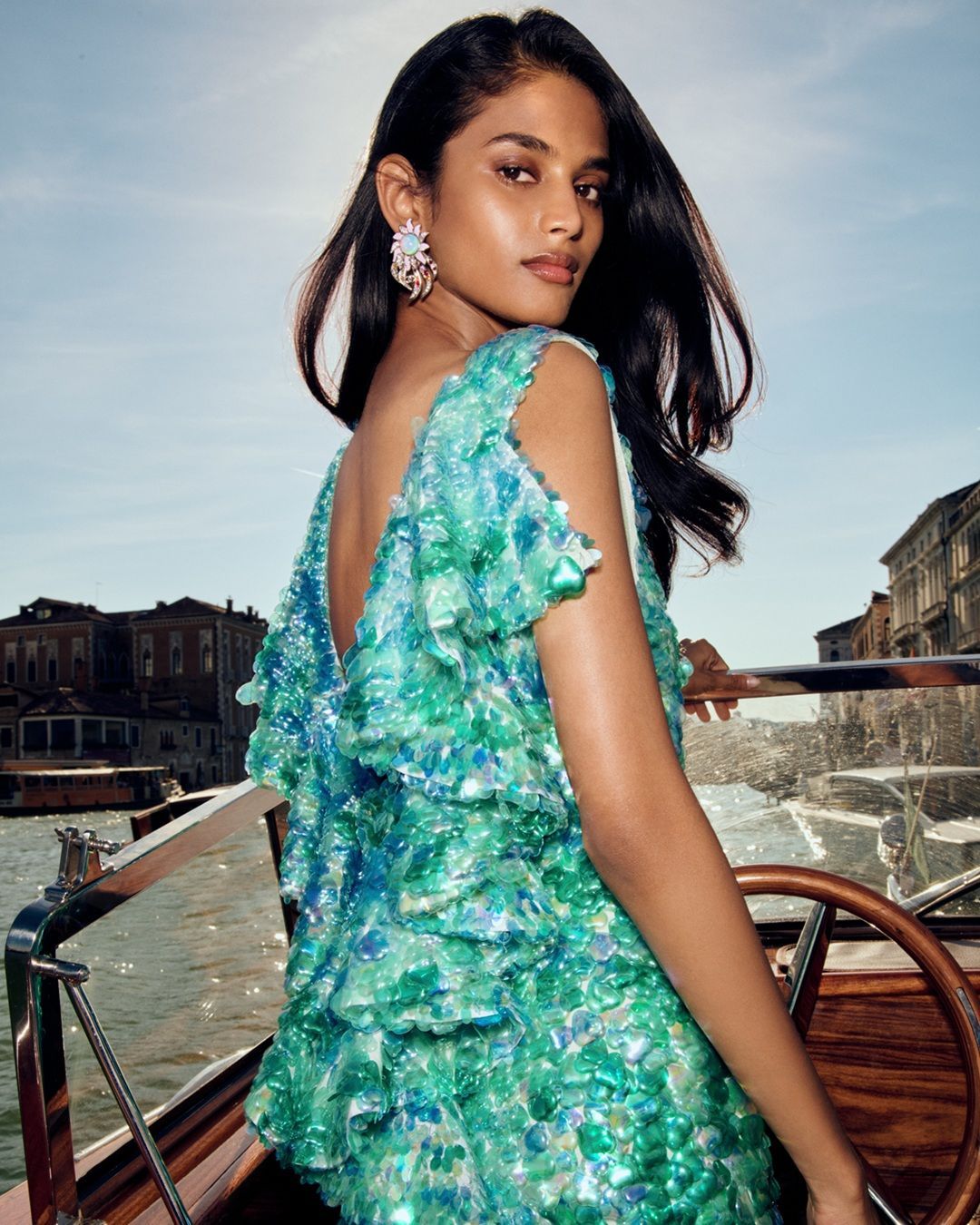
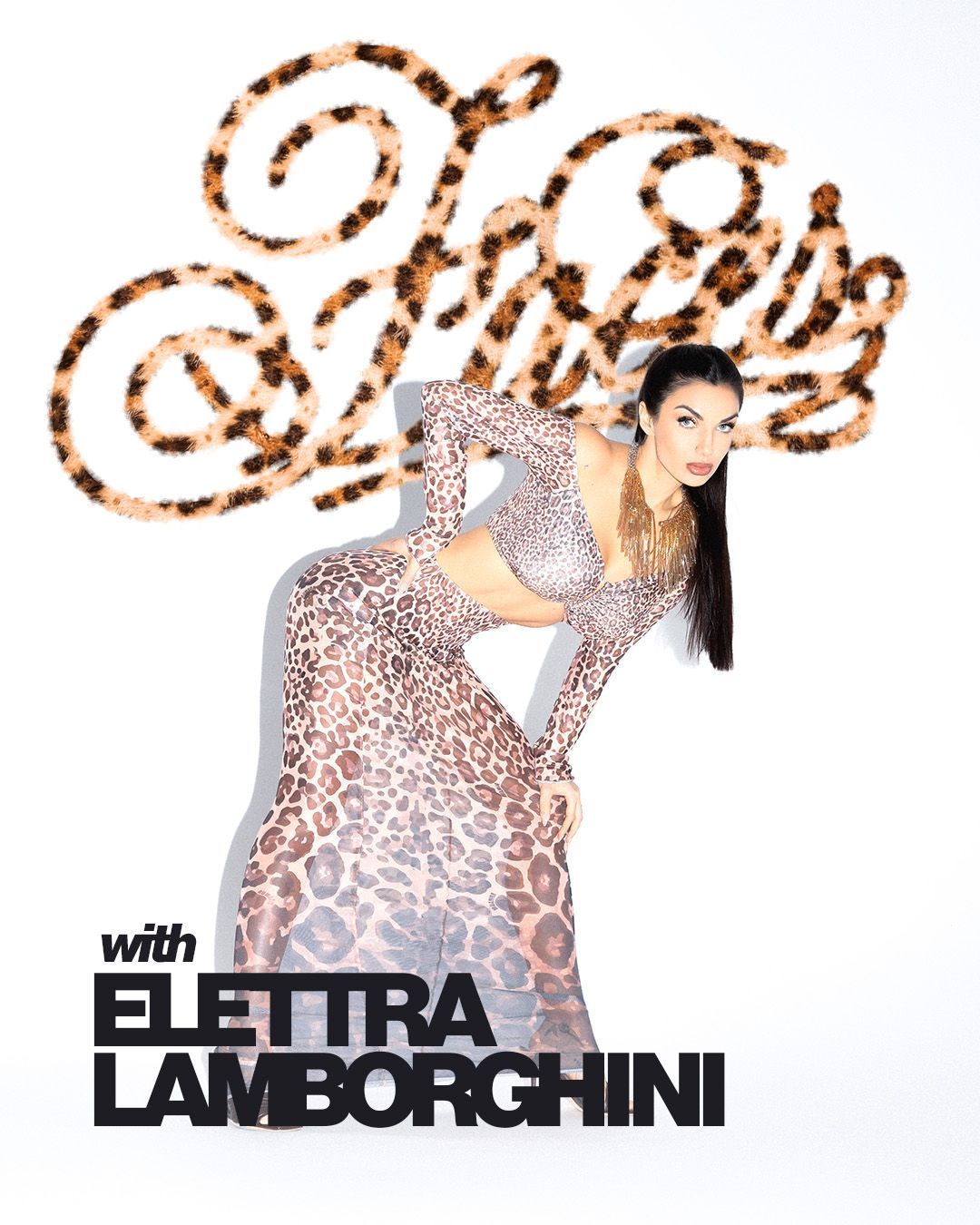
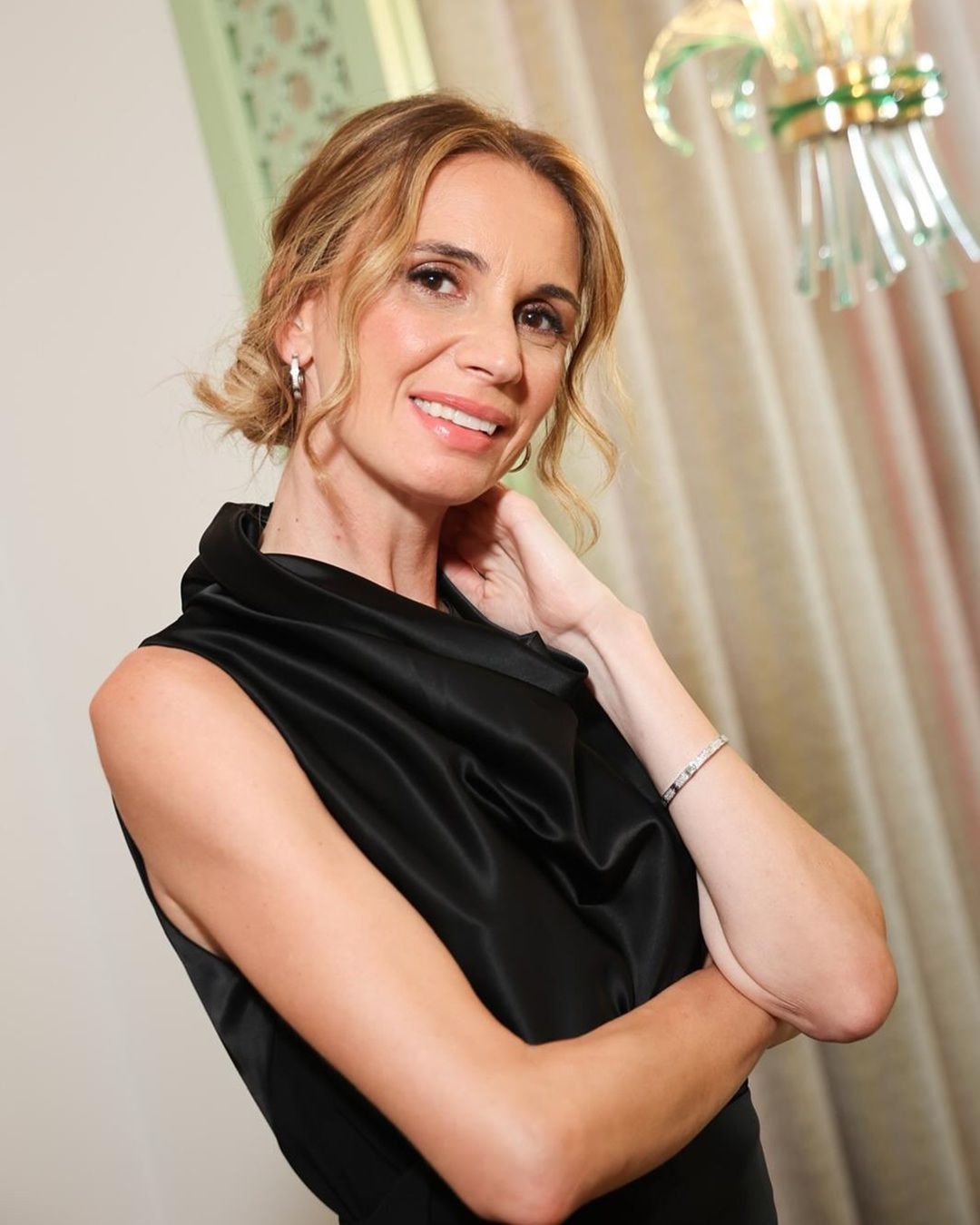
Oscar Wilde is said to have remarked that one can never be overdressed or overeducated. Yet in recent years, fashion has behaved as though it disagrees. For much of its history, fashion, or at least its protagonists, has been defined and valued through a very specific camp stereotype. Think of the dandiest of them all, André Leon Talley, with his devotion to diamonds, capes, and taffeta; Donatella Versace’s audacity, spanning everything from plunging necklines to bold, eye-catching patterns; or Marc Jacobs, defiantly sporting giant acrylic nails on a regular basis. What they all have in common is a commitment to overdressing, what Sex and the City’s eternal sex columnist Carrie Bradshaw might have dubbed the spark in a relationship, and what I would now attribute to fashion itself: Za Za Zu.
What is overdressing?
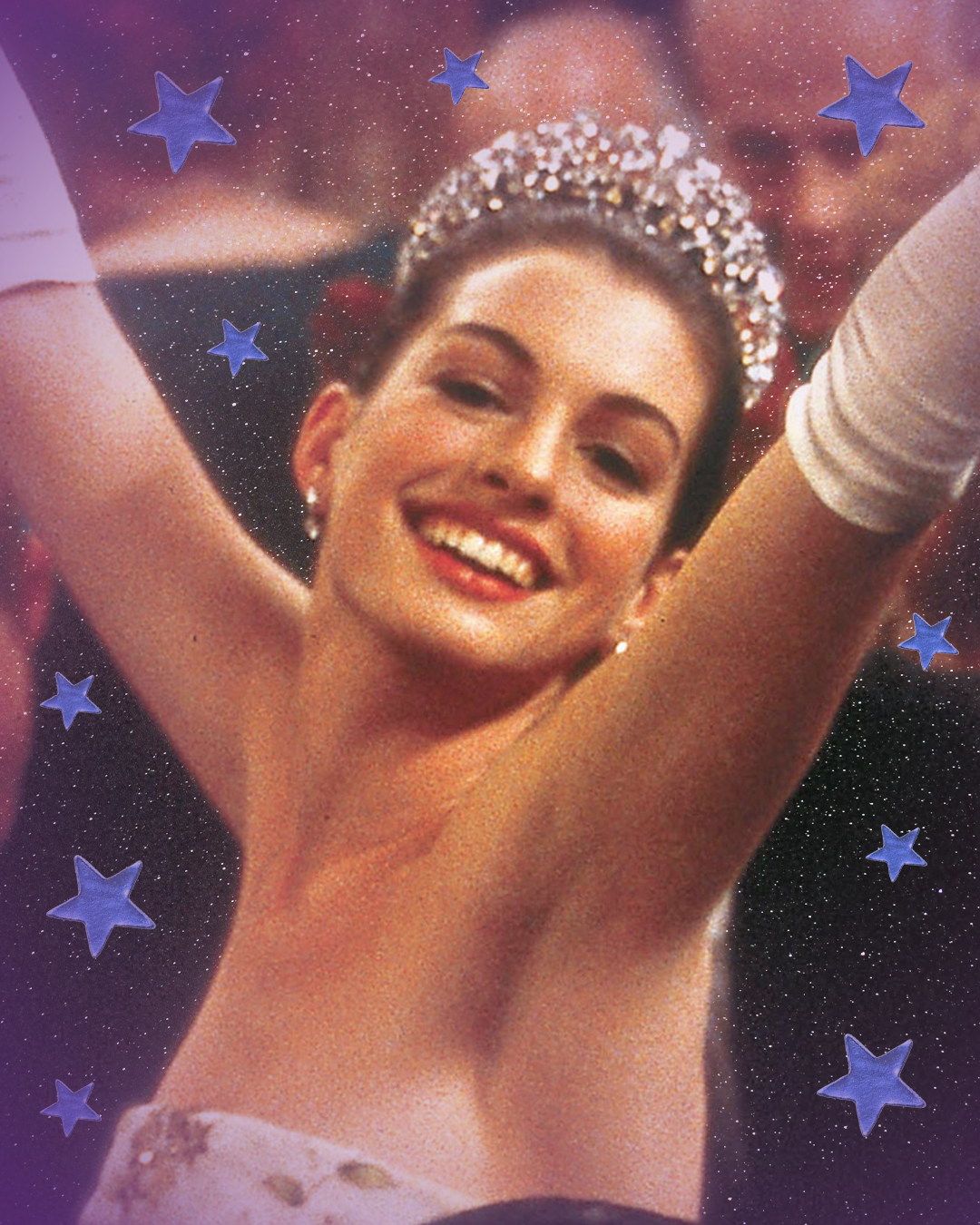
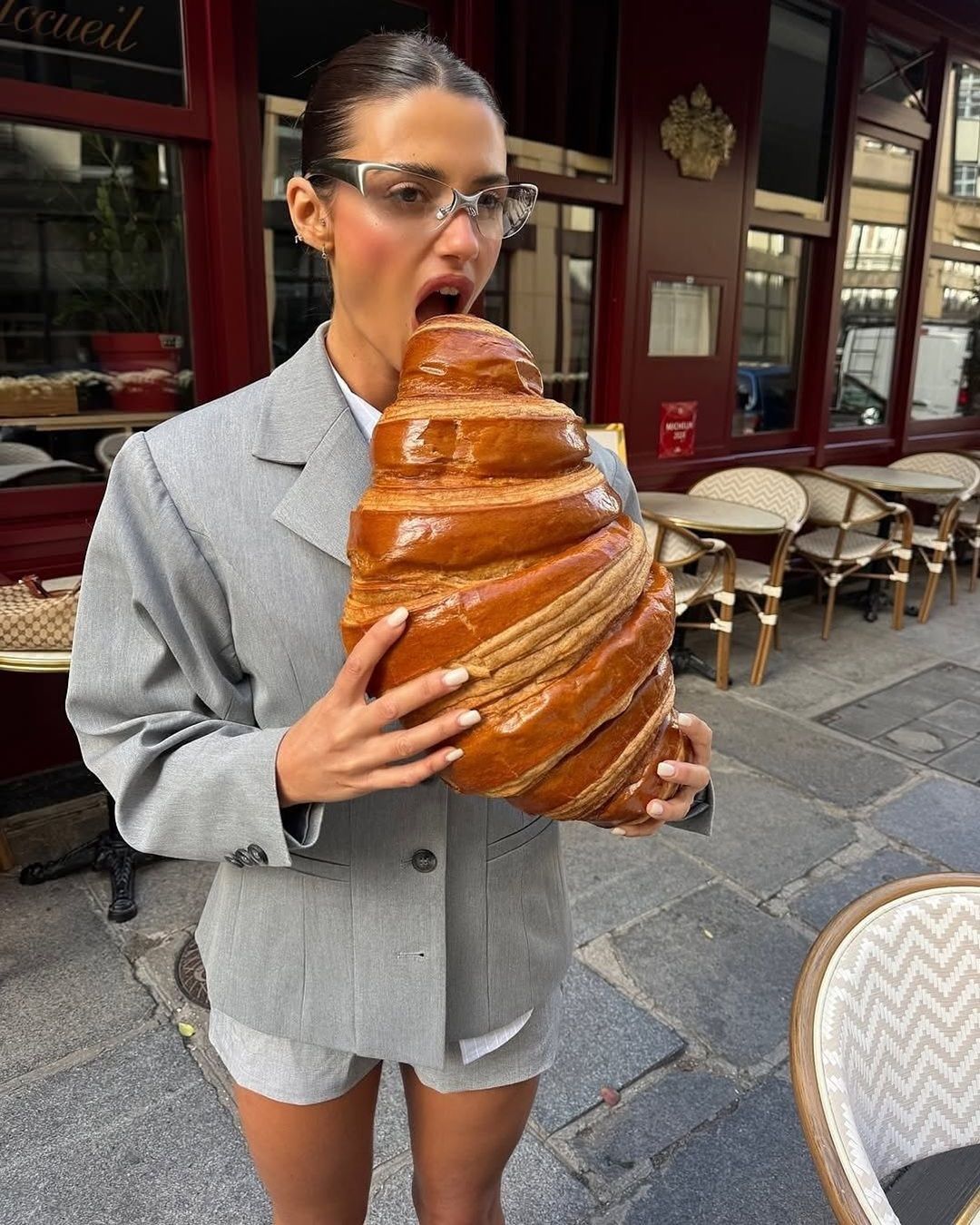
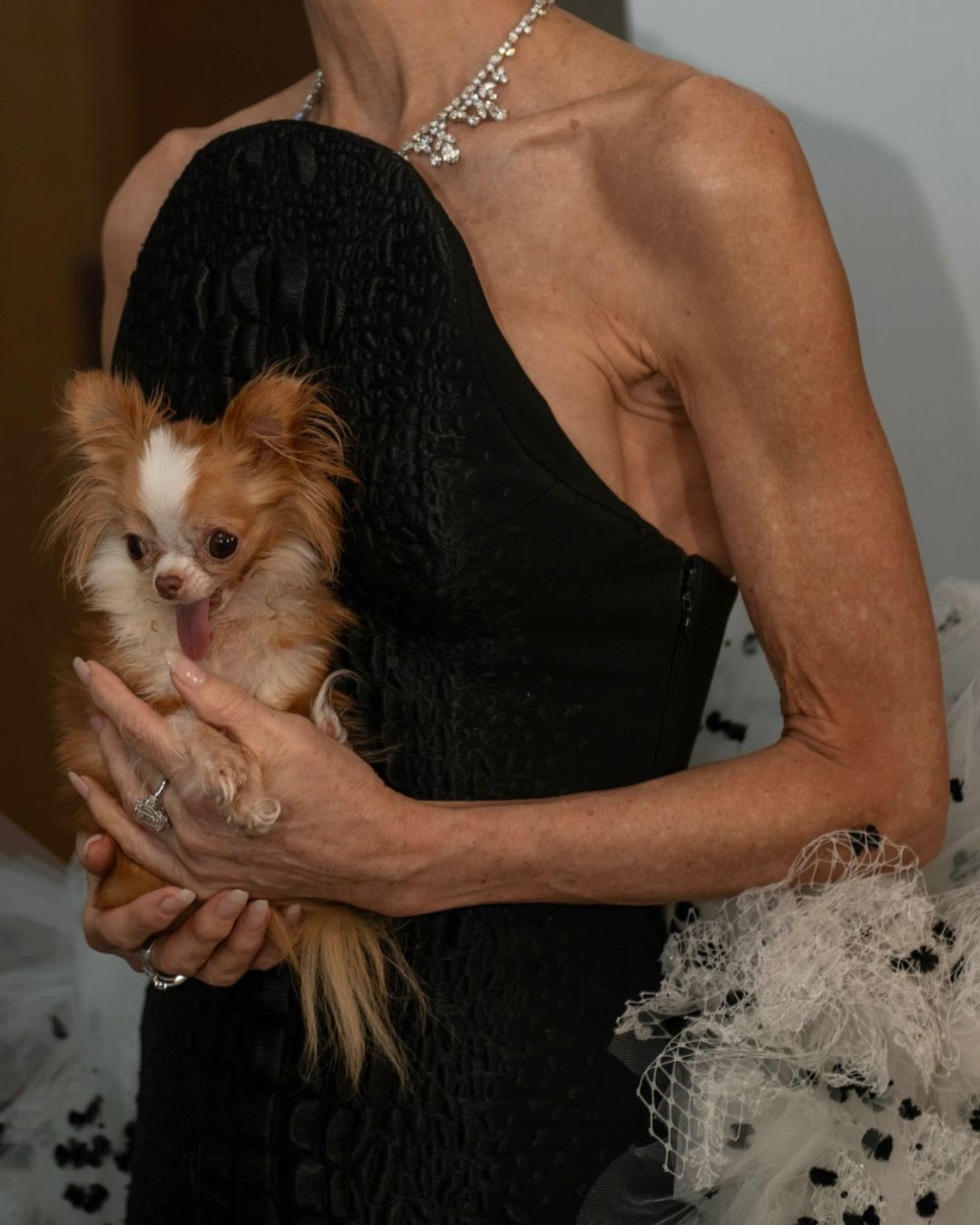
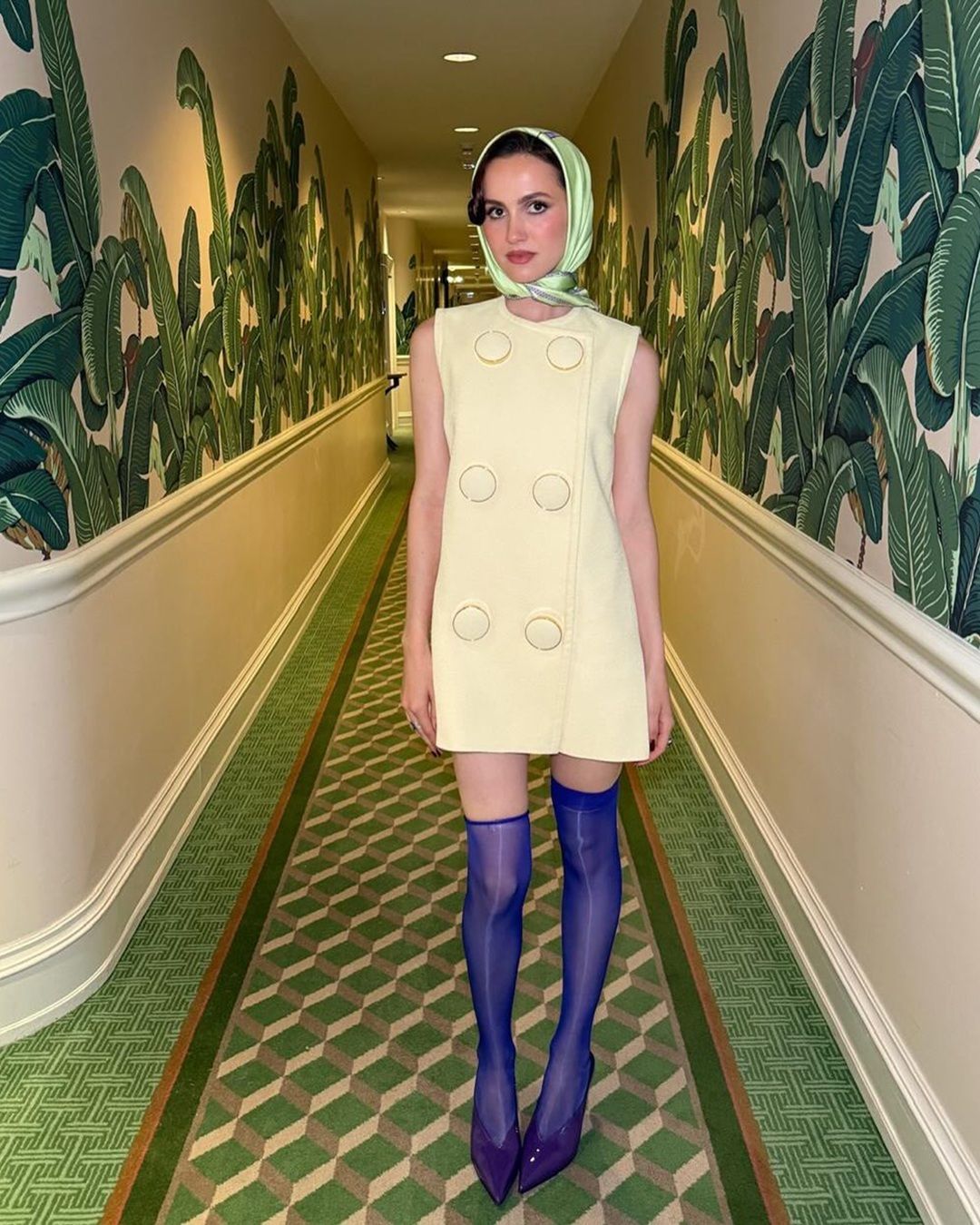
If you’ve been living under a rock: overdressing is the glorious ability to dress more formally, elegantly, and extravagantly for occasions that do not require it. You know, just your basics: Naomi Campbell completing her community service in a floor-length silver Dolce & Gabbana gown; Carrie Bradshaw crashing a lunch she wasn’t invited to with the wife of the man she’d had an affair with, clad in a buzzy newspaper-print Dior dress; Cardi B appearing in court in 2019 wearing an Adrienne Landau feather jacket with a floor-length train and a fur hat; Cher Horowitz and Dionne Davenport ruling the school hallways in checked sets in Clueless; and Victoria Beckham attending a soccer match in a bright hot-pink dress, topped off with a matching Birkin. Fiction or reality, overdressing has less to do with making a fashion statement and more to do with signalling confidence. According to psychologist Stephanie Steele-Wren, it is a ‘‘quieter form of self-respect that reinforces who the wearer believes themselves to be.’’ But it cultivates more than self-respect alone; also encouraging self-expression, extravagance, risk, and creativity. ‘‘It reminds you that getting dressed can be creative, pleasurable, or even a small daily ritual that you look forward to,’’ the professional concludes.
@bethwilliamsstyle claiming lucky girl energy for 2026
som original -
Why is overdressing disappearing?
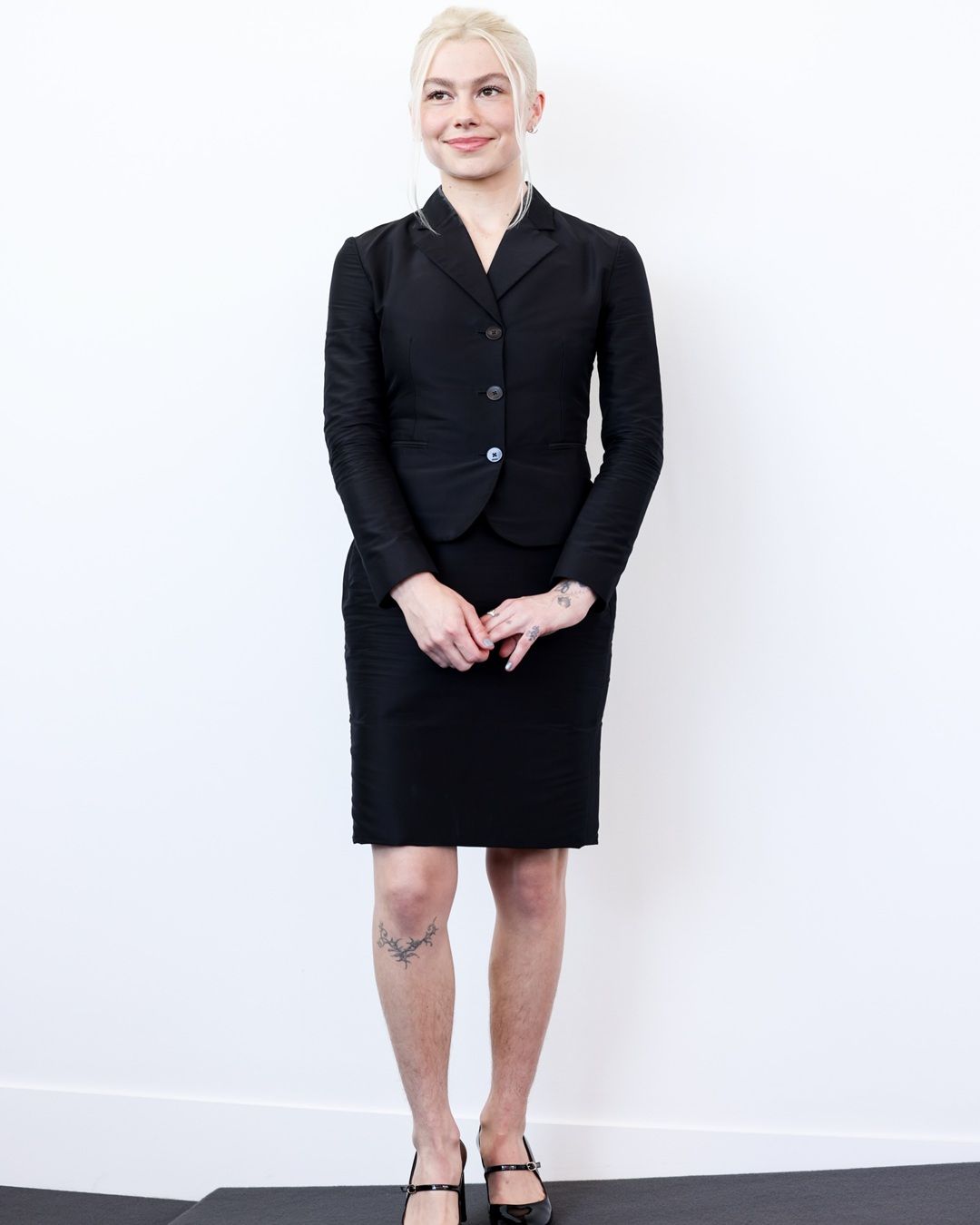
In recent years, however, the act of overdressing has basically become an urban myth. Red carpets are flooded with play-it-safe looks rather than creative ones, people are sacrificing individuality for the sake of conformity, and even designers are shying away from exciting ideas. With few names still committed to that lifestyle, or rather, that way of dressing, I can’t help but wonder: Why did overdressing die out? Has it grown outdated? Unpopular? Uncomfortable? Or is there something else beneath it all? At first glance, comfort appears to be the obvious answer. Since Covid-19, consumers have increasingly privileged ease in their daily lives, embracing garments designed for long hours and the demands of domestic routines. Yet attributing the disappearance of overdressing solely to comfort feels reductive, not only because overdressing can be comfortable for some, but also because many people, despite having nowhere to go during lockdowns, still chose to dress up (myself included). What has shifted, then, has less to do with comfort and more to do with exposure.
Social media, social pressure, and loss of individuality
In an age where social media monitors our every move, operating less as a tool and more as a system of pressure, insecurities multiply. Content creators and even those who simply follow along feel compelled to ditch their inner selves in favor of whatever is currently deemed cool. The consequences of deviation can be drastic: comments can turn cruel and dressing up can be grounds for ridicule instead of a playground for self-expression. With an ever-stronger desire to belong, individuality is replaced by conformity, slowly killing individuality. Consider the current sartorial lexicon: Refined, minimal, restraint.
@404stargirl I call this: having fun with clothes and zero regrets #FunFashion #DopamineDressing #MaximalistStyle #Colorful #OOTD #FashionPlay #OutfitInspo #StyleWithNoRules #fashiontok #moda Tonight - PinkPantheress
Minimalism, nostalgia, and quiet luxury
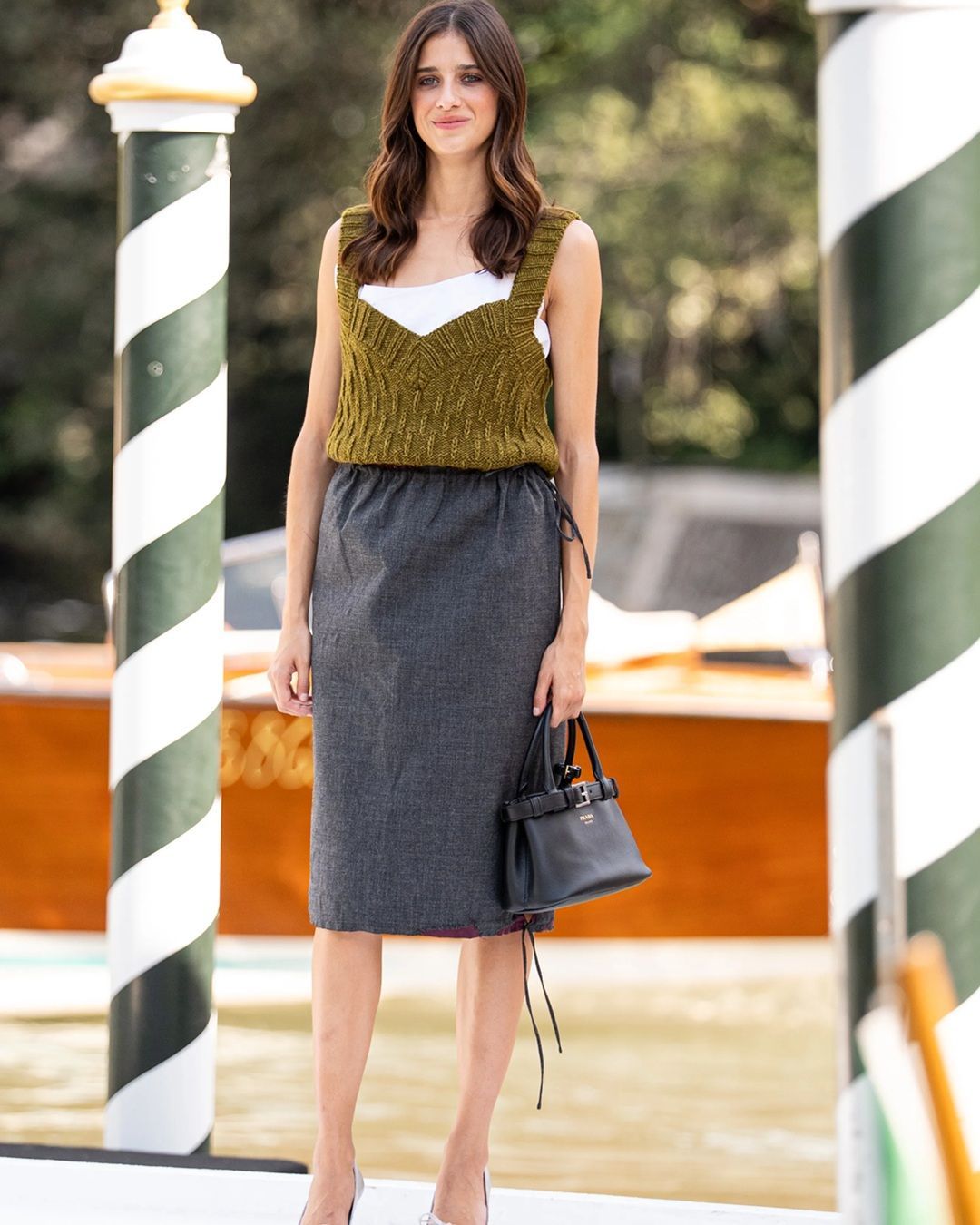
Since 2020, the mainstream fashion scene has fallen into an almost obsessive nostalgia loop, mining the past for consolation rather than risk. Hippies, grunge, goth: everything old became new again. Even the endlessly cited ‘90s minimalism still casts its long shadow today. Yet that era’s minimalism carried an effortless cool: it favored understatement without renouncing daring, and that balance is what made it legendary. By 2022, however, it had mutated into something far less seductive: Quiet Luxury. With it came a retreat from excess, from provocation, and ultimately from the pleasure of being overdressed. Bold colors and prints were deemed too risky, and the general modus operandi of the fashion world leaned toward a far simpler visual, whether on runways, in street style, or on the red carpet. And though the heyday of the infamous trend is now over, the art of overdressing remains rare. Even celebrities, once the pioneers of sartorial risk, increasingly dress in the name of elegance and understatement, opting for what is safe rather than authentic.
Overdressing as a radical act
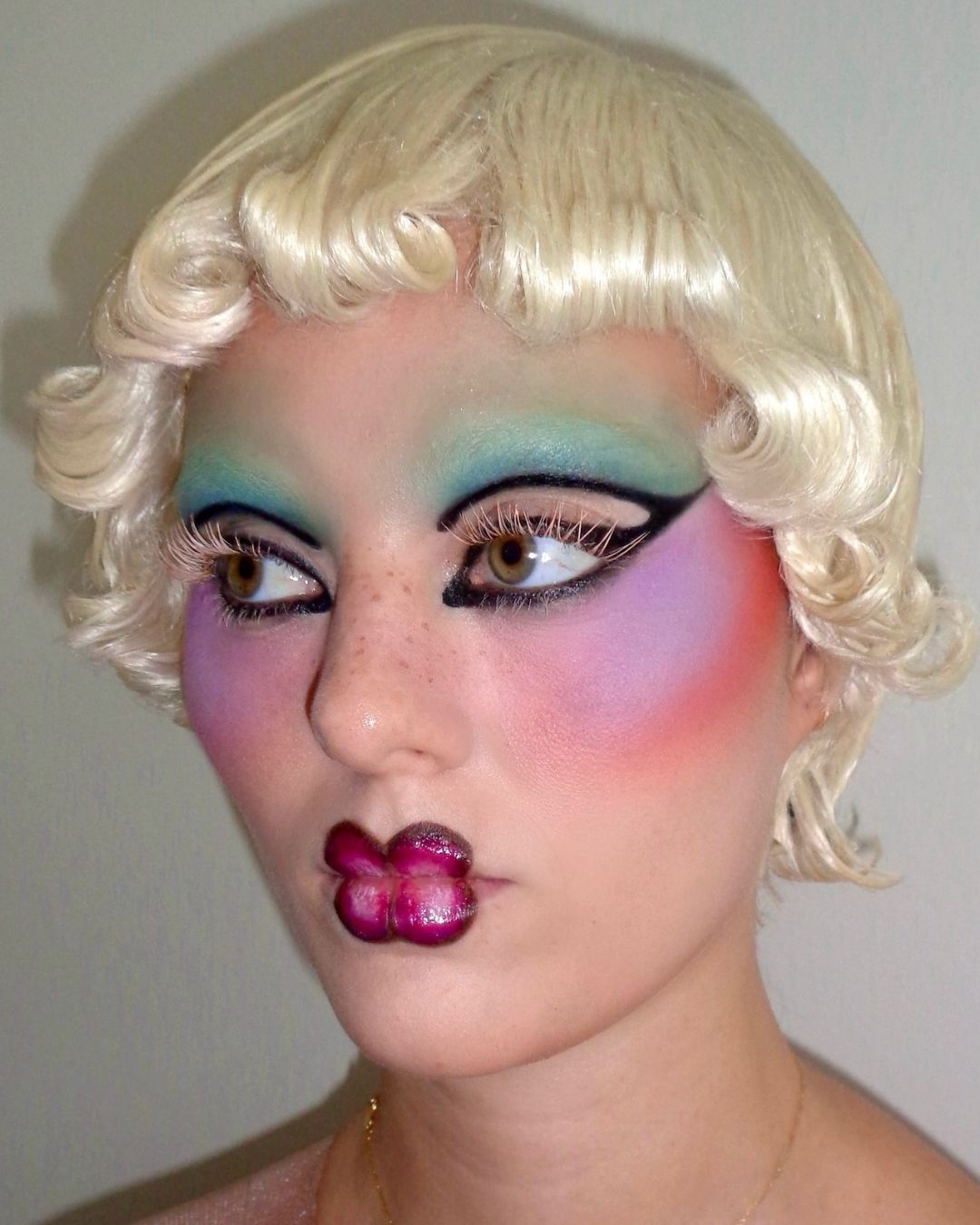
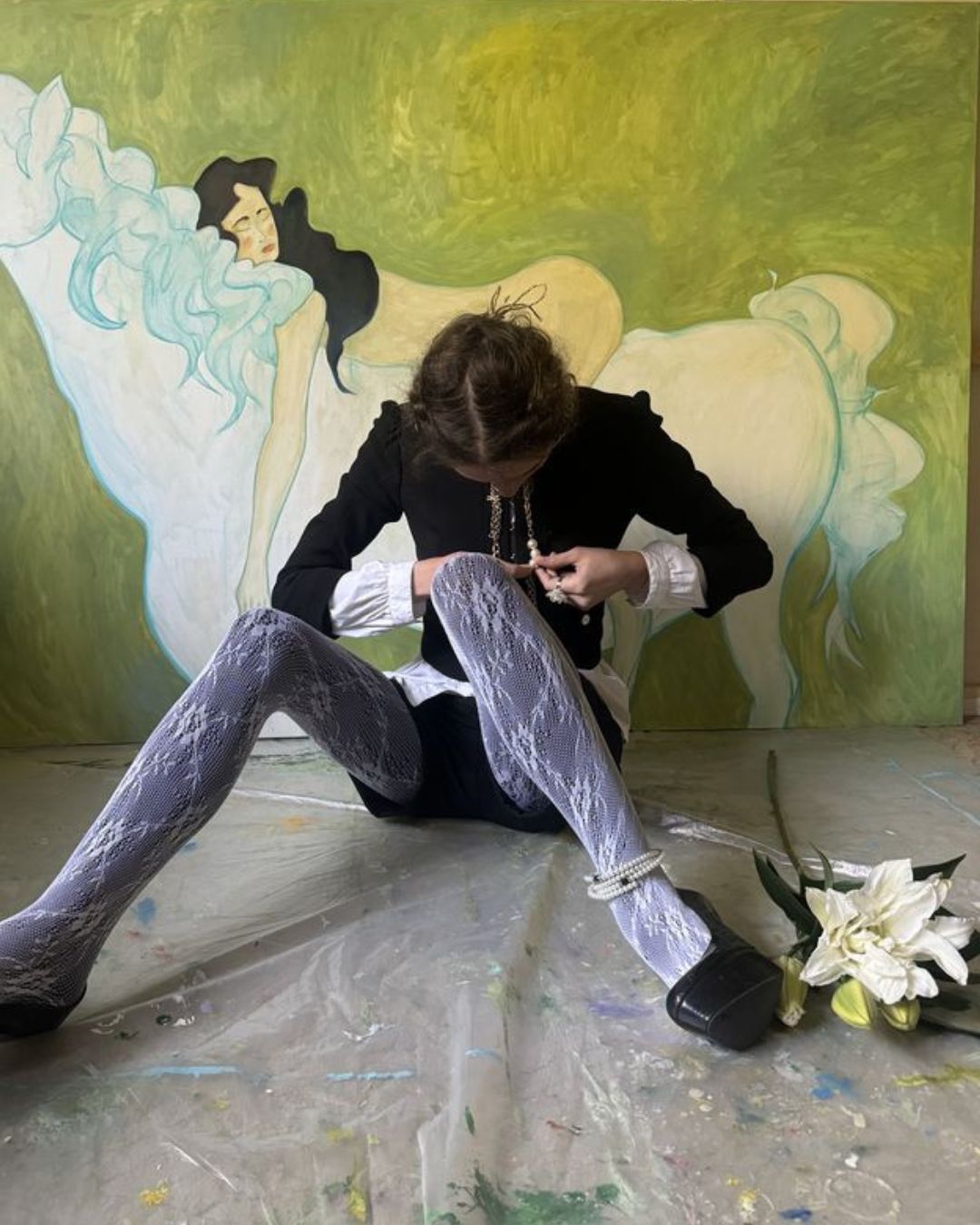
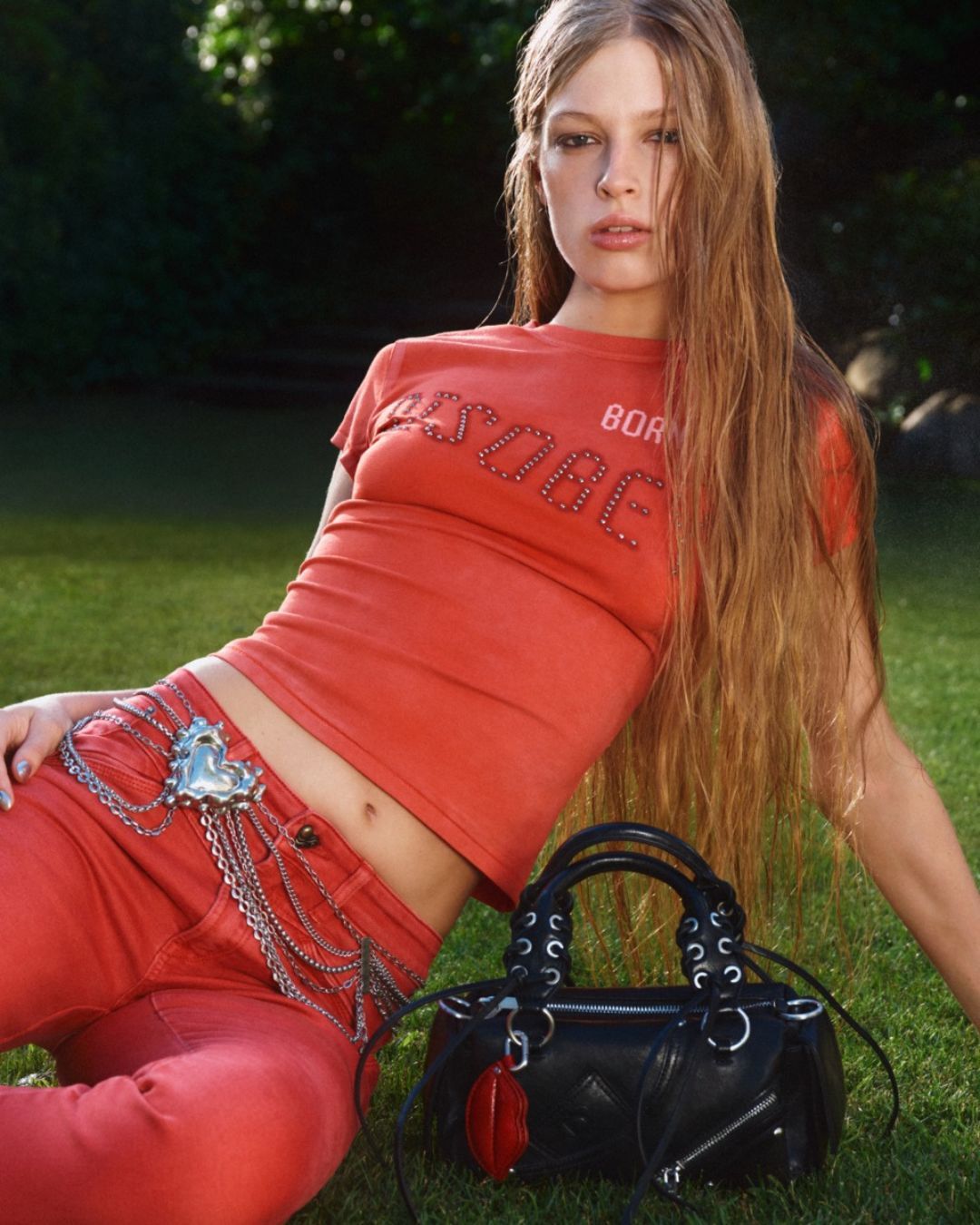
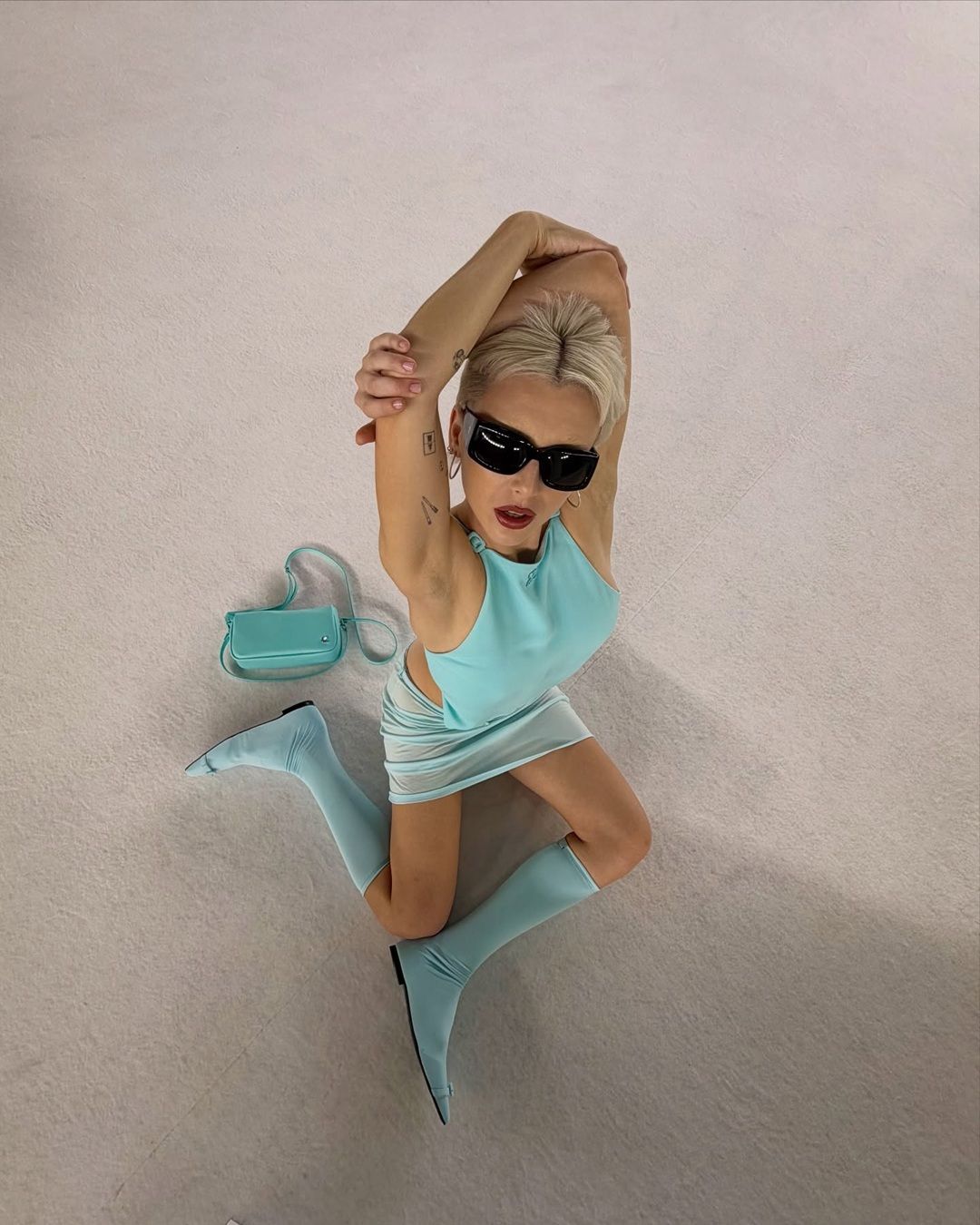
According to Andria Cindi, a South African stylist known for maximalism, dopamine dressing, and everything “minimalists would consider their worst nightmare,” her own practice of overdressing has diminished in recent years, though she wishes it hadn’t. ‘‘I’m trying to get back into it because I don’t enjoy looking plain,’’ she confessed. ‘‘I love when my clothes have personality and when my outfit speaks for me before I even say anything.’’ Her desire to overdress runs counter to a culture that favors minimalism. ‘‘For many of us, color and excess are part of how we exist in the world,’’ the stylist declared. Now, more than an urban myth, overdressing has become an almost radical act, irresistible to those who see fashion as a form of self-expression rather than mere conformity. Although the mainstream sphere might seem bland, Cindi urges us to look closer. ‘‘If you look at niche creators, many of them are still very much maximalists,’’ she suggested. ‘‘Overdressing might be diminishing in the limelight, but in real life and online communities, people are still showing up as themselves.’’
@ashamode_ Color combos you need to try!!! Save for the next time you are scared to wear bright colors !!! #maximaliststyle #colorcombination original sound - Ashamode
The future of overdressing
While the mainstream may value restraint, Cindi reminds us that fashion is never static. Among niche Instagram accounts, independent designers and local fashion communities, overdressing continues to thrive, and perhaps, our luck can change soon. ‘‘That pushback tells me that while minimalism may be dominant, self-expression isn’t going anywhere,’’ the stylist concludes hopefully. And neither overdressing. Perhaps we just have to look in different directions.