















































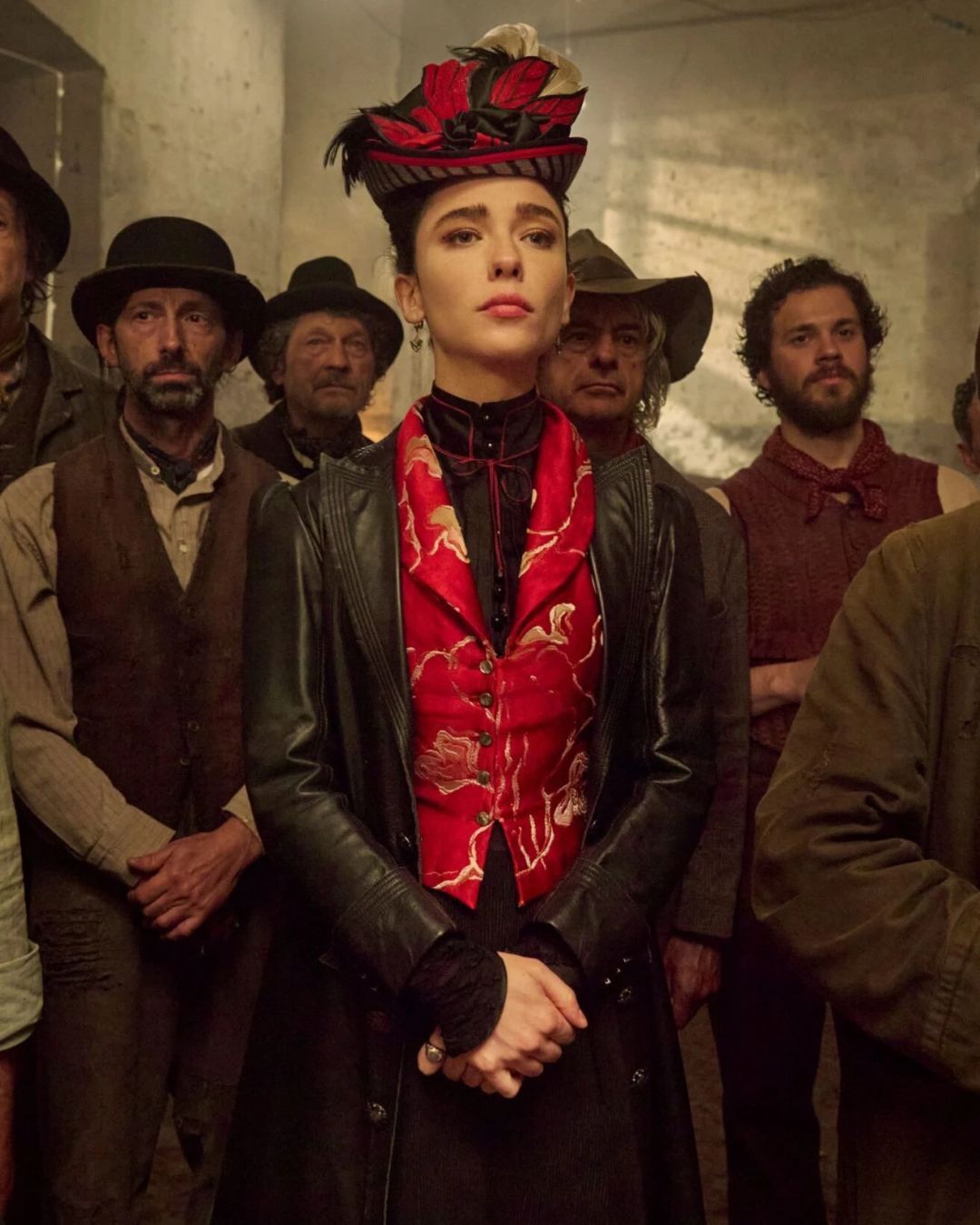
What we learned from La legge di Lidia Poët Italy's first female lawyer arrives for its third and final season.
Lessons can be drawn from many things. From a news story, from a fictional tale, from a real or imaginary character starring in a film or a TV series. Sometimes, it can go even further. You can learn while being entertained, you can enjoy what you’ve learned, and you can even do so by lightening your mind and thoughts through a streaming platform title. From 2023 up to its third and final season, this has been the case of La legge di Lidia Poët, a Netflix original created by Guido Iuculano and Davide Orsini that concludes in 2026 with a total of eighteen episodes and a story that blends fiction and history.
Lidia Poët: Italy’s first female lawyer between history and representation
Lidia Poët, by now and fortunately, is known to everyone. The first Italian woman lawyer to be admitted to the Bar, after her application was first accepted and then rejected, only to be finally recognized much later in life (in her sixties)—the protagonist of the Groenlandia production has been portrayed over the years by Matilda De Angelis, who successfully embodied a relentless sense of defiance against injustice. A figure determined to fight for an ideal that transcends the individual and becomes collective. A theme such as the liberation of women’s condition, promoted not only by women but by an entire progressive and enlightened society capable of understanding that true independence for each individual passes through the independence of everyone, not just men or privileged people.
The series’ message: justice and female freedom
From its very first season, La legge di Lidia Poët made its protagonist’s purpose clear, which by extension became the same for everyone around her. Fighting for justice means, above all, fighting for those from whom it is too easily taken away. Her condition, disadvantaged yet still dignified as a wealthy woman, allowed her to help defend many and change History. To see what others could not see. To have the courage to build a bridge to the future where others constantly tried to tear it down.
Why La legge di Lidia Poët is an important series
For this reason, La legge di Lidia Poët is an important work, and it has been so throughout all three seasons. It has consistently conveyed a point of view by telling the story of an extraordinary woman, doing so through the most accessible narrative approach for the widest possible audience. It did so through a writing style free of superstructures and perhaps not highly refined, making each episode a standalone case within a crime investigative framework whose resolutions were sometimes rough around the edges, but never dull or lacking in delivering a broader picture of Lidia Poët’s actions and purpose: to demonstrate the role and value of women in society, for her and for all others.
The finale and the series’ cultural legacy
And this is exactly what the final season leaves us with: the awareness that when we say one woman’s freedom is everyone’s freedom, it is not merely a rhetorical expression, but a cry for struggle. That someone must be the first to raise their voice, to use their position to help those who seem to have no rights, and that only as a network do we become a force. And if Matilda De Angelis has learned from the series to be careful about what she wishes for because it might come true, we believe instead that she should keep wishing, dreaming even bigger, just like Lidia Poët has always done.