














Everything is political, even beauty Between care, trends, and control: what it means to take your skin seriously today
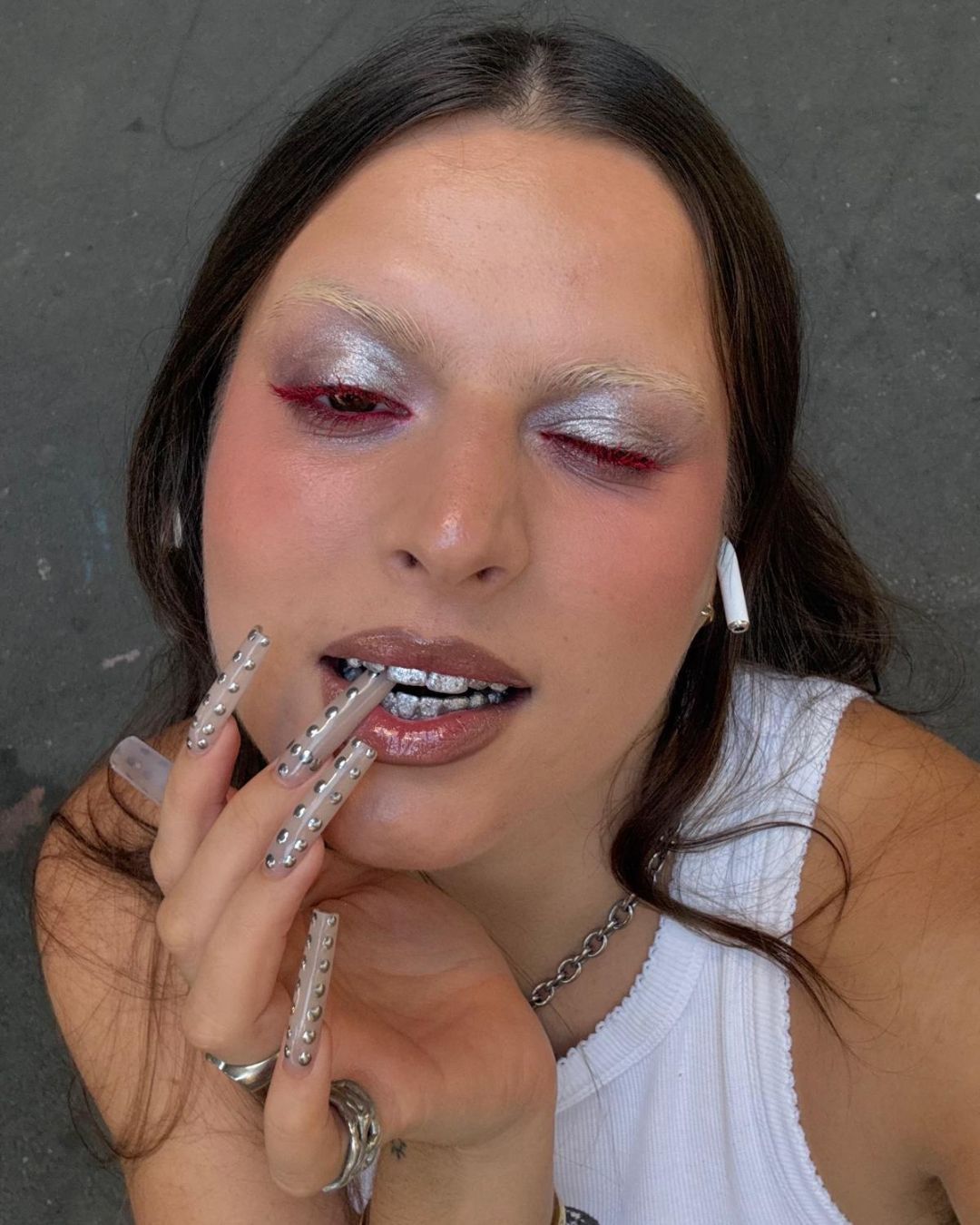
How many times have you come across a social media video where a beauty creator proudly shows their “real” skin? There’s mild acne on the chin, a bit on the cheeks, but perfect lighting and three hundred thousand likes. In the comments, someone calls her brave, while a link in her bio leads straight to the serum she uses. This is 2026 in a nutshell, or at least according to what circulates online: taking care of your skin would be a political act, and showing yourself without filters would be feminism. It’s a beautiful story. It’s also a story that works extremely well for whoever produces that skincare.
Everything is political, even beauty
The roots of self-care
@najmasuldann Ep 1: Decentering Capitalist Self-Care | Dive Deep Therapy Series. #fyp #mentalhealth #selfcare #radicalselfcare #resistance #activism #protest #blacktherapist #toronto #decolonizeyourmind #communitycare #community original sound - Najma Suldan
Before becoming just another hashtag on TikTok, self-care had a much more radical meaning. As Aisha Harris explains in this Slate article, the term originally emerged in the medical field in the 1950s to describe practices through which patients could manage their own health autonomously. But it was between the 1960s and 1970s, with feminist, queer and civil rights movements, that self-care took on a fully political dimension. For many women, queer people and Black communities, taking care of oneself meant surviving racist, sexist and deeply exclusionary healthcare systems. Feminist health movements, for example, emerged from the need to reclaim their bodies and medical knowledge in response to institutions that often treated women’s bodies as something to control rather than understand. Movements like the Black Panther Party also framed self-care as political. For many Black American communities, caring for physical and mental health was a form of resistance against a system that frequently excluded or neglected them. In this context comes one of the most famous quotes on self-care, written by Audre Lorde in 1988: “Caring for myself is not self-indulgence, it is self-preservation, and that is an act of political warfare.” A very different idea from today’s version of self-care, often tied to consumption and aesthetics. The issue is that in recent years this idea has progressively shifted. What once was a practice of collective survival has become a multibillion-dollar market of performative routines and products that promise emotional wellbeing through consumption. And this is where the relationship between skincare, feminism and body positivity becomes much more ambiguous: self-care can still be authentic, but today it exists within a system that constantly monetizes the very idea of wellbeing.
The relationship between body positivity and skin positivity
@malini.sm Replying to @Bam i have so many more thoughts!! really love speaking about this though <3 also just to preface i obviously still adhere to many of these beauty standards and wear makeup on a regular basis. Resistance doesnt need to be perfect, it’s often very personal and for me that looks like balancing my political views with my real love of makeup!! It’s all about making mindful choices really! #accutane #politics #feminism #beauty #hottake #girlssupportgirls original sound - Malini SM
For centuries, women have been told how to look, how much to weigh, how to age, and what to fix. In this context, taking care of your skin not to be “right” for someone else, but simply because it feels good (without chasing standards or needing justification) becomes something more than vanity. Body positivity, at least at the beginning, was about exactly this: existing without constantly having to correct yourself. When these two worlds merged, body acceptance and skincare, there was a logic to it: showing real skin, normalizing acne, stopping the pursuit of perfection. But then marketing arrived and did what it does best: it took an idea, stripped it, and sold it back. The “real skin” circulating online almost always follows very specific aesthetics. It is real, yes, but with the right lighting, the right framing, even tone and curated context. Acne is accepted, but only if it is photogenic. Texture is fine, as long as it is paired with a routine that “fixes” it. As Silvia Granziero also writes in a The Vision article on the political meaning of care, the real risk is that care itself becomes performance, with the opposite effect of what was intended. In practice, skin positivity has created a new version of “perfect” that includes selected imperfections, while still selling you the products to achieve it. Only now it is called naturalness instead of perfection, which makes it much harder to question.
Your face is constantly updating, like an iPhone
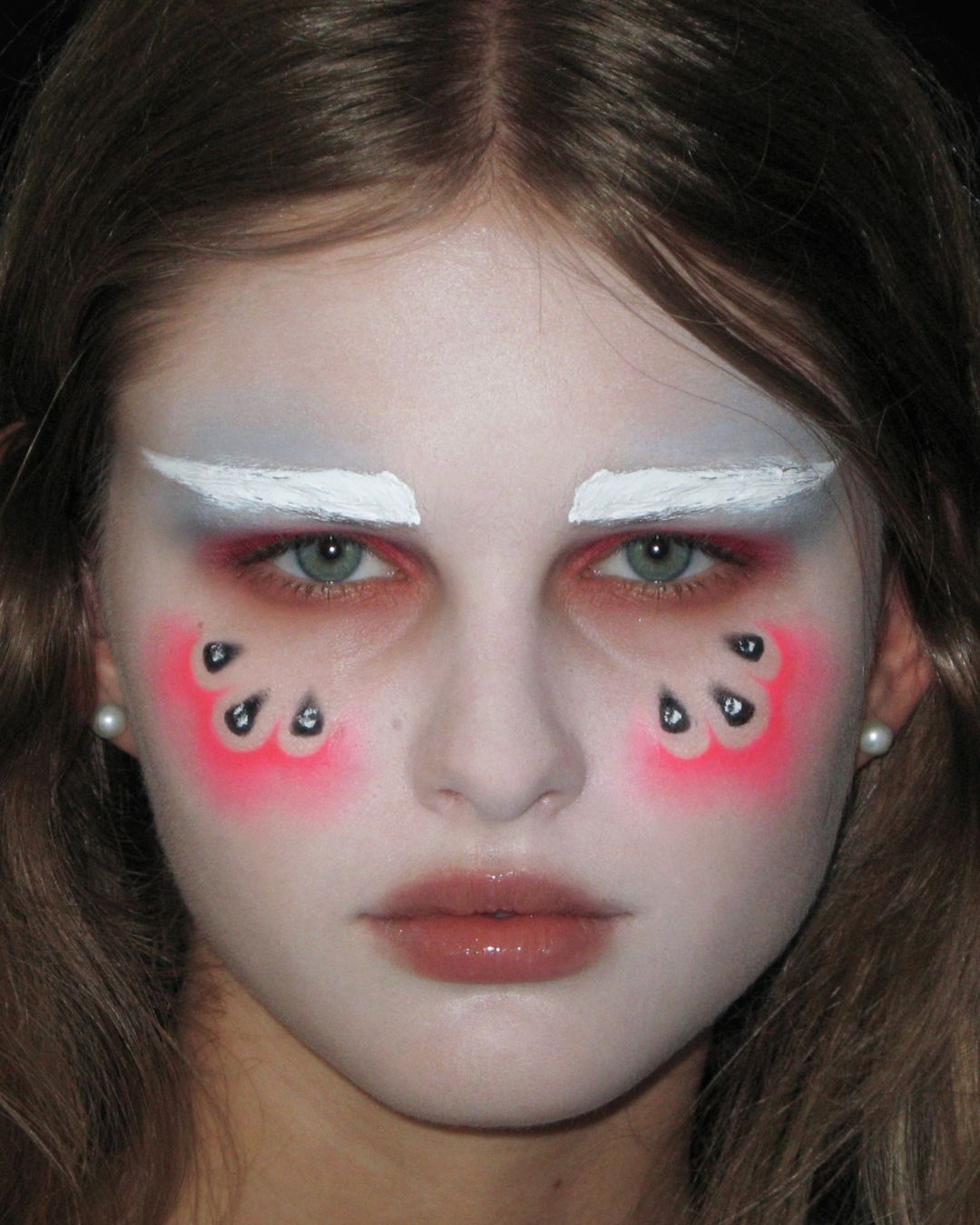
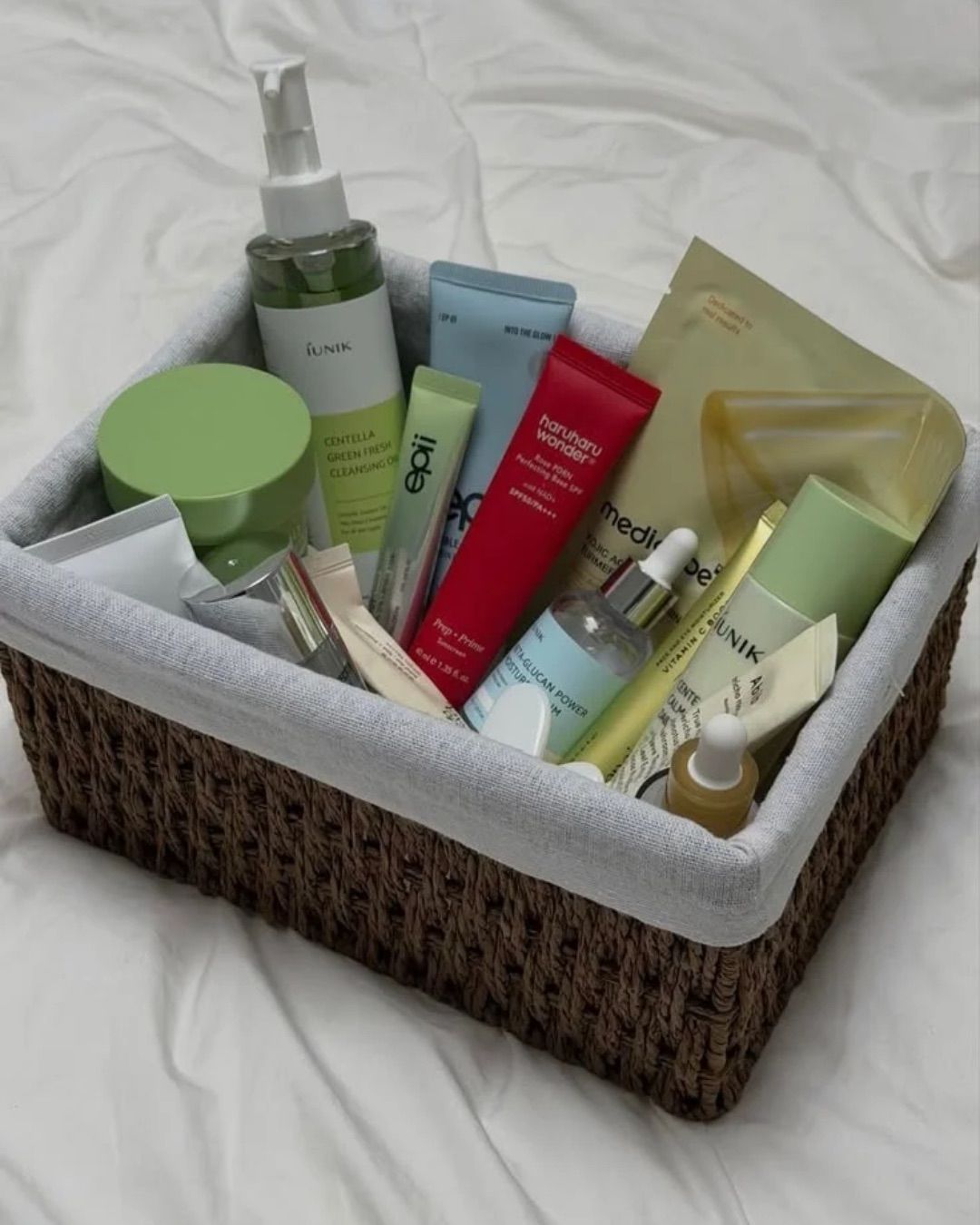
In 2026, the pressure is no longer just to be beautiful, but to be updated. Skin cycling, barrier repair, glass skin, then glazed skin, matte skin, AI skin analysis that gives your pores a score like a report card. Trends change every three weeks and there is always something you are doing wrong, something to fix, something new to buy to keep up. It is a form of obsolescence applied to the face. And the most insidious part is that it also affects those who have already made peace with their skin. Because it convinces you that you are not using the right products, that your routine is not effective enough. And so even self-care, which should be your space, becomes yet another thing you have to do “correctly.”
So what actually makes skincare political?
Skincare becomes political not when it performs constant optimisation of the face. It happens when it is no longer a response to a standard, a trend, or an idea of skin to achieve. When it is not a way to update, correct or improve yourself, but simply a gesture that does not need to produce anything other than making you feel good.
What to read next
The Manual Lift RT Method is the new pre-makeup routine you need to know about
Rosalia Tuttobene's customized treatment focuses on contours, tension, and texture to create a more relaxed face that's ready for makeup
Rose PDRN is the beauty ingredient of the moment
For repairing the skin, reducing redness and boosting radiance

#ChangeTheCompliment: the Dove e Parole O_Stiles initiative that invites us to change the way we compliment little girls
We are not only 'beautiful', but creative, courageous, intelligent and much more, we just don't hear it very often