









It's going to be a go-go girl summer Despite the general outrage
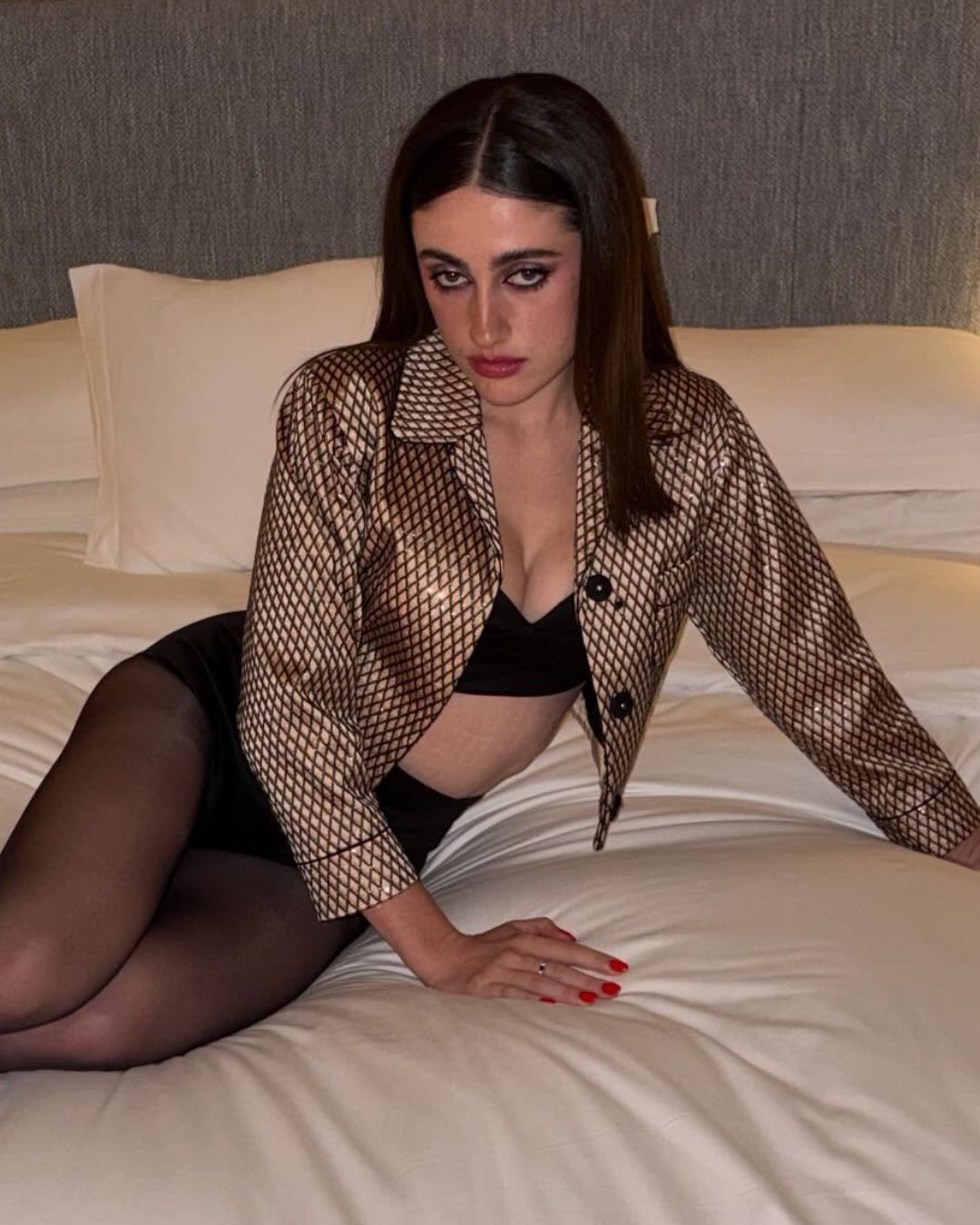
We never imagined that a babydoll dress would spark so much debate in 2026. Yet pop star Olivia Rodrigo - who wore one at Spotify’s Billions Club event - was flooded with criticism, ranging from claims about the sexualization of a childlike garment to accusations of promoting pedophilia. It hardly needs to be said that this wave of outrage says far more about those expressing it than about the actual meaning of the outfit itself. As Cyndi Lauper sang in 1983, girls just wanna have fun: we want to have fun, and we can do that through the clothes we choose to wear.
The Sixties aesthetic in contemporary pop music
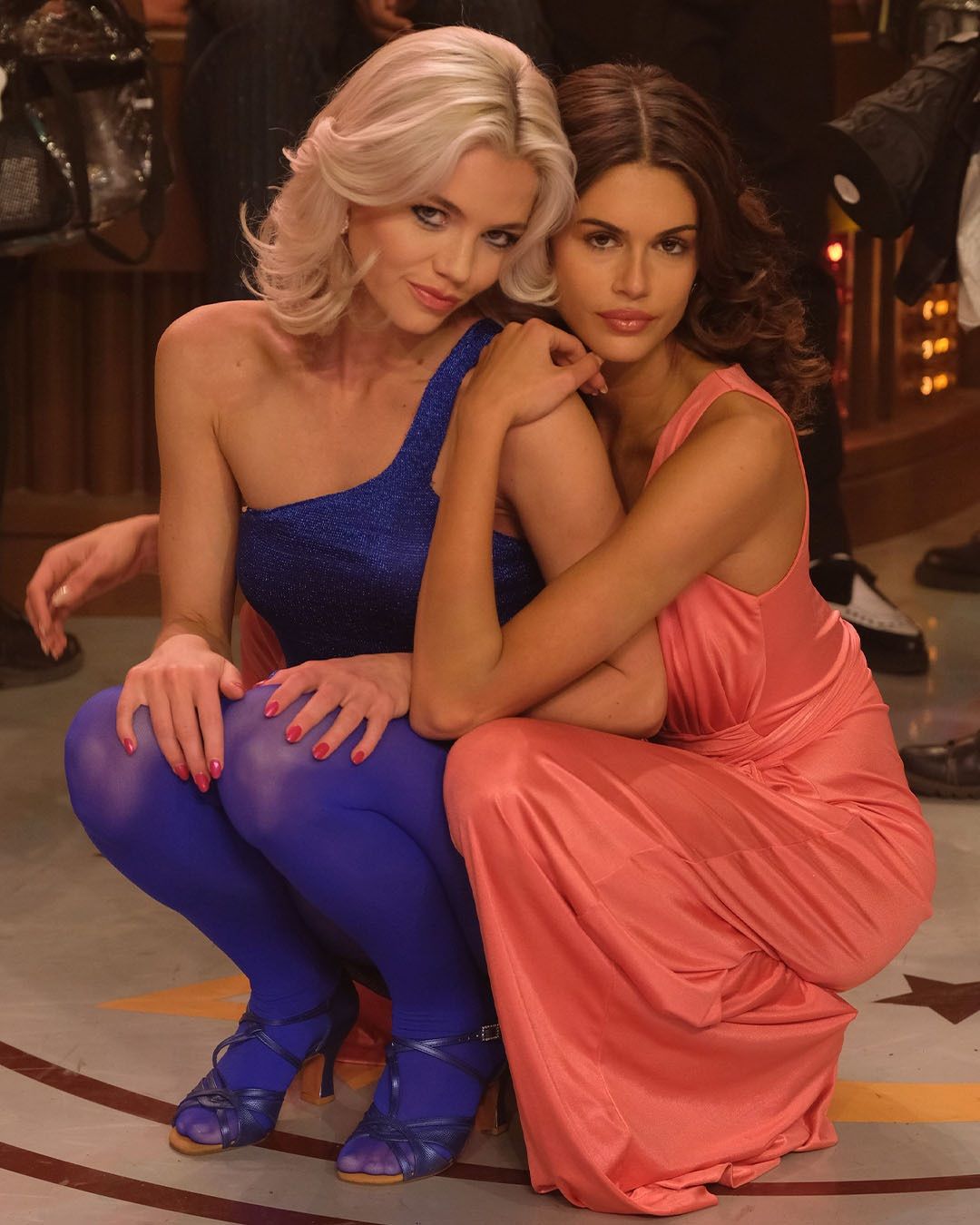
And so, for Summer 2026, babydoll dresses and colorful shift dresses are making a comeback, alongside Mary Janes, platform shoes, polka-dot scarves, and headbands. This distinctly Sixties-inspired aesthetic is hardly new: in the pop world, alongside Olivia Rodrigo, Sabrina Carpenter has become one of its most recognizable interpreters. Sparkling mini dresses, lingerie dressing, towering platforms, voluminous hair, and doll-inspired makeup all contribute to her hyper-feminine aesthetic, one that seems to look directly toward Swinging London. Even when the references are less explicit, the visual language remains the same: short silhouettes, playful details, and a deliberately theatrical femininity. Not a discreet or sophisticated sensuality, but something openly constructed, almost caricatured in its artificiality. And perhaps that is precisely why her image resonates so strongly today.
Go-go girls: from the 1960s to today
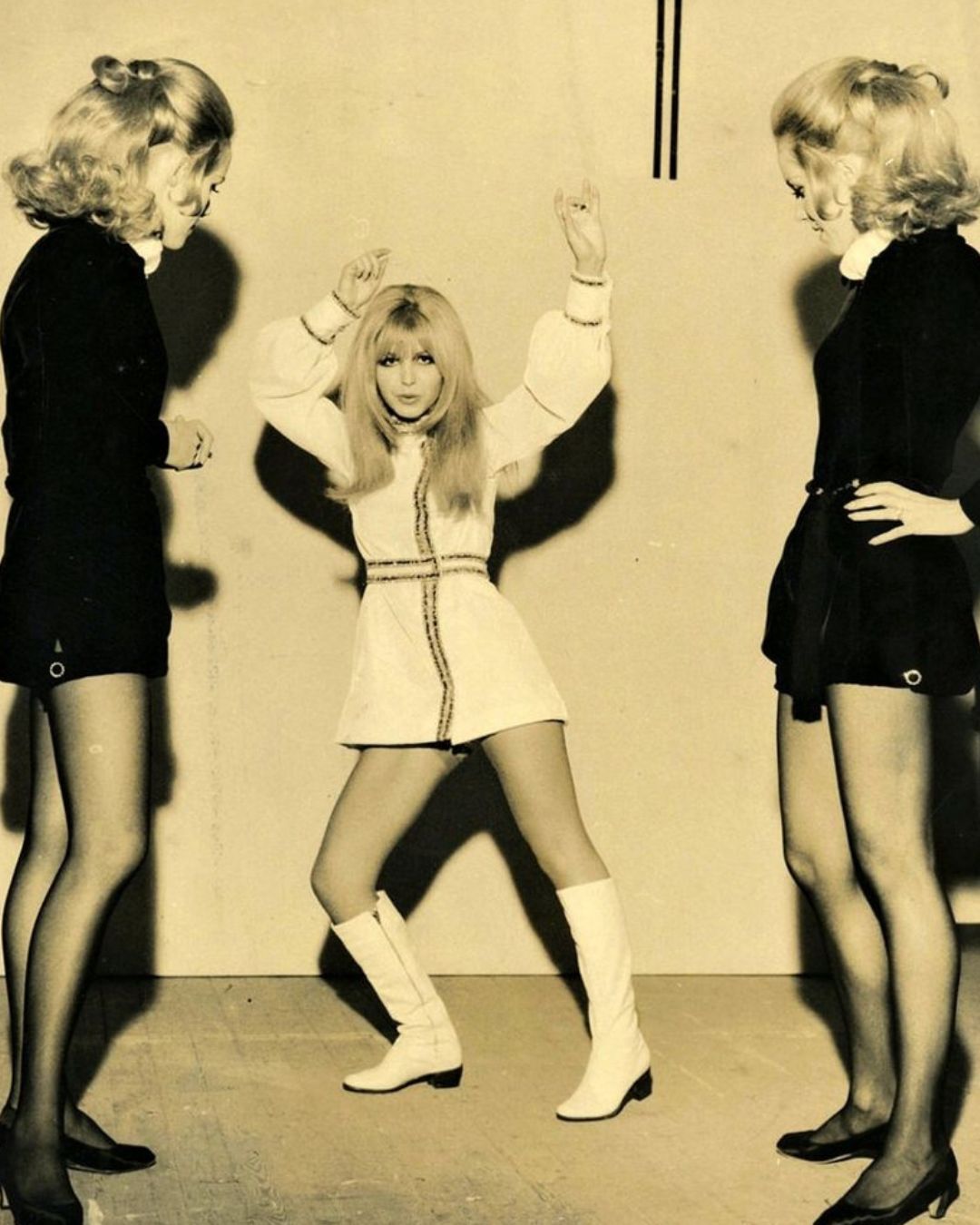
The go-go girl aesthetic emerged in the clubs of the 1960s, between Paris, New York, and Los Angeles, at a time when youth fashion was finally breaking free from the more rigid codes of the past. Mary Quant’s miniskirt, Courrèges’ space-age looks, and Twiggy’s graphic eye makeup all helped create a new, freer, more dynamic, and pop-inspired feminine ideal. Go-go girls - originally the women dancing in clubs - became symbols of a youth culture eager to be seen, claim its space, and have fun. Sixty years later, that aesthetic returns to remind us that yes, we are still free to dress however we want. Even when that means playing a character through makeup and silhouette. And if the era of the clean girl or the girlboss seems to be nearing its end, this summer we all want to be a little more like go-go girls.
How to wear the Sixties-inspired trend in 2026
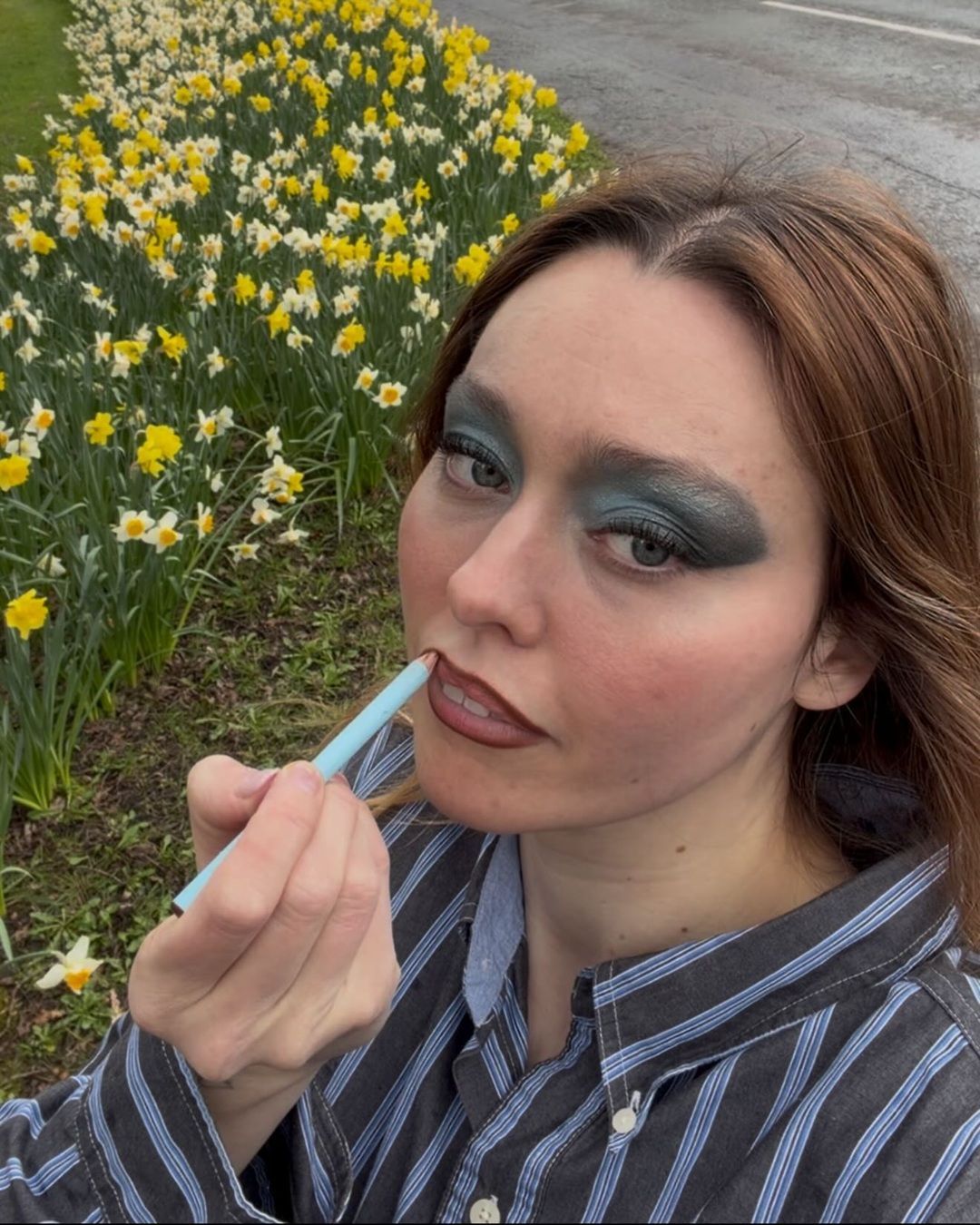
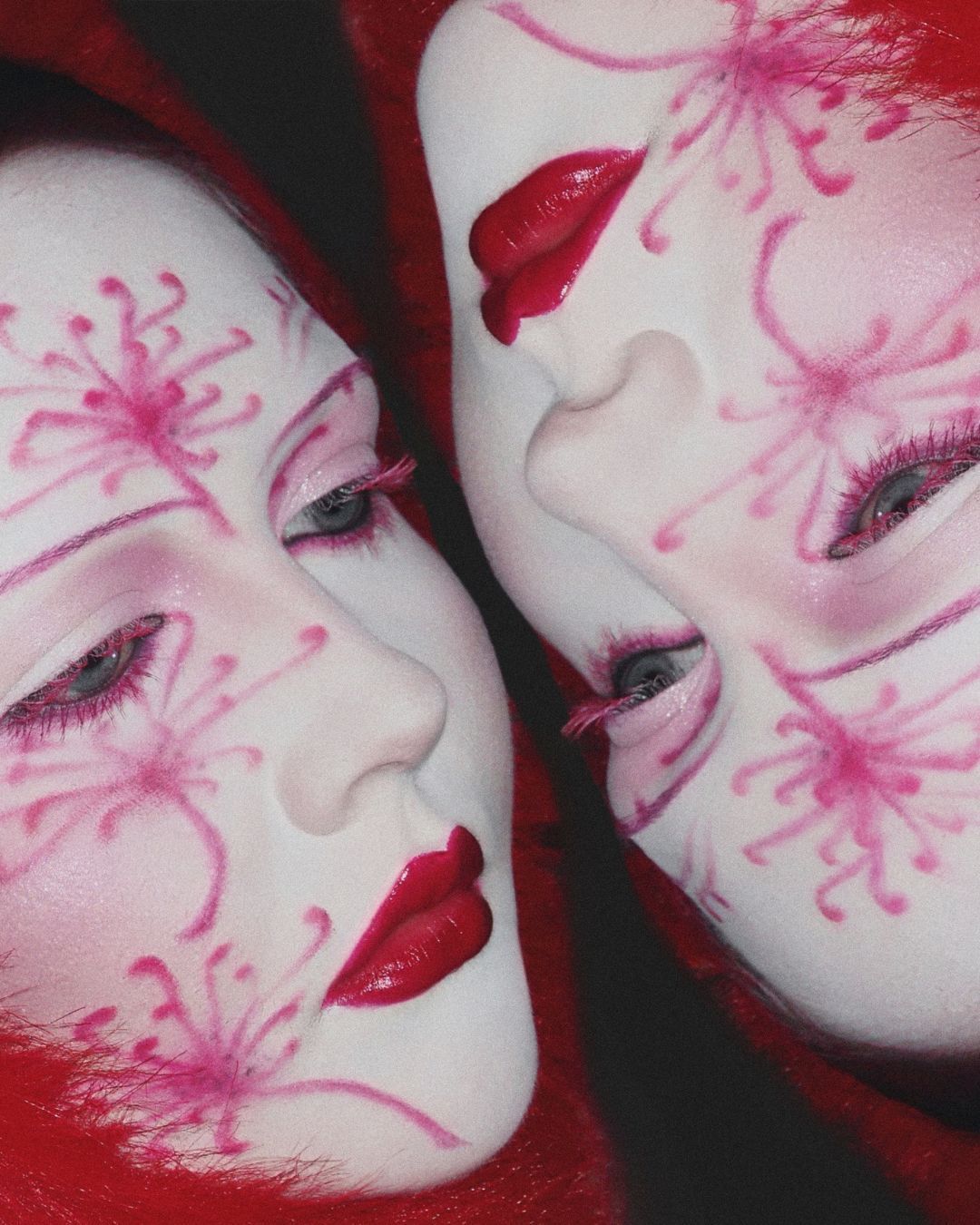
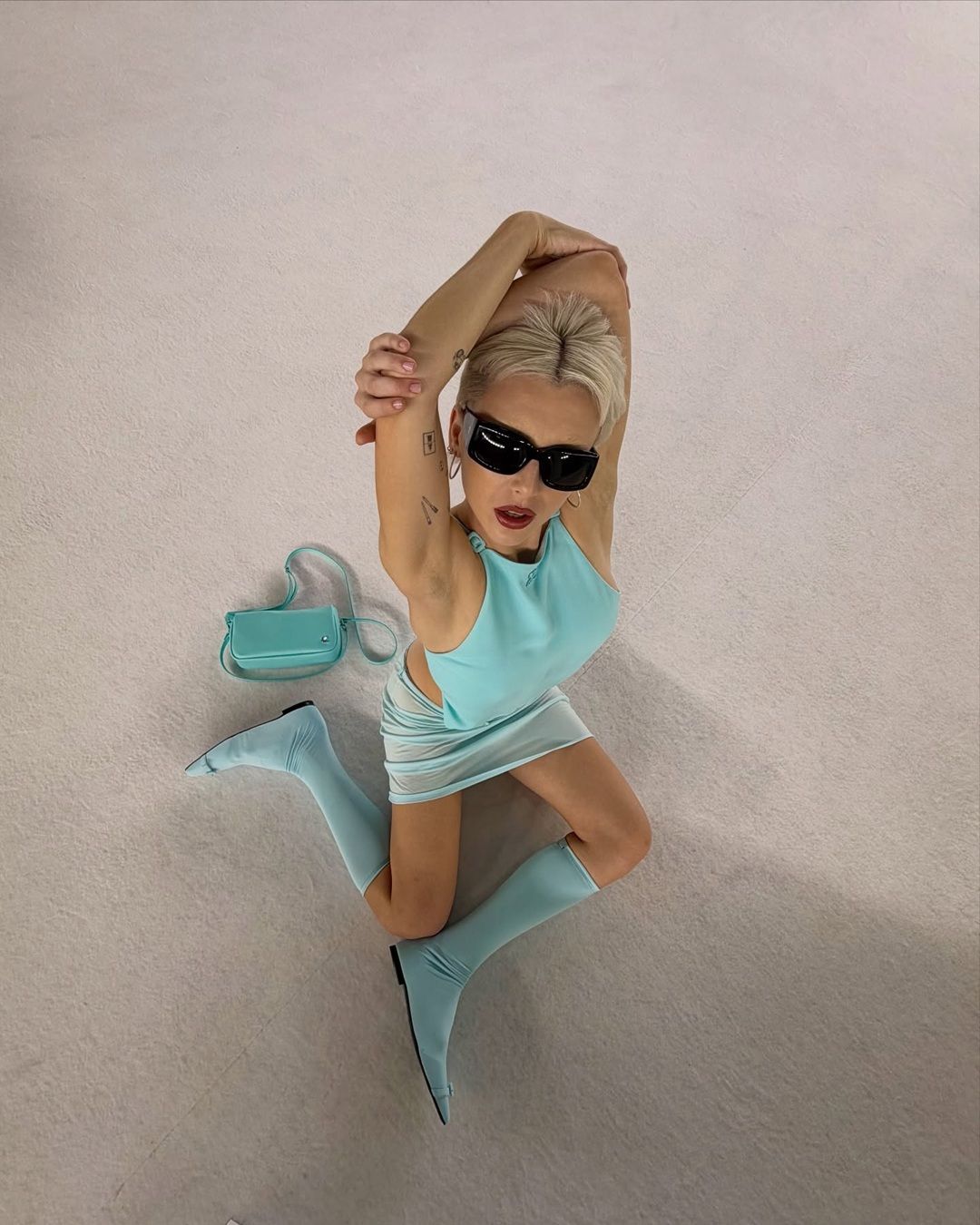
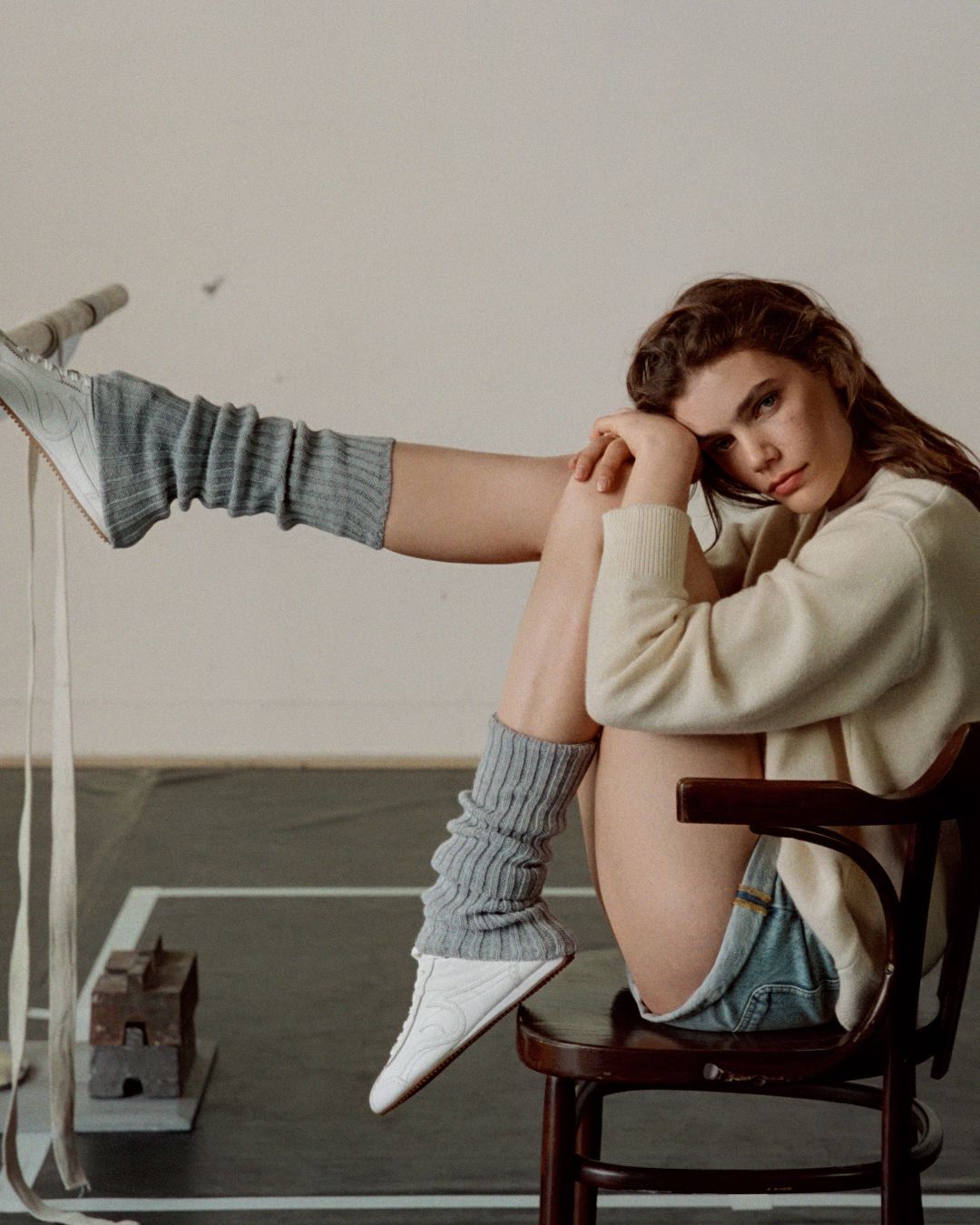
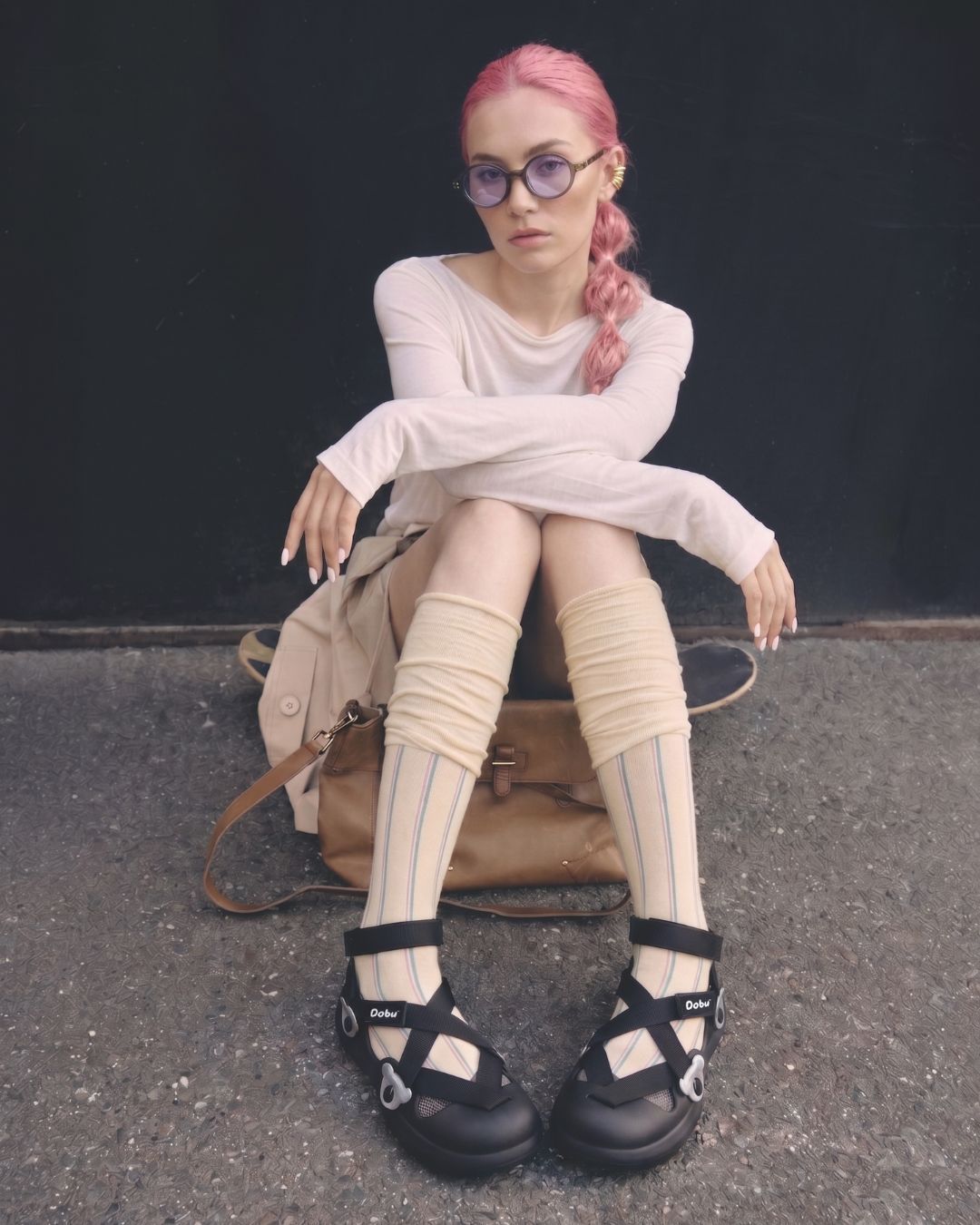
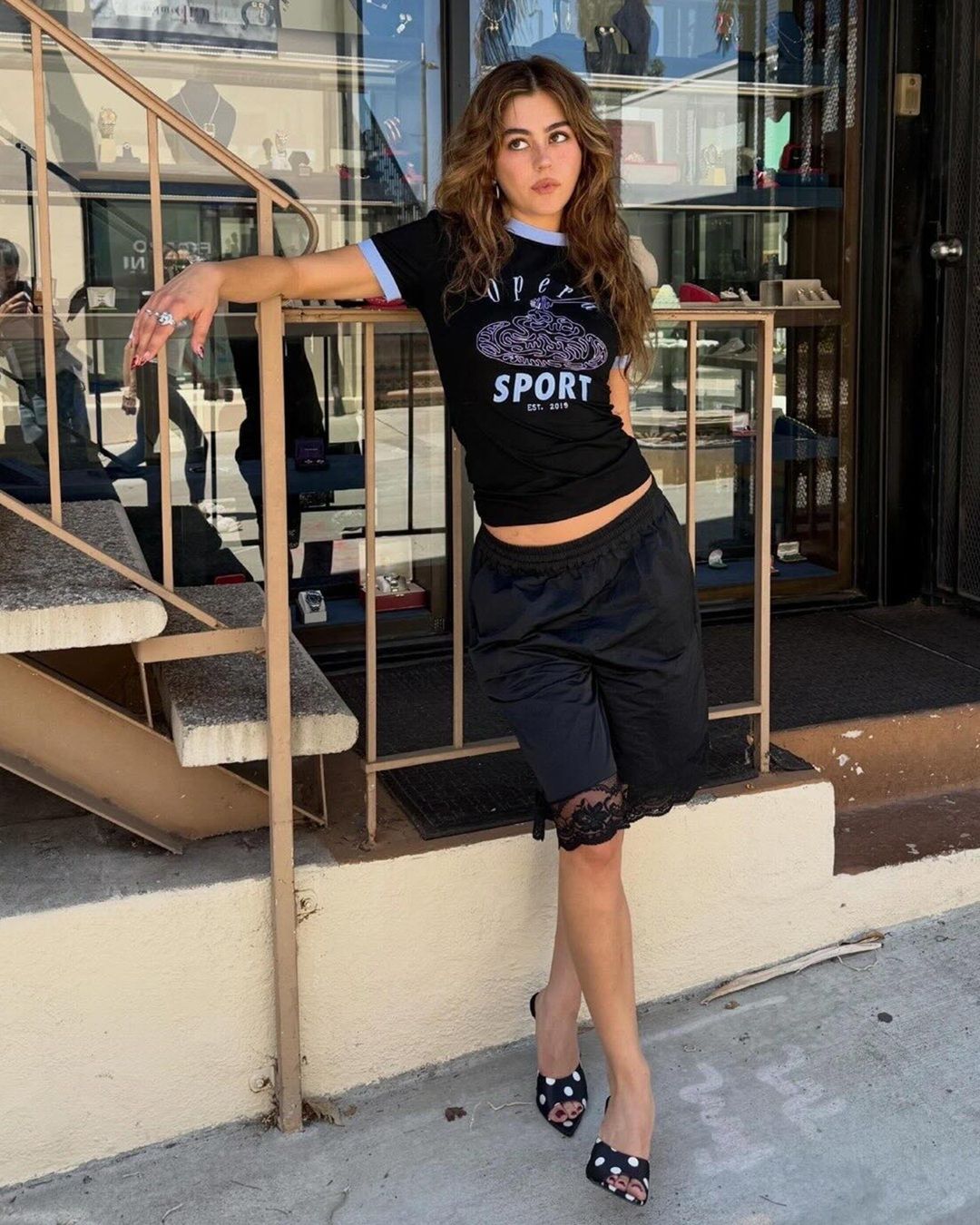
How? By embracing the most pop and stereotypical version of the 1960s. The key pieces are shift mini dresses, preferably in bold solid colors such as optic white, lacquer red, bubblegum pink, or graphic black. Optical prints, polka dots, glossy PVC, and geometric silhouettes inspired by the decade’s space-age fashion work just as well. On your feet, the iconic knee-high white go-go boots are back, alongside Mary Jane flats, kitten heels, and retro platforms. Beauty and hairstyling are part of the character too: bold eyeliner, doll-like false lashes, highly visible pink blush, and voluminous hair with flipped-out ends. The goal is not to faithfully recreate the 1960s, but to play with a stereotype and make it feel contemporary. Women in pop culture are doing this perfectly, and the outrage visible in the comments surrounding them only confirms their success. This playfully flirtatious return to the Sixties imagination reminds us once again that everything, in fashion as in pop culture, is destined to come back. In an era where everything is condensed into aesthetics designed to be consumed for the lifespan of a trend, we can look to the past and find new ways of being ourselves.
