







Do we still have personal taste? The risks of the social bubble and 'tasteslop'
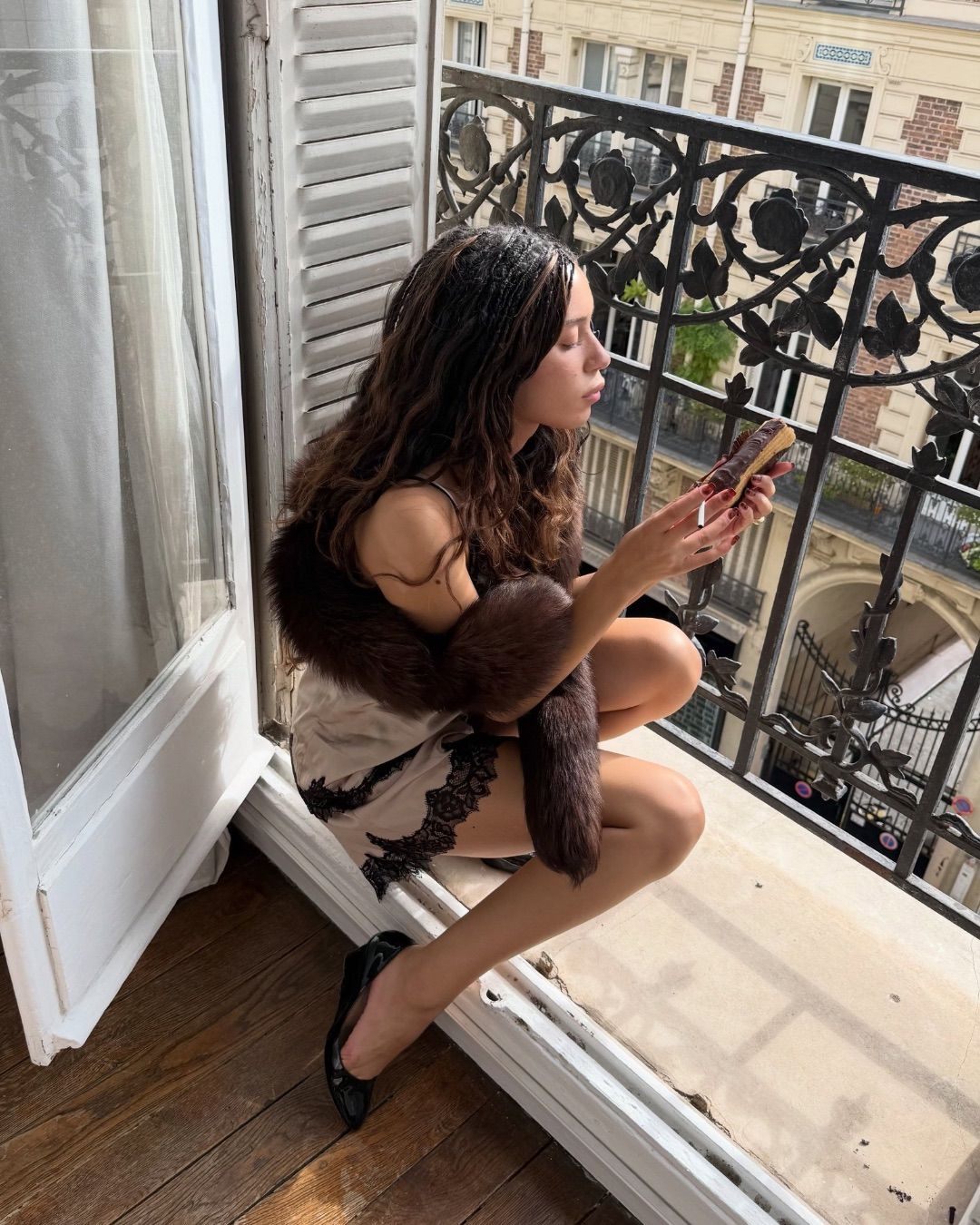
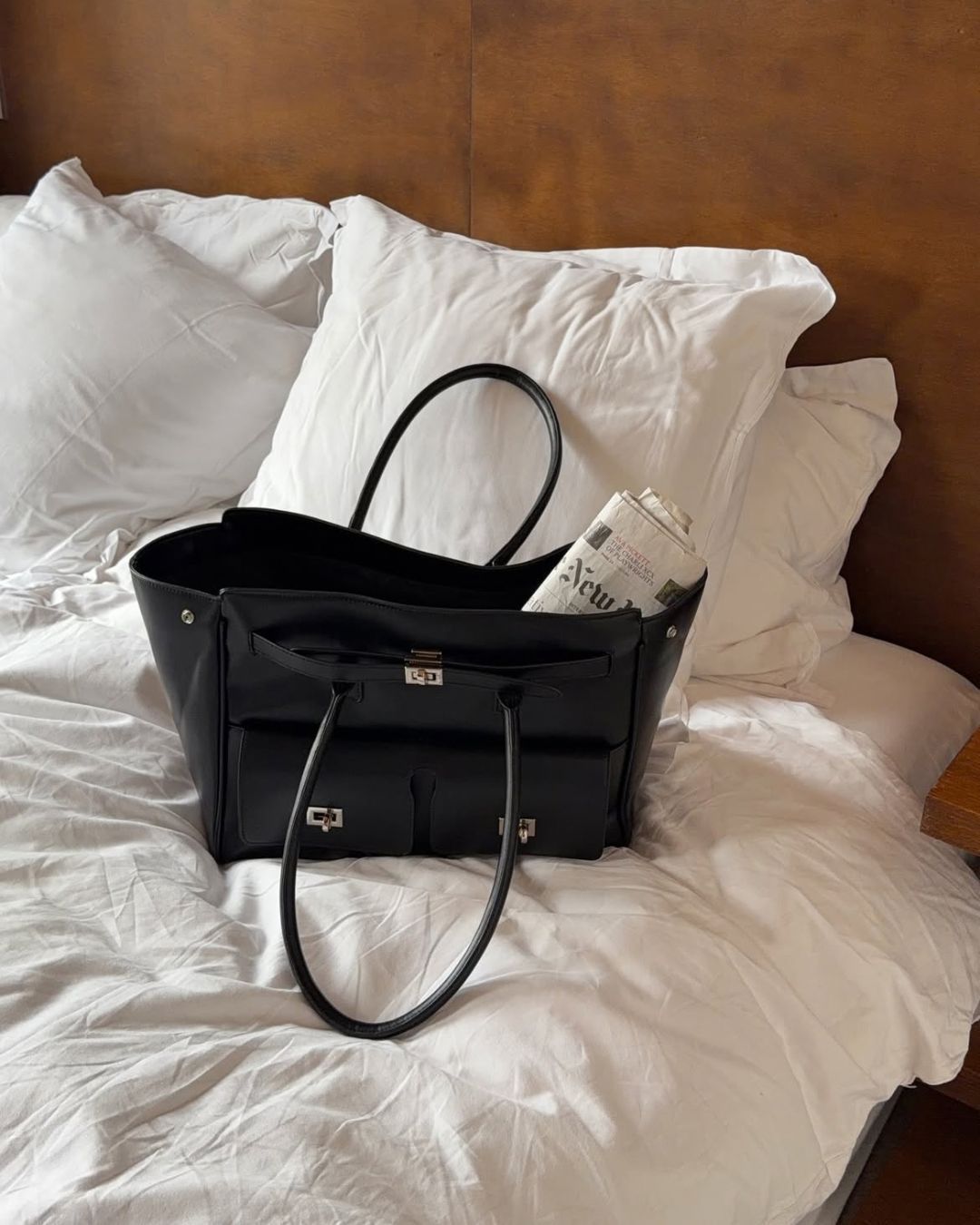
There was a moment - after the cheerful kaleidoscope of the three decades leading up to the nineties - when neutral-colored houses looked elegant. Then they became a standard. It has also happened to the coffee table books, the Tabi shoes by Maison Margiela, the travertine tables, the canvas bags and the designer chandeliers. All objects that, separately, told something about those who had chosen them, but that today all seem to belong to the same indefinite person. The more they are replicated, the less they are able to communicate something truly personal. Emily Segal, trend forecaster and founder of the consulting firm Nemesis Global, has given this phenomenon a name: tasteslop. Literally, mash of taste.
What is tasteslop
The expression is inspired by a moodboard generated by AI as an example of “good taste”, with a meaning that obviously has to do with what is unique: we find a Rimowa trolley, a designer kettle with a thin neck, a book by Dieter Rams, an Aesop hand soap. All these elements are extracted from the context that made them significant and potentially infinitely recombined: apparently they seem refined and cared for, in reality they lack substance. Also because, as Segal writes, “taste is not an intrinsic property of individual objects. Rather, it's a socially validated relationship between objects, people, stories, scenes, and timing.” The tasteslop was born just when this relationship breaks down, and only its symbols remain. A mechanism that is not new, but one that has been amplified by social media as well as by AI, or rather by the way in which social media were conceived. In fact, algorithms tend to reward what is already recognizable, while experimentation requires time, investments and a certain willingness to risk. The result is an ecosystem in which images circulate at a speed never seen before, but more and more often they all seem to be generated by the same visual grammar.
The shared spaces of taste
In the meantime, the models we looked to for inspiration for a long time have also changed profoundly. For decades magazines such as Vogue, Harper's Bazaar or i-D have represented places of experimentation, where photographers, stylists and creative directors could build imaginaries destined to influence visual culture far beyond the world of fashion. Today, that system has changed profoundly. A growing part of investments is focused on content distribution and the creator economy, prioritizing images that work well on platforms over productions designed to surprise, divide or open new paths. It is difficult to determine if taste has really become a simulacrum of itself; it is easier to observe how the shared spaces in which it could take shape have been reduced.
Can artificial intelligence be trained in good taste?
But what does it mean to have good taste? For Segal, exercising three different skills: the first is discernment, that is, knowing how to argue why something works better than something else. The second is knowing how to recognize cultural references and to grasp when an aesthetic is really introducing something new. The third is a profoundly personal component that makes taste difficult to imitate (what English speakers call idiosyncrasy). Without a doubt, these are all qualities that are poorly reconciled with a logic made of repeatable patterns. It's no surprise then that some companies are trying to transform taste into a trainable model. This is the case of Taste Labs, a startup that promises to teach artificial intelligence to recognize what human beings consider to be 'in good taste'. It is an idea that seems to collide with the very definition proposed by Segal. If taste comes from the relationships between objects, people, stories and contexts, can it really be reduced to a set of data? You'd have to say no. Artificial intelligence can learn to recognize the aesthetic codes that we associate with a certain imaginary, but it continues to confuse the symbol with its meaning. She is very good, writes Segal, at 'identifying the distinctive signs of taste', but 'terrible at understanding when these have lost meaning or what should replace them for something to be truly innovative'. For this reason, he adds, “technology's growing obsession with taste is not about aesthetics, but reflects a deep anxiety about the ability of economic capital to seize cultural capital.”
The antidote to tasteslop
The antidote to tasteslop, therefore, is not to buy the right items, but to train your eyes. Attend exhibitions, read, discuss ideas far from your own, enter a thrift store without looking for a specific garment, letting curiosity count more than the algorithm. Taste today is not - and perhaps never will be - a checklist. It's a practice. And perhaps the most pressing question today is not whether we still have good taste, but whether the cultural, economic and creative conditions still exist for something to be born that tomorrow we will recognize as such.
What to read next
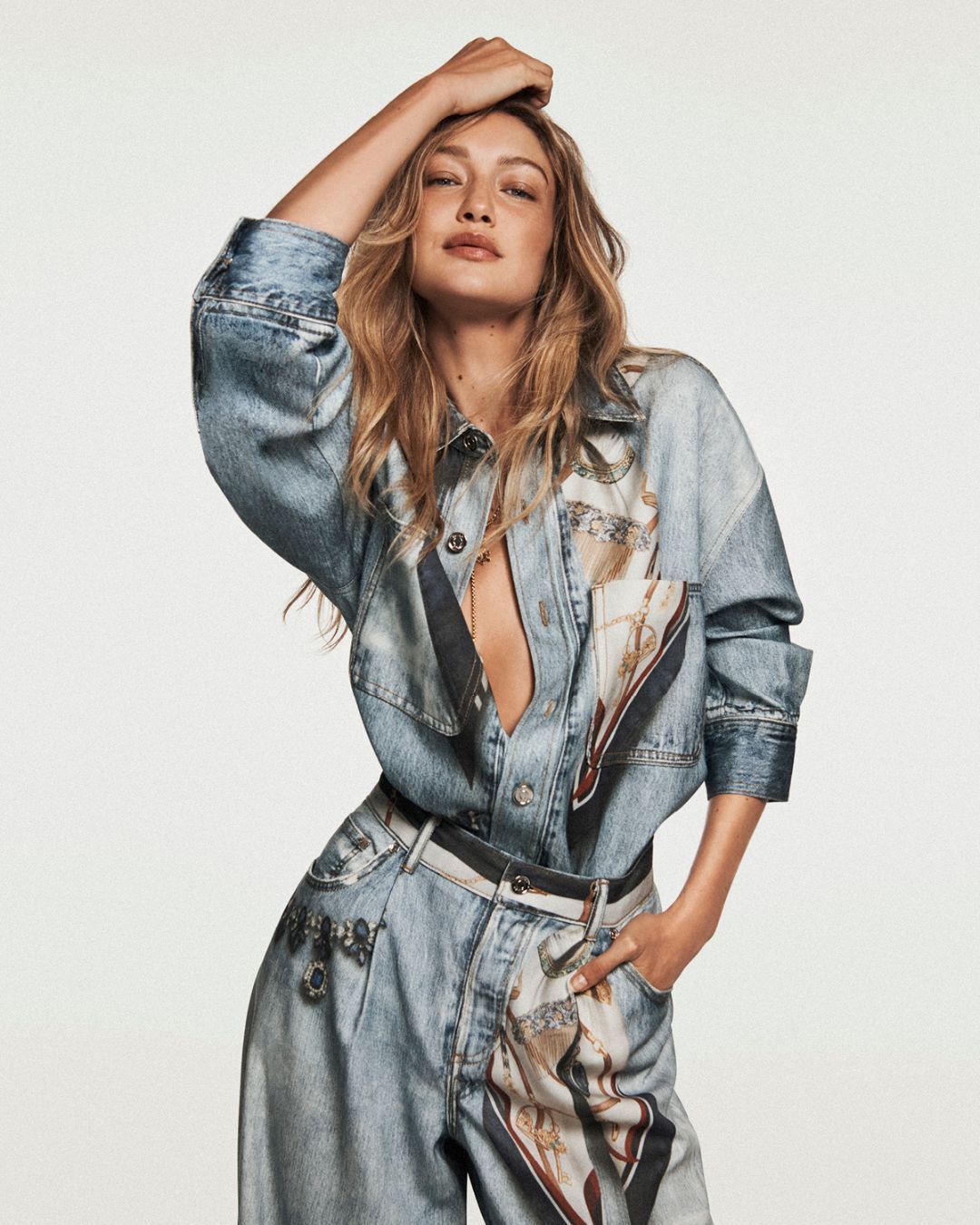
Liu Jo presents “The Gigi Hadid Edit”
The project that transforms selection into an identity gesture
Real baddies have found their favorite activewear brand
It's called SWT, it comes from Australia and it has just launched a new capsule collection