



























“We start where the speed stops” Interview with Gaia Rialti, founder of Menabòh, Italian archive redesign studio
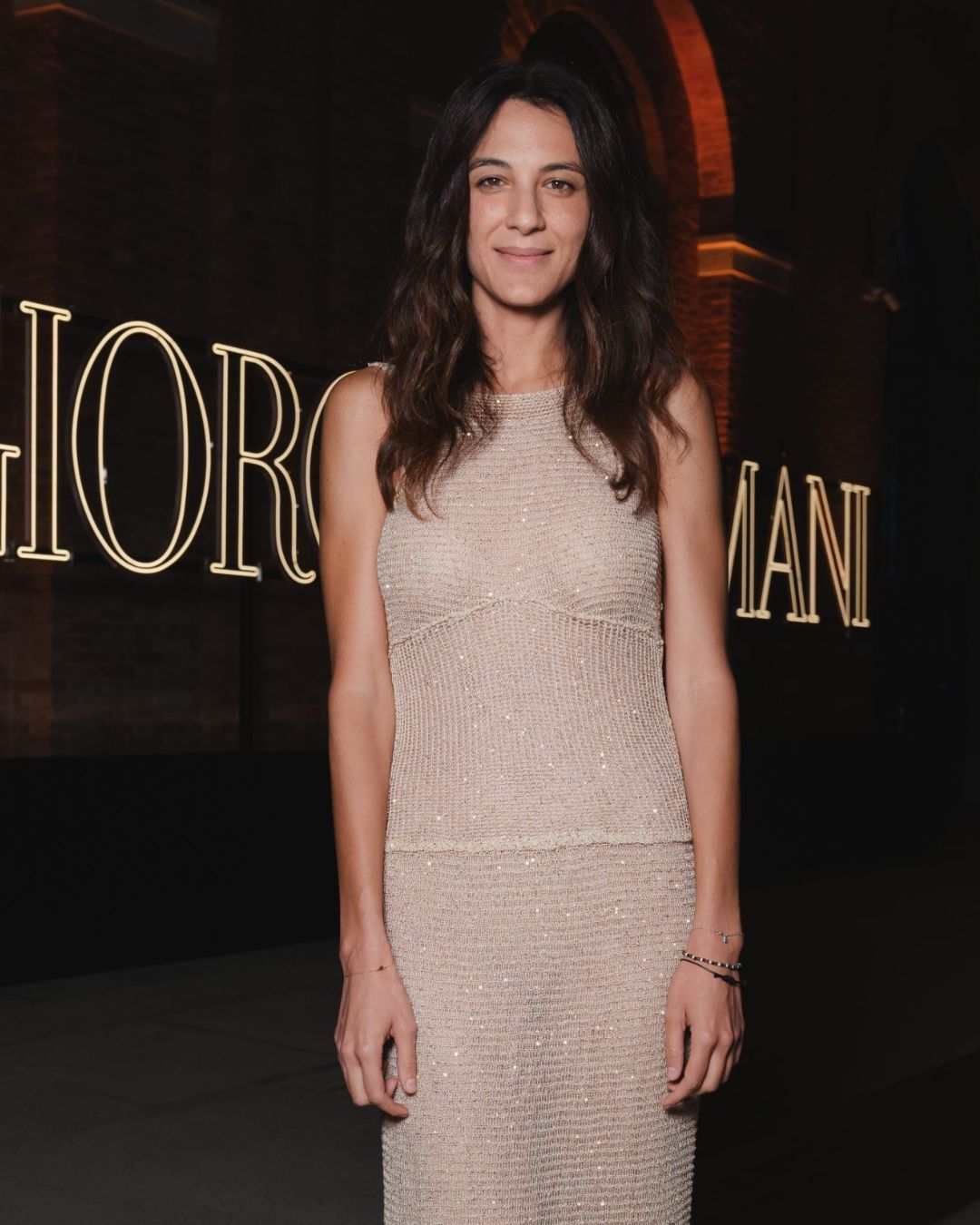
“I am the founder of Menabòh, an Italian archive redesign studio. Before founding Menabòh, I graduated in Business Administration and I obtained a master's degree in Fashion Brand Management at Polimoda. I worked for years in fashion and beauty: first in Ferragamo, then in the L'Oréal Group, between YSL Beauté, Biotherm and Helena Rubinstein, building a solid base in brand strategy, marketing and trade marketing” this is how our conversation with Gaia Rialti begins, who has devised a different and personalized way of managing her clothing archive, reinventing it.
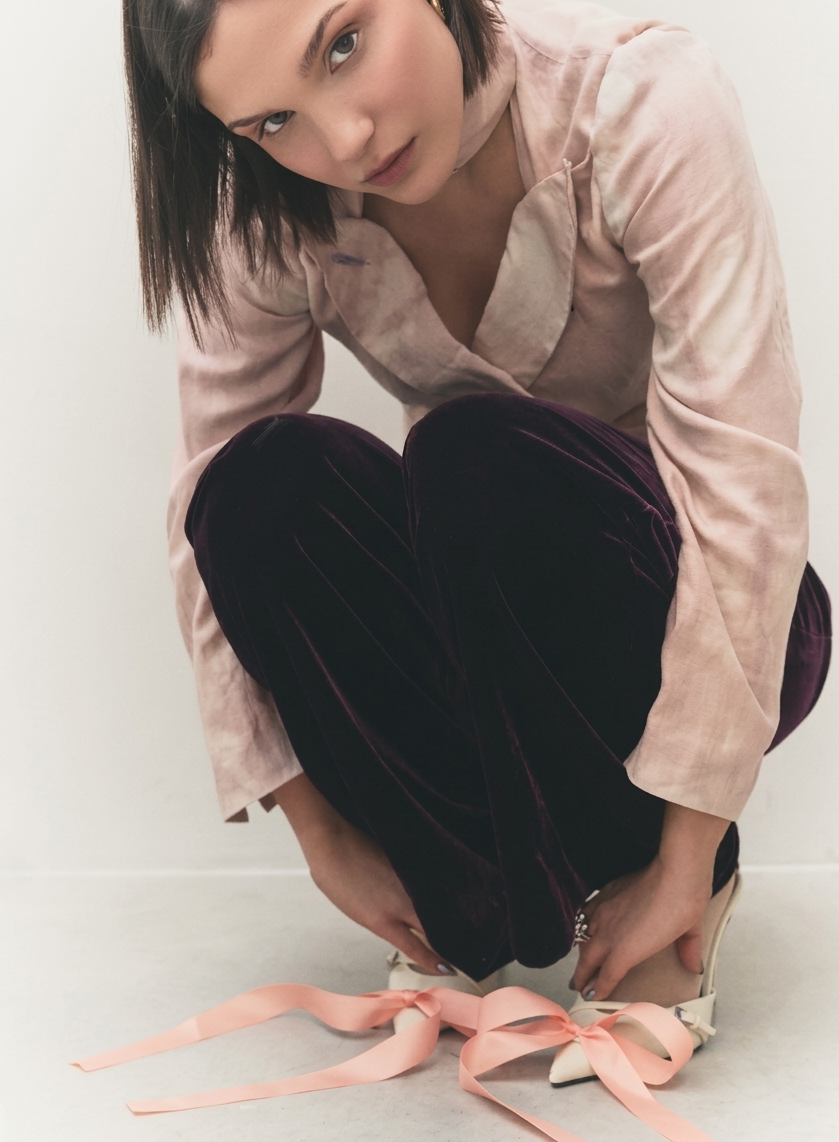
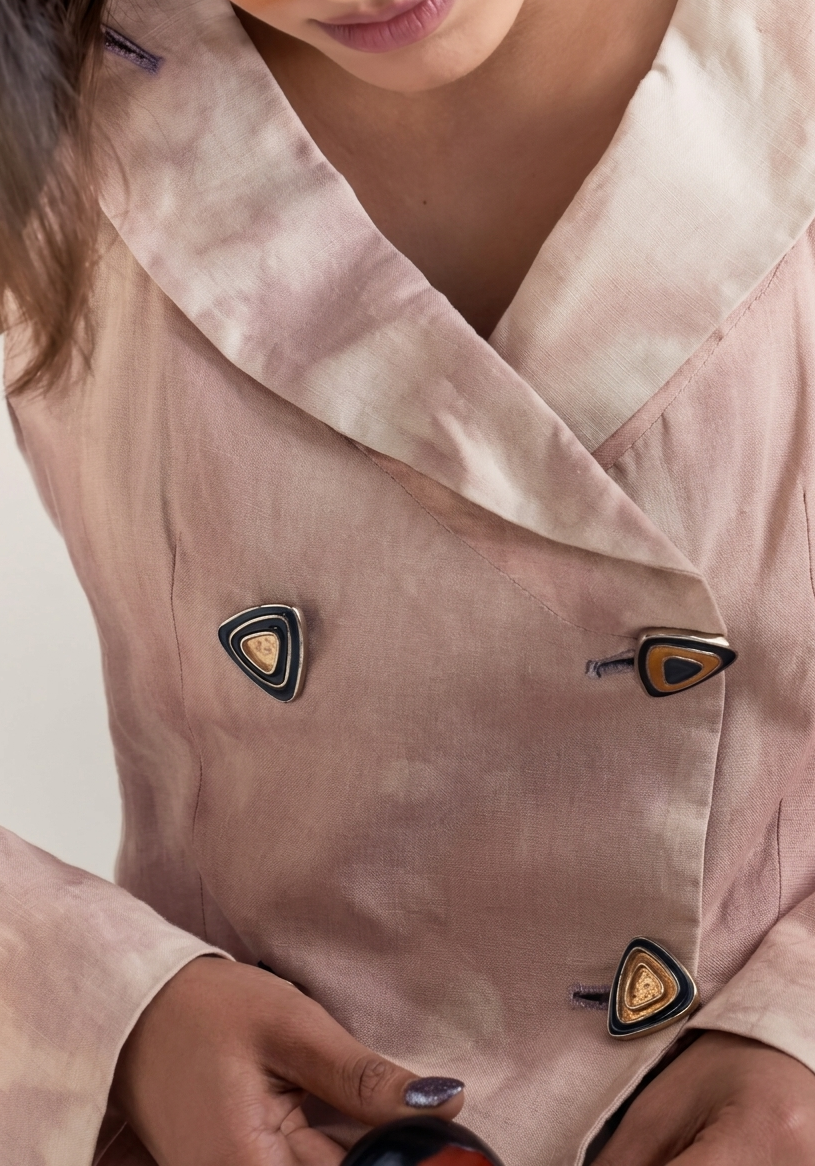
“Menabòh was born from my desire to undertake an entrepreneurial path and from a very personal gesture: I had designer friends redesign a garment from my mother's archive, and from that moment on I understood that that practice could become something bigger. What started out as an intimate necessity has transformed into a wider vision: an Italian atelier that redesigns the most significant garments you already own, transforming them into contemporary and one-of-one pieces” simple but revolutionary. And with a nice memory message before it's even reused.
Interview with Gaia Rialti, founder of Menabòh
Menabòh was born from the idea of re-reading the wardrobe as a personal archive: when did you understand that the 'new luxury' was not to create, but to reinterpret what already exists?
Working in fashion and beauty, I saw up close the logic of collections, of launches, of the new-for-strength. And I started to wonder: but where does the real value lie? When I found some items in my mother's archive - beautiful pieces, of a quality that today is almost impossible to find - I felt that there was something unsolved there. Not a problem of style, but a lack of tools: there was no place capable of taking those garments seriously, of treating them as raw material for something new. Luxury, for me, has never been in the price or in the logo. It is rather in the meaning and the deepest meaning is found in what you already have if you know how to evolve it. From that moment on, I stopped looking for the right container and started to find a way to build it.
The project stems from your family archive: how important was that personal moment to define Menabòh's vision?
That was everything: that gesture, redesigning my mother's garment with designer friends instead of buying something new, defined every choice that came later. The creative direction, the type of relationship we want to build with customers, the language we use, even the values we don't want to communicate. Menabòh does not talk about sustainability, recovery or reuse, as the main points. It speaks of beauty, of memory, of identity that evolves. And all this comes directly from that first moment that I experienced in my mom's archive with her. When the starting point is authentic, everything else aligns more easily.
Menabòh was born in Italy but it also develops elsewhere: can you talk about other markets and city?
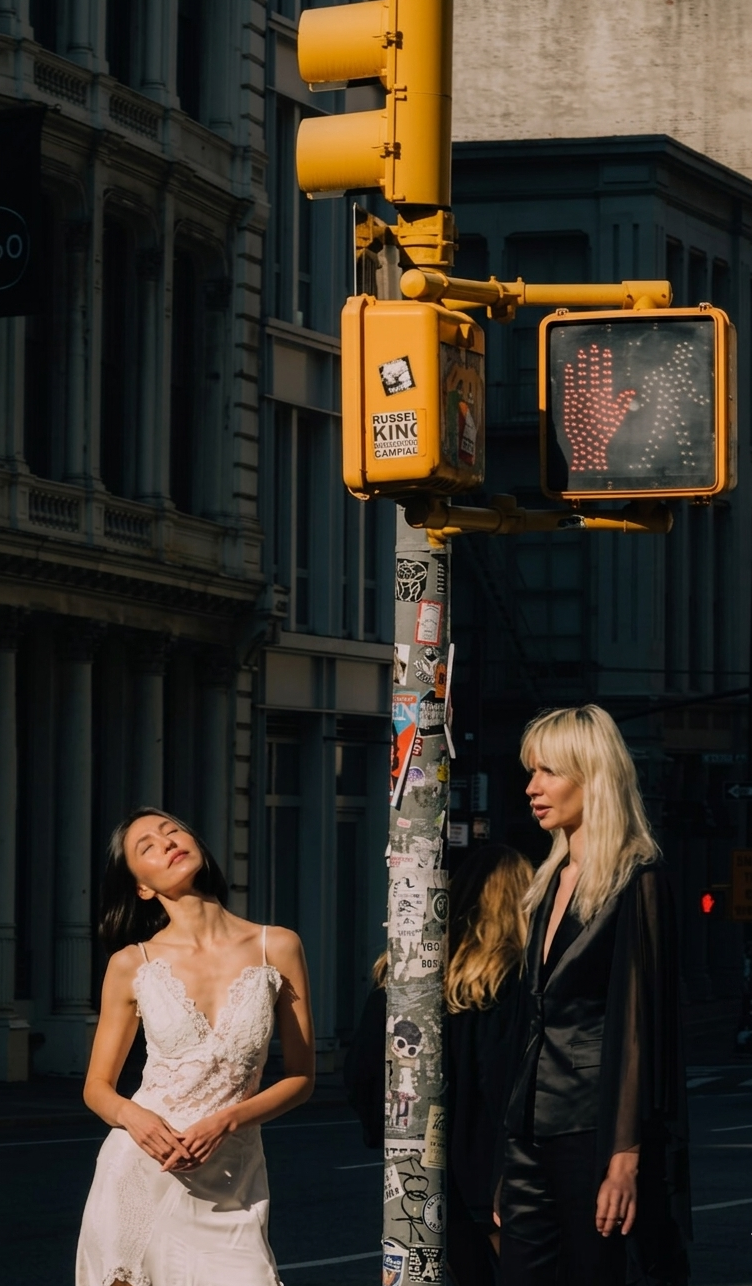
The nearest market we feel right now is London and it is precisely at European level that we are focusing our expansion in 2026. London and New York share a lot: a cultured audience, with a wardrobe built over time, which has already passed the accumulation phase and has moved on to treatment, are two markets that speak to each other, with different nuances. The difference is that London has a more European sensitivity to Italian craftsmanship, to the narrative of the garment and there is an aesthetic alignment that makes the conversation more natural. Today, therefore, we see Italy, London and New York as three complementary markets: Italy for its cultural and manufacturing roots, London for its affinity with our vision and its potential for growth, and New York for that culture of selecting and building a wardrobe with intention that continues to dialogue deeply with our approach.
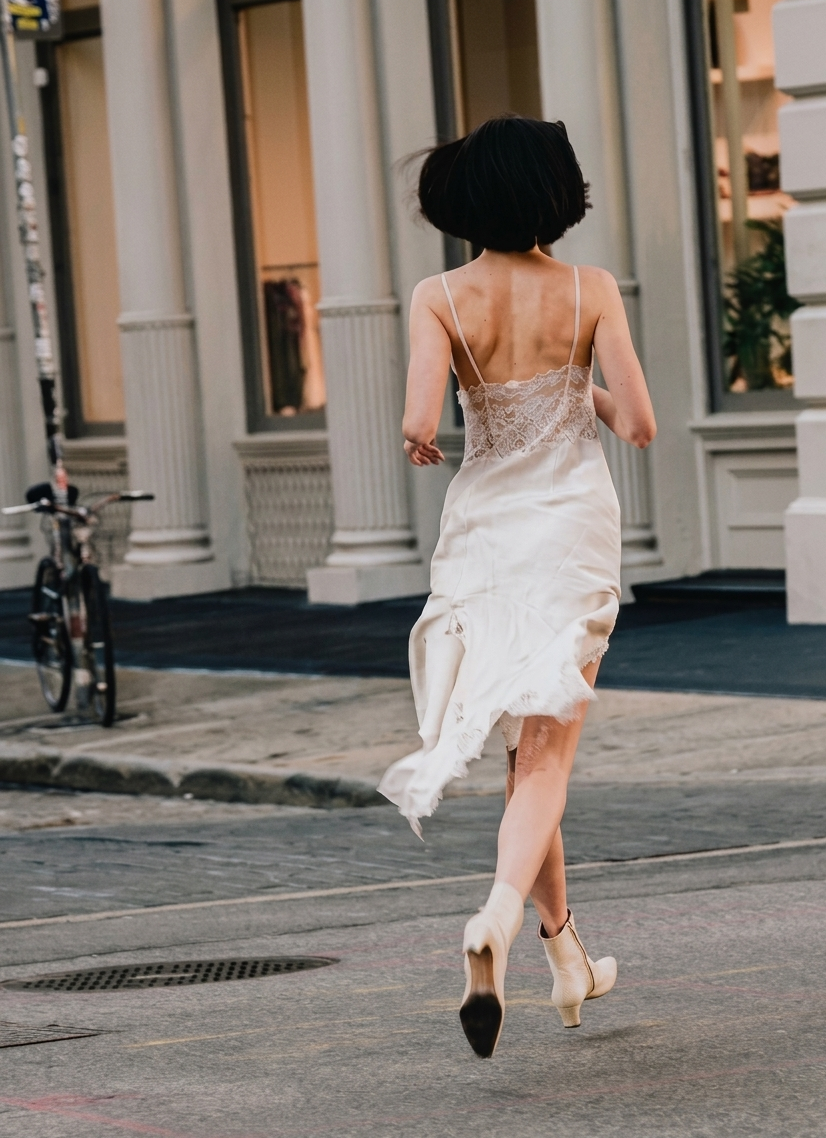
In a fashion system dominated by speed, your approach seems almost against the tide: do you feel that today time has become a real creative material?
Absolutely yes. Time enters our process in a very physical way. A garment that is twenty years old has a construction, a quality of fabric, a story in the body of the person who has worn it, that are not replicated. We are not working with neutral materials: we are working with objects that have already lived. This changes everything: the way in which we listen to the customer, the way in which we develop creative direction, the way in which we approach realization. Speed, in contemporary fashion, has taken away just that: the possibility of a garment accumulating meaning over time. We start where the speed stops.
Your process always starts from an existing customer leader: how much does the customer's personal story influence the final creative direction?
A lot and it is perhaps the most delicate and most beautiful part of the process. Every customer comes with a garment, but they also come with a story. Sometimes he tells it explicitly, sometimes you perceive it the way he talks about that piece. Our job is to listen to that story and find the creative direction that honors it, without remaining a prisoner. The result must be contemporary and wearable today but it must carry with it something of the origin. This balance between memory and present is at the heart of our creative process.
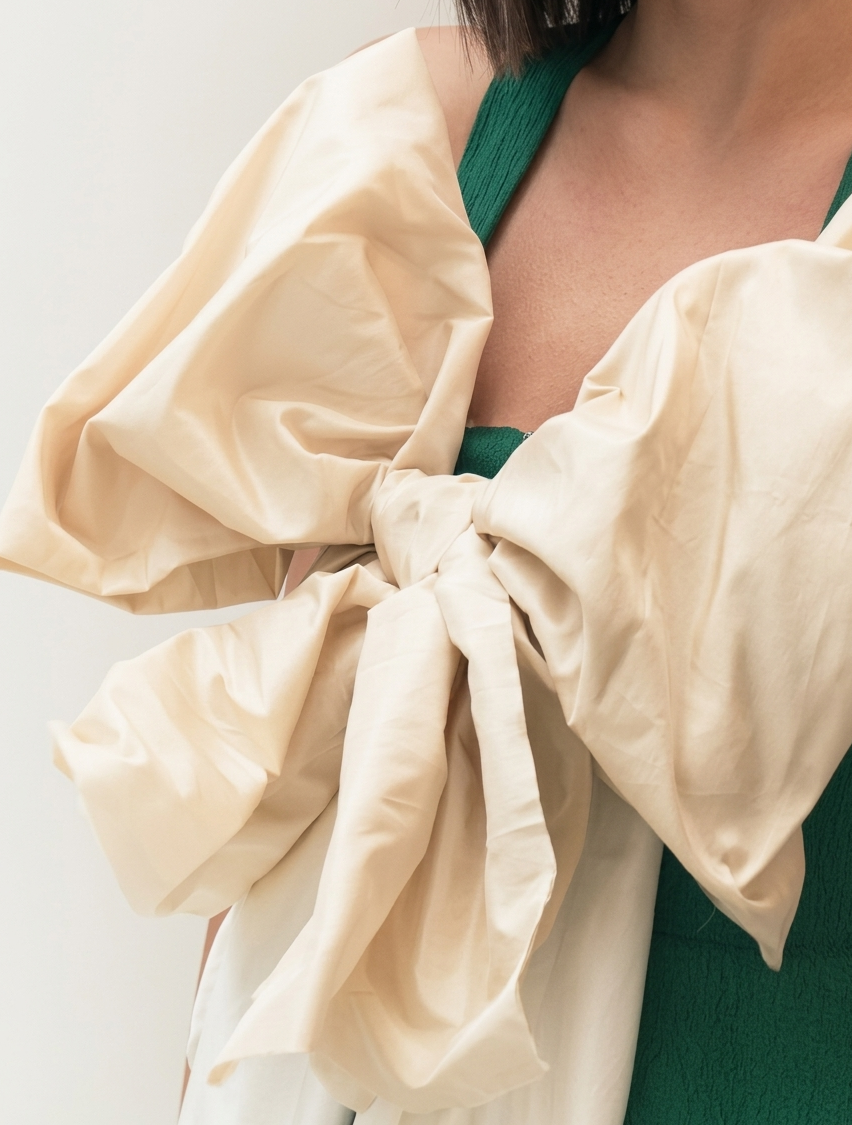
What is the most complex part of the process between brief, design and implementation?
The most complex moment is translation: transforming what the customer feels into something that we can creatively interpret and achieve, without losing the essence. The brief is never just a list of instructions, it's an emotional as well as a technical document. And the creative direction must be precise enough to guide the creation, but open enough to leave room for craftsmanship. Our job is to keep the thread between what the customer has experienced, what we want to create and what the atelier knows how to do best. It is a process of co-creation towards a unique result.
How does the concept of one-of-one change the perceived value of a garment compared to traditional production?
The one-of-one, in our case, is an inevitable consequence of the process. There is no second identical chapter because there is no second identical archive, a second identical story or a second identical body. This profoundly changes the relationship between the wearer of the piece and the piece itself: you're not buying something that someone else might have, you're completing something that was already yours. In traditional production, value is built from outside: from the brand, from artificial scarcity, from collective desire. In our case, value comes from within: from who you are, from what you have experienced, from what you want to carry on.
What does the way a person stores their clothes reveal?
Everything. The wardrobe is one of the most honest mirrors we have, and we usually don't really look at it. What we keep and what we let go of speaks of how we see ourselves, who we have been, who we want to become. Some people have clothes that they haven't worn for years but can't give in: they often hide an emotional bond that they haven't yet developed. Others have perfectly maintained wardrobes, each piece in its place and that says something specific about their relationship with identity. What I notice most often is that the garments that people bring to us are the ones they cannot give up, they are the ones they no longer know how to wear, they are the ones they really care about, they are the most interesting and usually the most beautiful.
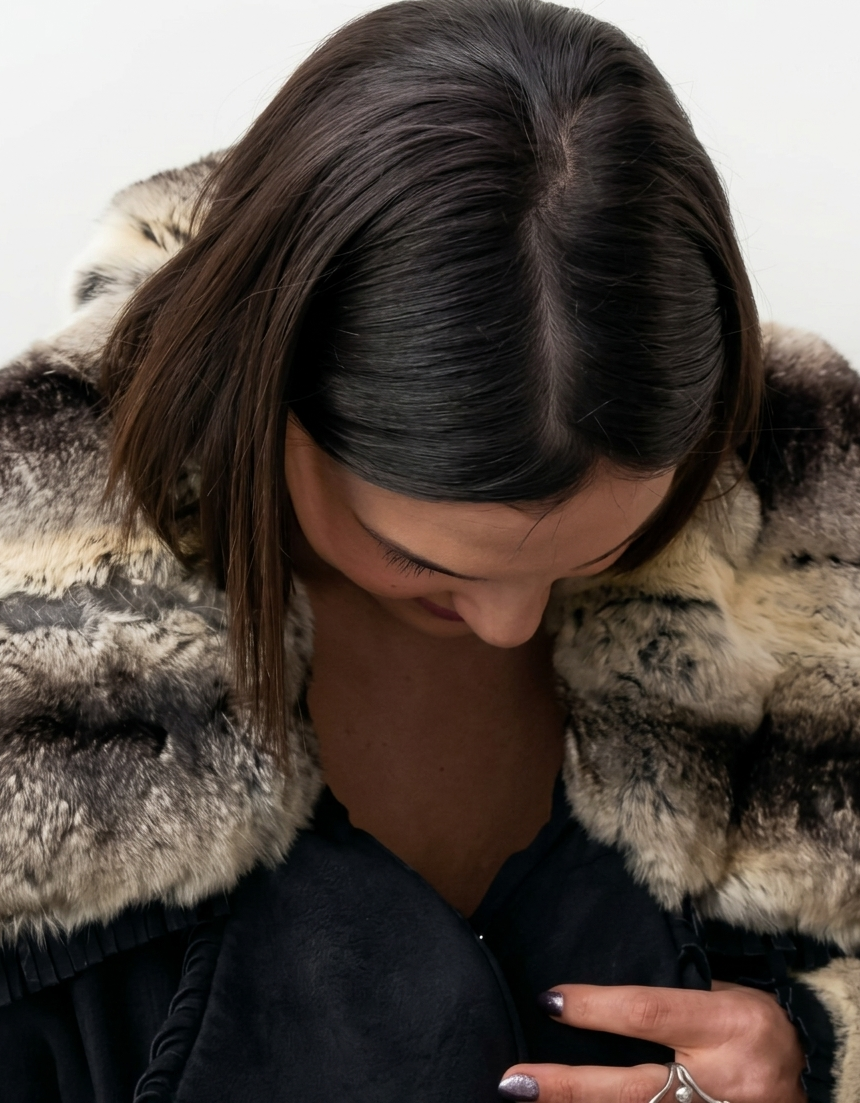
In an ideal future, what should change in the way people look at their wardrobes?
That they stop seeing it as a space to fill and start seeing it as an archive to be curated. It is a difference of view, even before of behavior. An archive is being built. Every piece has a reason to be there, a story, a potential. In an ideal future, people wouldn't buy a new garment without first asking themselves what they already own and how it might evolve. Not because it's more sustainable, even if it is, but because it's more interesting, more personal, more authentic. The most desirable wardrobe is the one you already own.