












































Who Is a Thought Daughter? A profile of the melancholic, book-loving girl who’s taking the Internet by storm
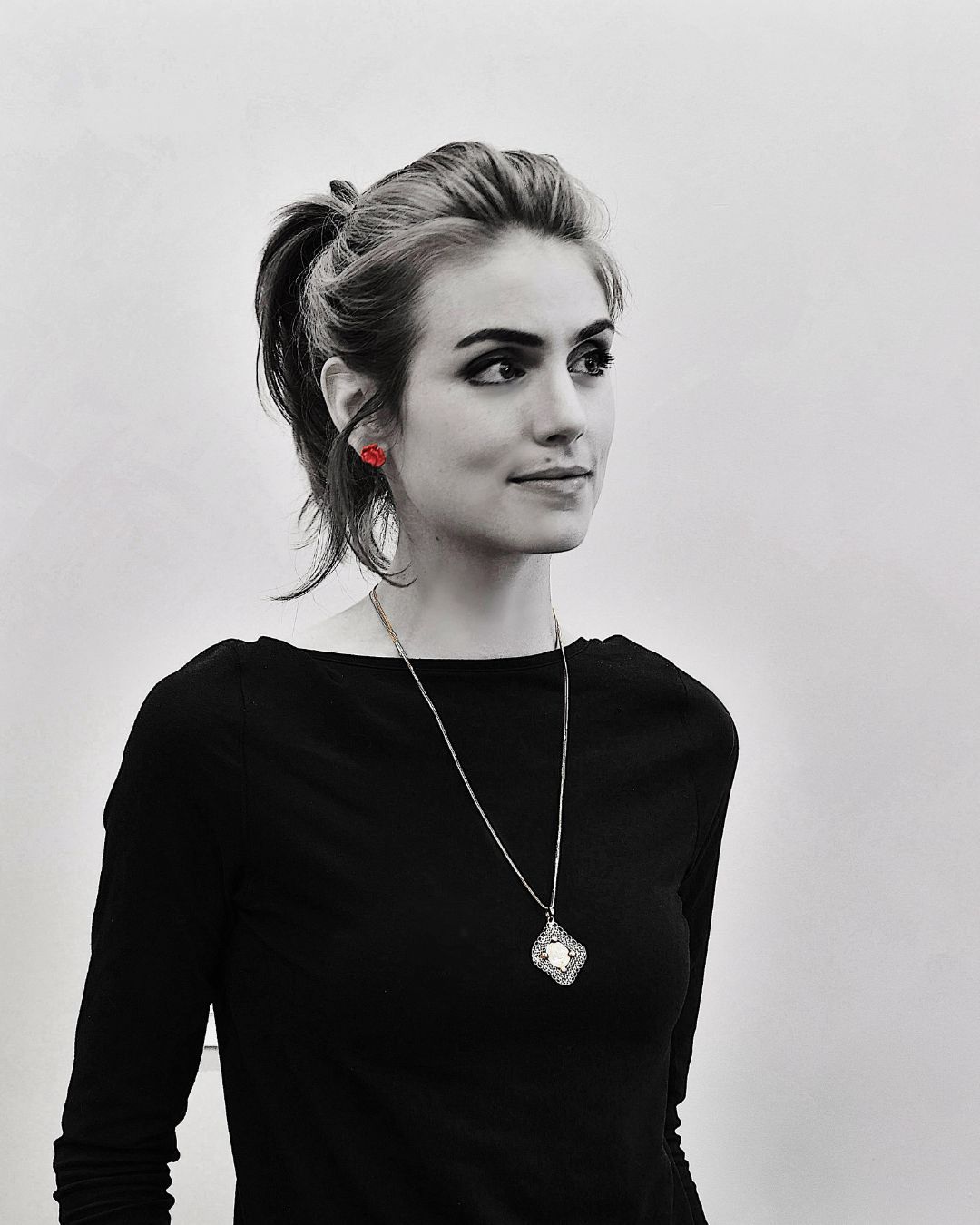
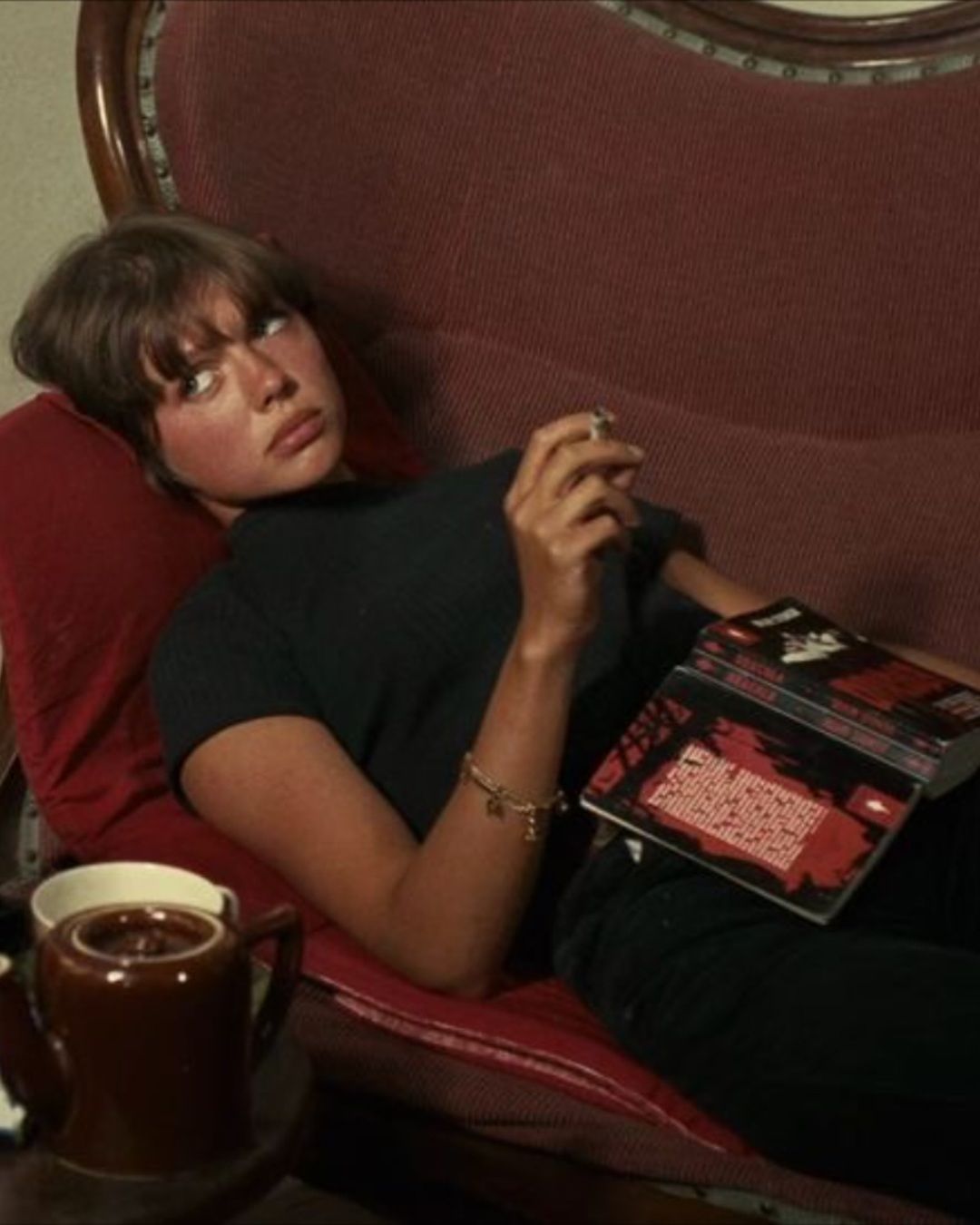
You have a Sally Rooney novel on your nightstand. You still use wired headphones to listen to Fiona Apple and Phoebe Bridgers. You carry around a worn-out canvas tote containing a copy of The Bell Jar by Sylvia Plath and a Moleskine notebook where you pour out your darkest thoughts. There are only two possibilities: either you're a performative male, or you're his female counterpart, the thought daughter. She's the girl who thinks too much. The one who spends hours dissecting a conversation, who observes the world more than she participates in it. She's introspective, melancholic, intellectual, and her greatest conflict isn't with the outside world but with herself.
The Internet's new favorite female archetype
Lately, social media has been flooded with this new female archetype. After the girlboss, the clean girl, and the messy woman, it's now the era of the thought daughter. And, as is often the case with internet aesthetics and identities, this trend says far less about the people it claims to describe than it does about the cultural moment we're living through. Like every trend worth its salt, this one is also a recycled idea. Back in the 2010s, the introverted, melancholic girl emerged as the opposite of the party-loving It Girl. The Tumblr girl listened to Lana Del Rey, binge-watched Gilmore Girls, and wore T-shirts that read Normal People Scare Me. She revealed very little about herself, posting moody, slightly blurry photos taken in dim lighting. It was still a niche, a digital counterculture where the weirdos found one another. But even earlier than that, the original thought daughters filled the pages of Virginia Woolf, the Brontë sisters, and Louisa May Alcott. Jo March, one of the protagonists of Little Women, is perhaps still the quintessential example of this feminine archetype. These were always young women suspended between what they felt and what they were capable of expressing, observing their own lives more than actually living them. It's obvious that the internet didn't invent this character. It simply gave her a new label, transforming her into an identity people could recognize themselves in. The more interesting question is: why now?
@nekosaama reading sylvias books arent bad but IDOLIZING her??? #fyp #thoughtdaughter OMG PEOPLE USING MY SOUND - 7\
From Girlboss to Thought Daughter
Over the past decade, the female imagination online has been shaped by a series of very different dominant archetypes. First came the girlboss, a symbol of ambition, productivity, and a somewhat superficial version of empowerment. Then arrived the clean girl, with her minimalist aesthetic and perfectly curated lifestyle. After that came the messy woman, chaotic, emotionally unstable, and refreshingly imperfect, though still just another caricature. The thought daughter borrows something from all of them, but instead of centering success, or failure, she places intelligence at the heart of her identity. Rather than performing achievements, she performs the thinking process itself. On one hand, this is undoubtedly a rebellious response to years of being told that efficiency, perfection, and productivity were the ultimate feminine virtues. On the other, it also represents the extreme evolution of many genuinely positive cultural shifts from recent years.
When introspection becomes an identity
The thought daughter is meticulously aware of her mental health. She traces her emotional wounds back to childhood and generational trauma. Yet this tendency to pathologize every aspect of her life risks flattening reality, blurring the distinction between genuine psychological conditions and the ordinary complexity of being human. The thought daughter is deeply introverted. She rejects FOMO in favor of JOMO, the Joy of Missing Out. She enjoys solitude and embraces reflection. But by pushing introspection to its limits, she risks turning it into isolation, distancing herself from others until she becomes an island unto herself. The thought daughter is also profoundly intellectual. She rejects declining attention spans and the erosion of reading culture. Reading comprehension, debate, and nuance form the pillars of her worldview. Yet her impulse to intellectualize everything can also disconnect her from the reality she inhabits. Finally, the thought daughter is a feminist. Once again, though, her feminism often exists primarily at the level of performance. She posts photographs of heavily underlined books by Susan Sontag and Simone de Beauvoir. She reads Clarice Lispector and Joan Didion. But, like so much else in her carefully curated identity, her beliefs often remain suspended in theory rather than translated into action. And that's where the contradiction emerges.
The performance of inner life
Annotated books, notebooks overflowing with reflections, melancholic playlists, film photography, they all come together to create an instantly recognizable aesthetic. None of these objects necessarily prove that someone is more introspective than anyone else. They simply demonstrate fluency in the visual language of introspection. And this is precisely where the trend becomes fascinating. The thought daughter isn't just about the return of interiority. She's about the internet's extraordinary ability to transform even our most private experiences into public performances. That is the paradox of the thought daughter. She was born to celebrate introspection, yet she ultimately turns it into an aesthetic. And the moment our inner life itself becomes something to display, the line separating who we are from how we choose to present ourselves grows astonishingly thin.