






























Hollywood and grassophobia: non-conforming bodies in movies and TV From Little Miss Sunshine to Too Much
A 7-year-old girl wants to participate in a beauty contest but no one takes her seriously. Why is it too small? No, because she's not thin. It happens at the beginning of Little Miss Sunshine. Olive dreams of becoming a beauty queen, but her body seems to rule her out before she can even try. The film perfectly tells the relationship that cinema (and our society) has with non-conforming female bodies.
The comic shoulder or the before the glow up, the stereotype of fat women in Hollywood
For a long time, Hollywood wrote about fat women as if their weight were a narrative genre. It was enough for them to enter the scene for the audience to already know what their role would be. They were the funny friend, the eccentric colleague, the self-deprecating sister, the one who relieved tension with a joke and helped the protagonist find love. Or the version of the protagonist before the glow up, before the problem (the fatness) was solved. The comedy was not born from the character and his personality, but from his body. Being fat was already, in and of itself, part of the gag. It was the gag.
From Rebel Wilson to How Beautiful You Are! : when weight becomes comedy
Rebel Wilson and Melissa McCarthy have built an entire career on us. They were always just fat but nice friends. In How Beautiful You Are! , Amy Schumer plays a woman who suffers a head injury, as a result of which she sees herself more beautiful and thinner. The entire plot of the film revolves around an overweight woman who, in acting self-confident, arouses hilarity in the viewer. All this, in the end, to understand that real beauty is “the inner beauty” because, for Hollywood, it is easier to imagine a woman who, following a head injury, is convinced that she lives in a parallel reality, than to imagine a fat and even beautiful woman.
The narrative of the body as a path of growth, between diet and acceptance
When the cinema tried to portray these women with greater sensitivity, the script changed only in appearance. The laugh left room for emotion but the body still remained the focus of the story. The film was about diet, acceptance, transformation, revenge. As if a fat protagonist always needed to justify her screen presence through a weight-related growth path.
Brittany never stops and the paradox of losing weight on the big screen
At the end of 2010, some films tried to reverse the course. In Brittany she never stops, the protagonist is an overweight woman who understands that her unhealthy relationship with food is linked to her inner insecurities and wounds. To cope with some health problems dictated by his weight, he started running with the goal of completing the New York marathon. In the film, Brittany loses more than 20 kg, coming to understand, once again, that mental well-being and love for herself are more important than thinness. He understands it, however, after losing 20 kg anyway.
In 2018, Dumplin' (I Want a Life in the Shape of Me) focuses on Willowdean, a girl perfectly aware of her non-conforming body. As in Little Miss Sunshine, the protagonist wants to participate in a beauty contest but rejects the idea that she must modify her body to deserve respect or visibility. Her goal is not to become thin but to convince herself and others that thinness is not a sine qua non condition for existing.
The non-conforming body of women in today's TV series
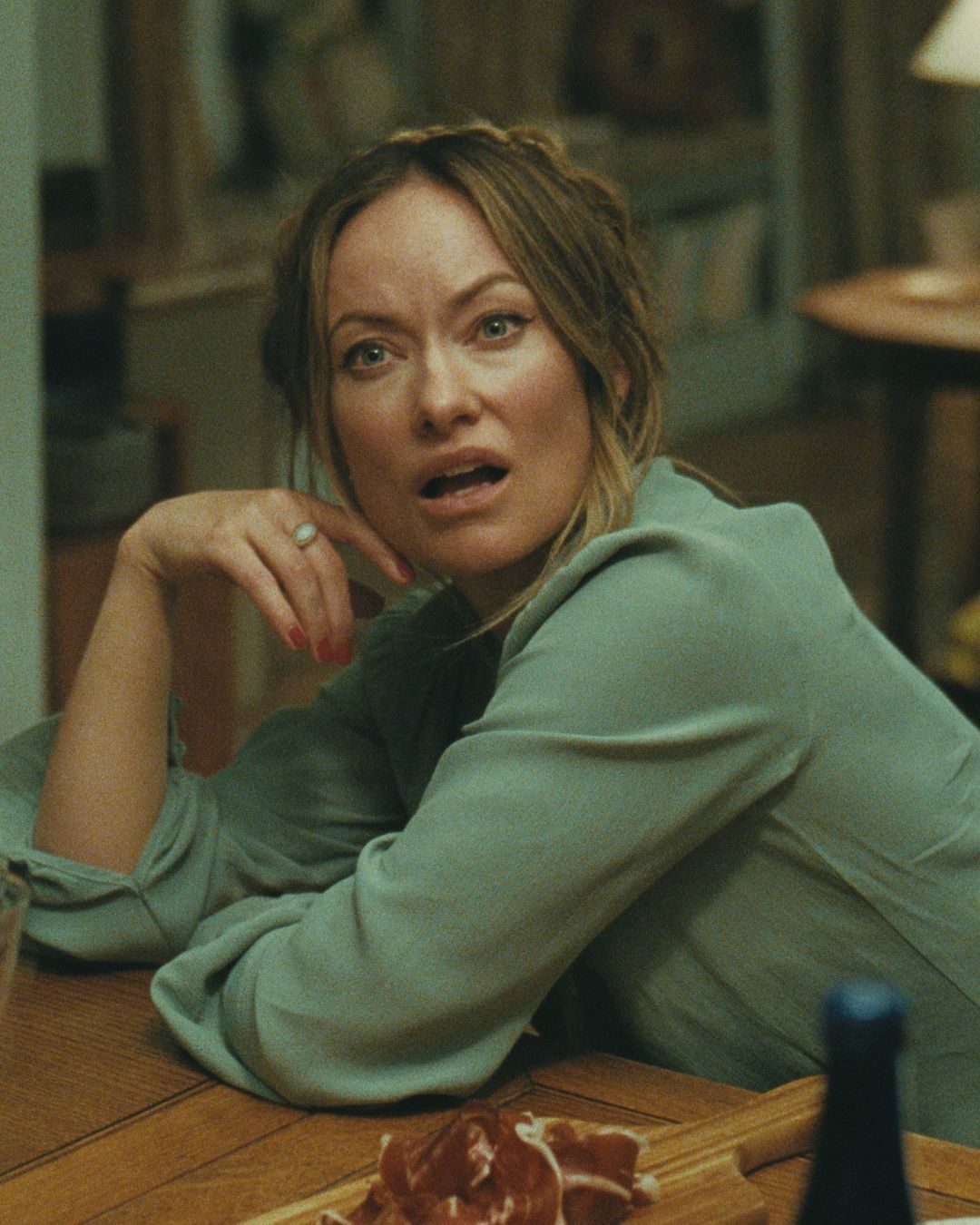
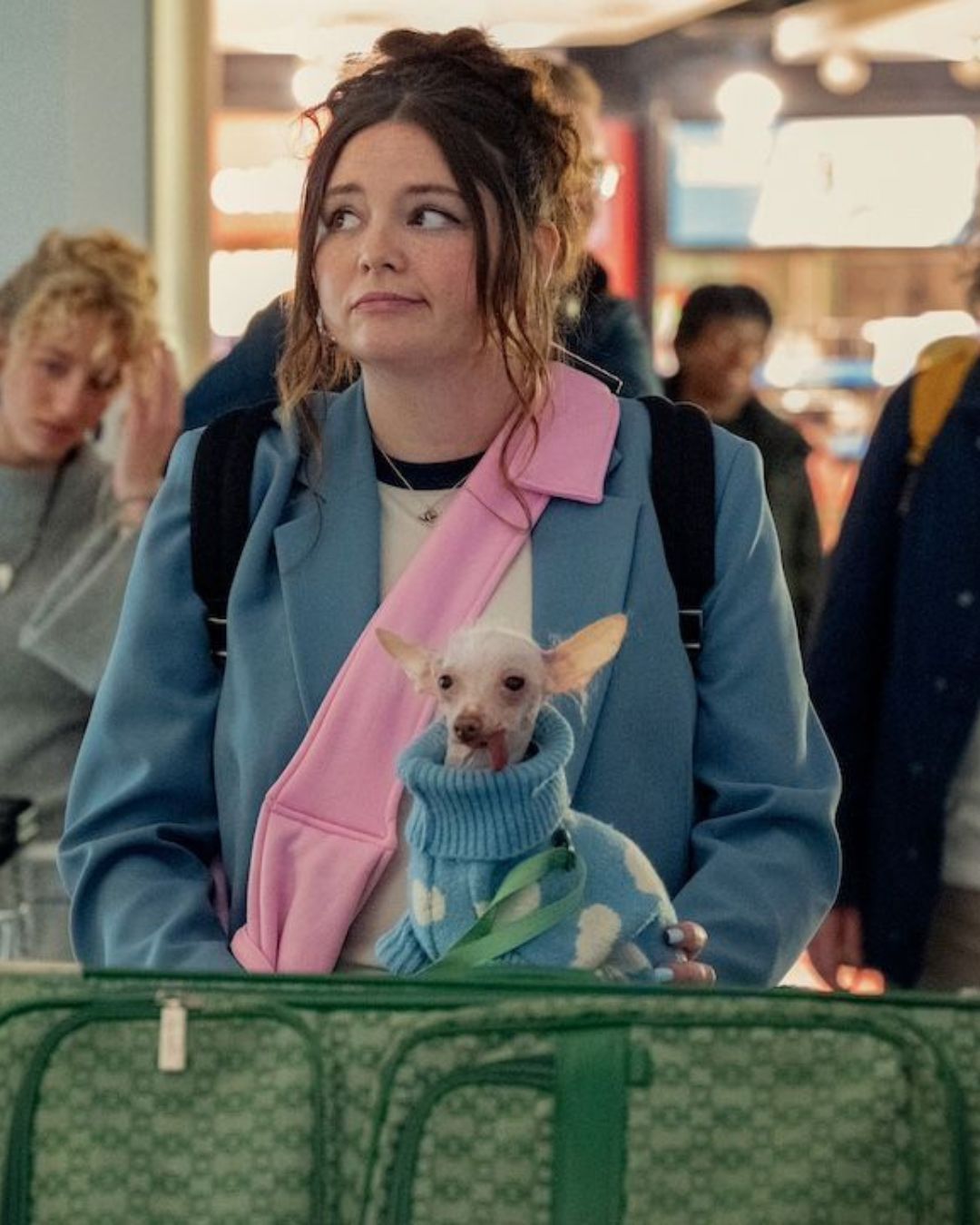
The biggest changes, however, are found in the TV series. In 2019, Shrill came out, a series in which the protagonist is a self-confident overweight woman, ready to show the world that she is worth as much as anyone else. Survival of the Thickest always tells of a fat woman ready to rebuild her life. And last year Too Much came out. Created by Lena Dunham, the TV series focuses on a young American woman who moves to the United Kingdom where she hopes to live “like one of the Bronte sisters.” In London, she begins a relationship with a boy - a malaise - who appreciates her as she is, including fat. These protagonists live in a fat body but this does not prevent them from living freely. The weight continues to influence the way in which they cross the world but it ceases to be a reason for comedy.
@comfort_tv_ Little Miss Sunshine (2006) #feelgoodmovie #littlemisssunshine #indiemovie original sound - comfort_tv_
Beyond body shaming and inclusivity, towards real normalization on the big screen
It's a big narrative difference. For years, inclusivity was limited to adding different bodies on the screen, but leaving the script intact. The fat woman could have been there but she continued to play the role of the comedic sidekick. Today, slowly, that script seems to be starting to crumble, even if there is still a long way to go. The real achievement, in fact, will not be to see more fat protagonists but to see stories in which the physicality of the person who plays them does not necessarily represent something. Seeing non-compliant women without being forced to be inspirational, who can be desired without the film feeling the need to explain why. That the cinema can use fatness for what it is, a mere characteristic, not a plot hub.