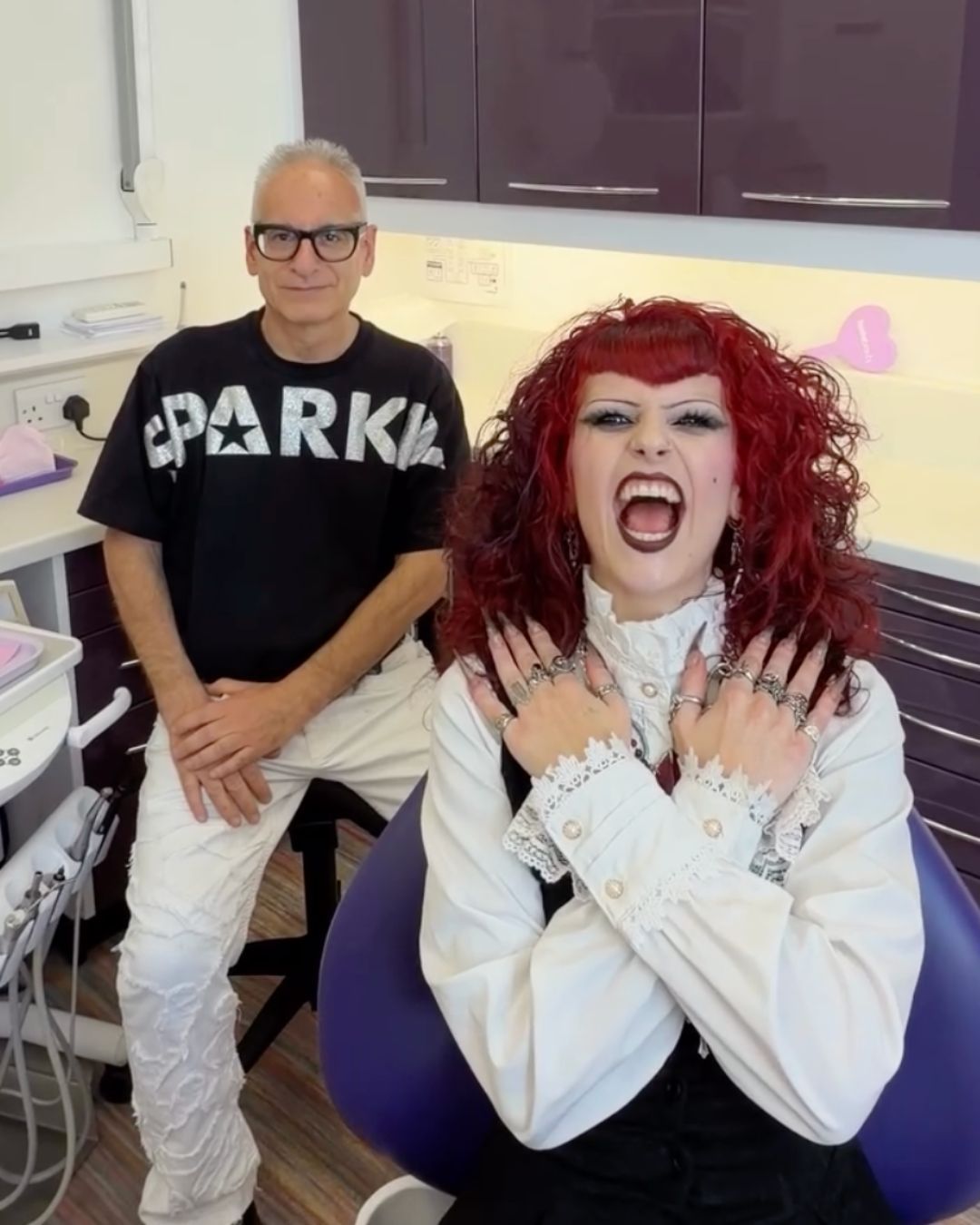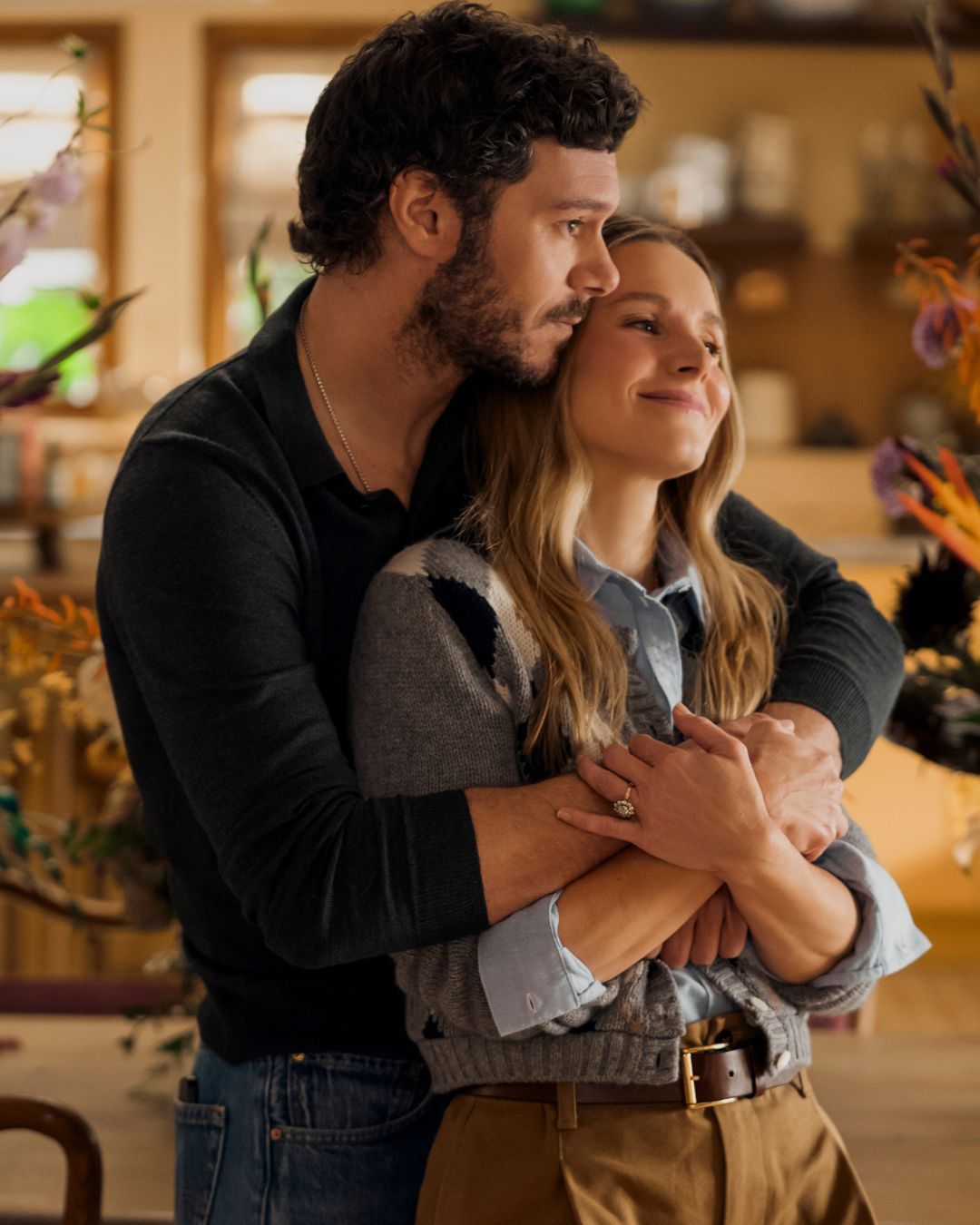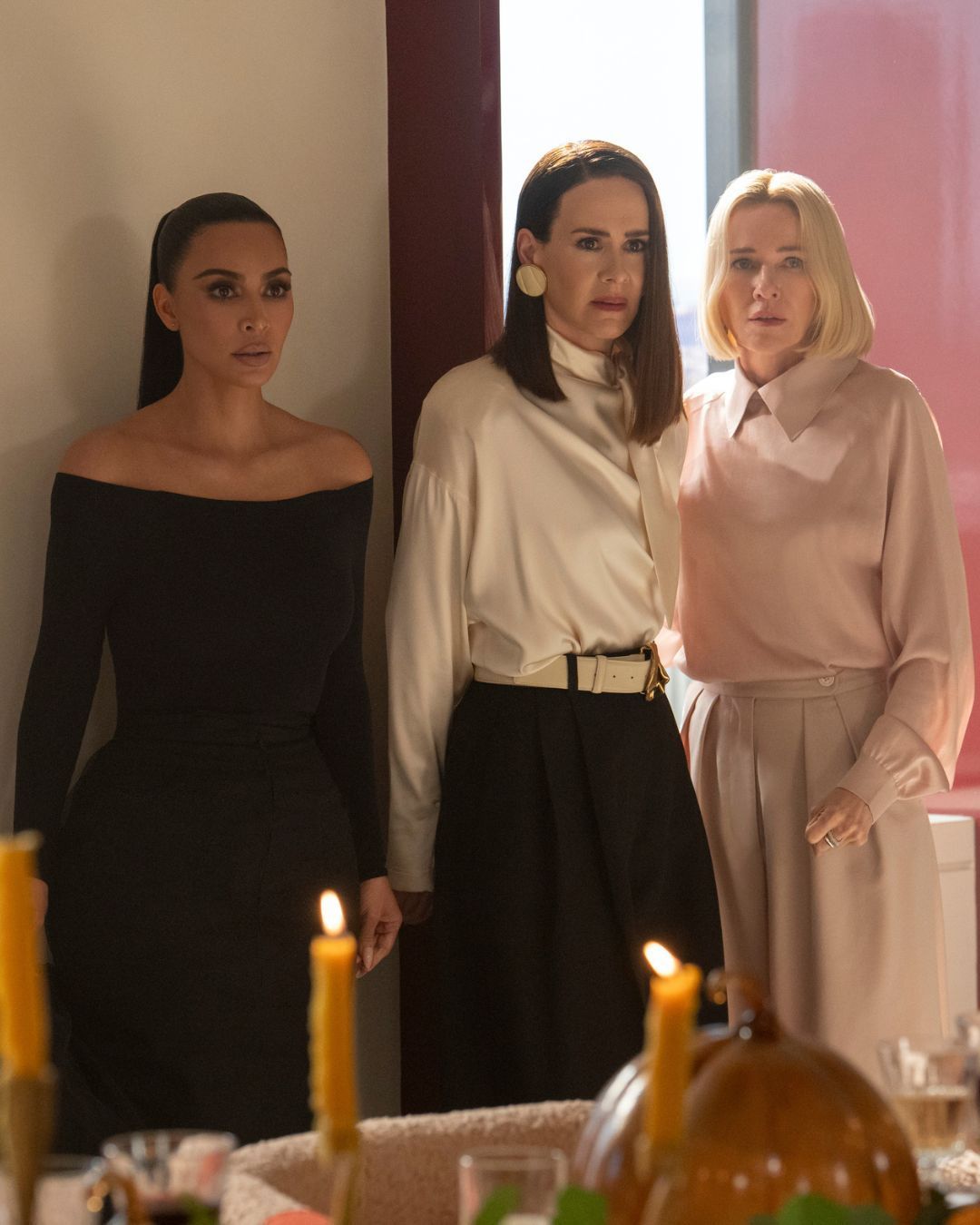
All's fair is back. Is that a good thing? The first episodes of season two are now streaming on Disney+
When All's Fair first dropped, I didn’t hold back. Naturally, I didn't like it, and unlike so many shows that are so aggressively tacky and appalling they end up coming full circle into camp genius, the series created by Ryan Murphy, Jon Robin Baitz, and Joe Baken remained an absolute TV mystery to me. A mystery that only deepened when the show, a Hulu Original streaming on Disney+, racked up 3.2 million global views in its first three days and scored an immediate season two renewal. You have to hand it to their sheer audacity: having debuted with a flat 0% critics' score on Rotten Tomatoes, it has now crawled up to 6%, while the audience rating sits at 62%. But while plenty tuned in out of genuine intrigue, others simply couldn't pass up their daily dose of high-end trash, hate-watching it more for meme material than out of any real affection.
The world premiere of All's Fair season two in Rome
All that buzz inevitably paved the way for a second season, whose world premiere touched down in Rome. Boasting one of the longest red carpets in the world, Renzo Piano’s architectural icon once again hosted the Rome Film Fest, just as it has for over two decades, previewing the opening episodes of the show and parading its leading ladies down the carpet. It would have felt like any other standard premiere, if Kim Kardashian weren't in the mix, and if, while the event unfolded on October 24th, another corner of the city hadn't been taking to the streets to protest the soaring cost of living. It’s a bitter paradox completely lost on All’s Fair stars Naomi Watts, Sarah Paulson, and Niecy Nash, and even more so on their on-screen counterparts. The series, after all, unabashedly flaunts a brand of ostentatious, relentless luxury that sits right at the heart of its premise.
How is All's Fair season wwo? Just like the first
As I mentioned earlier, I was merciless when All’s Fair first came out. Now, considering its runaway success and people's ever-growing craving for pure escapism, I tried approaching season two with fresh eyes, attempting to decode the formula behind its traction. While part of me gets the appeal, the rest remains firmly tethered to my initial verdict. The sheer flippancy with which every serious topic is handled borders on shocking; the characters' schemes hang by the thinnest of threads. The new storylines served up for each lead, each more glaringly predictable than the last, align seamlessly with the absurd lives of the firm’s attorneys, even if they make zero logical sense. Glenn Close aka Dina, fresh off ending up in handcuffs, is now entangled with a toy boy forty years her junior. Liberty aka Naomi Watts, set to marry a man last season, suddenly discovers she is gay. Meanwhile, Kim Kardashian's Allura faces genuine danger, all while throwing caution to the wind for a steamy fling with her bodyguard, played by Cauã Reymond.
Girl power over actual feminism
Girl power remains front and center, though filtered through an aggressive, unattainable lens born from the sheer privilege these women swim in. The clients’ legal battles are clearly meant to remind viewers of fundamental values, even when tackled with questionable taste and zero nuance. It isn't exactly feminism, but rather a distant cousin that still attempts to drop relatable cues for female viewers, even if the average woman isn't mounting a multi-million-dollar lawsuit anytime soon. At the end of the day, poorly edited and even worse shot, the show is simply an Americanized take on the telenovelas audiences eat right up. Partner swaps, clandestine betrayals, casual felonies, and shocking secrets dropped like bombshells. All set against an unrelenting score that overdramatizes every facial twitch, wrapping the entire affair in an omnipresent layer of melodrama barely veiled beneath opera gloves, dramatic hats, stilettos, and sharp power suits.
What to read next
Ugly Betty: twenty years of bad taste and power moves
Twenty years after its debut, America Ferrera, Vanessa Williams, and the cast reunite on Good Morning America
Why do we think every famous couple is a PR stunt?
Dakota Johnson and Machine Gun Kelly vs Harry Styles and Zoë Kravitz: who is the fakest
We want to be glowy and beautiful like in that French show
The one with the good lighting, you know what we are talking about