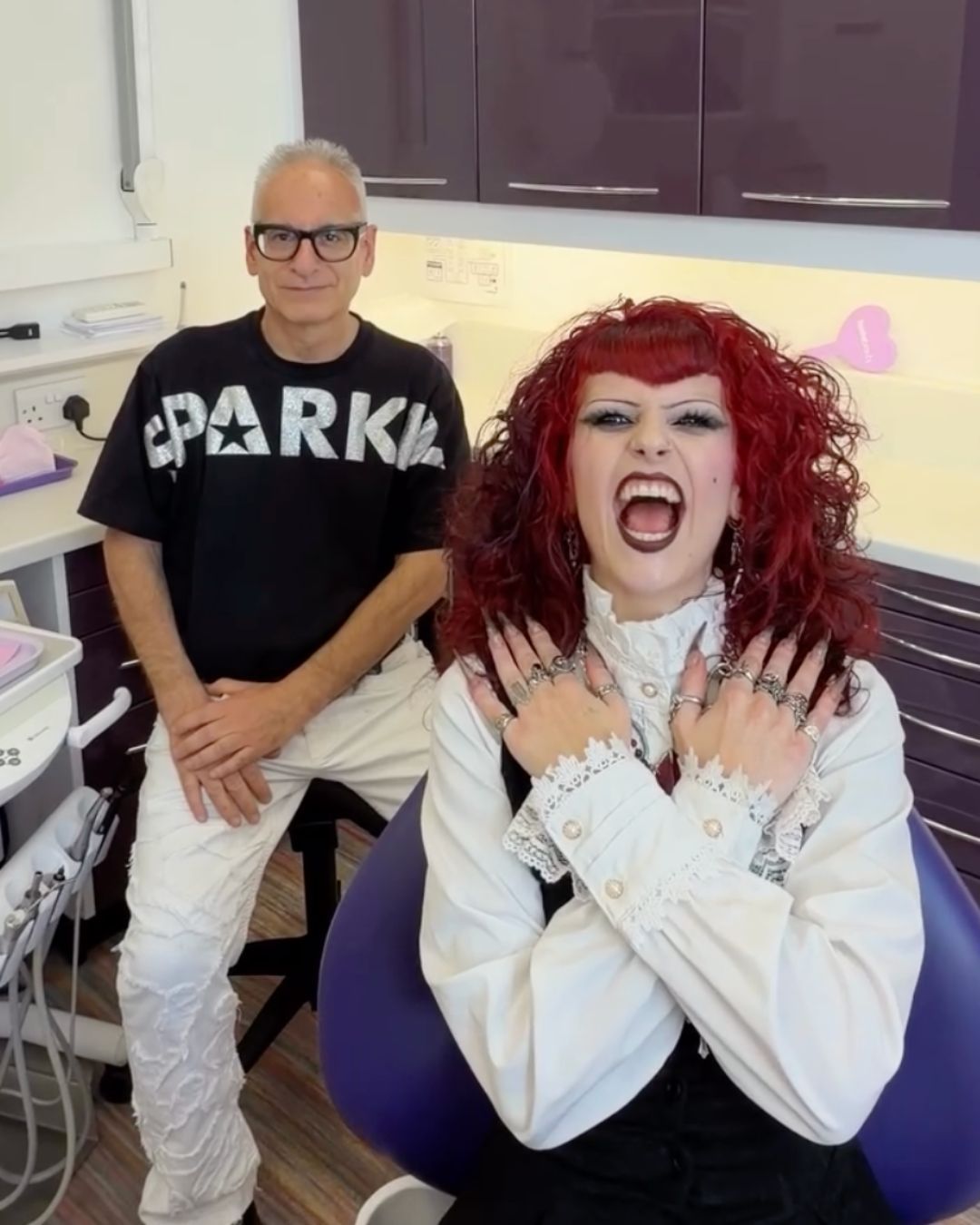
Ugly Betty: twenty years of bad taste and power moves Twenty years after its debut, America Ferrera, Vanessa Williams, and the cast reunite on Good Morning America
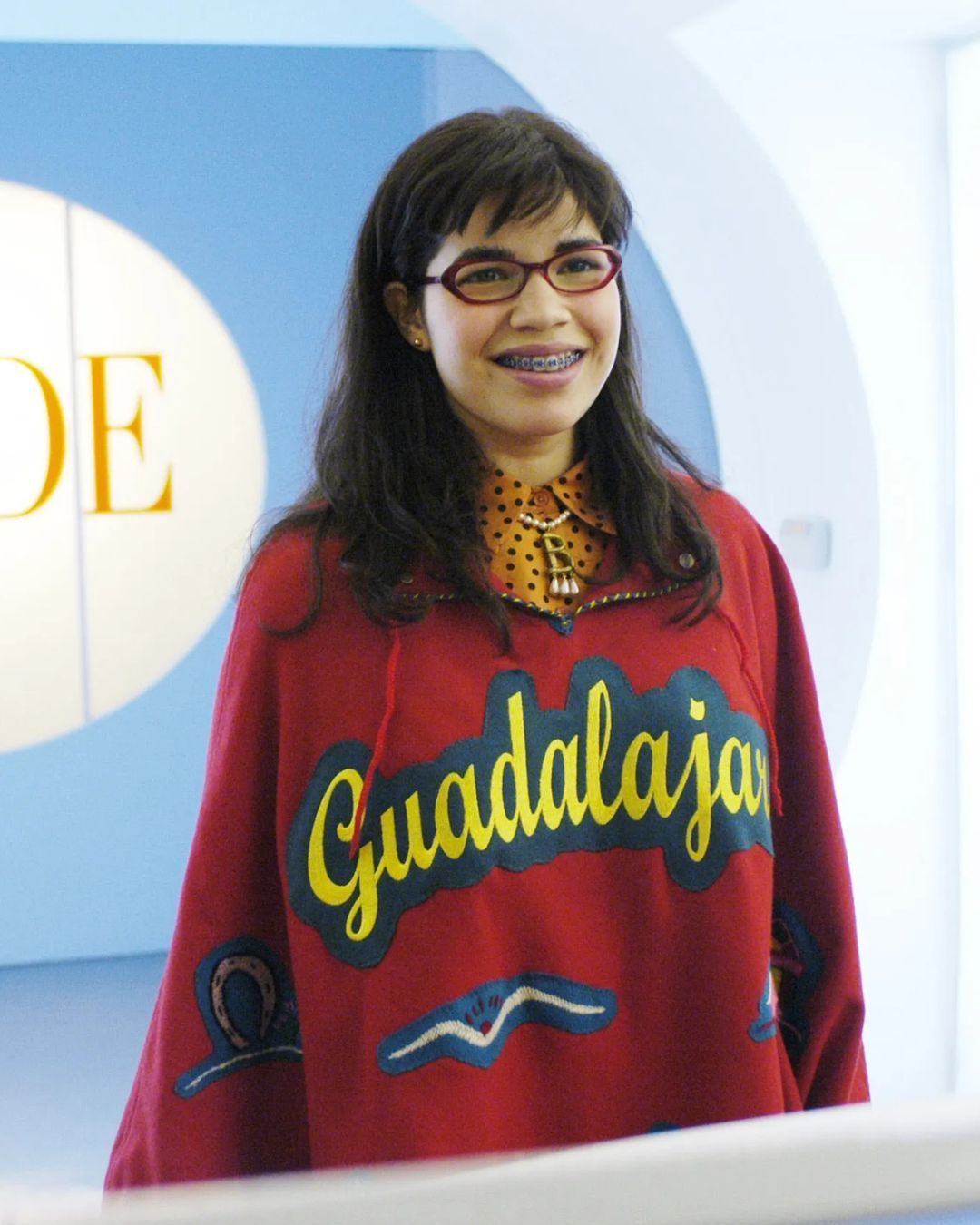
One of the very first mainstream shows to put trans characters on television, alongside Black women throwing punches at white men, gay intimacy treated as a taboo ready to be shattered, and the most savage insults delivered with the breezy nonchalance of a compliment. Body shaming, slut shaming, unseemly desires, and inconvenient identities: Ugly Betty juggled all of this while passing itself off as just a poorly dressed telenovela. Or at least, so we thought. Twenty years have passed since Betty Suarez marched into the offices of Mode magazine sporting glistening metal braces, a bright red poncho straight from Guadalajara, and the almost subversive conviction that making it somewhere doesn't require morphing into the people who got there first. In an industry where talent had always come with a strict dress code, Betty was a casting mistake turned undisputed leading lady. And that might just be the exact reason why we still can't stop talking about her.
Ugly Betty: a power play disguised as a comedy about ugliness
Behind the sleek glass doors of the masthead, amidst burned-out assistants and creative directors nursing full-blown messiah complexes, the show unpacked an ecosystem that never needed to spell out its unwritten rules: you only had to look at who sat front row and who, on the flip side, fetched the lattes. On Ugly Betty, identity was never treated as an afterthought: it was the first thing everyone else judged and the very last thing the characters were willing to surrender. Naturally, the plot unfolded amidst high-camp betrayals, staged accidents, dark family secrets, and relentless cliffhangers. Yet the soap format held an unfair advantage: it could tackle deadly serious socio-political truths without ever ceasing to be uproariously entertaining. The absurd was its political weapon; melodrama, its detour to truth.
Fashion as the currency of belonging and resistance
Fashion was the centerpiece. At Mode, dressing well meant vastly more than having impeccable taste. It signaled belonging, desirability, and having earned the right to take up space. An outfit could kick a door wide open or slam it shut forever. Twenty years on, however, the dynamic has completely flipped. The very styling cues that once turned Betty into an easy target have since been swallowed and reissued by high fashion, arguably crowning her as the best-dressed character on the roster today. Ugly Betty’s wardrobe speaks fluently to our contemporary obsession with radical self-expression: the resurgence of brave personal styling, chaotic pattern clashing, layered aprons over pleated Miu Miu skirts, chunky Blythe dolls clipped onto handbags, unapologetic statement belts, deliberately wrong styling combinations, and a delightfully unhinged fashion-closet maximalism that makes the show feel fiercely current. Not because every piece Betty wore has magically turned into high art overnight, but because the lens through which we view ugliness has fundamentally shifted. Or rather: who holds the cultural capital to define it. There is something undeniably cool and modern about her aesthetic, largely because Betty and her visionary costume designer, the legendary Patricia Field, had already cracked the ultimate styling rule: dressing to please the crowd is the fastest way to render yourself invisible. Her aesthetic wasn't a calculated PR strategy just yet, but it already embodied quiet resistance. It was loud, chaotic, at times frankly indefensible. Most importantly, it was entirely her own.
Why Ugly Betty still matters, twenty years on
Perhaps that’s why Ugly Betty deserves praise that reaches far beyond simple millennial nostalgia. It wasn't a flawless series, and several of its cultural tropes have undeniably aged poorly. Yet it had the audacity to place characters under one roof whom mid-2000s network television would have routinely banished to separate story arcs, giving them license to scheme, brawl, lust, and fall in love with the exact same narrative weight. It never demanded they be saintly. It merely demanded that they be impossible to ignore. Two decades later, the question is no longer whether Betty was glamorous enough to work at Mode. It's whether Mode was sharp enough to recognize what was standing right in front of them. And as is so often the case in fashion, the realization arrived painfully late.
What to read next
Why do we think every famous couple is a PR stunt?
Dakota Johnson and Machine Gun Kelly vs Harry Styles and Zoë Kravitz: who is the fakest
We want to be glowy and beautiful like in that French show
The one with the good lighting, you know what we are talking about