



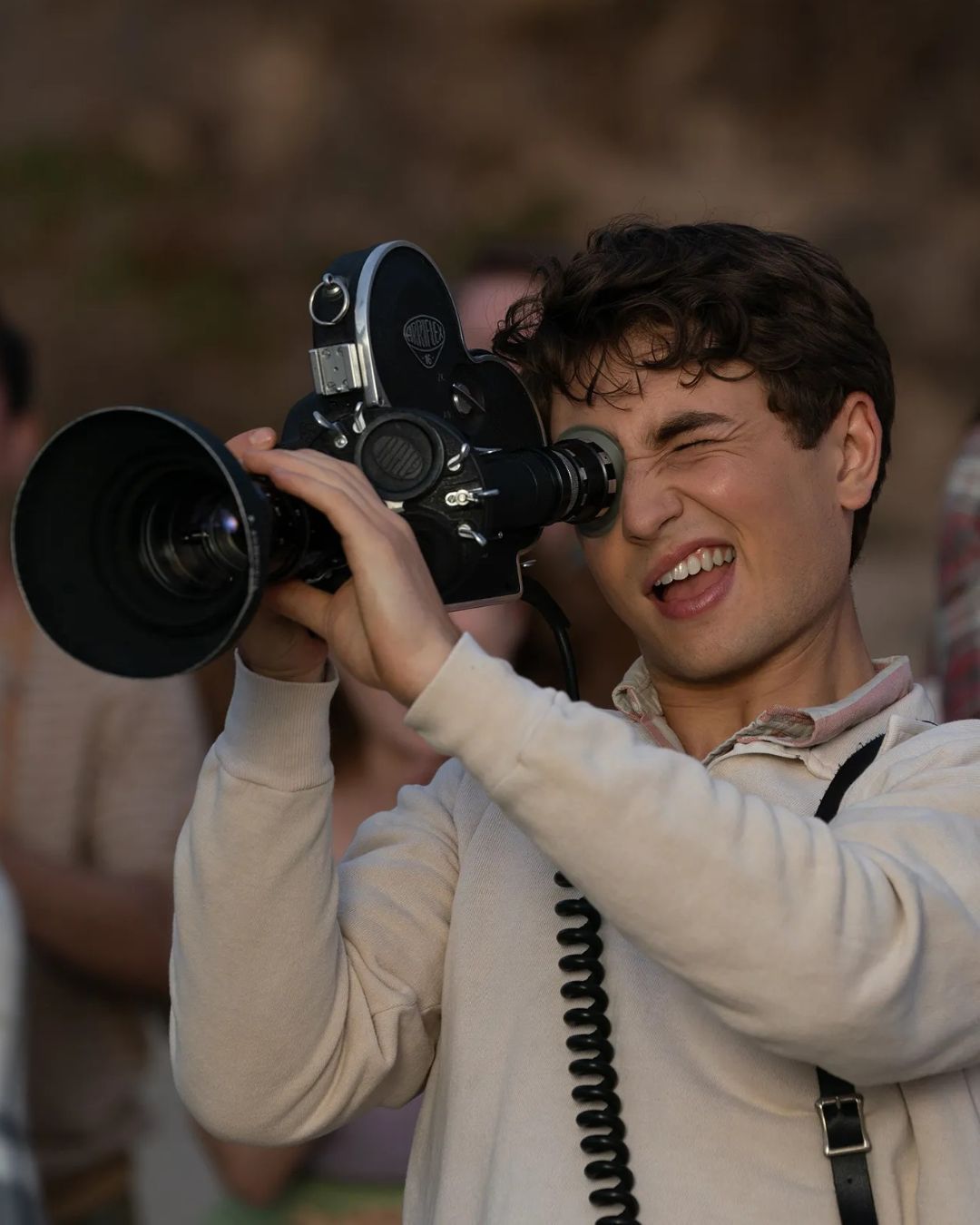
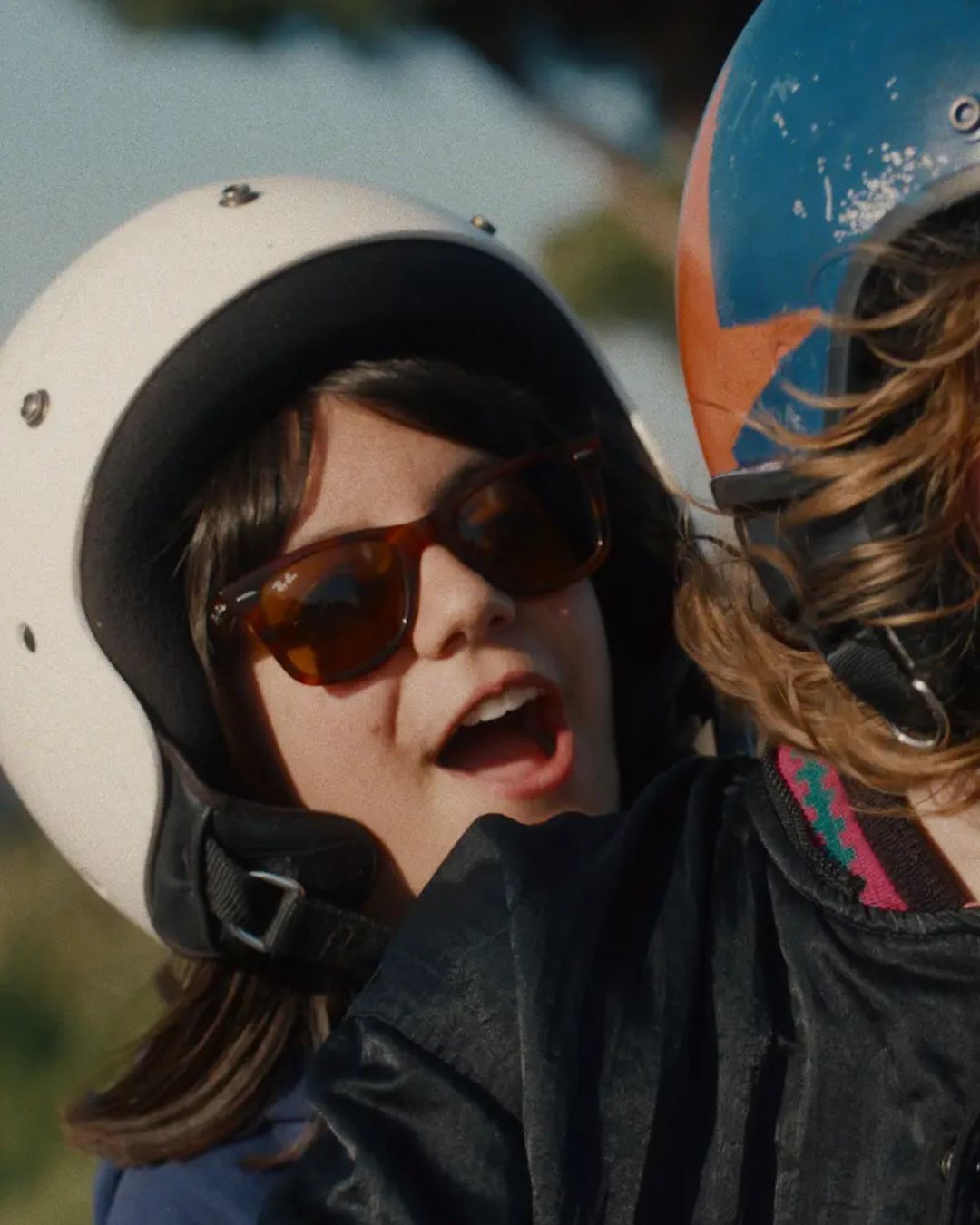
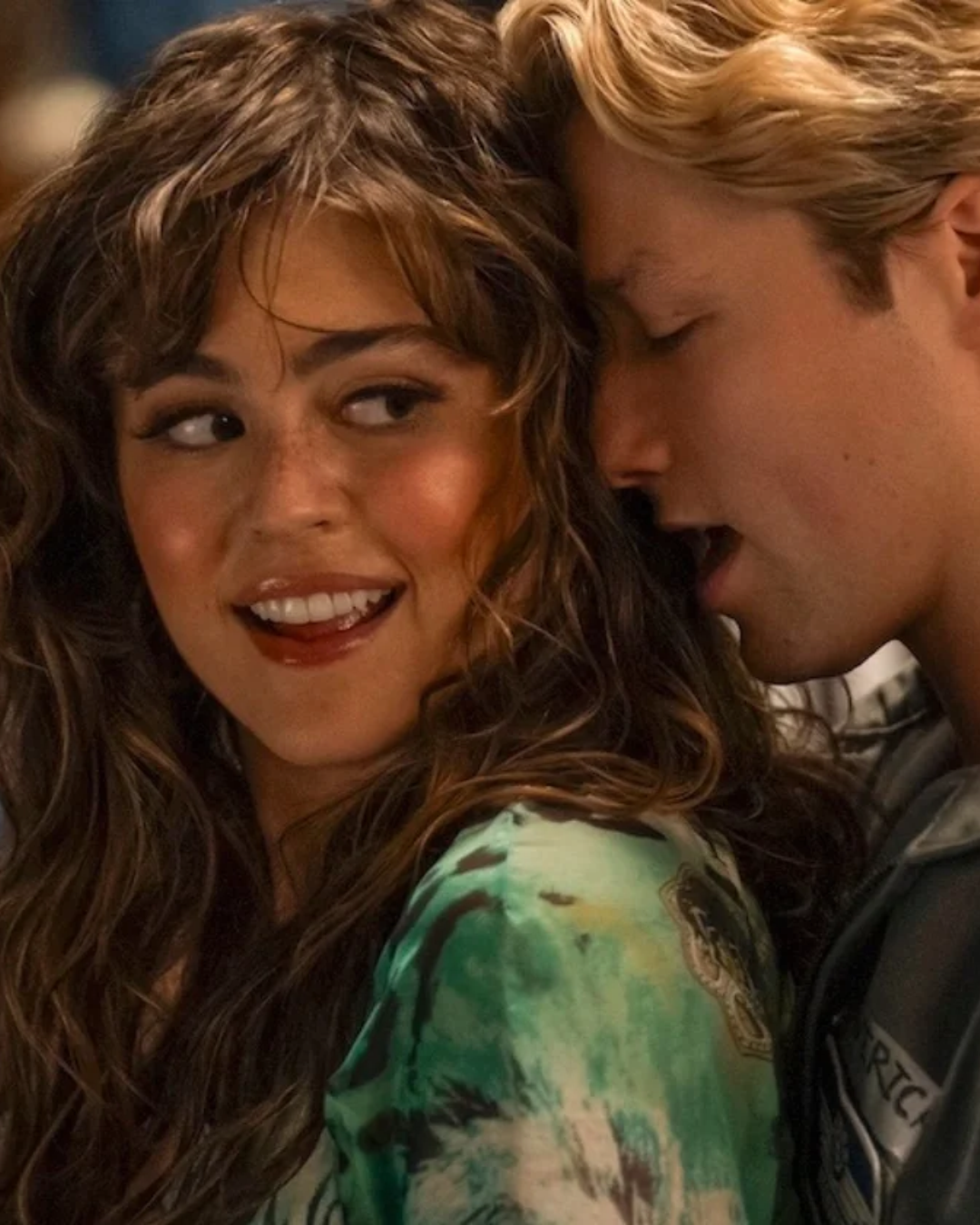
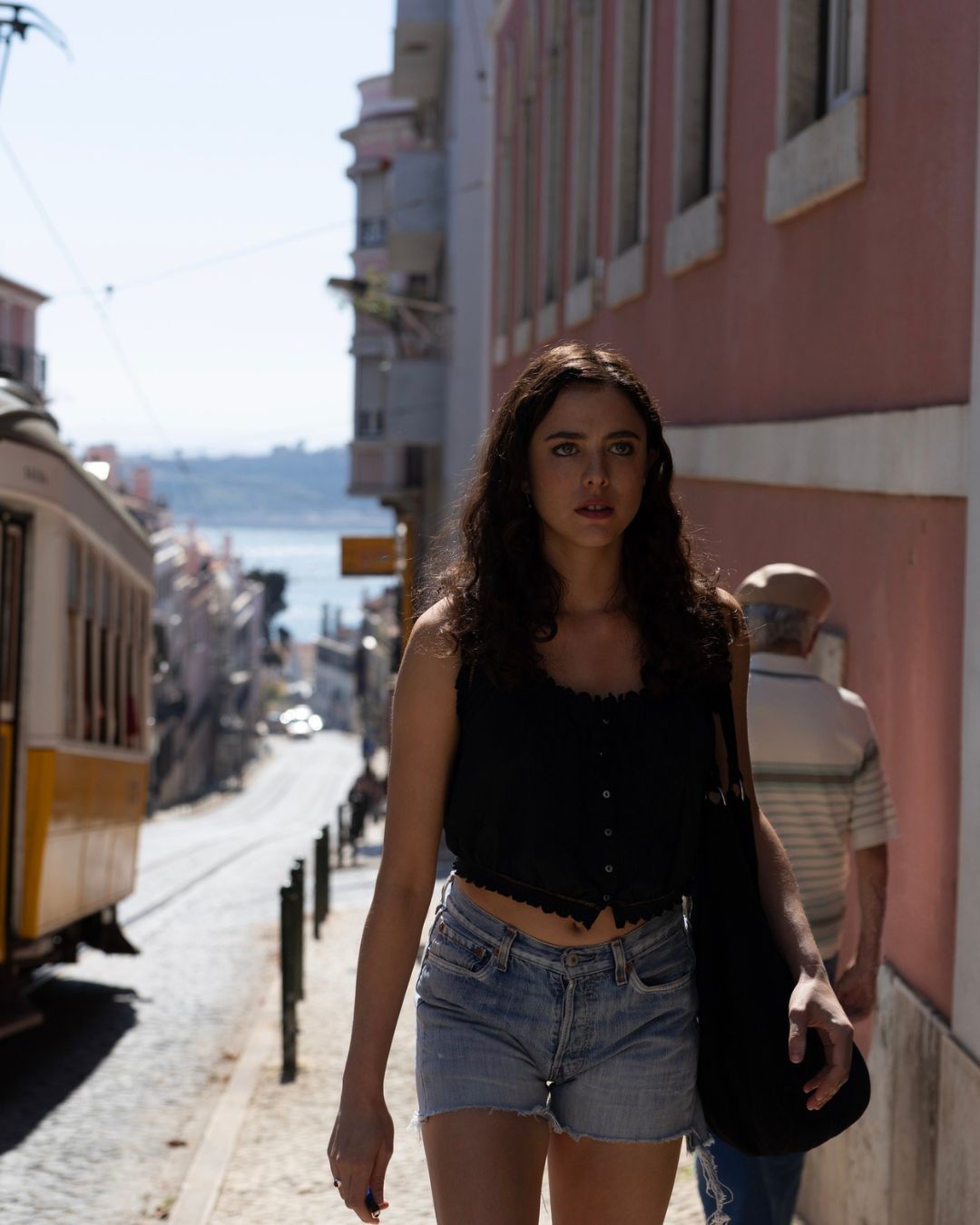

"Too Much" speaks about us without speaking about us The Lena Dunham effect strikes again
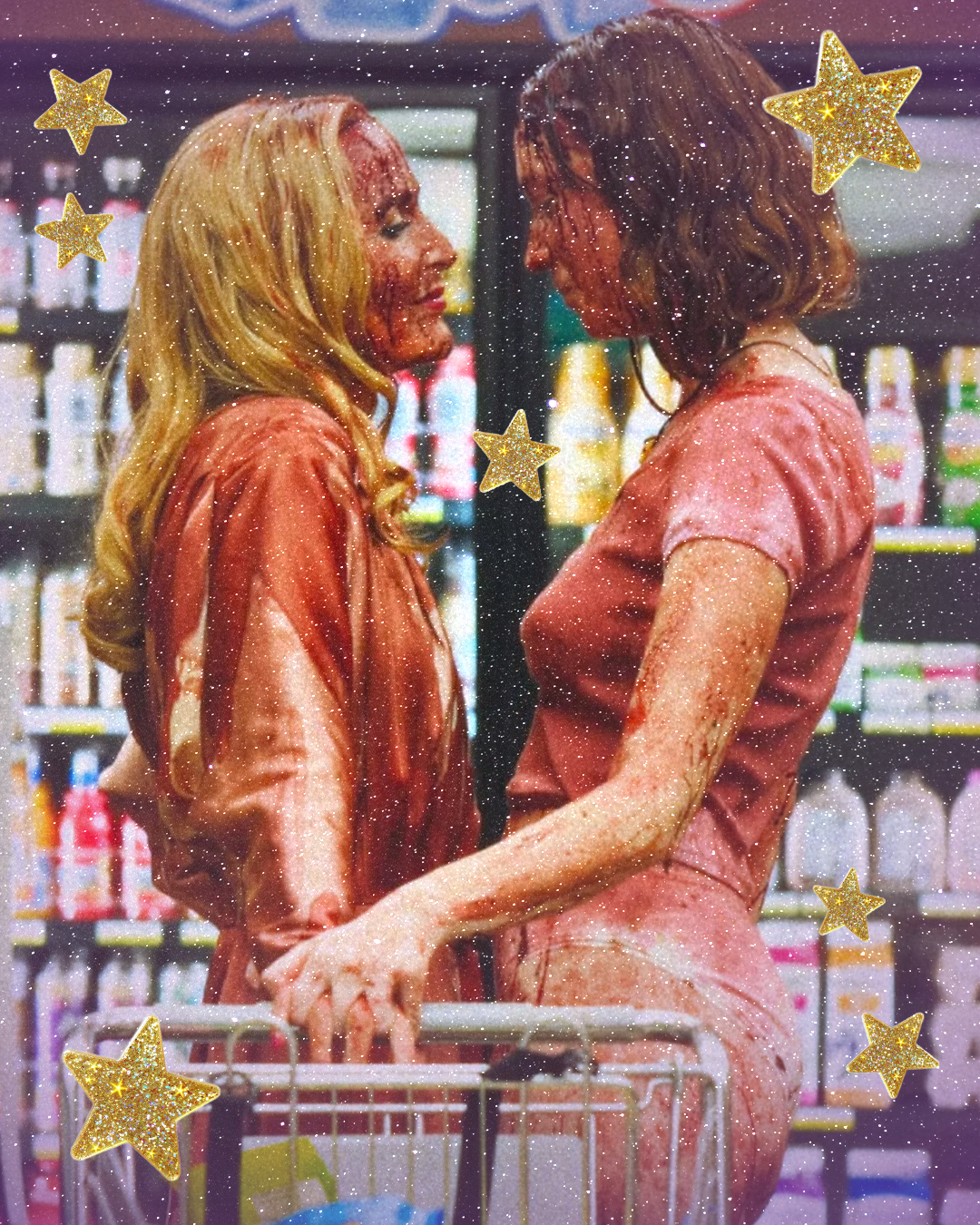
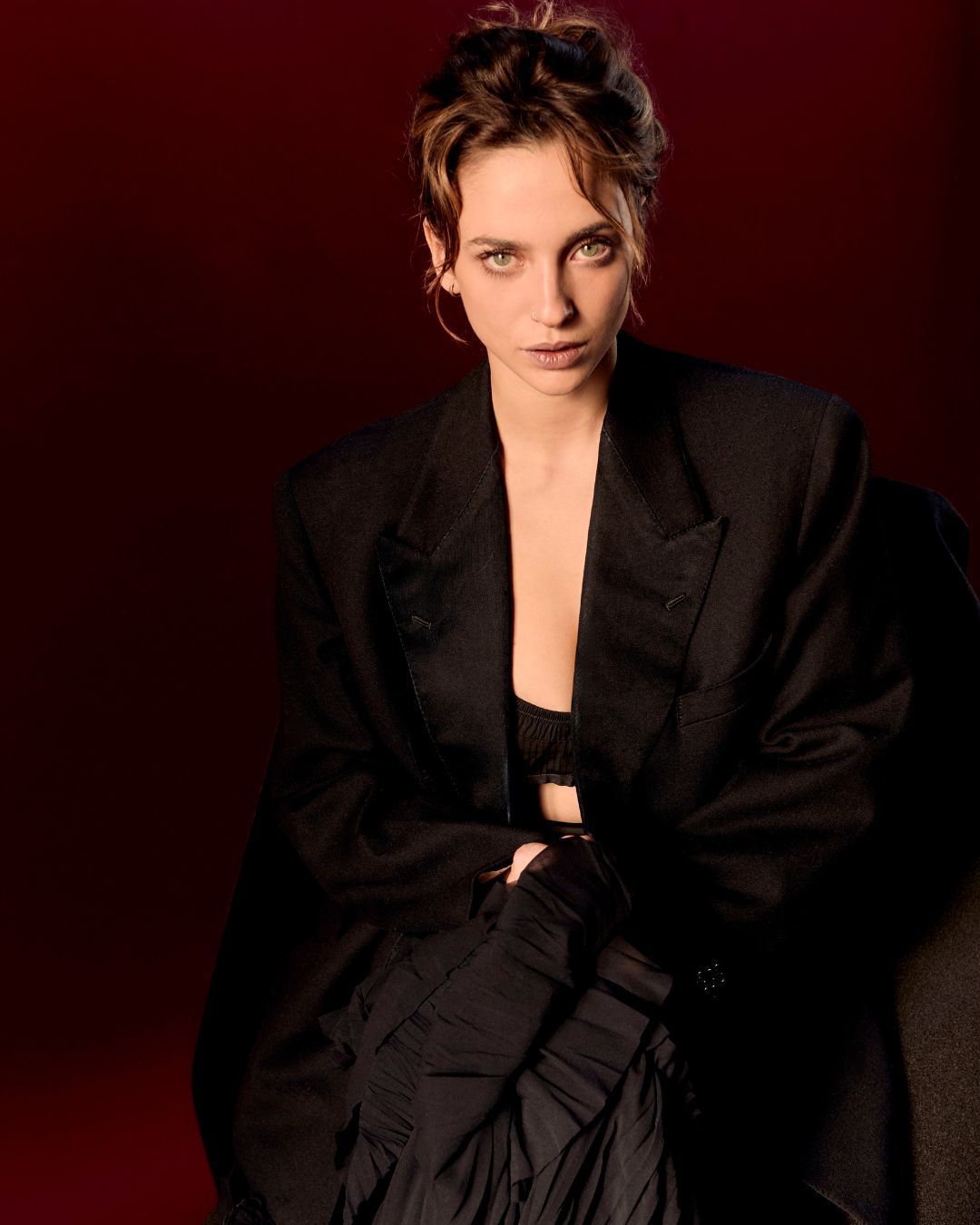
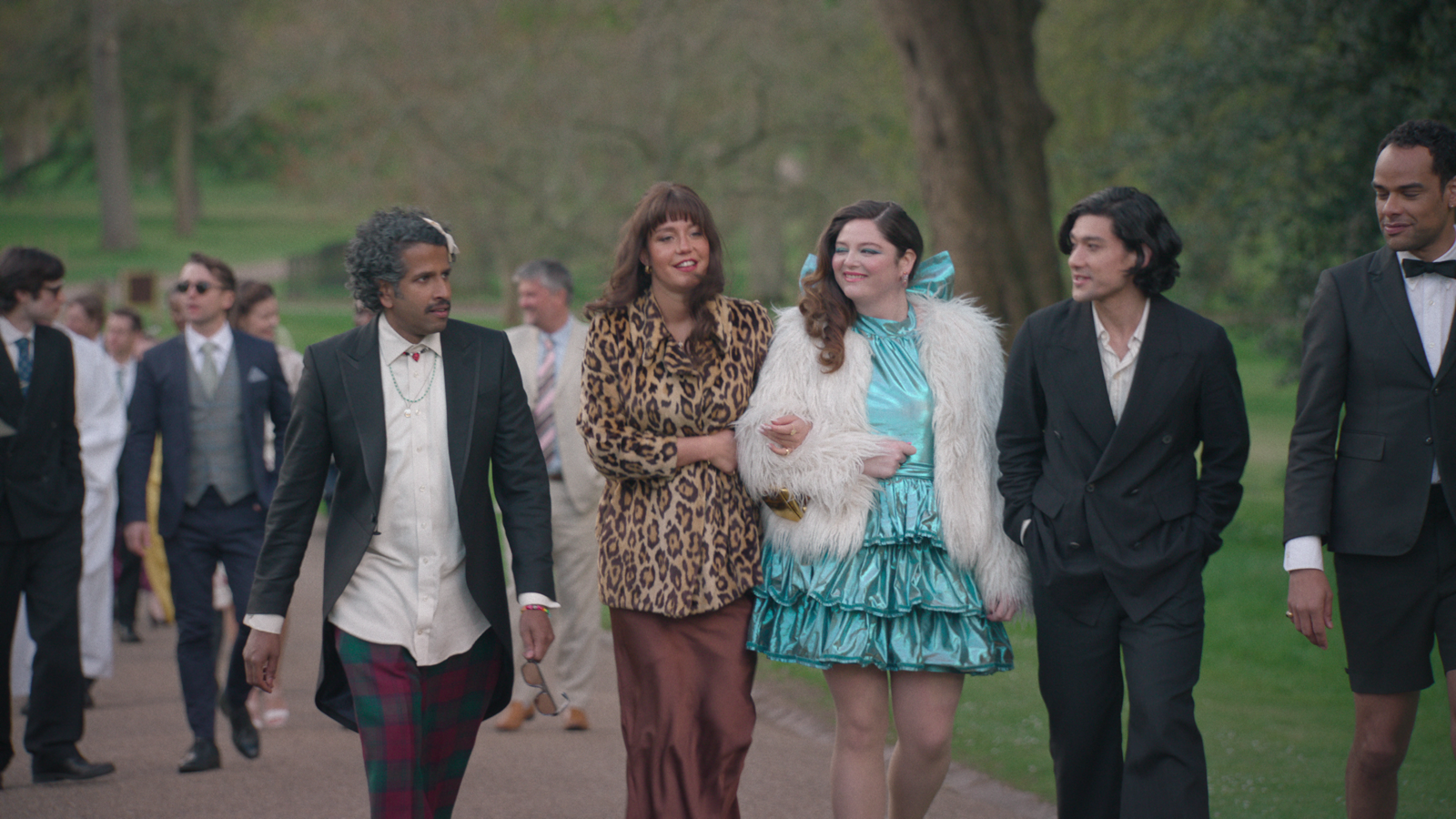
Hannah Horvath, the protagonist of Girls, once said: "I may be the voice of my generation. Or at least a voice of a generation." The creator of the cult HBO series, Lena Dunham truly was, and now she’s back with a new Netflix show. Too Much is not just a step forward in the lives and careers of the characters or Dunham herself as a showrunner and director. It is, above all, a revival of some of the key themes Dunham explored so brilliantly in her previous work, a show that, much like Sex and the City, seemed to speak directly to a specific audience: girls unapologetically searching for their place in the world. Too Much fits seamlessly with the present moment, and the credit goes to its protagonists: always deeply specific, easily traceable to a universe none of us have ever really inhabited, yet one we instinctively recognize as home.
Too Much feels just like Girls
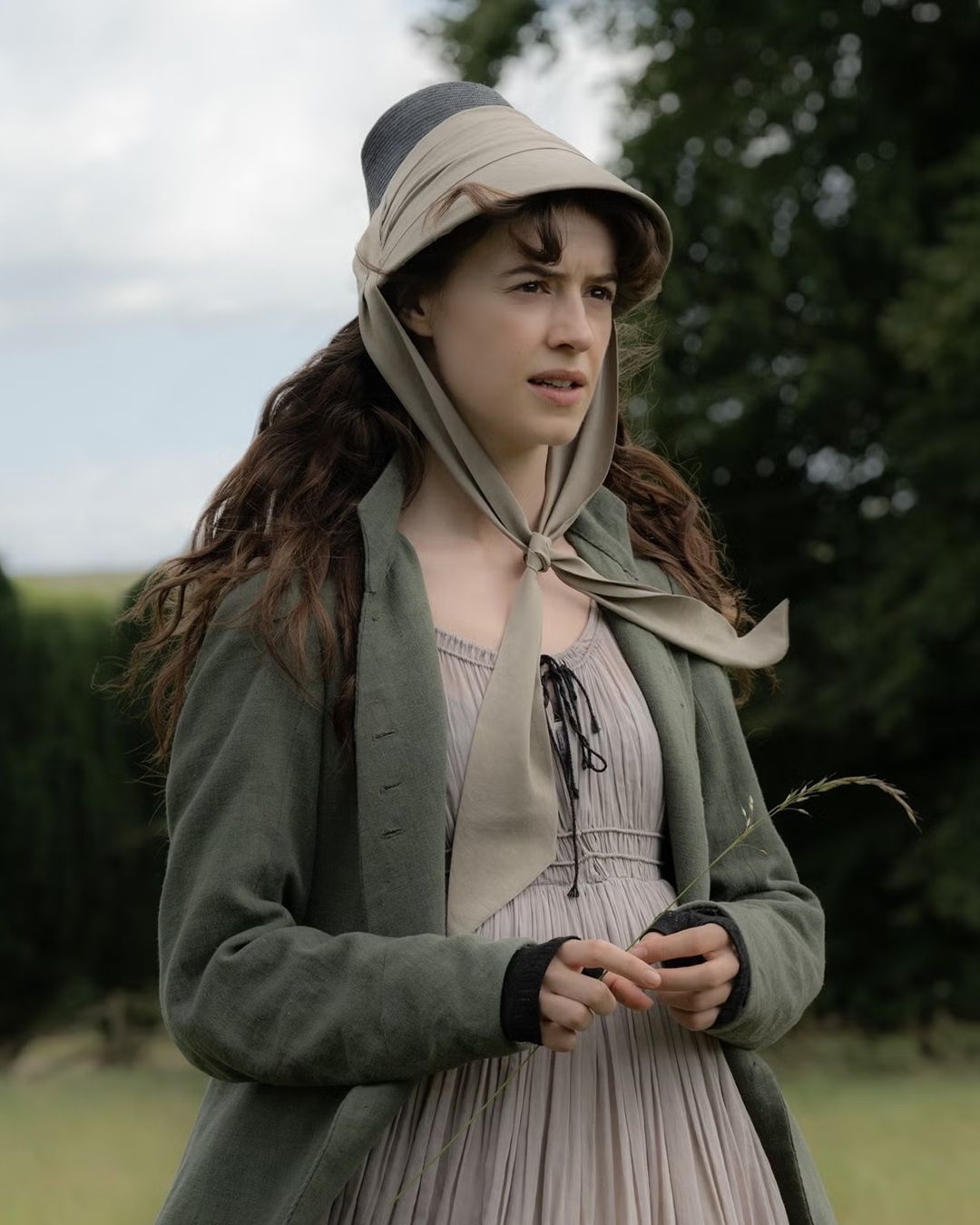
That’s why Too Much delivers an effect remarkably similar to Girls, even while telling a different story. We follow a new protagonist: the dreamy and unpredictable Jessica (Megan Stalter), who moves from America to London with vague career prospects and a broken heart (her ex left her for a crochet influencer) and that vents her emotions in videos. It’s a kind of emotional logbook of her current state, shaped also by her encounter with Felix (Will Sharpe), a messy indie musician finally sober and off drugs. Jessica is a lover of the Regency era, of romances à la Jane Austen, but she is not delusional nor naive. She is, in every sense, free. A kind of freedom she may not even be aware of, but that’s clearly visible to anyone watching her from the outside. That’s what we can call the Dunham effect.
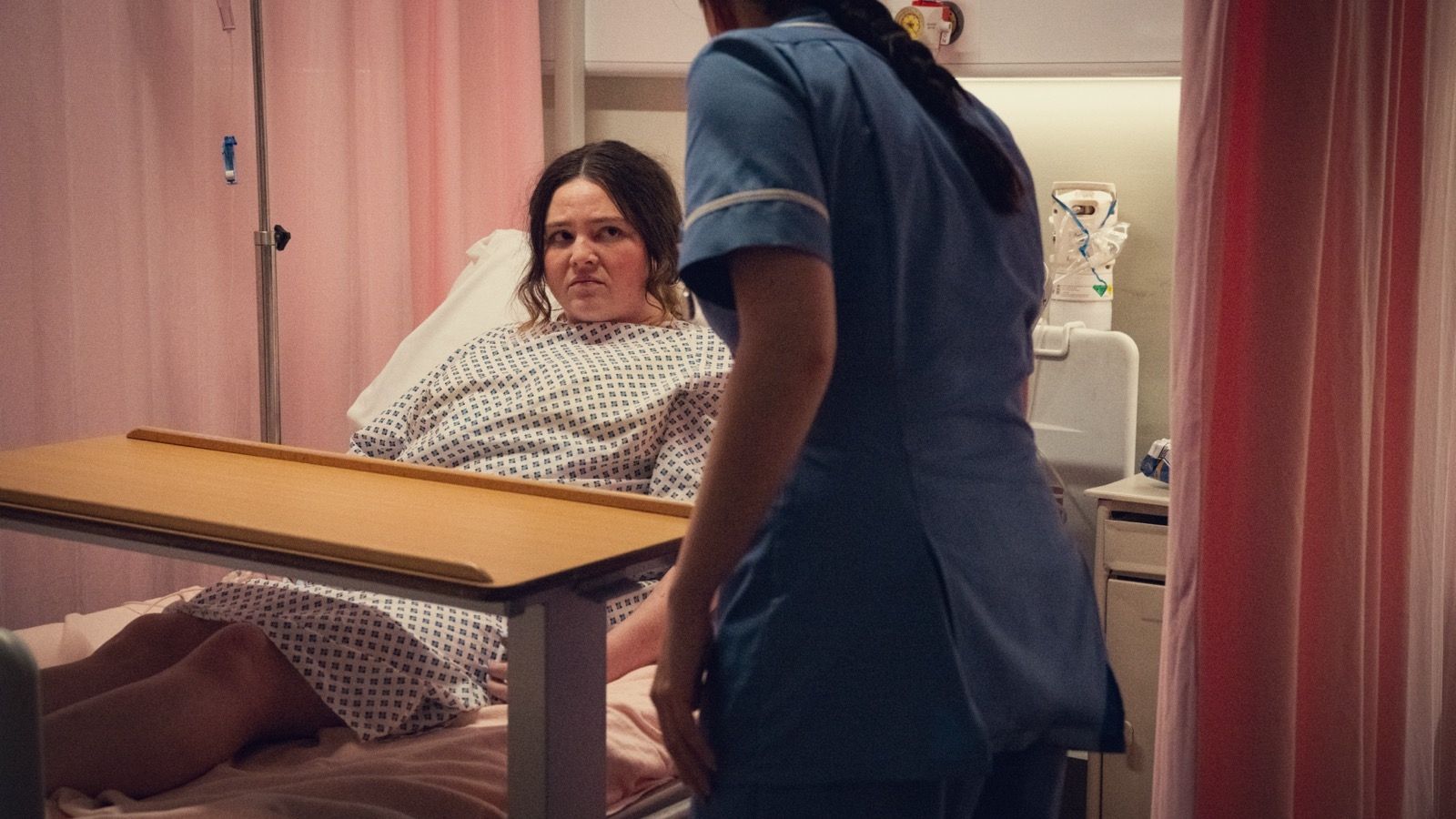
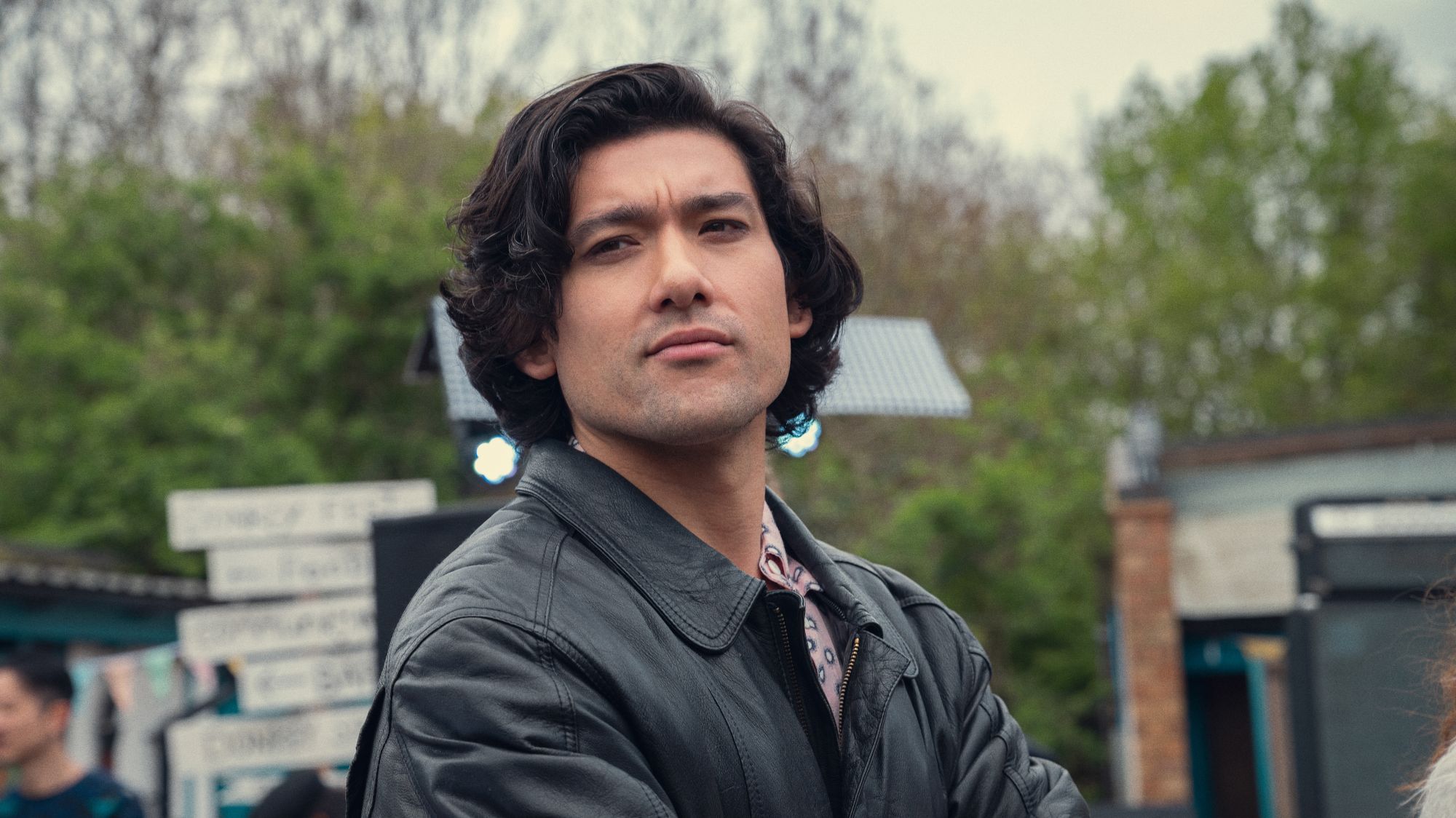
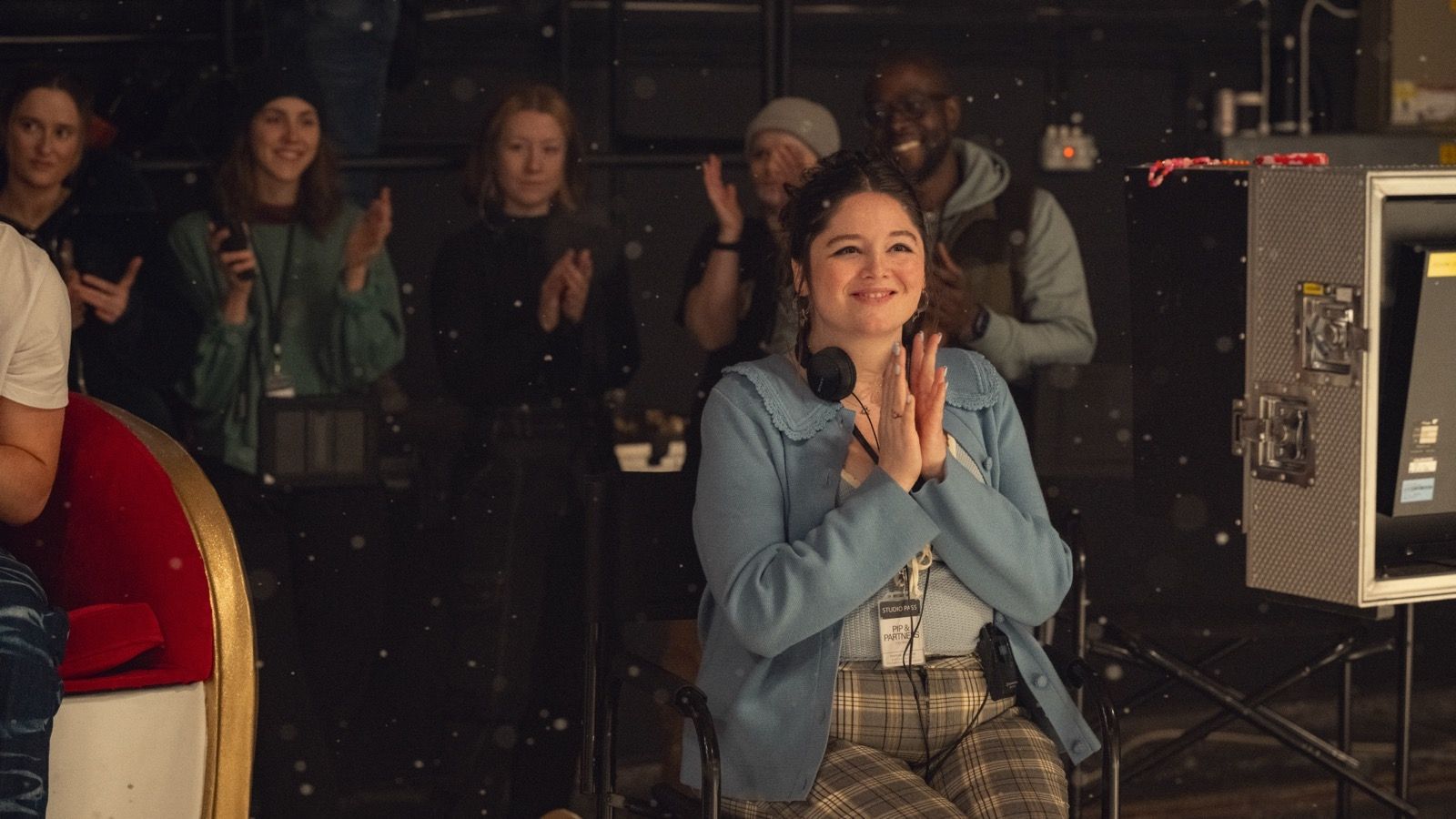
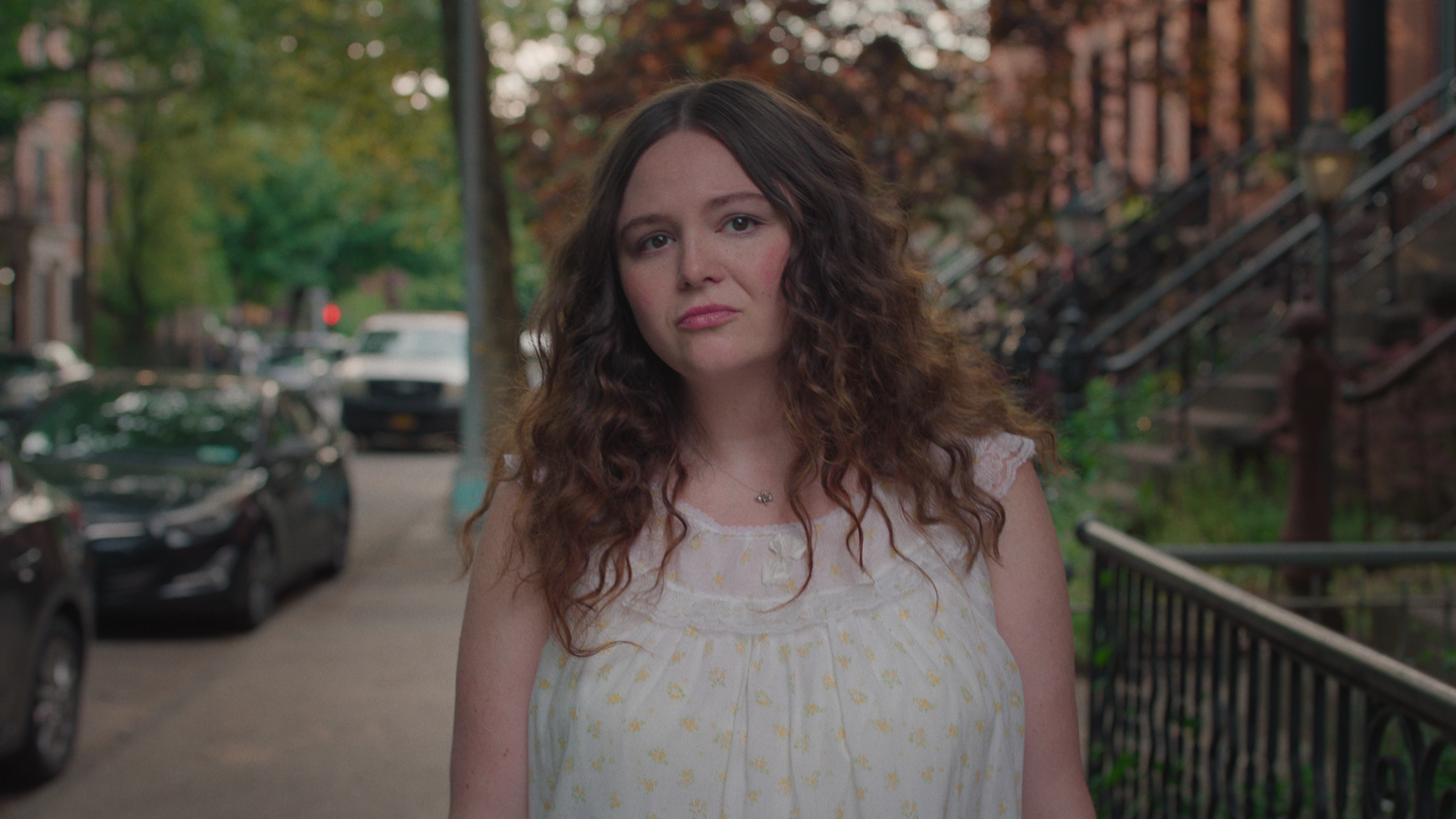
The characters Dunham writes are the most unlikely people we could meet, and yet we see ourselves in them. If we stopped to analyze them scene by scene, line by line, we’d realize they’re nothing like us. Or better yet, they’re emotional universes given human form, contained perfectly within the narrative frame Dunham builds, and only there. No one talks like them. No one interacts like them. And frankly, if someone tried to have those kinds of exchanges with us in real life, we’d probably think they were crazy. So what is this gravitational pull that draws us in? It’s the feeling that Dunham’s characters don’t exist as carbon copies of the real world, but rather as projections of an inner galaxy, full of curls, ribbons, and oddities finally taking shape. They reflect parts of us, even if we’d never express ourselves that way. But maybe we should?
A matter of writing (Lena Dunham’s, of course)
Dunham’s writing gives us the feeling that these are the kinds of relationships we wish we saw on screen, the kind we’d want to live out in real life. And since we can’t always have them in reality, it’s a gift to have someone like Lena Dunham who knows how to translate our desires into stories and characters. Although there’s been a shift, from the awkwardness of her Girls to the sensitive confidence of Too Much, the new series presents us with a universe of possibility, where relationships can still be formed, friendships still matter, wounds can still be healed, and dreaming of your Mr. Darcy (or Elizabeth Bennet) isn’t wrong at all. And that the female experience is a spectrum, from hating your ex’s new girlfriend to almost wanting to be her friend. Jessica tells Felix, and we might as well say it to Lena: "You’re an alien, but you make me feel at home, you know?" So no, Too Much, Jessica, Felix, they’re not us. We’ve never met anyone like them, never seen anyone interact the way they do. And yet, Too Much, Jessica, Felix - even Astrid the dog with her tongue out and everything on display - they are exactly us, and sometimes, the people we surround ourselves with. Or at least who we think we are. Definitely what we feel.
What to read next
Raye is the protagonist of Zalando's most ambitious cultural project ever
It's called Access All Areas (AAA) and it will take place on April 25 in Berlin
"Se domani non torno" is a very useful film, and that's enough
Inspired by Giulia Cecchettin's story and soon in cinemas